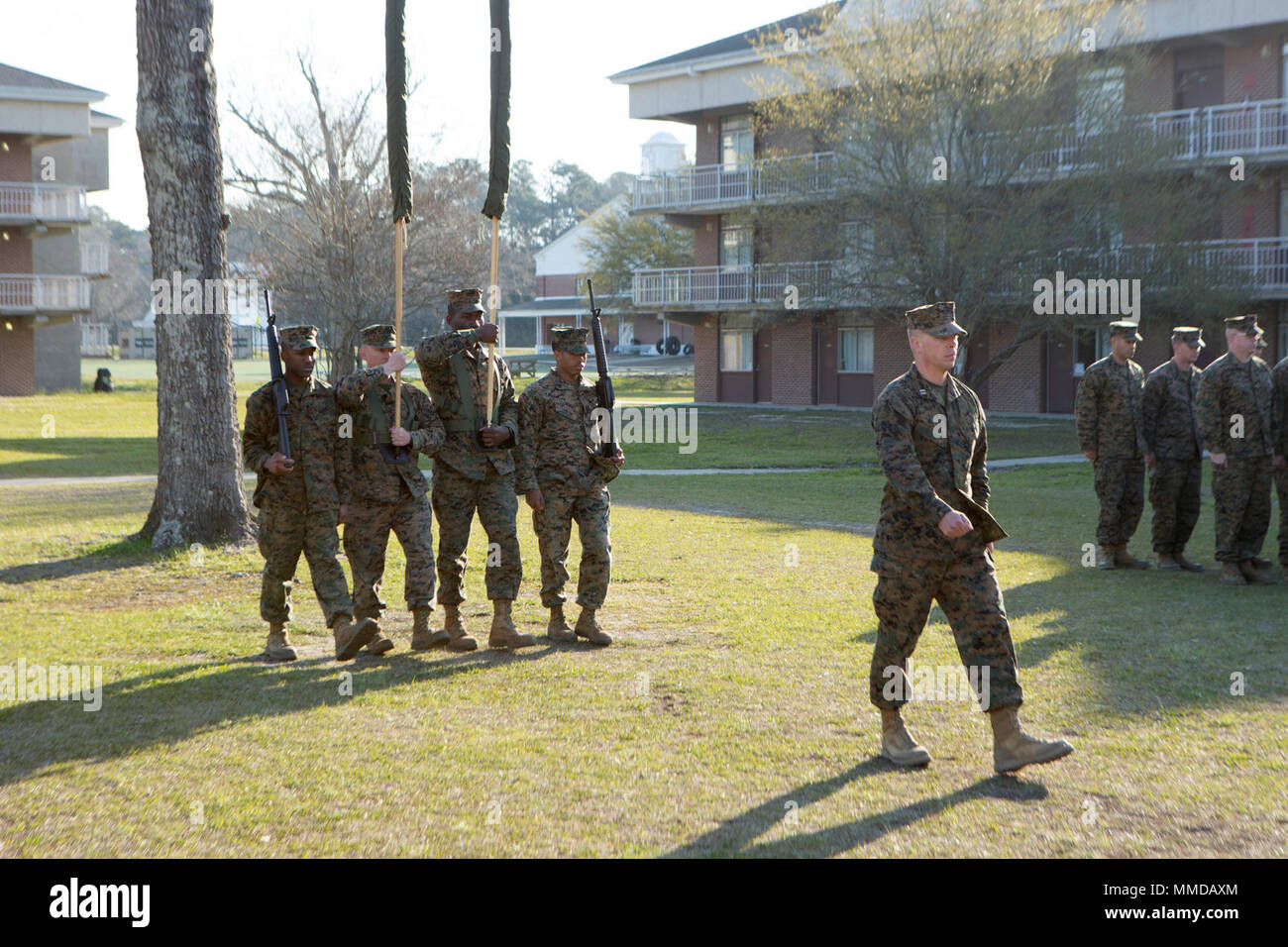
Marine Corps Base Camp Lejeune North Carolina: Complete 2026 Operational, Regional, and Community Guide
Marine Corps Base Camp Lejeune North Carolina stands as one of the most strategically significant military installations in the United States Armed Forces. Spanning over 156,000 acres in Onslow County along the Atlantic coast, this pre...
Marine Corps Base Camp Lejeune North Carolina stands as one of the most strategically significant military installations in the United States Armed Forces. Spanning over 156,000 acres in Onslow County along the Atlantic coast, this premier expeditionary training facility prepares Marines and sailors for global deployment while supporting a massive active-duty, dependent, and retiree community. Navigating the operational scope, regional infrastructure, and historic context of Camp Lejeune in 2026 requires an understanding of its dual identity as an elite combat readiness center and a thriving coastal hub.
Contents
Strategic Operational Scope and Training Facilities
Camp Lejeune functions as a premier amphibious training base, providing specialized facilities designed to simulate multi-domain combat environments. The installation supports various operating forces, including the II Marine Expeditionary Force, the 2nd Marine Division, the 2nd Marine Logistics Group, and major subordinate commands.
The installation features diverse terrain, ranging from urban combat training complexes to extensive maneuver areas and miles of amphibious landing beaches along the Atlantic Ocean and the New River.
- Amphibious Assault Launch Areas: Direct access to coastal waters for ship-to-shore movement training using AAVs (Assault Amphibious Vehicles) and ACVs (Amphibious Combat Vehicles).
- Live-Fire Ranges: Advanced small arms, artillery, and mortar ranges equipped with automated scoring systems and target retrieval mechanisms.
- MOUT Facilities: Military Operations in Urban Terrain sites, including realistic tactical towns complete with multi-story buildings, subterranean networks, and variable breach points.
- Aviation Support Infrastructure: Proximity to Marine Corps Air Station (MCAS) New River, enabling seamless integration of aviation assets like the MV-22 Osprey and CH-53K King Stallion.
Operating these sophisticated facilities demands strict adherence to environmental and safety protocols. Range operations are scheduled dynamically through the installation's automated reservation systems, ensuring maximum throughput for deploying units without compromising regional ecological preservation zones.
Regional Geography, Infrastructure, and Local Communities
Situated in the southeastern corner of Onslow County, Camp Lejeune directly borders Jacksonville, North Carolina, which serves as the primary municipal and commercial anchor for base personnel. The regional geography is characterized by tidal marshes, blackwater rivers, and barrier islands, creating unique logistical considerations for both military planning and civilian civil engineering.
Regional Connectivity and Transit Access to the installation is heavily mediated through multiple heavily trafficked gates, including the main Gonzalez Gate, Courthouse Bay Gate, and the Sneads Ferry Gate. Regional transit relies heavily on U.S. Route 17 and North Carolina Highway 210, connecting the base to Wilmington to the south and Morehead City to the northeast.
The surrounding municipalities offer diverse residential and commercial landscapes tailored to military families:
- Jacksonville: Offers major retail centers, sprawling residential subdivisions, and municipal administrative services immediately adjacent to the base's western boundaries.
- Sneads Ferry and Hubert: Quieter, coastal-oriented communities popular among personnel stationed at Courthouse Bay or seeking waterfront environments near the New River.
- Swansboro: A historic coastal town situated near the base's eastern perimeter, providing local dining, small-business shopping, and recreational boating access.
Healthcare Infrastructure and Medical Systems
Medical readiness for active-duty personnel and healthcare delivery for families and retirees represent critical pillars of the Camp Lejeune community. Naval Medical Center Camp Lejeune (NMCCL) serves as the primary hub for inpatient, outpatient, and emergency care on the installation.
- Naval Medical Center Camp Lejeune (NMCCL): A multi-specialty military treatment facility equipped with modern surgical suites, an emergency department, intensive care units, and comprehensive pediatric and obstetric services.
- Tricare Prime Network Integration: Active-duty members receive care primarily through NMCCL or designated military treatment facilities. Dependents and retirees utilizing Tricare Prime or Tricare Select can access a blend of military providers and contracted civilian networks across Onslow and surrounding counties.
- Regional Civilian Partnerships: Severe trauma cases or specialized sub-specialty requirements not managed directly at NMCCL are typically transferred to regional tertiary care centers such as Novant Health New Hanover Regional Medical Center in Wilmington.
Healthcare Provider and Insurance Network Matrix
| Provider / Facility Network | Primary Service Location | Target Beneficiaries | Acceptance Status |
|---|---|---|---|
| Naval Medical Center Camp Lejeune | MCB Camp Lejeune Mainside | Active Duty, Dependents, Retirees | Fully Accepted (Primary facility for Tricare Prime) |
| Onslow Memorial Hospital | Jacksonville, NC | General Public & Military Families | Accepted (In-network for Tricare Select / Standard options) |
| Novant Health NHRMC | Wilmington, NC | Regional Referral Patients | Accepted (Major tertiary partner for specialized trauma) |
| Veterans Affairs Outpatient Clinic | Jacksonville, NC | Enrolled Military Veterans | Accepted (Dedicated VA healthcare delivery) |
Environmental Restoration and Historic Water Contamination Resolution
No overview of Camp Lejeune is complete without addressing its historic environmental legacy. Between the 1950s and 1980s, volatile organic compounds (VOCs)—specifically trichloroethylene (TCE), perchloroethylene (PCE), benzene, and vinyl chloride—contaminated two primary water supply treatment plants on the base (Tarawa Terrace and Hadnot Point) via industrial spills and off-base dry-cleaning runoff.
Federal legislation, most notably the Camp Lejeune Justice Act (CLJA) embedded within the PACT Act, established clear legal pathways for individuals who resided or worked on the base for at least 30 cumulative days between August 1, 1953, and December 31, 1987, and subsequently developed qualifying medical conditions.
- Eligible Exposures: Military personnel, family members, civilian contractors, and civilian employees.
- Qualifying Conditions: Various forms of cancer (bladder, kidney, leukemia, non-Hodgkin's lymphoma, multiple myeloma), adult leukemia, vanishing white matter disease, and severe neurological impacts.
- Current Status (2026): Settlement payouts and administrative claim reviews by the Department of the Navy and federal courts continue to process claims with dedicated judicial resources to resolve pending litigation efficiently.
Comparison of On-Base vs. Off-Base Housing Options
Choosing where to live is one of the most significant decisions for incoming service members and their families. The installation offers privatized housing options alongside a dynamic civilian rental and real estate market in Onslow County.
| Feature / Consideration | On-Base Privatized Housing (Atlantic Marine Corps Communities) | Off-Base Housing (Jacksonville, Sneads Ferry, Hubert) |
|---|---|---|
| Commute Times | Minimal (0 to 15 minutes to most duty stations) | Variable (15 to 45 minutes depending on gate congestion) |
| Utilities Cost | Covered via Basic Allowance for Housing (BAH) utility caps | Paid separately by tenant (electricity, water, internet) |
| Maintenance | Included 24/7 maintenance managed by property management | Dependent on landlord responsiveness or personal homeownership costs |
| Community Amenities | On-site pools, playgrounds, community centers, security patrols | Greater architectural variety, private yards, civilian neighborhood integration |
Frequently Asked Questions
What steps are required to access Camp Lejeune as a visitor or contractor in 2026?
Visitors and contractors must obtain a valid pass from the Consolidated Pass and Identification Office by presenting authorized government-issued identification, submitting to a background check, and proving a legitimate business purpose or sponsor on base. Pre-vetting through automated digital gate access programs helps expedite entry for recurring contractors and approved family visitors.
How do military families register for schools near Camp Lejeune?
Families living on base attend schools operated by the Department of Defense Education Activity (DoDEA), while those living off base enroll in the Onslow County Schools public system. Registration requires proof of residency, immunization records, birth certificates, and previous academic transcripts.
What are the primary industries supporting the local economy around Camp Lejeune?
The local economy is heavily anchored by the military installation, defense contracting, retail services, healthcare, and coastal tourism centered around Onslow County's beach communities like Topsail Island.
How can veterans file claims related to the Camp Lejeune Justice Act?
Eligible individuals can file administrative claims through the Department of the Navy's Tort Claims Unit or seek representation through accredited legal counsel specializing in federal tort claims to navigate documentation requirements and medical proof standards.
What recreational activities are available on and around Camp Lejeune?
Personnel enjoy extensive outdoor recreation, including Onslow Beach (exclusively for military ID holders and guests), hunting and fishing through the base game warden office, kayaking along the New River, and utilizing modern fitness centers and golf courses on base.
Conclusion and Next Steps
Marine Corps Base Camp Lejeune North Carolina remains a cornerstone of American military readiness, offering robust training infrastructure, comprehensive support systems, and deep integration with the surrounding Onslow County community. Whether arriving for active-duty orders, managing family relocation, or seeking specialized resources, understanding the base's operational layout, medical networks, and historical context ensures a successful transition. For official administrative updates, gate hours, and service directories, consult the official Marine Corps Installations East (MCIEAST) web portal or contact your gaining unit's command sponsor directly.
Image Gallery