Why a Ball Python Dangerous Is a Myth: Understanding Their True Temperament and Care
The widespread belief that ball pythons pose a physical threat to humans is entirely unfounded, stemming from common misconceptions about reptiles and exaggerated media tropes. In reality, ball pythons (Python regius) are docile, slow-...
The widespread belief that ball pythons pose a physical threat to humans is entirely unfounded, stemming from common misconceptions about reptiles and exaggerated media tropes. In reality, ball pythons (Python regius) are docile, slow-moving, non-venomous constrictors that prefer defensive curling over aggression, making them exceptionally manageable when properly understood and cared for.
Contents
Deconstructing the Fear: Where the Myth Begins
The perception that all snakes are inherently dangerous is deeply ingrained in human culture, frequently reinforced by sensationalized news stories and Hollywood creature features. When it comes to the ball python, this fear is amplified by their classification as constrictors. People often visualize massive, aggressive predators capable of overpowering humans. However, this mental image completely ignores the biology, typical adult size, and actual behavioral repertoire of Python regius.
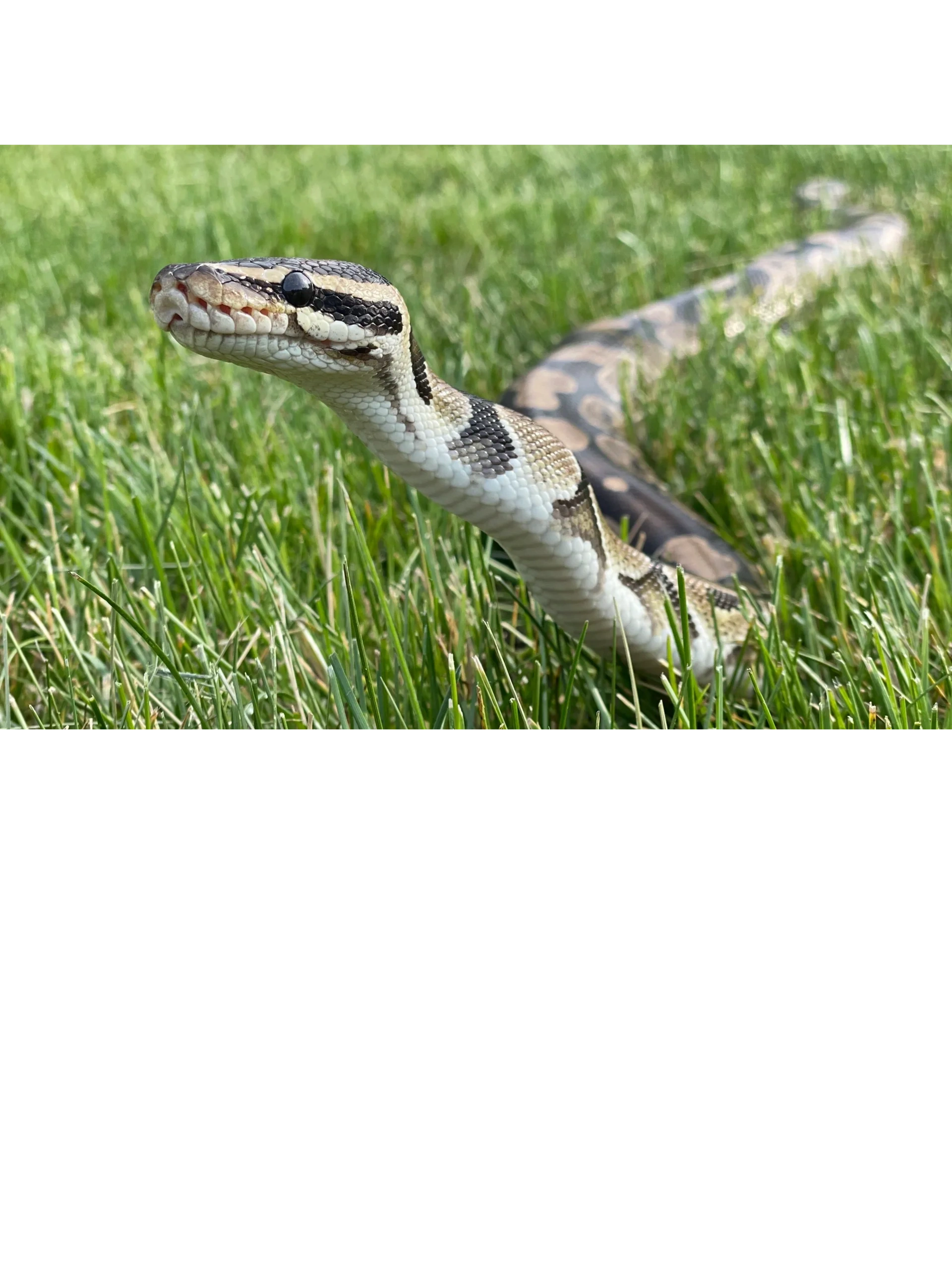
Ball pythons are native to the grasslands, shrublands, and open forests of West and Central Africa. In their natural habitat, they face numerous predators, including birds of prey, small carnivores, and larger snakes. Because they cannot outrun predators, their evolutionary strategy is defensive rather than offensive. When threatened, they tighten their bodies into a tight, spherical shape with their head tucked safely in the center—hence the common name "ball" python. This defensive posture is designed to protect vital organs, not to launch an attack.
Furthermore, unlike venomous species that possess specialized fangs and toxic payloads designed to subdue large prey quickly, ball pythons possess neither venom nor the physical mass required to view a human as a potential meal. Understanding this fundamental behavioral and anatomical distinction is the first step in dismantling the myth that these snakes are dangerous.
Anatomy and Physical Limitations of the Ball Python
To truly understand why a ball python dangerous is a myth, one must examine their physical dimensions and biological capabilities. An adult ball python typically reaches a length of 3 to 5 feet, with females generally growing slightly larger and heavier than males. While a 4-foot snake might sound intimidating to an uninitiated observer, its overall mass is relatively modest, usually ranging from 1,500 to 3,000 grams (about 3 to 6.5 pounds) for a healthy, well-fed adult.
Consider the physical mechanics required for a constrictor to pose a genuine risk to a mammal. Constriction is an energy-intensive method of subduing prey, used primarily to cut off blood circulation (inducing cardiac arrest) in appropriately sized animals, such as small rodents. A ball python's jaw structure, muscle mass, and skeletal frame are biologically adapted for consuming small mammals like rats and mice. A human adult or even a young child is vastly outside the biological scope of prey for a ball python.
| Feature | Ball Python (Python regius) | Large Constrictor Species (e.g., Reticulated Python) |
|---|---|---|
| Average Adult Length | 3 to 5 feet | 10 to 20+ feet |
| Average Adult Weight | 3 to 6.5 pounds | 100 to 250+ pounds |
| Primary Diet | Small rodents (mice, rats) | Medium to large mammals |
| Defensive Behavior | Curling into a tight ball, hiding head | Striking, fleeing, defensive posturing |
| Risk Level to Humans | Negligible; docile and physically incapable of predation | Requires strict safety protocols and multiple handlers |
As illustrated in the comparison above, conflating the ball python with massive constrictor species is a category error. While a large reticulated python or anaconda warrants specialized safety precautions and experienced handling, a ball python shares very little with these giant snakes beyond the basic classification of being a constricting reptile.
Temperament and Behavioral Triggers
Ball pythons are widely celebrated in the reptile-keeping community for their calm and placid demeanor. They are largely nocturnal or crepuscular, spending much of their daylight hours hidden securely in underground burrows or hollow logs in the wild, or inside appropriate hides within a captive enclosure. Because they are not high-energy animals, they do not exhibit the erratic or aggressive movements associated with some other vertebrate pets.
However, any animal can exhibit a defensive response if it feels threatened, startled, or mishandled. Examining what actually prompts a defensive reaction in a ball python helps clarify that these incidents are rare and entirely preventable:
- Sudden Movements and Startle Reflexes: Approaching a sleeping snake rapidly or grabbing from above mimics the shadow and motion of an avian predator, triggering an instinctive defensive strike.
- Hormonal Changes During Shedding (Ecdysis): When a ball python is in blue (a phase where its eyes turn milky and a new layer of skin forms), its vision is severely impaired. During this vulnerable period, they may be more defensive because they cannot accurately assess their surroundings.
- Feeding Response Confusion: If a keeper handles a snake immediately after handling rodents without washing their hands, the snake may mistake the scent for food. This is an accidental feeding strike, not true aggression, and it can be entirely avoided through basic hygiene and tapping tools.
- Environmental Stressors: Inadequate ambient temperatures, incorrect humidity levels, or a lack of secure hiding spots can chronically stress a snake, making it more prone to defensive posturing such as hissing or balling up.
When a ball python does strike out of defense, the result is typically a minor, superficial scratch akin to a prick from a rose thorn. Their teeth are small and rear-curving, designed to hold slippery prey rather than inflict tearing wounds. While any animal bite should be cleaned thoroughly with antiseptic soap to prevent secondary bacterial infection, a ball python bite is medically insignificant and carries no venom risk.
Husbandry and Captive Care Realities
Proper captive husbandry plays a vital role in maintaining a ball python's gentle disposition. Meeting their environmental requirements eliminates physiological stress, ensuring the animal feels secure and relaxed in human company. Responsible reptile stewardship involves replicating their natural parameters within a controlled enclosure.
- Essential Ball Python Care Parameters
- Ambient Temperature: 78°F–80°F (Cool Side)
- Basking Spot Temperature: 88°F–92°F (Warm Side)
- Ambient Humidity: 50%–60% (rising to 70% during shed)
- Enclosure Size: Minimum 40-gallon for juveniles, 4x2x2 feet (120 gallons) recommended for adults
- Essentials: At least two identical hides, fresh water, and secure locking lid
Maintaining these exact parameters prevents respiratory infections, dehydration, and dysecdysis (incomplete shedding), all of which can cause discomfort and increase defensive behaviors. By investing in digital thermometers, hygrometers, and quality heating elements regulated by thermostats, keepers ensure their pet remains healthy and calm.
Furthermore, habituating a ball python to gentle, consistent handling builds trust and reinforces that humans are not predators. Regular, short handling sessions—avoiding times immediately after digestion or during the shedding cycle—help the animal realize that human interaction is safe and non-threatening.
Dispelling Myths Around Disease and Public Safety
Another facet of the "dangerous snake" myth involves concerns over zoonotic diseases, specifically Salmonella. Like all reptiles, ball pythons can carry Salmonella bacteria in their digestive tracts as part of their normal microflora. However, this risk is easily managed through standard hygiene practices that apply to many common domestic pets, including dogs, cats, and birds.
Simple preventative measures completely mitigate health risks:
- Always wash hands thoroughly with soap and warm water after handling a ball python, its enclosure, or its feeding equipment.
- Never sanitize reptile enclosures, water bowls, or decor in kitchen sinks or food-preparation areas.
- Avoid allowing reptiles to roam freely on kitchen counters, dining tables, or around areas where human food is prepared.
By adhering to these straightforward sanitation protocols, the risk of contracting a bacterial infection from a ball python becomes statistically negligible. Public health agencies, including the Centers for Disease Control and Prevention (CDC), provide clear guidelines on safe reptile ownership, emphasizing that education and hygiene render these concerns manageable.
Disclaimer: The information provided in this article is for educational and informational purposes only and does not constitute veterinary or medical advice. Prospective pet owners should consult with a qualified reptile veterinarian and check local municipal bylaws regarding exotic animal ownership before acquiring any pet.
Frequently Asked Questions
Can a ball python strangle a human?
No, a ball python cannot strangle a human. Their diminutive size, limited muscle mass, and biological adaptations prevent them from exerting the kind of pressure required to harm a human adult or child. Their constriction mechanics are strictly evolved for subduing small rodents.
Do ball pythons have venomous fangs?
No, ball pythons are completely non-venomous. They belong to the Pythonidae family, which kills prey through constriction rather than envenomation. They possess small, backward-facing teeth used exclusively for gripping prey, not injecting toxins.
Are ball pythons suitable pets for beginners?
Yes, ball pythons are widely considered one of the best starter reptiles for dedicated keepers. Their slow movements, manageable size, and generally docile temperament make them approachable, provided their specific heating, humidity, and dietary needs are properly met.
What should I do if a ball python bites me?
If a ball python bites defensively, remain calm and do not jerk your hand away, as this can tear the skin on their backward-curving teeth. Instead, gently submerge the snake's head in a small container of water or apply rubbing alcohol on a cotton swab near its nose to encourage it to release safely. Wash the wound immediately with warm water and antibacterial soap.
How long do ball pythons live in captivity?
With proper care, appropriate enclosure parameters, and a balanced diet, ball pythons are long-lived companions. They frequently live for 20 to 30 years in captivity, making their ownership a significant long-term commitment that requires stable housing and consistent husbandry.
Conclusion
The notion that a ball python is dangerous dissolves instantly under scientific scrutiny, observational reality, and proper husbandry knowledge. These gentle, non-venomous constrictors are biologically unequipped to view humans as prey and rely on defensive curling rather than aggression when startled. By understanding their true temperament, respecting their physical limits, and maintaining proper captive environments, reptile enthusiasts can appreciate ball pythons for what they truly are: calm, fascinating, and peaceful companions.
Image Gallery