Ashton Kutcher and Chris Sacca Net Worth Comparison: Portfolio Strategy and Wealth Breakdown
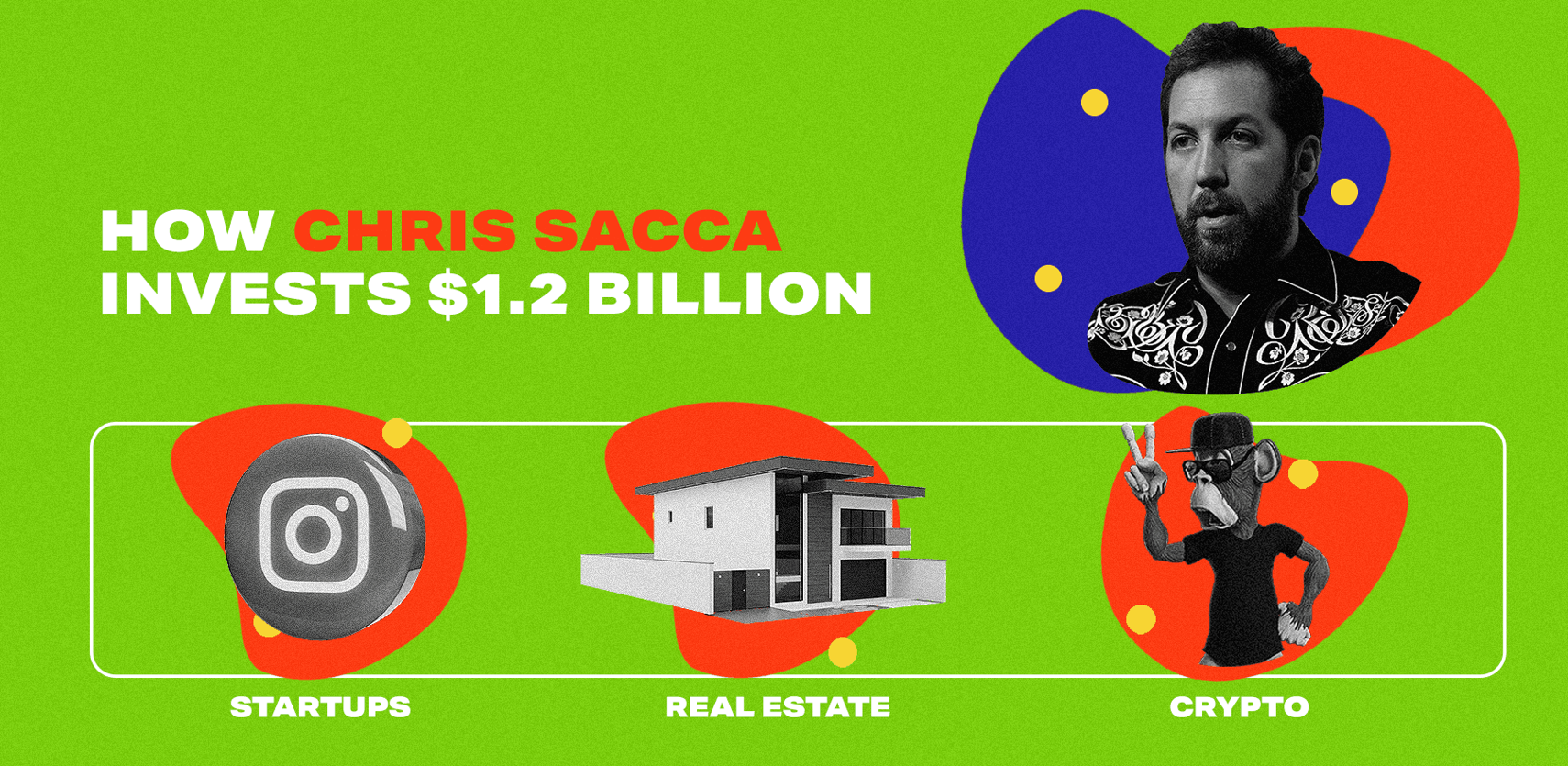
As of 2026, Chris Sacca holds an estimated net worth of $1.0 billion to $1.2 billion, primarily built through legendary early-stage seed returns at Lowercase Capital. Ashton Kutcher’s estimated net worth ranges between $200 million and...
As of 2026, Chris Sacca holds an estimated net worth of $1.0 billion to $1.2 billion, primarily built through legendary early-stage seed returns at Lowercase Capital. Ashton Kutcher’s estimated net worth ranges between $200 million and $250 million, derived from high-earning entertainment contracts combined with high-yield tech funds including A-Grade Investments and Sound Ventures.
Contents
Financial Overview: Net Worth Valuation and Capital Origins
Evaluating high-net-worth technology investors requires looking beyond liquid holdings to examine private equity stakes, fund carry structures, unrealized capital, and cash distributions. Both Ashton Kutcher and Chris Sacca transitioned from non-traditional paths into elite Silicon Valley seed investing, yet their routes to capital generation and their overall balance sheets follow distinct trajectories.
- Estimated Net Worth Comparison:
- Chris Sacca: $1.0B - $1.2B
- Ashton Kutcher: $200M - $250M
Ashton Kutcher initially generated wealth through television and film. At the height of his acting career, Kutcher was among the highest-paid actors on network television, earning reported per-episode fees of up to $750,000 for Two and a Half Men, alongside lucrative syndication royalties and commercial endorsements. Rather than funneling his liquid earnings into traditional real estate or conservative wealth management vehicles, Kutcher leveraged his capital to secure early angel positions in consumer technology startups during the post-2008 tech expansion.
Chris Sacca began his career in tech law and corporate strategy. After working as an attorney at Brobeck, Phleger & Harrison, Sacca joined Google in 2003 as Head of Special Initiatives. His compensation package included early employee stock options during a period of rapid enterprise valuation growth. Upon leaving Google in 2007, Sacca utilized his liquid stock gains and personal leverage to buy distressed private shares in early-stage tech companies, laying the groundwork for Lowercase Capital.
Comparative Wealth & Investment Breakdown
The following matrix compares the core financial metrics, primary investment vehicles, signature portfolio wins, and operational structures of Ashton Kutcher and Chris Sacca.
| Financial & Investment Metric | Ashton Kutcher | Chris Sacca |
|---|---|---|
| Estimated Net Worth | $200 Million – $250 Million | $1.0 Billion – $1.2 Billion |
| Primary Wealth Origin | Television/Film Earnings & Early-Stage Tech Funds | Corporate Tech (Google) Options & Venture Capital Carry |
| Flagship Investment Vehicles | A-Grade Investments, Sound Ventures | Lowercase Capital, Lowercarbon Capital |
| Signature Portfolio Bets | Uber, Airbnb, Spotify, Skype, Duolingo, Shazam | Twitter, Uber, Instagram, Twilio, Kickstarter |
| Fund Structure Style | Micro-VC, Syndicate Partnerships, AI Growth Funds | Ultra-Concentrated Seed Funds, SPVs (Special Purpose Vehicles) |
| Notable Advisory Roles | Consumer Tech Product Strategy, Brand Marketing | Corporate Governance, Capital Restructuring, Policy |
| Current Active Sector Focus | Artificial Intelligence, Enterprise SaaS, FinTech | Climate Technology, Carbon Capture, Clean Energy |
Ashton Kutcher’s Financial Evolution: Entertainment to Venture Capital
Ashton Kutcher’s transition from Hollywood actor to venture investor is one of the most successful capital-reallocation stories in modern media. Kutcher recognized early that traditional talent compensation models yield linear income, whereas equity stakes in scalable software platforms deliver exponential capital growth.
- Acting Earnings (TV / Film Fees)
- A-Grade Investments ($30M -> $250M+ Fund)
- Sound Ventures (Institutional Assets & Deep Tech / AI)
The A-Grade Investments Era
In 2010, Kutcher co-founded A-Grade Investments alongside entertainment manager Guy Oseary and billionaire investor Ron Burkle. Combining $30 million in initial pool capital—much of it contributed by Burkle and Kutcher—the team sought out seed and Series A allocations in high-growth digital platforms.
A-Grade’s strategic thesis targeted consumer-facing products capable of viral growth. Among their early positions were:
- Uber: Early entry into ride-sharing before national scaling.
- Airbnb: Seed-stage allocation in hospitality disruption.
- Spotify: Strategic position prior to the company's direct listing.
- Skype: Pre-acquisition equity hold before Microsoft’s buyout.
Reports indicate that A-Grade turned its original $30 million fund into more than $250 million in realized and mark-to-market returns over a five-year period. Kutcher's ability to act as a marketing amplifier for portfolio companies gave him unique leverage when competing for allocation spots against established Sand Hill Road venture funds.
Expansion into Sound Ventures
Building on A-Grade's track record, Kutcher and Oseary launched Sound Ventures in 2015 as a formal institutional venture firm managing external Limited Partner (LP) capital. Sound Ventures expanded Kutcher’s investment capacity from personal angel investments to managing funds backed by institutional endowments, pension funds, and family offices.
In recent years, Sound Ventures has positioned itself aggressively in foundational software and machine learning. The firm raised dedicated vehicles targeting artificial intelligence, deploying capital into category leaders such as OpenAI, Anthropic, and Stability AI. Through management fees (typically 2%) and performance carry (typically 20%), Sound Ventures provides Kutcher with recurring institutional cash flow alongside upside participation in private equity distributions.
Chris Sacca’s Financial Evolution: Google Options to Lowercase Capital
Chris Sacca’s path to billionaire status highlights the power of ultra-concentrated venture portfolios and aggressive ownership tactics in high-conviction companies.
- Google Options (Early Employee)
- Lowercase Capital (Record-Setting VC)
- Lowercarbon Capital (Climate Tech Focus)
The Lowercase Capital Phenomenon
After leaving his executive position at Google, Sacca established Lowercase Capital in 2007. Unlike traditional venture firms that build broadly diversified portfolios of 30 to 50 companies per fund, Sacca pursued extreme portfolio concentration. When Sacca identified a high-conviction startup, he purchased not only primary seed equity, but also created Special Purpose Vehicles (SPVs) to buy up secondary shares from early employees, founders, and advice-holders at discounted valuations.
Sacca's primary wealth engine was built on three core bets:
- Twitter: Sacca began buying Twitter stock when the platform was in its infancy. Through Lowercase funds and targeted SPVs, he acquired a major equity position in the company, generating multi-billion-dollar returns for his fund LPs and himself upon Twitter’s 2013 initial public offering (IPO).
- Uber: Sacca was an early angel investor in Uber Cab. He accumulated shares relentlessly during early funding rounds, later securing advisory equity by directly assisting the company with early regulatory hurdles and strategic hiring.
- Instagram: Sacca participated in early funding rounds prior to the company’s $1 billion acquisition by Facebook in 2012.
According to venture capital industry benchmarks published by financial news outlets such as Forbes, Lowercase Fund I generated some of the highest Net Multiple on Invested Capital (MOIC) and Internal Rates of Return (IRR) in venture capital history, returning over 100x invested capital to investors. As the sole or primary General Partner (GP) controlling these vehicles, Sacca captured a massive share of the performance carry, directly driving his net worth past the billion-dollar mark.
Strategic Retirement and Lowercarbon Capital
In 2017, Sacca publicly stepped back from traditional early-stage tech investing, citing a desire to focus on alternative challenges and a changing market environment. However, alongside his wife Crystal Sacca, he subsequently launched Lowercarbon Capital.
Lowercarbon Capital manages substantial institutional assets allocated strictly toward climate technology, carbon removal, fusion energy, and sustainable agriculture. This shift allowed Sacca to transition his capital deployment strategy from consumer software toward hard-tech infrastructure projects designed to address global decarbonization.
Investment Methodologies: Comparing Kutcher and Sacca
While both investors achieved extraordinary returns by entering seed-stage tech deals between 2008 and 2015, their operational methods and competitive advantages differed substantially.
- Ashton Kutcher
- Co-investing with established partners (Oseary, Burkle)
- High public visibility & consumer brand distribution
- Focus on intuitive consumer UI and AI adoption
- Chris Sacca
- Ultra-concentrated positions via SPVs & secondary buying
- Direct involvement in company restructuring & regulatory fights
- Transition from software monopolies to climate infrastructure
Deal Access and Network Mechanics
- Ashton Kutcher’s Advantage: Kutcher utilized his cultural reach and mainstream media platform as a unique value proposition for founders. Startups seeking rapid consumer adoption benefited from Kutcher’s ability to generate organic media coverage, advise on user experience, and connect founders with legacy media executives. His syndicate partnership with Ron Burkle provided structural institutional backing that allowed A-Grade to participate alongside tier-one venture firms.
- Chris Sacca’s Advantage: Sacca relied on deep technical knowledge, Silicon Valley relationships forged during his Google tenure, and assertive deal structuring. Sacca was known for buying out initial angel investors who wanted early liquidity, consolidating fragmented capitalization tables to secure significant ownership percentages. His hands-on operational support for founders during board negotiations gave him priority access in competitive financing rounds.
Risk Tolerance and Portfolio Concentration
Kutcher’s investment strategy across A-Grade and Sound Ventures favors broader portfolio exposure across consumer internet, enterprise software, and artificial intelligence, mitigating tail-risk while capturing asymmetric upside.
Conversely, Sacca’s historic returns at Lowercase Capital were driven by extreme concentration. By deploying capital into a select handful of tech companies and maximizing equity ownership via secondary markets, Sacca achieved higher total wealth amplification relative to total capital managed.
Key Financial Takeaways for Venture Investors
Studying the wealth creation paths of Kutcher and Sacca provides actionable principles for private equity, angel investing, and wealth management:
- Asymmetric Upside of Equity over Compensation: Earned income from high-paying roles (whether executive salaries or acting fees) acts as seed capital. Real compound wealth is generated by converting liquid earnings into asset equity with non-linear growth potential.
- The Value of Non-Monetary Capital: Both investors secured early deal access by offering non-capital value to founders. Kutcher provided brand promotion and consumer marketing expertise; Sacca offered hands-on regulatory navigation, executive network access, and capital restructuring.
- Ownership Percentage Matters: Sacca’s rise to billionaire status demonstrates that identifying winning companies is only half the battle; maximizing ownership percentage through follow-on investments and secondary market acquisitions is what drives massive fund performance carry.
- Capitalizing on Technological Cycles: Both investors recognized macro technology shifts early. Kutcher and Sacca capitalized on the mobile-smartphone boom (2009–2015). Today, Kutcher is targeting generative AI software, while Sacca focuses on climate and decarbonization infrastructure.
Frequently Asked Questions
What is the current estimated net worth difference between Chris Sacca and Ashton Kutcher?
Chris Sacca’s estimated net worth is between $1.0 billion and $1.2 billion, whereas Ashton Kutcher’s net worth is estimated at $200 million to $250 million. The difference is primarily due to Sacca’s extreme ownership concentration and massive performance carry earnings in early Lowercase Capital funds.
Did Ashton Kutcher and Chris Sacca invest in the same companies?
Yes. Both investors held early equity positions in several defining tech companies of the 2010s, most notably Uber. Both recognized the structural shift toward mobile-enabled platform economies early in the company's lifecycle.
How did Ashton Kutcher build his venture capital firm?
Kutcher began angel investing with his own money before co-founding A-Grade Investments in 2010 with Guy Oseary and Ron Burkle. Following A-Grade's success, Kutcher and Oseary established Sound Ventures in 2015 to manage institutional LPs' capital, expanding into formal fund management.
Why did Chris Sacca temporarily retire from venture capital?
Sacca announced his retirement from active early-stage tech investing in 2017, stating that he wanted to honor his commitment to family, exit the daily startup treadmill, and make room for new projects. He later returned to active fund management by launching Lowercarbon Capital to focus on climate technologies.
Are net worth estimates for venture capitalists completely accurate?
No. Net worth figures for private investors are based on public SEC filings, fund reporting, realized liquidity events (such as IPOs and acquisitions), and estimated valuations of private fund holdings. Precise net worth numbers fluctuate based on market conditions and confidential Limited Partner distributions.
Final Assessment
While Chris Sacca holds a higher total net worth due to the historic return multiples of Lowercase Capital’s concentrated fund investments, Ashton Kutcher has achieved one of the most financially successful pivots from mainstream entertainment to institutional asset management in modern business. Both figures illustrate how early deployment into structural tech shifts can convert upfront capital into long-term personal wealth.
Image Gallery