What Is the Best BBQ in the World? The Definitive Global Guide
Determining the best barbecue in the world depends on regional preferences, but Central Texas-style smoked brisket and Argentine asado consistently top international culinary rankings. While Texas excels at indirect hardwood smoking of...
Determining the best barbecue in the world depends on regional preferences, but Central Texas-style smoked brisket and Argentine asado consistently top international culinary rankings. While Texas excels at indirect hardwood smoking of beef, Argentina masters open-flame ember cooking, alongside iconic traditions from Korea, Jamaica, South Africa, and the broader American BBQ belt.
Contents
Evaluating World-Class Barbecue
The definition of barbecue varies significantly across cultures, geographies, and historical traditions. In North America, barbecue primarily denotes low-and-slow indirect smoking using hardwood fires over extended hours. In South America, Southern Africa, and East Asia, barbecue often encompasses direct-fire ember grilling, open-trench roasting, or tabletop wood-charcoal sear work. Evaluating which style claims the title of "the best" requires analyzing six essential elements:
- Meat Quality and Selection: The starting raw material, including intramuscular fat (marbling), connective tissue composition, and slaughter conditioning.
- Fuel Source and Smoke Profile: The combustion behavior of native hardwoods, lump charcoal, or embers, which imparts distinct organic compounds like guaiacol (smokiness) and syringol (aroma).
- Heat and Moisture Control: Thermal management, ranging from low indirect smoking temperatures (200°F–275°F / 93°C–135°C) to intense direct radiant ember heat (500°F+ / 260°C+).
- Seasoning and Rub Science: The balance of coarse minerals, spices, marinades, or mops designed to enhance, rather than mask, the primary protein.
- Technique and Process Execution: Skillful navigation of the cooking process, including managing fat rendering, navigating heat stalls, and allowing proper post-cook resting phases.
- Cultural Authenticity and Heritage: The historical continuity and community mastery associated with traditional pitkeeping practices.
The Contenders: World-Renowned Barbecue Traditions
Central Texas Style (Low & Slow Hardwood Smoke)
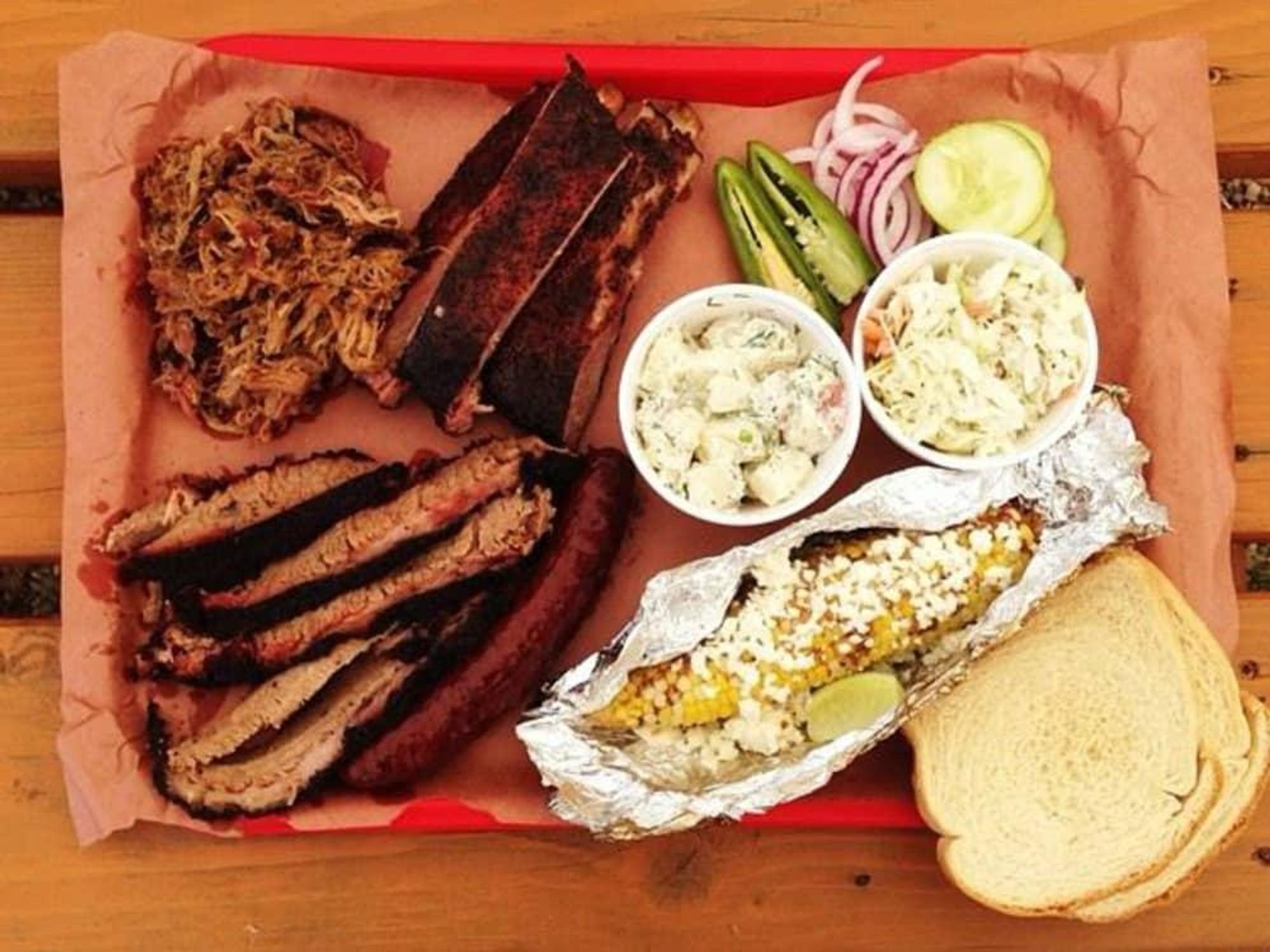
Central Texas barbecue is widely regarded by culinary authorities as the pinnacle of smoked beef preparation. Historically shaped by 19th-century German and Czech butcher shops in towns like Lockhart, Luling, and Taylor, Central Texas BBQ relies on simple seasonings—typically equal parts coarse kosher salt and 16-mesh black pepper, known as a "Dalmatian rub"—to let the meat excel.
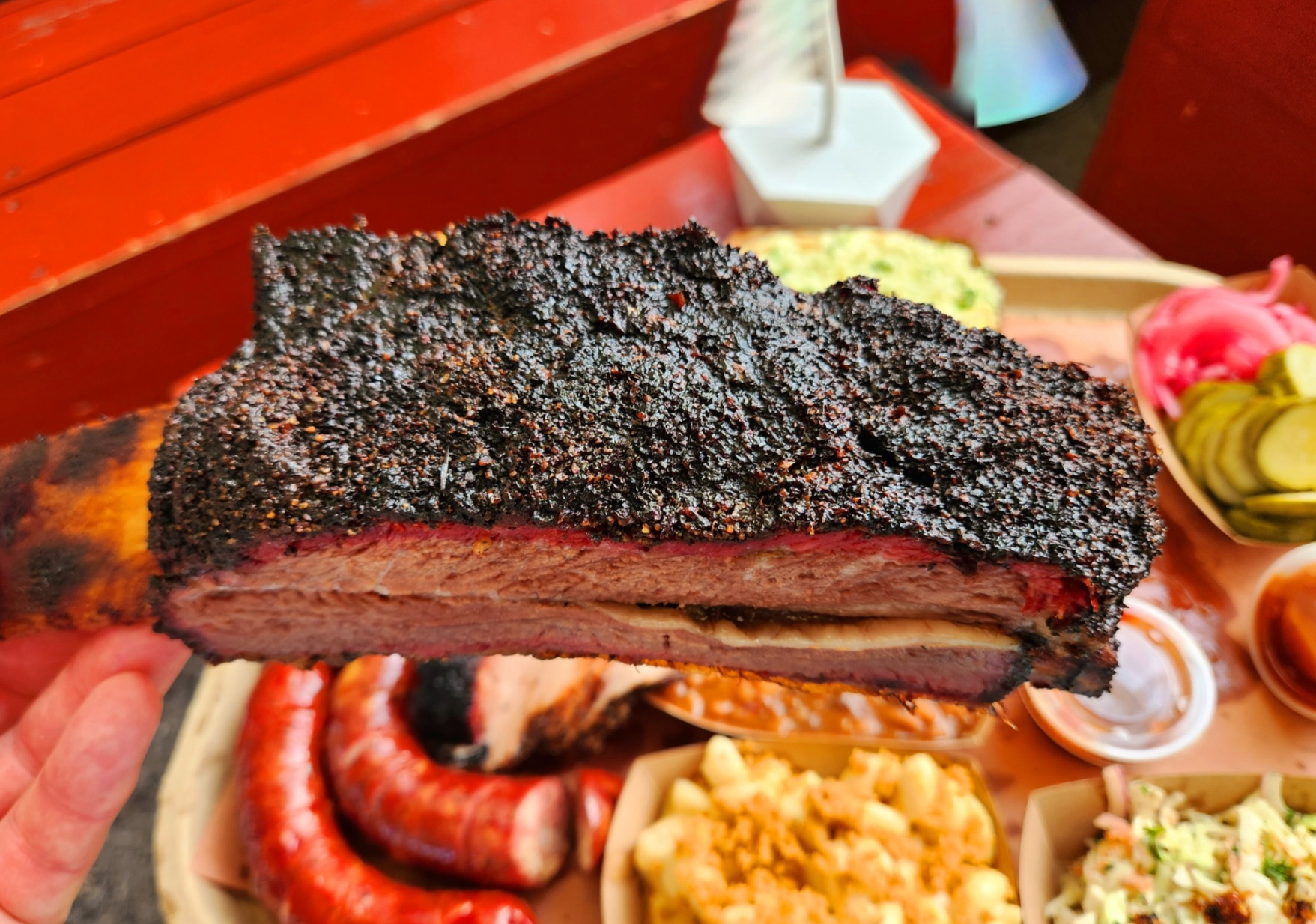
The signature dish is smoked beef brisket (pectoralis major and pectoralis profundus muscles). Pitmasters cook whole packer briskets inside steel offset barrel smokers for 12 to 18 hours using native post oak (Quercus stellata) fuel. The post oak burns clean, delivering a subtle, non-bitter smoke profile. Crucial to Texas brisket is maintaining precise smoker temperatures (225°F–275°F), pushing through the moisture-evaporation phase (the "stall" around 150°F–170°F internal temperature), and rendering tough collagen into gelatin at internal temperatures between 200°F and 205°F. The result is a jet-black bark, a distinct reddish smoke ring caused by nitric oxide binding to myoglobin, and extremely tender beef.
Argentine Asado & Uruguayan Parrilla (Open-Flame Wood Fire)
In the Rio de la Plata region encompassing Argentina and Uruguay, asado is more than a technique; it is a fundamental cultural institution. Unlike North American smoking, asado uses low, direct-and-indirect radiant heat generated by wood embers rather than active green wood smoke.
Asadors use dense hardwoods like quebracho (Schinopsis lorentzii) to produce long-burning embers. These embers are raked beneath adjustable iron grates (parrillas) or stacked around vertical iron crosses (v-shaped iron frames or asadores) angled toward the open flame. The cornerstone cuts include tira de asado (flank-cut short ribs), vacío (flank steak), ojo de bife (ribeye), and entraña (skirt steak). Seasoning is simple, typically limited to sal parrillera (coarse salt). Meat is served with chimichurri—a fresh sauce of parsley, garlic, dried oregano, red pepper flakes, olive oil, and red wine vinegar—which cuts through the rich fat of grass-fed Argentine beef.
Korean Gogi-Gu-i (Precision Tabletop Charcoal Grilling)
Korean barbecue (Gogi-gu-i) focuses on high-precision heat, fresh marinades, and interactive dining. Traditional Korean barbecue uses white oak charcoal (binchotan) in built-in tabletop braziers, delivering steady, smokeless, high radiant heat that rapidly sears thin cuts of meat.
The flagship cut is Galbi (marinated beef short ribs, intricately butterflied and diamond-scored) alongside Samgyeopsal (thick-cut, unmarinated pork belly). The marinade relies on soy sauce, Asian pear (which contains natural bromelain enzymes to tenderize muscle fibers), sesame oil, garlic, scallions, and brown sugar. The seared meat is wrapped inside lettuce or perilla leaves with ssamjang (a fermented soybean and chili paste) and served alongside banchan (side dishes including fermented kimchi, pickled radishes, and seasoned vegetables).
Jamaican Jerk (Pimento Wood & Trench Pit Cooking)
Originating from the indigenous Taíno people and Maroons in the Blue Mountains of Jamaica, authentic jerk represents a unique fusion of curing, spicing, and pit smoking. True jerk is cooked over open wood trenches lined with green pimento wood (Pimenta dioica, the tree that produces allspice berries) logs and covered with sweetwood sheets or metal sheets.
The meat—typically whole chickens or pork shoulders—is heavily coated in a coarse paste made from Scotch bonnet peppers, pimento berries, fresh thyme, scallions, ginger, garlic, nutmeg, and cinnamon. As juices drip down onto the smoldering pimento logs, aromatic steam and smoke rise, infusing the meat with a sharp heat and complex herbal aroma found nowhere else in the world.
South African Braai (Customary Wood Fire Craft)
The South African braai (short for braaivleis, meaning grilled meat) is a social fire-craft tradition crossing cultural boundaries across Southern Africa. A true braai strictly prohibits gas or charcoal briquettes; it must be fueled by indigenous hardwoods such as Kameeldoring (Camel Thorn) or Sekelbos.
The dense hardwood creates long-lasting coals with high heat output. The menu features boerewors (a spiced spiral sausage containing at least 90% meat, dominated by coarse beef, pork, coriander seeds, nutmeg, and cloves), lamb chops, sosaties (marinated skewers), and thick steaks. Pitmasters manage the coalbed continuously, shifting hot embers underneath different sections of the grill to accommodate proteins requiring different cooking times.
Regional American Heavyweights (Carolina, Memphis, Kansas City)
Beyond Texas, three distinct US regions hold historic claims to world-class barbecue status:
- Eastern & Western Carolina: Famous for whole-hog pork smoking over hickory coals. Eastern Carolina uses a thin, tart sauce made from cider vinegar, crushed red pepper, and salt, which cuts directly through pork fat. Western Carolina (Piedmont style) adds a touch of tomato paste or ketchup and focuses primarily on pork shoulder.
- Memphis: The capital of pork ribs. Memphis style is distinguished by dry-rubbed ribs coated in a mixture of paprika, garlic, onion, cayenne, and herbs before being smoked low over hickory. Wet ribs are brushed with a tomato-and-vinegar sauce during the final minutes of cooking.
- Kansas City: Known for wide variety and sweet, thick sauce. Kansas City pitmasters smoke all meats—beef, pork, chicken, and turkey—over hardwood, but the standout creation is burnt ends. These twice-smoked, cubed, highly caramelized nuggets are harvested from the fatty point muscle of smoked beef brisket.
Technical Comparison of World Barbecue Traditions
| Style / Region | Primary Protein | Core Heat Source | Cooking Technique | Signature Flavor Profile | Iconic Destination / Origin |
|---|---|---|---|---|---|
| Central Texas | Beef Brisket, Beef Ribs | Post Oak Hardwood Smoke | Indirect offset smoking (225°F–275°F) | Peppery bark, deep beef fat render, mild oak smoke | Lockhart & Austin, Texas, USA |
| Argentine Asado | Beef Short Ribs, Flank, Intestines | Quebracho Wood Embers | Open-fire grill (parrilla) & cross (asador) | Rich natural beef flavor, light oak salt, herbal acidity | Buenos Aires & Pampas region, Argentina |
| Korean Gogi-Gu-i | Beef Short Ribs (Galbi), Pork Belly | Binchotan Oak Charcoal | Tabletop high-heat direct searing | Sweet-savory soy-pear glaze, toasted sesame, umami | Seoul, South Korea |
| Jamaican Jerk | Whole Chicken, Pork Shoulder | Pimento Wood & Sweetwood | Covered trench pit indirect smoking | Intense Scotch bonnet heat, aromatic pimento smoke | Boston Bay, Portland, Jamaica |
| South African Braai | Boerewors, Lamb Chops, Steak | Kameeldoring / Sekelbos Embers | Open embers with multi-zone heat control | Savory coriander spice, aromatic hardwood smoke | Western Cape & Gauteng, South Africa |
| Eastern Carolina | Whole Hog Pork | Hickory & Oak Charcoal Embers | Pit-smoked whole hog over indirect coals | Sharp vinegar tang, red pepper flake, clean pork smoke | Goldsboro & Ayden, North Carolina, USA |
| Kansas City | Brisket Burnt Ends, Pork Ribs | Mixed Hardwood (Hickory/Oak) | Indirect smoking with heavy sauce finish | Sweet molasses, tomato acidity, rich caramelized crust | Kansas City, Missouri, USA |
Technical Factors That Distinguish Legendary Barbecue
Reaching the upper tier of international barbecue requires controlling complex physical and chemical reactions during the cook.
- Raw Protein Selection
- High intramuscular fat
- Seasoning Application
- Coarse salt & pepper
- Indirect Thermal Phase (200°F - 275°F)
- Nitric oxide binds to myoglobin (Smoke Ring)
- Lignin combustion yields flavor (Guaiacol)
- Surface moisture evaporates (The Stall)
- Collagen Conversion Phase (160°F - 203°F)
- Tough connective tissue breaks down
- Insoluble collagen transforms into gelatin
- Rendered fat lubricates muscle fibers
- Managed Holding Phase
- 140°F-150°F rest time
The Smoke Ring and Chemical Reaction
The pink ring beneath the outer crust of smoked meat is often considered a mark of traditional craftsmanship. This ring forms when nitrogen monoxide ($\text{NO}$) and carbon monoxide ($\text{CO}$), produced by burning wood, diffuse into the outer surface of the raw meat. These gases bind to myoglobin—the iron- and oxygen-binding protein in muscle tissue—preventing it from denaturing into a gray-brown color during heating. While the smoke ring does not add flavor on its own, it confirms that wood combustion gases interacted directly with the meat.
The Stall and Collagen Breakdown
During long barbecue cooks, the internal temperature of the meat rises steadily until it reaches roughly 150°F to 170°F (65°C to 77°C), where it can plateau for hours. This phase, known as "the stall," is caused by evaporative cooling: moisture escaping to the surface evaporates at the same rate thermal energy is added.
Managing the stall is essential for rendering connective tissue. Muscle meat consists of muscle fibers bound by tough collagen. Between 160°F and 180°F (71°C to 82°C), insoluble collagen melts and turns into liquid gelatin. Gelatin retains water far better than muscle fiber, giving well-smoked meat a tender, juicy texture. Pitmasters often use the "Texas Crutch"—wrapping the meat in butcher paper or aluminum foil—to cap evaporation, move past the stall, and preserve moisture without ruining the dark, flavorful bark.
Wood Chemistry and Fuel Selection
The wood species selected by the pitmaster determines the chemical makeup of the smoke:
- Lignin Breakdown: When wood burns between 540°F and 930°F (280°C to 500°C), lignin decomposes to release phenolic compounds like guaiacol (which gives classic smoky flavor) and syringol (which provides sweet wood aroma).
- Hardwoods vs. Softwoods: Hardwoods (oak, hickory, pecan, mesquite) contain low resin levels and ideal lignin density, yielding clean smoke. Softwoods (pine, fir, spruce) contain high resin and terpene concentrations, producing soot, creosote, and bitter, unpalatable flavors.
World-Renowned Destinations and Pitmasters
Several iconic institutions around the globe have established gold standards for their respective styles:
Franklin Barbecue (Austin, Texas, USA)
Founded by Aaron Franklin, this central Texas institution consistently draws hours-long queues. Franklin popularized strict airflow management in custom-built offset steel smokers, using simple Dalmatian rub seasoning and prime-grade beef briskets smoked over pure post oak to set a global standard.
Don Julio & El Pobre Luis (Buenos Aires, Argentina)
While Don Julio is celebrated globally as a top-tier steakhouse (parrilla), institutions like El Pobre Luis in the Belgrano neighborhood demonstrate traditional asado techniques. They master low-and-slow ember grilling over quebracho wood, serving impeccably seared vacío, sweetbreads (mollejas), and rib racks.
Snow’s BBQ (Lexington, Texas, USA)
Led by legendary pitmaster Tootsie Tomanetz, Snow's operates primarily on Saturdays. Tomanetz cooks beef shoulder, brisket, and pork ribs over open oak-wood brick pits, flipping meats by hand with long fire tongs, showcasing traditional Texas open-pit cooking.
Boston Bay Jerk Centre (Portland, Jamaica)
Located on Jamaica's northeastern coast, Boston Bay is recognized as the birth region of commercial jerk pit cooking. Local vendors smoke chicken and pork directly over pimento wood logs buried in shallow beach trenches, creating the authentic smoke and spice profile of traditional jerk.
Frequently Asked Questions
What region produces the most famous barbecue in the world?
Central Texas and the Rio de la Plata region of South America (Argentina and Uruguay) are widely considered the world's most famous barbecue regions. Central Texas dominates smoked beef traditions, while Argentina leads open-flame ember cooking and pasture-raised beef preparations.
Is Texas barbecue considered the best in the United States?
Texas barbecue frequently earns top honors in national culinary rankings due to its focus on beef brisket, simple seasonings, and hardwood smoke management. However, regional styles like Carolina whole hog and Kansas City burnt ends offer distinct, historic profiles that appeal to different tastes.
What makes Argentine Asado different from American BBQ?
The key differences lie in the heat source, wood smoke exposure, and seasonings. American BBQ relies on indirect hardwood smoke inside enclosed chambers to cook meat low-and-slow over many hours. Argentine asado uses low radiant heat from wood embers beneath open iron grates, seasoning meats simply with coarse salt and serving them with fresh chimichurri.
What is the hardest barbecue style to master?
Central Texas smoked beef brisket is widely considered the most technically challenging barbecue cut to master. Brisket contains two distinct muscles with different fat contents and grain orientations (the lean flat and the fatty point). Pitmasters must balance fat rendering and collagen breakdown without drying out the leaner sections of the meat.
How does wood selection impact barbecue quality?
Wood selection determines the smoke's chemical profile. High-lignin hardwoods like post oak, hickory, and pimento produce balanced, aromatic smoke without bitter residues. Softwoods like pine contain resins that generate dense soot and creosote, making them unsuitable for cooking meat.
Practical Recommendations for Barbecue Enthusiasts
To experience or replicate world-class barbecue, follow these actionable guidelines based on your culinary focus:
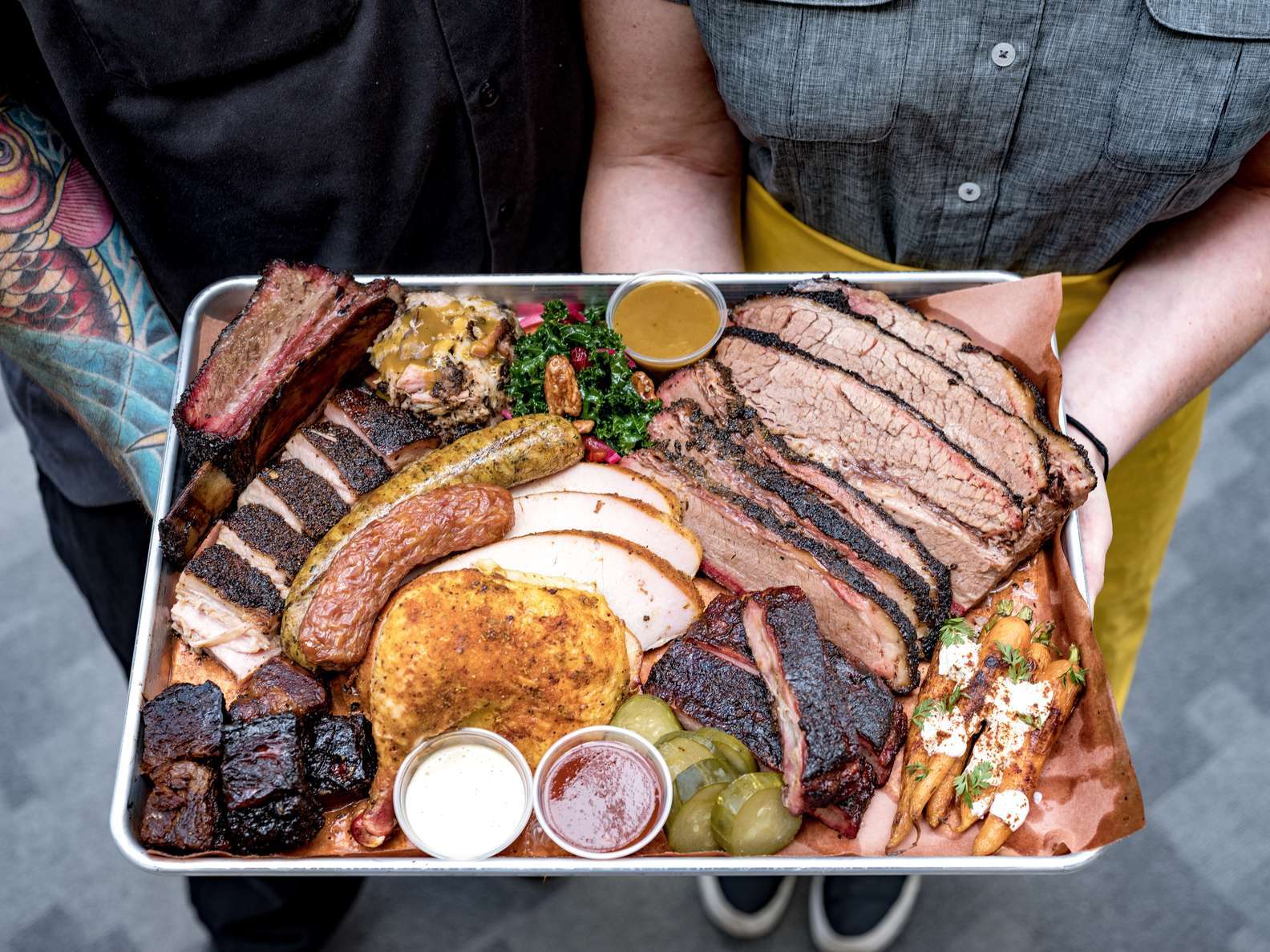
- For the Ultimate Beef Smokehouse Experience: Visit Central Texas and tour the traditional butcher-shop pits across Austin, Lockhart, and Taylor. Order central cuts like brisket (requesting a mix of flat and point), pork ribs, and coarse-ground beef sausage.
- For Home Smoking Success: Focus on temperature control over extra spices or sauces. Maintain steady smoker temperatures between 225°F and 250°F using clean-burning hardwood. Use a digital probe thermometer to track internal temperatures, wrap meat when the bark is set, and pull briskets or shoulders only when tender (typically around 202°F / 94°C).
- For Recreating Argentine Asado: Avoid cooking over active green flames. Burn wood down to clear, glowing embers before raking them beneath your cooking grate. Keep grill surface temperatures moderate so the fat renders gradually without flaring up, and season meat generously with coarse sea salt just before it hits the heat.
- Always Allow Adequate Rest Time: Never cut into large smoked meats directly off the fire. Rest smoked brisket or pork shoulder wrapped in butcher paper inside an insulated cooler for 1 to 4 hours. This lets internal pressure equalize, reabsorb juices, and cool meat fibers into a tender, succulent texture.
Image Gallery