Manufacturing Real Estate in 2026: The Ultimate Industrial Property Strategy
Manufacturing real estate sits at the intersection of supply chain resilience, advanced automation, and capital investment. As industrial operations evolve to meet modern demands, property acquisition, development, and portfolio manage...
Manufacturing real estate sits at the intersection of supply chain resilience, advanced automation, and capital investment. As industrial operations evolve to meet modern demands, property acquisition, development, and portfolio management require a sophisticated understanding of structural engineering, municipal zoning, and high-tech utility footprints. Navigating this sector successfully in 2026 demands strategic foresight, deep technical knowledge, and an eye on emerging trends like smart-factory integration and sustainable building practices.
Contents
Decoding the Modern Industrial Asset Class
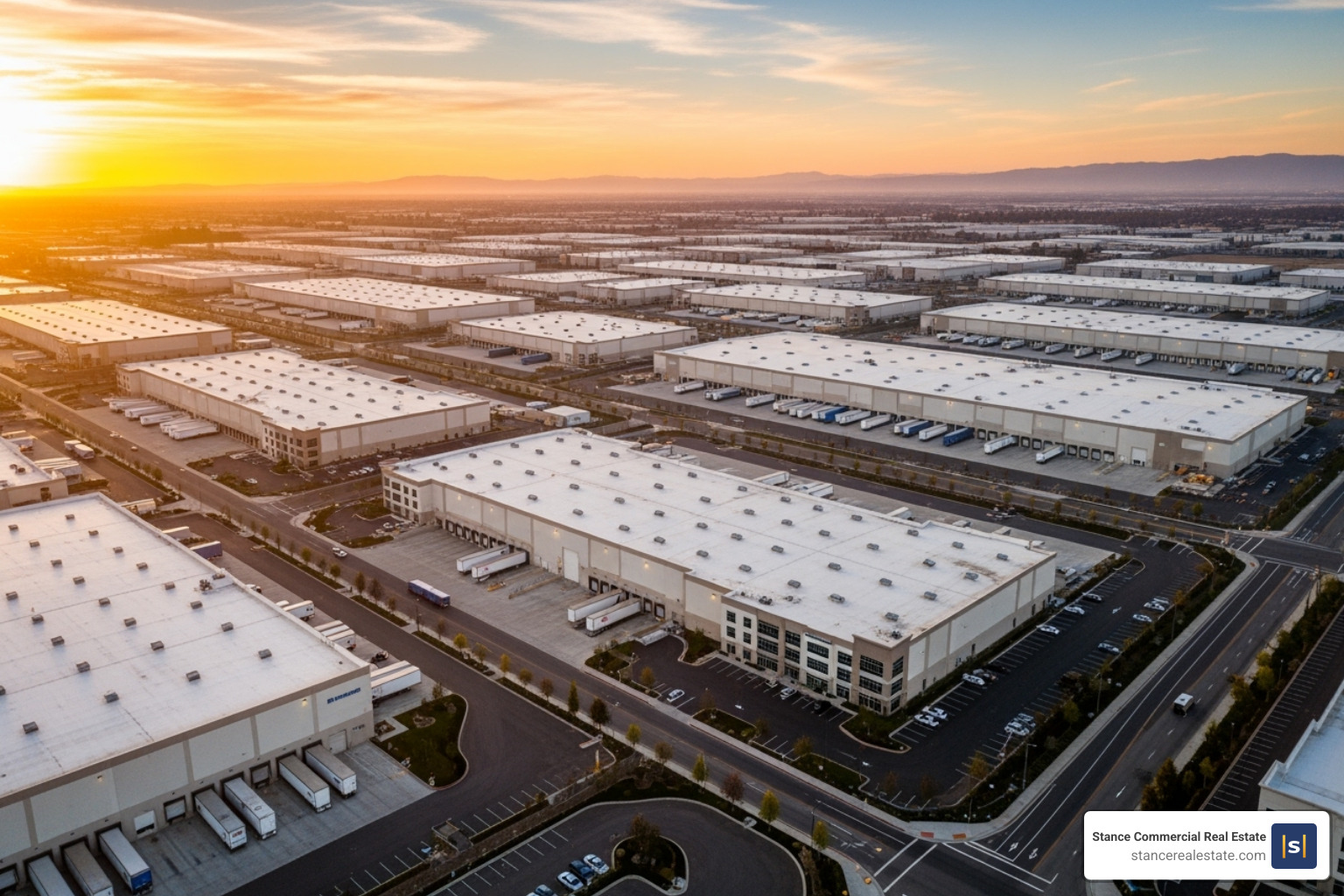
Industrial real estate tailored for manufacturing differs fundamentally from standard logistics and distribution warehouses. While distribution centers prioritize clear heights, cross-docking capabilities, and proximity to major highway interchanges, manufacturing facilities require heavy floor-load capacities, specialized electrical power distribution, and environmental compliance infrastructure.
Facility planners and corporate real estate directors must evaluate several core structural parameters before committing capital to a manufacturing site:
- Floor Slab Specifications: Heavy machinery requires reinforced concrete slabs, typically ranging from 8 to 12 inches thick with high PSI (pounds per square inch) ratings, often reinforced with structural steel fibers to prevent cracking under dynamic loads.
- Power and Utility Infrastructure: Modern automated plants demand robust electrical feeds, frequently exceeding 2,000 to 4,000 amps, alongside redundant power grids, high-pressure natural gas lines, and specialized process-water systems.
- Clear Heights and Crane-Ways: Unlike simple racking systems in warehouses, manufacturing plants often need overhead bridge cranes, requiring structural steel frames designed to support heavy live loads in motion.
- Zoning and Environmental Permitting: Heavy industrial (M-2) or specialized manufacturing zoning designations are mandatory, paired with thorough environmental impact assessments covering air emissions, wastewater discharge, and hazardous material storage.
Comparative Analysis: Manufacturing Real Estate vs. Standard Logistics Warehousing
Understanding the structural and financial divergences between manufacturing real estate and standard distribution assets is critical for portfolio diversification and risk management.
| Feature / Metric | Manufacturing Real Estate | Standard Logistics / Distribution Warehouses |
|---|---|---|
| Primary Function | Production, assembly, fabrication, and processing | Storage, sorting, staging, and fulfillment |
| Tenant Improvement (TI) Costs | Exceptionally high; customized for specialized equipment and production lines | Low to moderate; focused on racking, lighting, and office buildouts |
| Lease Structure | Typically long-term (10 to 20 years) with corporate guarantees | Shorter-term (3 to 7 years) with standard market escalations |
| Power Capacity | Heavy industrial multi-megawatt feeds with specialized step-down transformers | Standard commercial power feeds sufficient for lighting and basic HVAC |
| Cap Rate Sensitivity | Generally higher cap rates due to specialized asset liquidation risk | Compression-prone cap rates driven by high liquidity and broad tenant pools |
The 2026 Site Selection and Development Workflow
Executing a successful manufacturing real estate project requires a disciplined, multi-phase methodology. From initial feasibility studies to final commissioning, every step must account for current supply chain constraints, labor market access, and regulatory shifts.
- Macro and Micro Feasibility Analysis: Define operational requirements, including logistics radius, supplier clusters, and workforce demographics. Screen municipalities for tax incentives, Foreign Trade Zone (FTZ) status, and workforce training grants.
- Due Diligence and Environmental Site Assessment (ESA): Conduct Phase I and Phase II ESAs to uncover potential historical contamination. Evaluate geotechnical reports to verify soil bearing capacity and seismic zone requirements.
- Utility and Infrastructure Verification: Engage local utility providers early to confirm capacity for peak electrical loads, water supply, and telecommunications fiber redundancy. Delays in utility tie-ins represent the single largest bottleneck in modern industrial development.
- Zoning, Entitlements, and Public Hearings: Navigate local planning commissions for variances, conditional use permits (CUPs), and traffic impact analyses. Ensure community engagement aligns with local sustainability goals.
- Design, Engineering, and Construction Management: Implement Building Information Modeling (BIM) to optimize spatial layouts for machinery ergonomics, material flow, and future scalability. Enforce strict safety protocols during the buildout of heavy industrial foundations.
- Commissioning and Operational Handover: Execute integrated testing of MEP (mechanical, electrical, plumbing) systems, environmental controls, and life-safety networks prior to the installation of production lines.
Navigating Risks and Strategic Advantages
Investing in or leasing manufacturing real estate presents unique risk profiles that differ markedly from other commercial real estate sectors. Balancing these factors is essential for long-term portfolio health.
Strategic Advantages: Manufacturing facilities command sticky, long-term tenancies. Because tenants invest millions in custom equipment and plant buildouts, relocation costs are prohibitively high, resulting in exceptionally low tenant turnover and predictable cash flow streams for property owners.
Operational Risks: The specialized nature of manufacturing spaces can lead to extended dark periods if a tenant defaults. Re-leasing a facility equipped with heavy foundation pits, chemical containment zones, or specialized ventilation often requires significant capital expenditure to re-configure the space for a new industrial user.
Frequently Asked Questions
What differentiates manufacturing real estate from standard warehouse space?
Manufacturing real estate is engineered for production, featuring heavy-duty floor slabs, multi-megawatt power capacities, and specialized ventilation, whereas warehouses are optimized for storage and distribution. This specialized infrastructure allows plants to house heavy machinery and complex assembly lines safely.
How do utility requirements impact the site selection process?
Utility access dictates the feasibility of a manufacturing site because modern automated plants require massive electrical feeds, high-pressure gas, and robust water infrastructure. Inadequate local grid capacity can delay facility launch by years while expensive transmission upgrades are engineered and built.
What lease terms are typical for manufacturing real estate?
Manufacturing leases are typically structured as long-term Triple Net (NNN) agreements lasting 10 to 20 years with built-in rent escalations. These extended terms protect landlords from the high costs of tenant turnover and reflect the substantial capital investments tenants make in the physical structure.
Are environmental site assessments mandatory for industrial properties?
Phase I and Phase II Environmental Site Assessments are mandatory due diligence steps to identify potential historical contamination and limit liability under federal and state environmental cleanup laws. Uncovering environmental hazards early protects investors from unexpected remediation costs and regulatory penalties.
How are tenant improvements handled in manufacturing real estate?
Tenant improvements are frequently negotiated as a shared cost or funded via landlord allowances amortized over a long-term lease. Because manufacturing buildouts involve complex structural modifications, clear contractual agreements regarding who owns and maintains these improvements are vital.
Capitalizing on Your Industrial Portfolio Strategy
Securing the right manufacturing real estate asset requires deep technical expertise, rigorous due diligence, and alignment with modern industrial demands. Whether you are expanding a domestic production footprint, re-optimizing a regional supply chain, or evaluating industrial assets for institutional investment, strategic planning is your strongest competitive advantage. Partner with experienced industrial real estate advisors and technical engineers today to future-proof your manufacturing operations.
Image Gallery