How to Use Home Budget Categories for Effective Financial Control
Using home budget categories involves partitioning your total monthly income into specific "buckets" based on spending purpose, such as housing, transportation, food, and savings. By assigning every dollar to a category, you can monito...
Using home budget categories involves partitioning your total monthly income into specific "buckets" based on spending purpose, such as housing, transportation, food, and savings. By assigning every dollar to a category, you can monitor your cash flow, identify unnecessary expenditures, and ensure that your essential obligations are met before allocating funds toward discretionary desires or long-term financial goals.
Contents
The Role of Budget Categories in Personal Finance
A budget category acts as a label for your financial transactions. Instead of viewing your bank account balance as a single, ambiguous pool of money, categorization allows you to see exactly how much you have designated for specific needs. This granular approach provides clarity, allowing you to move from passive spending to active financial management. Without categories, you are more likely to overspend on non-essential items because you lack a clear signal of when a specific "bucket" has been depleted.
The primary goal of using these categories is to establish a framework for decision-making. When you know that your "Groceries" category is limited to a set amount, you become more mindful of food costs. When you understand how much of your income is consumed by fixed costs versus variable expenses, you gain the ability to adjust your behavior to reach financial objectives, such as saving for an emergency fund or reducing high-interest debt.
Determining Your Core Budget Structure
To effectively use home budget categories, you must first establish a structure that reflects your unique financial situation. Most financial frameworks rely on a distinction between fixed and variable expenses.
- Fixed Expenses: These are recurring costs that remain largely the same each month, such as rent or mortgage payments, insurance premiums, and subscription services. These are the "must-pays."
- Variable Expenses: These costs fluctuate based on usage or choice, including grocery bills, utility costs, entertainment, and dining out. These offer the most flexibility for budget adjustments.
- Savings and Debt Repayment: This category should be treated as a fixed expense. By prioritizing your future self and debt reduction early in the month, you ensure these vital areas receive funding.
Step-by-Step Guide to Implementing Categories
Implementing a system requires consistency and a commitment to reviewing your data. Follow these steps to set up and maintain your categories.
1. Audit Your Previous Three Months of Spending
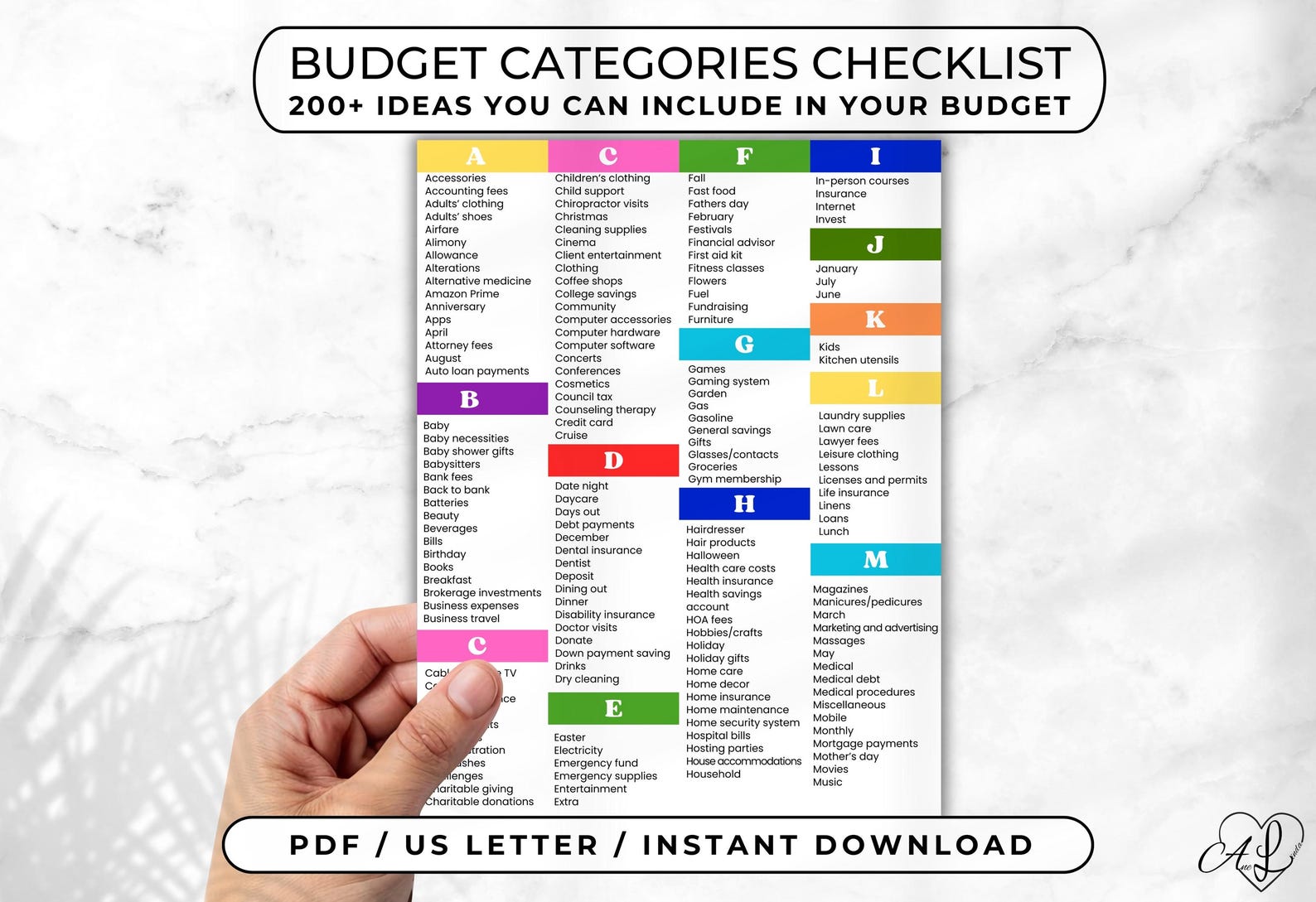
Before creating your categories, look at your bank and credit card statements from the past 90 days. Group your past transactions into broad themes. If you notice you spend a significant amount on "Convenience Food," create a category specifically for that to keep it distinct from your "Groceries" or "Household Staples" categories.
2. Create Your Budget Outline
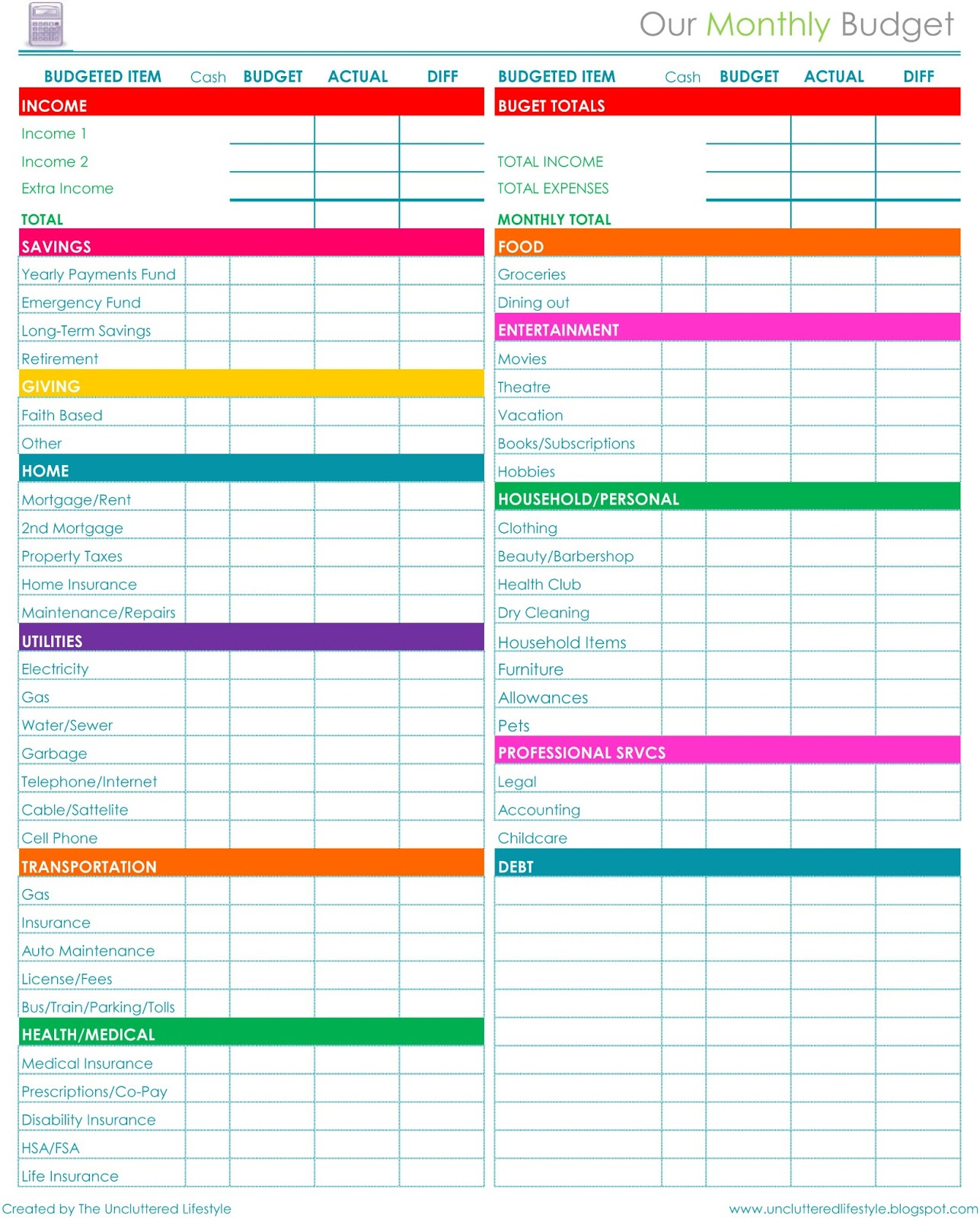
Use a spreadsheet or a personal finance application to list your categories. A common starting point is the 50/30/20 rule, which suggests allocating 50% of your net income to needs, 30% to wants, and 20% to savings or debt repayment. Customize these categories to fit your lifestyle, but ensure every dollar has a home.
3. Assign Limits to Each Category
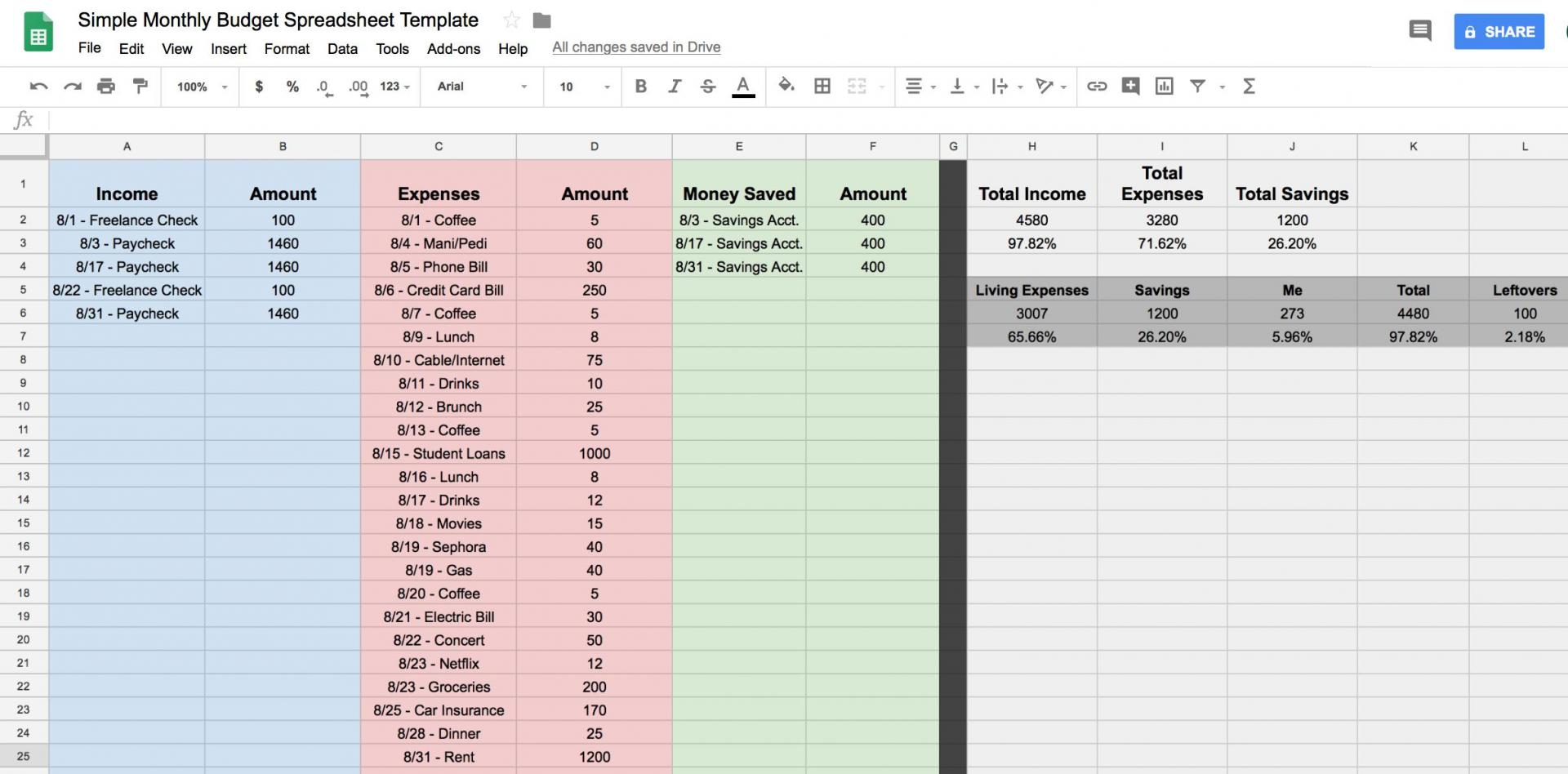
Assign a monetary value to each category based on your income and financial goals. If your total income is $4,000, and you allocate $1,200 to housing, ensure that sum is subtracted from your total before you assign values to the remaining categories.
4. Track Transactions Weekly
The most common point of failure is "set it and forget it." Spend 15 minutes once a week reviewing your transactions. Assign every purchase to the appropriate category. If you find you have spent more than the allocated limit in a category, you must move money from a "wants" category to cover the deficit.
Comparison of Budgeting Methodologies
| Methodology | Best For | Primary Focus |
|---|---|---|
| Zero-Based Budgeting | High-detail managers | Every dollar has a specific assignment |
| 50/30/20 Rule | Beginners | Simple percentage-based allocation |
| Pay Yourself First | Goal-oriented savers | Prioritizing savings before spending |
| Envelope System | Cash-based spenders | Physical or digital limits on spending |
Common Pitfalls and How to Avoid Them
Even with a well-designed system, several common errors can undermine your progress.
Over-complicating the Categories: It is tempting to create dozens of specific categories (e.g., "Morning Coffee," "Afternoon Snacks," "Late-night Treats"). This often leads to "category fatigue," where tracking becomes so tedious that you abandon the budget entirely. Stick to broader categories like "Dining Out" or "Personal Spending" until you have mastered the basics.
Ignoring Infrequent Expenses: Many people fail to budget for annual or quarterly expenses, such as car registration, insurance renewals, or holiday gifts. These are not "unexpected" expenses; they are predictable but infrequent. Calculate the annual total for these items, divide by 12, and set aside that amount monthly into a "Sinking Fund" category.
Rigidity: A budget is a living document, not a prison. If your utility bill is higher than expected during an extreme summer or winter, you may need to adjust other categories to compensate. Being flexible with your allocations prevents the feeling of failure that often comes when a rigid plan encounters reality.
Utilizing Digital Tools vs. Manual Methods
In 2026, technology offers significant advantages for those tracking budget categories. Many mobile applications connect directly to your financial institutions, automatically categorizing transactions using machine learning. This reduces the manual labor involved in bookkeeping. However, some individuals find that manual tracking—such as writing transactions in a ledger or entering them into a spreadsheet—creates a "pain of paying" that is psychologically effective at curbing impulsive spending. Choose the method that you are most likely to maintain consistently.
Frequently Asked Questions
How many budget categories should I have? Most people find that 10 to 15 categories provide a balance between detail and simplicity. If you have too few, you won't be able to identify spending patterns; if you have too many, you will lose motivation to track them accurately.
What should I do if I overspend in one category? Overspending happens. You should immediately "roll with the punches" by moving money from another category with a surplus, such as a discretionary or "entertainment" category. If you consistently overspend in a specific area, it is a sign that your allocated limit for that category is unrealistic.
Are savings and debt payments considered categories? Yes, they should be treated as high-priority categories. By labeling them as "Bills" or "Non-negotiables," you treat them with the same importance as your rent or utility payments, ensuring you don't inadvertently spend money that was meant for your future.
How often should I review my budget categories? You should review your spending weekly to keep categories balanced. Once every three to six months, perform a "budget audit" to see if your life circumstances have changed and if your category limits need to be adjusted permanently.
What is the best way to handle "miscellaneous" spending? Avoid using a "miscellaneous" category if possible, as it often becomes a catch-all for bad spending habits. If you find yourself frequently using it, investigate the transactions and create a specific category for those items.
Next Steps for Financial Health
To begin, take your most recent bank statement and draft your category list on a single sheet of paper or a digital spreadsheet. Total your fixed expenses first, then calculate your remaining disposable income. Assign the remainder to savings, debt repayment, and variable categories. Commit to tracking your spending for the next 30 days. By the end of the month, you will have a clear, data-driven view of your financial life, allowing you to make informed adjustments rather than guessing where your money went.
Image Gallery