How Much Does a Small Business Lawyer Cost in 2026?
Small business legal fees typically range from $150 to $500 per hour, depending on the firm's location, the lawyer’s experience, and the complexity of the matter. Many attorneys also offer flat-fee packages for routine services like bu...
Small business legal fees typically range from $150 to $500 per hour, depending on the firm's location, the lawyer’s experience, and the complexity of the matter. Many attorneys also offer flat-fee packages for routine services like business entity formation or contract drafting, which can provide more budget predictability for startups and growing companies.
Contents
Understanding the Cost Structure of Legal Services
When seeking legal counsel for your business, the first step is understanding how firms bill for their time. Legal billing is rarely a "one-size-fits-all" scenario. Most small business lawyers operate under one of three primary compensation models: hourly billing, flat-fee arrangements, or, in limited cases, retainer-based systems.
Hourly Billing
The most traditional method is the hourly rate. In 2026, you will find that rates vary drastically based on geography. An attorney practicing in a major financial hub like New York City or San Francisco will command significantly higher rates than one in a suburban or rural setting. Furthermore, hourly billing is typically reserved for ongoing advisory work, litigation, or complex negotiations where the duration of the task is difficult to predict at the outset.
Flat-Fee Services
Many small business owners prefer flat fees because they eliminate the anxiety of "billable hours" ticking away during a phone call. Common tasks suitable for flat-fee pricing include:
- Articles of Incorporation or Organization filing.
- Drafting standard Operating Agreements or Bylaws.
- Reviewing simple vendor contracts or non-disclosure agreements (NDAs).
- Trademark registration filings.
Retainer Agreements
Some businesses opt for an "outside general counsel" model. In this arrangement, you pay a monthly retainer fee to have an attorney on call. This ensures your legal counsel knows the history of your business and can provide faster, more proactive advice rather than reacting only when a crisis occurs.
Factors Influencing Total Legal Costs
It is a common misconception that the hourly rate is the only cost you need to manage. When evaluating the total price of legal representation, you must account for several variables that inflate the final invoice.
Experience and Specialization: A partner at a large firm who specializes in intellectual property (IP) litigation will naturally cost more than a generalist attorney helping you with basic municipal permits. You pay for the scarcity of their expertise.
Overhead and Administrative Costs: Many firms pass on costs for paralegal time, document filing fees, courier services, and legal research database access. Always ask for a breakdown of these "costs of doing business" before you sign an engagement letter.
Complexity of the Legal Issue: A straightforward business formation is a templated process. However, if your business has multiple founders with differing equity expectations or complex intellectual property rights, the time required for drafting and revising legal documents increases exponentially.
Cost Comparison by Service Type
The following table provides a general estimation of the costs associated with common small business legal needs in 2026. Note that these figures are representative averages and do not constitute a quote from a specific firm.
| Service Type | Typical Billing Model | Estimated Price Range |
|---|---|---|
| Business Formation (LLC/Corp) | Flat Fee | $800 – $2,500 |
| Contract Drafting/Review | Hourly or Flat Fee | $300 – $1,500 per doc |
| Trademark Registration | Flat Fee (plus filing fees) | $1,000 – $3,000 |
| Employment Agreement | Flat Fee | $500 – $1,200 |
| Ongoing General Counsel | Monthly Retainer | $1,000 – $3,000/mo |
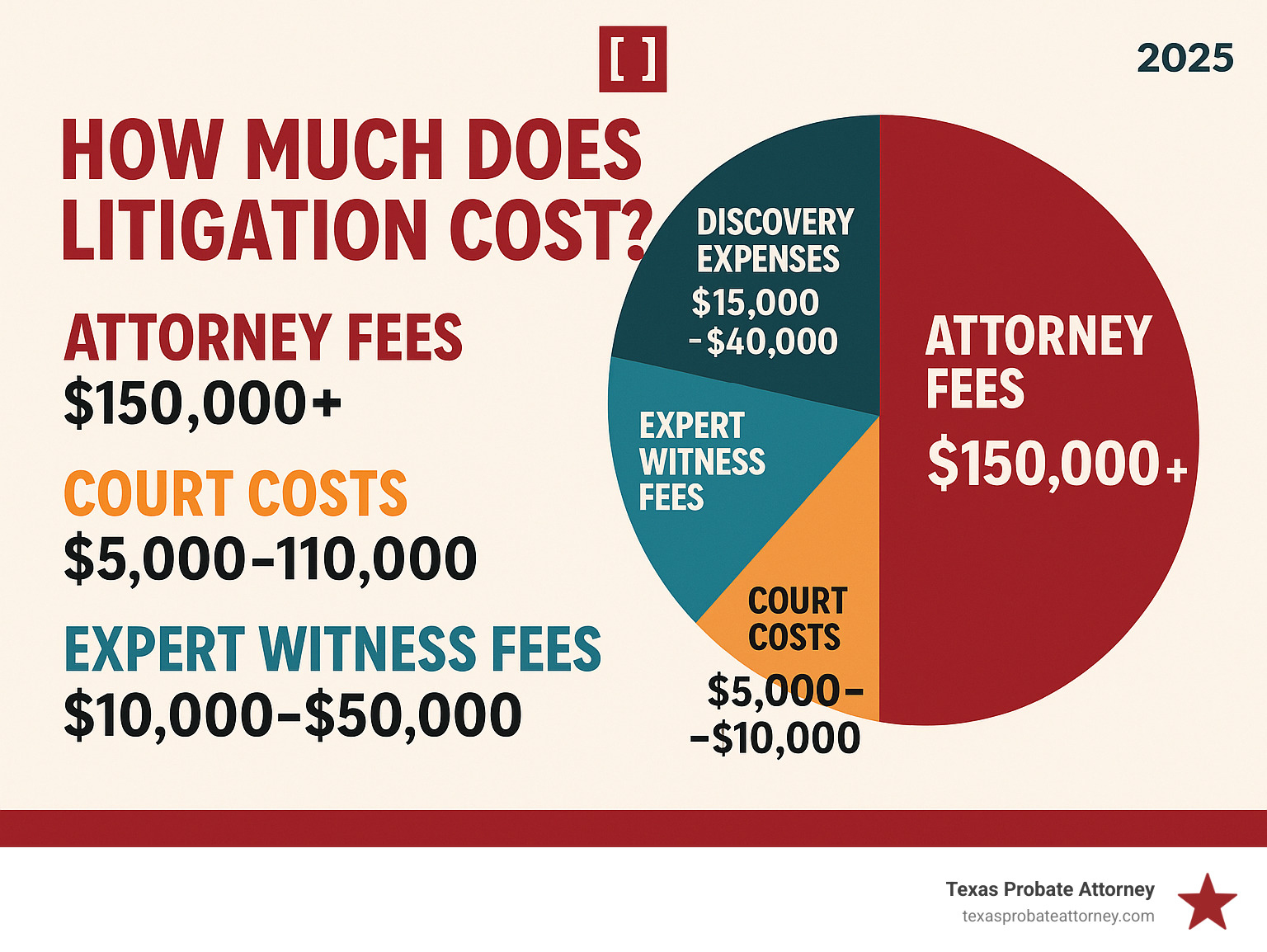
| Litigation/Dispute Resolution | Hourly | $250 – $600+ per hour |
How to Manage and Reduce Legal Expenses
Legal fees can quickly drain a bootstrap budget if left unmanaged. As a business owner, you are the project manager of your legal affairs. Efficiency in how you interact with your attorney will result in lower invoices.
Organize Your Documentation
Never pay an attorney $400 an hour to organize your disorganized files. Before meeting with your lawyer, prepare a clean, digital folder containing all relevant documents, timelines, and past correspondence. The less time they spend hunting for facts, the less you pay for their time.
Be Concise and Prepared
Treat your legal time as a highly expensive consultation. Prepare a list of specific, numbered questions before a scheduled call. Avoid using your lawyer as a sounding board for general business strategy unless they are explicitly acting as a business consultant.
Utilize Legal Templates for Routine Tasks
For simple matters like basic NDAs or standard client service agreements, consider using reputable legal templates as a starting point. Ask your lawyer to "review and customize" the document rather than "draft from scratch." This approach can save thousands of dollars in billable hours.
Identifying When You Need Expert Help
While self-service legal platforms exist, they are often insufficient for complex business structures. You should prioritize hiring a lawyer when:
- Multiple Owners Exist: Disputes between co-founders are the number one cause of startup failure. An attorney is essential for drafting a robust Shareholders' Agreement or Operating Agreement.
- Regulatory Compliance: If your business is in a highly regulated industry (e.g., finance, healthcare, or food service), the cost of a compliance error far outweighs the cost of hiring an expert.
- High-Value Contracts: If you are signing a commercial lease for five years or entering into a high-stakes partnership, the risk of a "bad" contract is too high to handle without counsel.
Frequently Asked Questions
Does the initial consultation cost money? Many small business attorneys offer a free 15- to 30-minute introductory call to determine if your needs align with their practice. However, expect to pay for a formal "consultation" where you seek actual legal advice or strategy. Always clarify the policy before the call begins.
Are government filing fees included in my lawyer's bill? Generally, no. State filing fees for LLCs, corporations, or trademarks are hard costs paid directly to the government. Most lawyers will invoice these as "disbursements" and ask for payment upfront to cover the expense.
Why are quotes so different between two law firms? Different firms have different overhead models. A solo practitioner with a home office has much lower operating costs than a firm in a downtown high-rise with a large support staff. Higher fees do not always equate to better legal outcomes, but they often reflect the firm’s level of service and availability.
What should I look for in an engagement letter? An engagement letter is your legal contract with the lawyer. It should clearly define the scope of work, the billing rate or flat fee, the payment terms, and how the firm handles client funds. If a firm refuses to provide a written agreement, do not hire them.
Can I fire my lawyer if costs get out of control? Yes. You have the right to terminate the relationship at any time. However, you are still responsible for paying for all work completed up to the date of termination. If you feel the fees are unreasonable, you can request an itemized statement and, in some cases, dispute the bill through your local bar association’s fee dispute program.
Final Recommendation
To start your journey, identify the immediate legal hurdles your business faces. Create a list of the documents you need or the disputes you must resolve. Once your list is ready, reach out to three different attorneys in your area. Request a brief introductory call to discuss their fee structure and experience with your specific industry. By comparing their responses and ensuring you are organized before they begin work, you can secure high-quality legal protection without compromising your business's financial health.
Image Gallery