Identifying the Most Sued Life Insurance Company in the United States
While the title of "most sued" often shifts based on current class-action litigation and market share, Lincoln National Life Insurance Company and Transamerica are frequently identified as having high litigation profiles relative to th...
While the title of "most sued" often shifts based on current class-action litigation and market share, Lincoln National Life Insurance Company and Transamerica are frequently identified as having high litigation profiles relative to their size. However, the sheer volume of lawsuits often correlates directly with market share, meaning industry giants like MetLife and Prudential handle the highest raw number of legal filings, even if their complaint ratios are lower than smaller competitors.
Contents
In the complex landscape of American insurance, litigation is rarely a simple indicator of quality. To understand which companies are the "most sued," one must distinguish between administrative complaints, individual breach of contract lawsuits, and massive class-action settlements. As of 2026, the life insurance industry continues to grapple with the fallout of "Cost of Insurance" (COI) adjustments and beneficiary disputes that have kept several major carriers in the courtroom for years.
The Correlation Between Market Share and Litigation Volume
In the United States, the most sued life insurance companies are almost always the largest ones. This is a matter of statistical probability: a company with 10 million policyholders will naturally face more legal challenges than a boutique firm with 50,000 policyholders. For this reason, legal experts and financial analysts rarely look at total lawsuit counts in isolation.
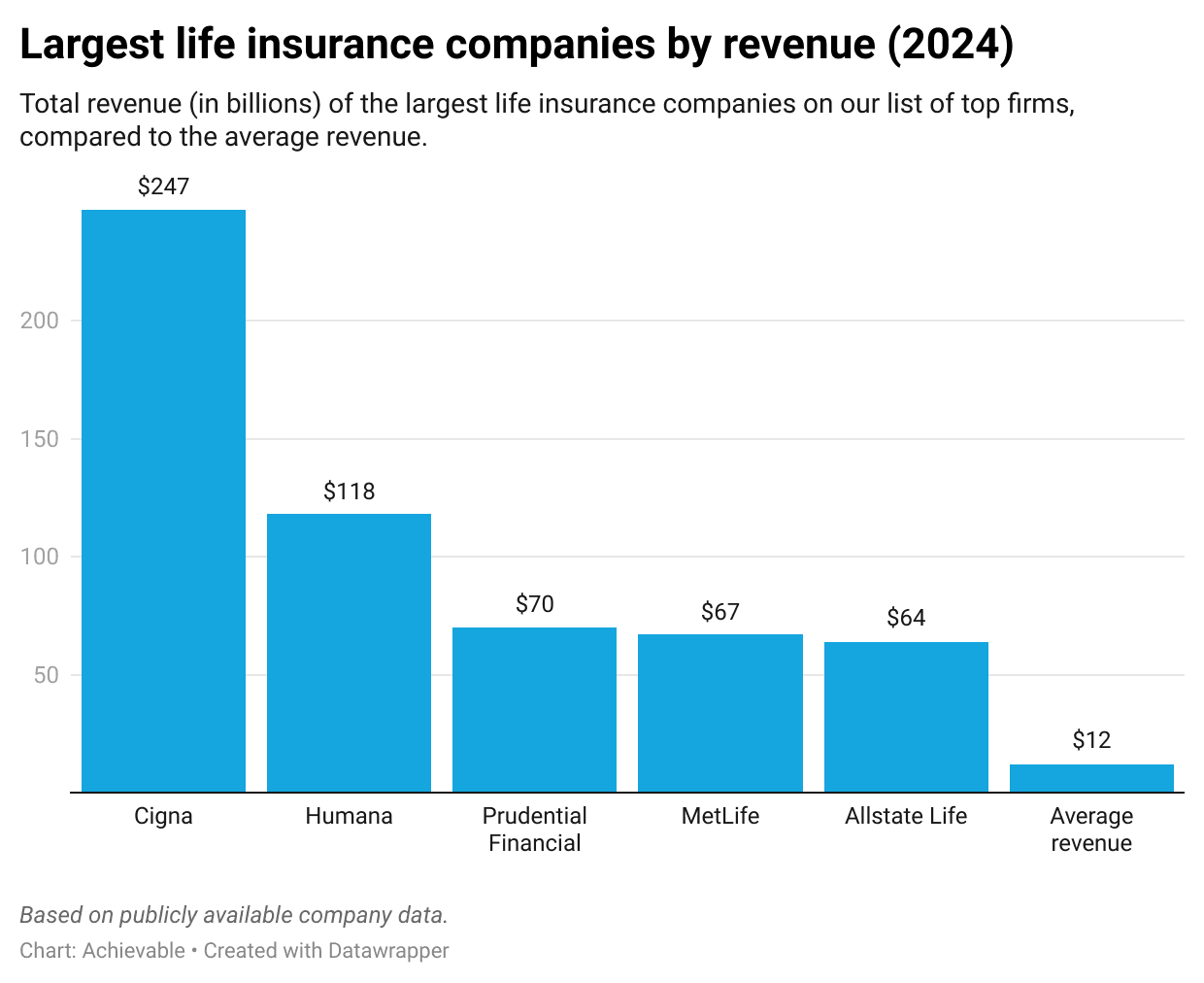
Companies like MetLife (Metropolitan Life Insurance Company) and Prudential Financial consistently rank at the top for total legal filings. These entities operate in multiple jurisdictions and handle everything from individual term life policies to massive corporate pension transfers. Most lawsuits against these giants involve "routine" disputes over beneficiary designations or accidental death exclusions.
However, the "most sued" label takes on a different meaning when focusing on class-action litigation. A class action occurs when a single legal issue—such as an illegal premium hike—affects thousands of policyholders simultaneously. In these instances, companies like Lincoln National, Transamerica, and AXA (now Equitable) have historically faced more significant, high-stakes litigation than their peers.
Key Indicators: The NAIC Complaint Index
To determine which companies are struggling with consumer dissatisfaction and potential legal exposure, the National Association of Insurance Commissioners (NAIC) provides the Complaint Index. This index is a more reliable metric than raw lawsuit counts because it adjusts for a company’s market share.
An index of 1.00 is the national average. A score of 2.00 means the company receives twice as many complaints as expected for its size, while a 0.50 means it receives half the expected amount.
High-Profile Carriers and Their Legal Trends
Based on data leading into 2026, several companies have maintained high profiles in the legal system:
- Lincoln National Life Insurance Company: Lincoln has faced persistent litigation regarding its "universal life" products. Many of these lawsuits allege that the company unfairly increased the "Cost of Insurance" (COI) charges to force elderly policyholders to drop their coverage.
- Transamerica (Aegon): Similar to Lincoln, Transamerica has been a frequent target of class-action suits concerning premium increases. In several landmark cases, the company was forced to settle for hundreds of millions of dollars after policyholders argued that the rate hikes were not supported by the underlying actuarial data.
- Northwestern Mutual: While generally possessing a strong reputation, this company has faced "bad faith" litigation concerning how it calculates dividends and handles disability riders attached to life insurance policies.
- State Farm: Although primarily known for P&C insurance, State Farm's life insurance arm has faced scrutiny and litigation over the transparency of its universal life policy fees.
Common Grounds for Life Insurance Lawsuits
Understanding why these companies are sued provides better insight than simply knowing who is sued. Most litigation in the life insurance sector falls into four primary categories:
1. Cost of Insurance (COI) Increases
This is arguably the most litigated area in 2026. Universal Life (UL) policies allow companies to adjust the internal costs of the policy based on various factors. However, several carriers have been accused of raising these costs not because of increased mortality risks, but to recoup corporate losses or improve profit margins. When these costs rise, the cash value of the policy is depleted, often leading to a "lapse" where the policyholder loses everything.
2. Bad Faith Denials
"Bad faith" is a legal term indicating that an insurance company failed to fulfill its fiduciary duty to the policyholder. This includes:
- Undue Delays: Failing to pay a claim within a reasonable timeframe (usually 30–60 days).
- Inadequate Investigation: Denying a claim without performing a thorough review of the medical records or the circumstances of death.
- Misrepresentation: Purposely misinterpreting policy language to avoid payment.
3. Material Misrepresentation Disputes
Many lawsuits arise during the "contestability period"—the first two years of a policy. If a policyholder dies within this window, the insurer will comb through the original application for any errors. If they find an undisclosed medical condition, they may deny the claim. Lawsuits often follow when the beneficiary argues that the "error" was minor, unintentional, or unrelated to the cause of death.
4. Accidental Death and Dismemberment (AD&D) Exclusions
AD&D policies are notorious for litigation. Insurers often deny these claims by citing exclusions like "death by sickness," "medical malpractice," or "toxicology results." For example, if a policyholder dies in a car accident but had a small amount of a prescribed sedative in their system, the insurer might argue the death was not purely "accidental."
Comparing Litigation Risk Among Top Carriers (2026 Data)
The following table compares major US life insurers based on their historical litigation frequency and the nature of the most common legal challenges they face.
| Company Name | Primary Litigation Type | Relative Complaint Frequency | Notable Legal History |
|---|---|---|---|
| Lincoln National | COI & Universal Life Fees | High | Multiple multi-million dollar class-action settlements. |
| Transamerica | Premium Increases & Lapses | High | Significant history of "Cost of Insurance" litigation. |
| MetLife | Beneficiary & ERISA Disputes | Moderate (Scale adjusted) | Frequently sued due to massive market share. |
| Prudential | Group Life & AD&D Denials | Moderate | High volume of ERISA-related workplace policy suits. |
| New York Life | Individual Policy Performance | Low | Generally low litigation rates relative to size. |
| Northwestern Mutual | Dividend Calculation Disputes | Low/Moderate | Rare class actions but frequent individual disputes. |
Legal Frameworks: ERISA vs. Private Lawsuits
A critical factor in how "sued" a company appears is the legal framework governing the policy.
ERISA Policies: If a life insurance policy was obtained through an employer, it is likely governed by the Employee Retirement Income Security Act (ERISA). ERISA is a federal law that heavily favors insurance companies. In ERISA cases, there is no jury trial, and you cannot sue for "punitive damages" or "bad faith." Because these cases are harder for plaintiffs to win, insurers like Prudential and MetLife—which dominate the employer-sponsored market—may have many filings that are dismissed or settled for small amounts.
Private (Non-ERISA) Policies: Policies purchased directly by individuals are governed by State Law. These laws often allow for "Bad Faith" claims, which can result in massive payouts exceeding the policy’s face value. Companies like Transamerica or State Farm, which sell more individual policies, are more vulnerable to high-value lawsuits in state courts.
How to Research a Company’s Legal Standing
If you are considering a policy or are currently in a dispute, you should perform your own due diligence using official records rather than hearsay.
- Check the NAIC Consumer Insurance Search Tool: This tool allows you to look up any company and see their complaint ratio for the last three years. Focus on the "Life" category specifically.
- Review AM Best Ratings: While AM Best rates financial stability, they also provide commentary on "litigation reserves." If a company is setting aside billions for legal settlements, AM Best will often note this in their reports.
- Search Federal Court Records (PACER): For a small fee, you can search the Public Access to Court Electronic Records (PACER) system to see how many federal lawsuits have been filed against a specific carrier in the last 12 months.
- State Department of Insurance (DOI): Every state has a DOI. You can check their annual reports to see if a specific company has been fined or "censured" for systemic claims-handling violations in your state.
Frequently Asked Questions
Does a high number of lawsuits mean a company won't pay my claim?
Not necessarily. Most lawsuits are concentrated in "Universal Life" and "Variable Life" products where premiums are flexible. If you have a standard Term Life or Whole Life policy, the contract terms are much more rigid, and the likelihood of a legal dispute is significantly lower.
Which company has the lowest complaint ratio?
Historically, New York Life, MassMutual, and Guardian have maintained some of the lowest complaint ratios among the major "Mutual" companies. Mutual companies are owned by policyholders rather than shareholders, which sometimes aligns their interests more closely with the insured.
Can I sue a life insurance company for taking too long to pay?
Yes. Most states have "Prompt Pay" laws. If an insurer does not pay within 30 to 60 days of receiving a valid death certificate and claim form, they are often required to pay interest on the death benefit. If the delay is unreasonable, you may have grounds for a bad faith lawsuit.
What is the "Contestability Period" in litigation?
The contestability period is a two-year window from the policy’s start date. If the insured dies within this time, the company has the legal right to investigate the application for fraud. This is the period when the most "Individual Breach of Contract" lawsuits occur.
Are class-action lawsuits better for policyholders than individual suits?
Class-action lawsuits are efficient for systemic issues (like an illegal fee), but they often result in smaller individual payouts. If a company has specifically denied your $500,000 claim in bad faith, an individual lawsuit is usually the better path to recover the full benefit and potential damages.
Practical Recommendation: Protecting Your Beneficiaries
When selecting an insurer, avoid choosing based solely on the lowest premium. High litigation rates are often a byproduct of "aggressive" actuarial practices designed to keep initial premiums low.
Next Steps:
- Prioritize Mutual Companies: Look for insurers with high financial strength ratings (A+ or higher) and a "Mutual" ownership structure.
- Verify the NAIC Index: Ensure the company you choose has an index score below 1.50.
- Review Policy Type: If you are buying Universal Life, ask for a "guaranteed" cost-of-insurance rider to prevent the company from raising fees later.
- Consult Legal Counsel: If a claim is denied, do not simply accept the denial letter. Consult an attorney specializing in Life Insurance Bad Faith or ERISA to review the company’s justification.
Image Gallery