Navigating the Best Car Insurance in Los Angeles for 2026
Finding the best car insurance in Los Angeles requires balancing high coverage limits against the city's notoriously steep premiums. For 2026, providers like Wawanesa, Geico, and State Farm consistently rank as top choices due to their...
Finding the best car insurance in Los Angeles requires balancing high coverage limits against the city's notoriously steep premiums. For 2026, providers like Wawanesa, Geico, and State Farm consistently rank as top choices due to their competitive rates and robust digital claim tools. However, the "best" policy depends on your specific zip code, driving history, and vehicle type.
Contents
Los Angeles presents a unique challenge for motorists. With some of the most congested freeways in the world and a high cost of living, insurance premiums in the Southland often exceed state and national averages. Navigating this market in 2026 involves understanding California’s specific regulatory environment, the current state of "usage-based" insurance, and how to protect yourself against the high rate of uninsured motorists in the metro area.
The State of Los Angeles Car Insurance in 2026
As of 2026, the California insurance market has reached a point of stabilization following several years of significant rate adjustments. For Los Angeles drivers, this means that while prices remain high, availability has improved. Several major carriers that previously restricted new policies in the state have returned with updated underwriting models that prioritize driver safety and technological integration.
The average cost of full coverage insurance in Los Angeles now frequently exceeds $3,000 per year for a standard driver. This "LA Tax" is driven by three primary factors:
- Traffic Density: The sheer volume of vehicles on the 405, 101, and 10 freeways increases the statistical probability of collisions.
- Repair Costs: Los Angeles has some of the highest labor rates for automotive repair in the country, particularly for electric vehicles (EVs) and luxury brands common in the region.
- Litigation Trends: Los Angeles County sees a high volume of personal injury lawsuits, which forces insurers to raise premiums to cover potential legal settlements.
Mandatory Coverage vs. Recommended Limits in California
In California, drivers are legally required to carry minimum liability insurance. However, in a city like Los Angeles, carrying only the state minimum is often considered a significant financial risk.
California Minimum Requirements
The state mandated minimums (often referred to as 15/30/5) include:
- $15,000 for injury/death to one person.
- $30,000 for injury/death to more than one person.
- $5,000 for damage to property.
Why Minimums Are Insufficient for LA
In 2026, a $5,000 property damage limit is dangerously low. If you are at fault in a collision with a newer vehicle—or worse, a luxury car in areas like Beverly Hills or Santa Monica—the repair costs will likely exceed $5,000 within minutes of a mechanic's assessment. You would be personally liable for the remaining balance.
Experts recommend a minimum of 100/300/50 for most Los Angeles residents. This provides $100,000 in bodily injury per person, $300,000 per accident, and $50,000 in property damage. Given the density of high-value vehicles in the city, this increased protection is a foundational element of the "best" insurance policy.
Top Providers for Los Angeles Drivers in 2026
Choosing a provider in Los Angeles requires looking beyond the monthly premium. You must consider their claims handling efficiency in a high-traffic environment and their financial stability.
| Provider | Best For | Key Feature | 2026 Market Strength |
|---|---|---|---|
| Wawanesa | Good Drivers | Low premiums for clean records | High customer loyalty in CA |
| Geico | Tech-Savvy Drivers | Excellent mobile app/claims | Competitive for urban commuters |
| State Farm | Personal Service | Large local agent network | Strongest financial reserves |
| Mercury | Value Seekers | California-centric underwriting | Deep local knowledge of LA risks |
| Progressive | High-Risk Drivers | Competitive rates after an accident | Robust "Snapshot" telematics |
Wawanesa: The Choice for Clean Records
Wawanesa has long been a favorite for Southern California drivers. They maintain a selective underwriting process, which allows them to offer lower rates to those with pristine driving records. In 2026, they remain a top contender for LA residents who have avoided tickets and accidents over the last three to five years.
Geico and Progressive: The Digital Leaders
For the commuter who spends hours on the 110 freeway, the ability to manage a policy and file a claim via a smartphone is essential. Geico and Progressive lead the market in 2026 with AI-driven claims processing that can often provide repair estimates based on photos uploaded directly from the accident scene.
Mercury Insurance: The Local Expert
Based in California, Mercury understands the nuances of Los Angeles zip codes better than many national carriers. They often provide competitive rates for "middle-market" drivers who need more than the minimums but aren't looking for specialized luxury coverage.
Factors Influencing Your Los Angeles Premiums
Under California's Proposition 103, insurance companies are limited in how they can set rates. Unlike some other states, California prohibits the use of credit scores to determine your premium. Instead, rates are primarily driven by:
- Your Driving Record: This is the single most important factor. A single at-fault accident or speeding ticket in Los Angeles can increase premiums by 30% or more.
- Annual Mileage: If you live in Silver Lake but commute to Irvine, your high mileage will lead to higher rates. Conversely, Los Angeles residents who use the Metro or work from home can qualify for significant low-mileage discounts.
- Years of Driving Experience: Newer drivers, regardless of age, face higher premiums in the complex driving environment of Los Angeles.
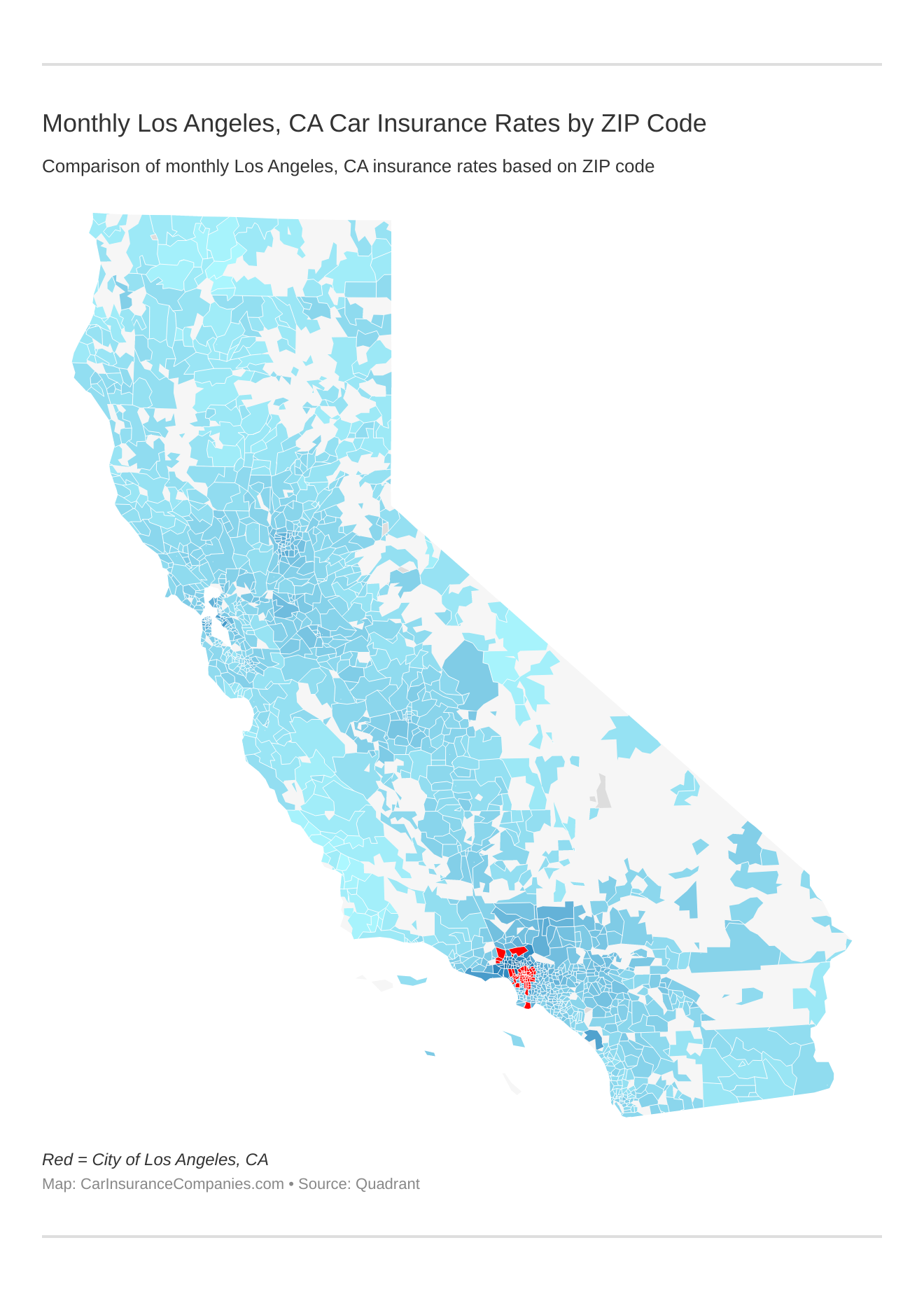
- Zip Code: Within the city of Los Angeles, rates vary wildly. A driver in Glendale or West Hollywood may pay significantly more than a driver in a more suburban part of the San Fernando Valley due to localized theft and accident data.
Strategies to Lower Your Car Insurance Costs
Even with high regional costs, there are several ways to secure the best possible rate in 2026.
Telematics and Usage-Based Insurance (UBI)
By 2026, telematics programs have become a standard offering. By allowing an insurer to track your driving habits—such as braking intensity, speed, and time of day—drivers can earn discounts of up to 25%. For those who avoid late-night driving and stay off the freeways during peak congestion, this is the most effective way to lower a bill.
Bundling and Multi-Policy Discounts
Combining your auto insurance with a renters or homeowners policy remains one of the most reliable ways to save. In California's 2026 market, insurers are eager to retain "total household" customers and offer deep discounts for bundled services.
Professional and Academic Discounts
Many insurers offer lower rates to members of specific professions common in Los Angeles, including educators, engineers, scientists, and members of the entertainment unions (such as SAG-AFTRA or the DGA). Additionally, students with a B-average or higher can significantly reduce the cost of insuring a young driver.
Navigating Claims in a High-Traffic Metro
The "best" insurance is only as good as its performance during a claim. In Los Angeles, the claims process is often slowed by the sheer volume of accidents.
When choosing a policy, investigate the insurer’s Direct Repair Program (DRP). Most major insurers in 2026 have partnerships with specific body shops across the Los Angeles Basin. Using a DRP shop often comes with a lifetime guarantee on repairs and faster processing, as the shop and the insurer share integrated software for estimates and payments.
Furthermore, ensure your policy includes Uninsured/Underinsured Motorist Coverage (UM/UIM). Despite legal requirements, a significant percentage of drivers in Los Angeles County remain uninsured. If you are hit by an uninsured driver on a city street, UM/UIM coverage ensures that your own insurance company pays for your medical bills and property damage.
Frequently Asked Questions
Does my credit score affect my car insurance rate in Los Angeles?
No. Under California law, insurance companies are prohibited from using your credit history or credit score to determine your auto insurance premiums. Your rate is based primarily on your driving record, miles driven, and years of experience.
How does the California Low Cost Auto Insurance Program work?
The California Low Cost Auto Insurance Program (CLCA) is a state-sponsored program designed to provide affordable liability insurance to low-income residents who meet specific eligibility requirements. While it provides less coverage than a standard policy, it allows high-risk or low-income drivers to stay legal on the road.
Why is car insurance in Los Angeles more expensive than in San Diego or San Francisco?
Los Angeles typically has higher rates due to the extreme traffic density of the LA Basin, higher rates of vehicle theft, and a more litigious environment regarding personal injury claims. The sheer size of the "commute culture" in LA leads to a higher frequency of claims compared to cities with more robust public transit.
Is "Gap Insurance" necessary for Los Angeles drivers?
If you are financing or leasing a new vehicle, Gap Insurance is highly recommended. Because vehicles depreciate quickly and Los Angeles has a high rate of "total loss" accidents due to freeway speeds, Gap Insurance covers the difference between the car's actual cash value and what you still owe on your loan.
Can I get a discount for driving an electric vehicle (EV) in LA?
Yes, many insurers in 2026 offer "Green Vehicle" discounts. However, be aware that the base premium for EVs can be higher due to the increased cost of parts and specialized labor required for repairs in the Los Angeles area.
Final Recommendation for Los Angeles Drivers
To secure the best car insurance in Los Angeles for 2026, you should start by requesting quotes from at least three different carriers: one national giant (like State Farm), one tech-focused provider (like Geico), and one regional specialist (like Mercury).
Always prioritize Uninsured Motorist Coverage and Property Damage limits of at least $50,000. In a city where a single accident can involve multiple vehicles or high-end luxury cars, the cheapest policy can quickly become the most expensive mistake of your life if it lacks adequate liability protection. Review your mileage annually; if your commuting habits have changed, reporting a lower annual mileage could save you hundreds of dollars.
Image Gallery