Understanding the Context of Liam Flockhart’s Use of a Walking Stick
Liam Flockhart, the son of acclaimed actress Calista Flockhart and Hollywood icon Harrison Ford, sparked public curiosity when he was observed using a walking stick during several high-profile family appearances, most notably around hi...
Liam Flockhart, the son of acclaimed actress Calista Flockhart and Hollywood icon Harrison Ford, sparked public curiosity when he was observed using a walking stick during several high-profile family appearances, most notably around his college graduation in 2023. While the family has not issued a formal medical statement, the device was utilized as a temporary mobility aid, likely following a common lower-limb injury or orthopedic procedure typical for active young adults.
Contents
The sight of a young man using a walking stick or cane often prompts questions regarding long-term health, but in the context of the Flockhart-Ford family, it highlights their commitment to physical recovery and their preference for maintaining a private personal life. As of 2026, Liam continues to maintain a low profile, but the "walking stick" incidents remain a point of interest for those following the family’s public journey.
The Public Sightings: When the Walking Stick First Appeared
The primary instance that brought Liam Flockhart’s use of a walking stick to the public’s attention occurred in May 2023. At the time, Calista Flockhart and Harrison Ford were spotted in Massachusetts to celebrate Liam’s graduation from Amherst College. Photos from the event showed Liam in his graduation cap and gown, skillfully navigating the campus with the assistance of a sturdy walking stick.
The appearance of the mobility aid was striking primarily because of Liam’s age. At 22 years old, the use of a cane is rarely associated with chronic age-related conditions and is instead almost exclusively linked to acute injuries. Observers noted that Liam appeared to be in good spirits, suggesting that the walking stick was a functional tool for recovery rather than a sign of a debilitating illness.
Following the graduation, subsequent sightings during family vacations and dinner outings in Los Angeles showed Liam either still using the stick or transitioning away from it. By early 2024, the aid was no longer a regular fixture in his public appearances, reinforcing the theory that it was a temporary measure for a specific orthopedic issue.
Identity and Background: Liam Flockhart’s Private Life
To understand the context of this event, one must look at Liam's unique position in the Hollywood landscape. Born in 2001, Liam was adopted by Calista Flockhart as a single mother shortly before she began her relationship with Harrison Ford. Ford later legally adopted Liam, and the two have shared a close bond characterized by shared interests in aviation, nature, and academia.
Unlike many "nepo babies" who seek the limelight, Liam has lived a remarkably grounded life. He attended a prestigious liberal arts college and has rarely participated in red-carpet events unless they were significant family milestones. This privacy is a deliberate choice by Calista and Harrison, who have famously shielded Liam from the paparazzi since his infancy. Consequently, when he was seen with a walking stick, the lack of an immediate "press release" or social media explanation led to a vacuum of information that fueled public speculation.
Technical Analysis of Mobility Aids for Young Adults
When a young adult like Liam Flockhart uses a walking stick, it is often a strategic choice made in consultation with a physical therapist. Unlike crutches, which are used when a limb must be completely non-weight-bearing, a walking stick (or cane) is used for "partial weight-bearing" or balance.
Why a Walking Stick Over Crutches?
A walking stick offers several advantages for a patient in the middle-to-late stages of recovery:
- Proprioception: It helps the brain reconnect with the limb's position in space by providing sensory feedback through the hand.
- Offloading: It can reduce the load on a healing joint (like the knee or ankle) by approximately 15% to 25%.
- Maneuverability: In crowded environments, such as a graduation ceremony, a walking stick is much easier to manage than bulky underarm crutches.
- Psychological Transition: It marks a move toward independence in the rehabilitation timeline.
Common Injuries Requiring Temporary Support
Given Liam’s active lifestyle—often seen hiking or traveling with his father—several common orthopedic scenarios could have necessitated the aid:
- ACL Reconstruction Recovery: The timeline for moving from crutches to a cane after ACL surgery often aligns with the 4-to-8-week mark.
- Grade III Ankle Sprain: Severe ligament tears require stability support during the "re-strengthening" phase.
- Stress Fractures: Common in athletes or students who walk extensively across large campuses.
| Feature | Walking Stick / Cane | Underarm Crutches | Knee Scooter |
|---|---|---|---|
| Weight-Bearing | Partial (Balance/Stability) | Non-weight-bearing | Non-weight-bearing |
| Ideal Recovery Phase | Late stage / Transition | Early stage (Acute) | Early stage (Non-surgical) |
| Portability | High (Collapsible options) | Low (Bulky) | Low (Requires space) |
| Upper Body Strength | Minimal required | Significant required | Minimal required |
| Common Use Case | Minor sprains, post-op balance | Bone fractures, major surgery | Foot/Achilles injuries |
The Harrison Ford Influence: A Legacy of Physical Resilience
It is impossible to discuss Liam Flockhart’s approach to physical health without mentioning his father, Harrison Ford. Ford is legendary not just for his film roles, but for his real-life survival of various accidents, including a high-profile vintage plane crash in 2015 and various on-set injuries (such as the shoulder injury sustained during the filming of Indiana Jones and the Dial of Destiny).
The Ford-Flockhart household appears to view physical setbacks with a "get back to work" mentality. Ford has often been seen using braces or canes during his own recoveries, never shying away from public view but also never dwelling on the injury in interviews. This family culture likely influenced Liam’s decision to attend his graduation with his walking stick in hand, prioritizing the milestone over any potential "image" concerns regarding the mobility aid.
Privacy and Ethics in Celebrity Health Reporting
The intense search interest in "Calista Flockhart's son walking stick" highlights a recurring tension in celebrity culture: the right to medical privacy versus public curiosity. Because Liam is not a public official or a working actor seeking publicity, his health status is technically a private matter.
However, in the age of social media and 24-hour news cycles, even a minor accessory like a walking stick becomes a "trending topic." It is important for readers to distinguish between speculative health concerns and functional recovery tools. In Liam's case, all evidence points to the latter. The absence of a walking stick in more recent 2025 and 2026 sightings confirms that whatever issue he faced was likely resolved through standard medical care and physical therapy.
How to Support a Young Adult Using a Mobility Aid
If you or a loved one are in a situation similar to Liam Flockhart—needing a walking stick for the first time—there are several technical considerations to ensure the device helps rather than hinders recovery:
- Proper Sizing: The handle of the walking stick should be at the level of the user's wrist crease when standing upright.
- Opposite Side Usage: A common mistake is holding the stick on the injured side. It should actually be held in the hand opposite the injured leg to shift weight away from the affected limb correctly.
- Tip Maintenance: The rubber ferrule (tip) at the bottom must be replaced if the tread wears down, as this prevents slips on smooth surfaces like graduation stages or tile floors.
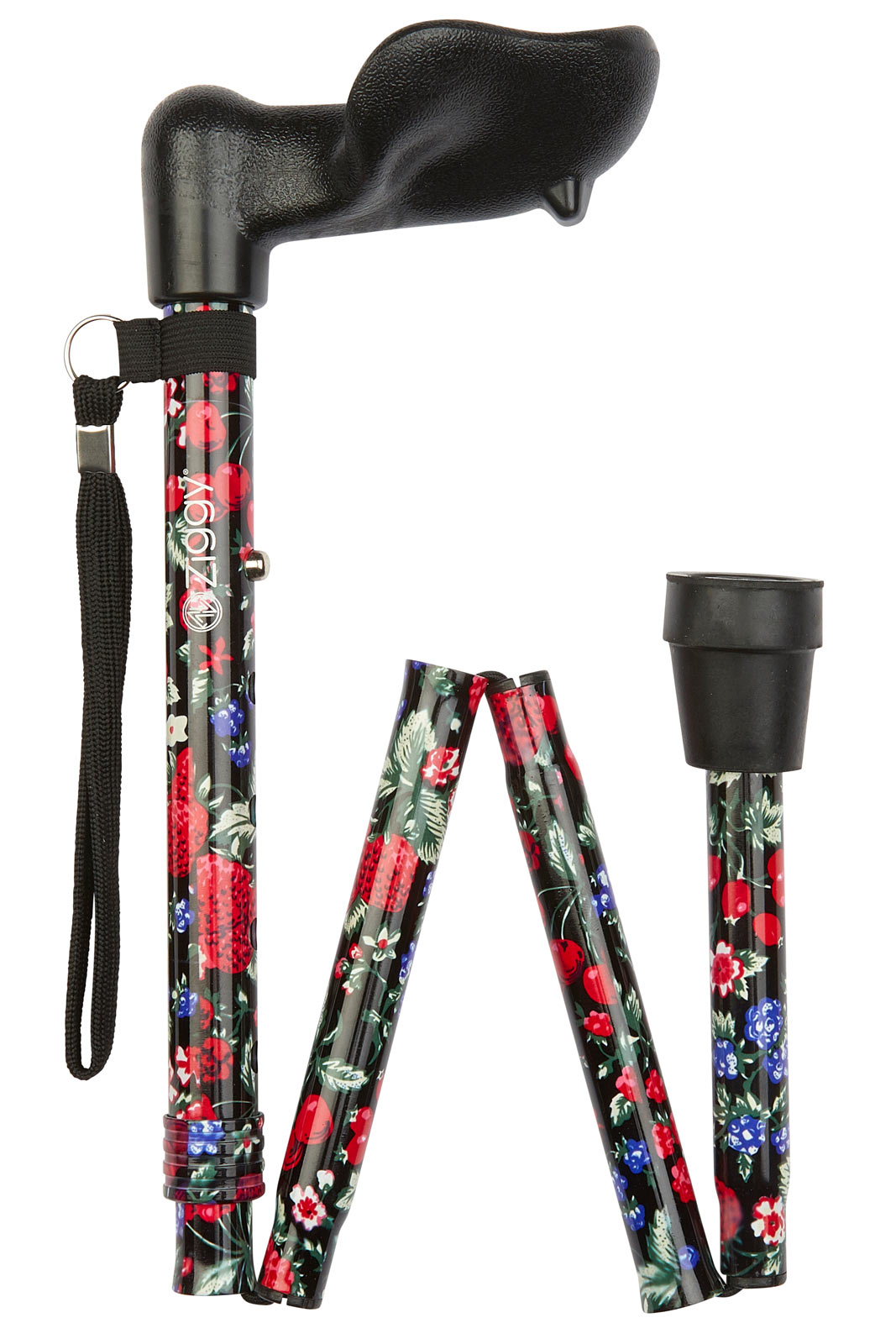
- Ergonomics: For young adults, "derby" or "offset" handles are often preferred over traditional "tourist" (C-shaped) handles because they distribute weight more evenly across the palm, reducing the risk of carpal tunnel irritation.
Frequently Asked Questions
Does Liam Flockhart have a permanent disability?
There is no evidence or public record suggesting that Liam Flockhart has a permanent disability. All public sightings of him using a walking stick coincided with a specific timeframe in 2023, and he has been seen walking unaided in subsequent years.
Why did Liam Flockhart use a cane at his graduation?
While not officially confirmed, the most likely reason was a temporary orthopedic injury, such as a sports injury or a post-operative recovery. Using a cane allowed him to participate in the lengthy walking requirements of a graduation ceremony safely.
Is Calista Flockhart still active in acting in 2026?
Yes, Calista Flockhart has remained active in the industry, continuing to select roles that allow her to balance her professional life with her family commitments. Her recent work has seen a resurgence in interest, particularly following her acclaimed performance in Feud: Capote vs. The Swans.
What did Liam Flockhart study at Amherst?
Liam Flockhart graduated from Amherst College in 2023. While his specific major has been kept private, Amherst is a top-tier liberal arts college known for its rigorous academic programs in the humanities and sciences.
How is Harrison Ford's health in 2026?
Harrison Ford remains remarkably active. Despite his history of injuries, he continues to fly planes and take on physically demanding acting roles, often attributing his longevity to a disciplined fitness regimen and a diet focused on sustainability and health.
Final Perspective
The "walking stick" seen with Liam Flockhart was a temporary tool that served a functional purpose during a significant life milestone. It stands as a testament to the family's pragmatic approach to health and their refusal to let minor physical setbacks interrupt major celebrations. For those observing from the outside, it serves as a reminder that mobility aids are not just for the elderly; they are vital instruments for anyone on the path to recovery, regardless of age or status.
As Liam moves forward in his post-graduate life, he does so with the same privacy and resilience that his parents have modeled throughout their careers. Whether he is hiking with his father or attending a quiet dinner with his mother, his brief use of a walking stick is now merely a small footnote in a much larger story of a young man finding his way in the world.
Image Gallery