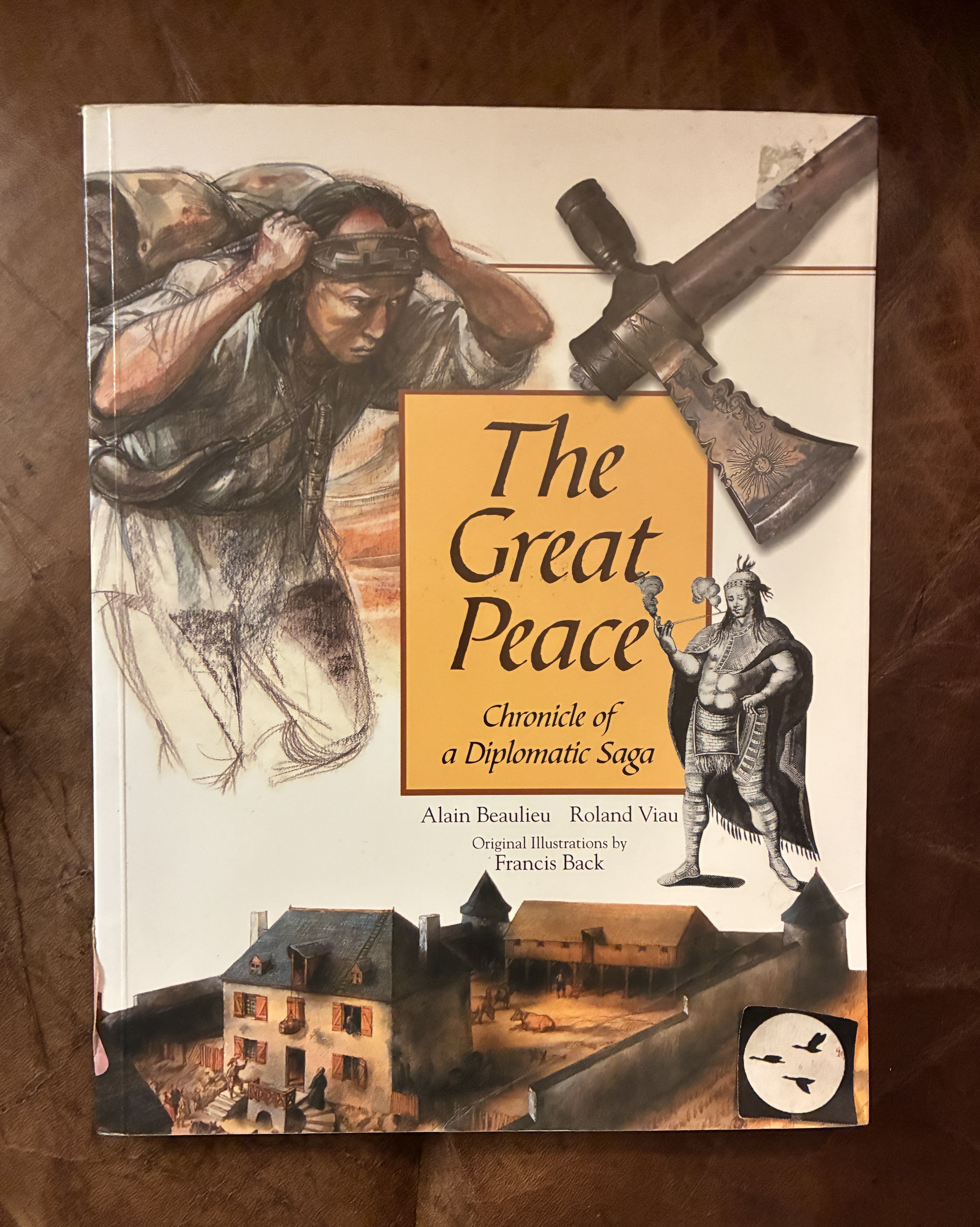
The Great Peace: A Memoir Review and Literary Analysis
The Great Peace is a poignant memoir that offers readers an intimate look into personal resilience, historical upheaval, and the complex bonds of family, examining how individuals navigate profound societal shifts while attempting to p...
The Great Peace is a poignant memoir that offers readers an intimate look into personal resilience, historical upheaval, and the complex bonds of family, examining how individuals navigate profound societal shifts while attempting to preserve their inner humanity.
Contents
Introduction to the Memoir and Its Literary Scope
Evaluating a work of life writing requires looking closely at how an author transforms lived experience into a cohesive narrative that resonates beyond a singular perspective. The Great Peace operates on this dual track, blending meticulous historical context with raw personal vulnerability. Rather than presenting a straightforward chronological timeline of events, the text dives straight into the atmospheric weight of its setting, establishing a tone that is both reflective and unflinching.
For readers and critics alike, approaching this memoir involves understanding its specific niche within contemporary life writing. It appeals to audiences who appreciate character-driven non-fiction, historical memoirs, and narratives that explore displacement, survival, and identity. This review examines the book’s structural integrity, thematic depth, emotional resonance, and overall literary value, providing a clear roadmap for anyone considering adding it to their reading list.
Identity, Scope, and Historical Context
Every impactful memoir is anchored by its specific time and place. The Great Peace situates itself within a distinct historical framework, forcing its subjects to confront external pressures that dictate the boundaries of everyday existence. The author does not merely use history as a distant backdrop; instead, political and social transformations act as active catalysts that disrupt domestic stability and force difficult moral reckonings.
Understanding the scope of the book requires recognizing the tension between macro-level history and micro-level domestic reality. The narrative examines how grand ideological shifts ripple downward into the quiet spaces of family life, altering relationships, career trajectories, and generational expectations. By keeping the narrative grounded in sensory details—the texture of daily labor, the scarcity or abundance of basic provisions, the unspoken anxieties shared across dinner tables—the book avoids dry historical abstraction. It remains deeply human from start to finish.
Narrative Structure and Stylistic Approach
The structural architecture of The Great Peace plays a vital role in its emotional impact. Memoirists often struggle to balance the wisdom of hindsight with the naive perspective of the past self experiencing events in real-time. This text navigates that challenge through a deliberate pacing strategy that alternates between sweeping narrative passages and intensely focused vignettes.
Key Structural Elements
- Chronological Anchors: Major historical milestones serve as structural pillars, keeping the reader oriented within a turbulent era.
- Thematic Interludes: Pauses in the narrative timeline allow the author to explore recurring motifs, such as grief, loyalty, and the preservation of cultural memory.
- Dialogue and Interiority: A balanced mix of external dialogue and internal monologue reveals the divergence between public compliance and private doubt.
The prose style is characterized by a restrained elegance. There is a deliberate avoidance of melodrama; emotional peaks are delivered with a quiet clarity that amplifies their impact. The author trusts the intelligence of the audience, leaving space between sentences for the reader to absorb the gravity of the situations described. This stylistic choice prevents the narrative from tipping into sentimentality, ensuring that the tragedies and triumphs feel earned rather than manufactured for literary effect.
Major Themes Explored in the Text
At its core, The Great Peace explores several interconnected themes that elevate it above a standard chronological account of survival. These thematic currents give the book its enduring relevance and spark lively discussions in book clubs and academic circles alike.
Resilience and Adaptation
Survival in the environments depicted within the memoir requires more than physical endurance; it demands a flexible psychology. The author details the psychological toll of adjusting to sudden institutional and social changes. Readers witness how human beings recalibrate their moral compasses, protect their loved ones, and find moments of grace amidst systemic instability.
Familial Bonds and Generational Friction
The memoir offers a nuanced portrayal of family dynamics under stress. Generational divides widen when older traditions clash with the demands of a rapidly changing world. The relationship between parents and children becomes a microcosm of the broader societal conflict, illustrating how love is frequently complicated by fear, misunderstanding, and the desperate need to secure a viable future for the next generation.
The Search for Agency
One of the most compelling aspects of the narrative is the constant, often quiet struggle for personal agency. When institutional forces dictate where people live, what they work on, and how they express themselves, reclaiming control over one's inner life becomes a radical act. The author documents these small rebellions—the preservation of a book, the continuation of an artistic practice, the maintenance of personal dignity—as essential victories.
| Thematic Focus | Manifestation in the Text | Reader Takeaway |
|---|---|---|
| Resilience | Navigating material scarcity and sudden institutional disruption. | Survival demands emotional flexibility alongside physical endurance. |
| Family Dynamics | Generational clashes driven by shifting social expectations. | Love under pressure often requires complex compromises. |
| Personal Agency | Maintaining private values and intellectual freedom in public conformity. | Small acts of quiet resistance preserve individual humanity. |
Comparative Analysis and Literary Standing
To fully understand the value of The Great Peace, it is helpful to place it within the broader landscape of contemporary memoir and life writing. Many memoirs written about periods of intense upheaval tend to rely on sensationalism or heavy-handed didacticism. This text distinguishes itself through its literary restraint and psychological depth.
When compared to classic memoirs of displacement and survival, The Great Peace shares a kinship with works that prioritize emotional truth over political grandstanding. However, it carves out its own distinct space by focusing intensely on the domestic sphere. While political histories often zoom out to analyze the movements of armies and governments, this memoir zooms in on the kitchen, the workshop, and the hallway, demonstrating that history is ultimately lived by flesh-and-blood individuals trying to make sense of chaos.
Limitations and Critical Considerations
No literary work is without its flaws, and a balanced review must address the potential limitations of The Great Peace. Because memoirs are inherently subjective, readers seeking an exhaustive, objective historical account may find the narrative scope frustratingly narrow. The reliance on memory, even when supplemented by research or personal archives, means that certain dialogues and timeline compressions are filtered through the author's retrospective lens.
Furthermore, the emotional intensity of the subject matter can make for demanding reading. The book does not offer easy resolutions or neat moral takeaways. For readers who prefer uplifting narratives with clear-cut villains and heroes, the moral ambiguity present in the memoir may prove challenging. The author refuses to paint anyone—including themselves—in entirely black-and-white terms, which makes the characters deeply realistic but occasionally difficult to root for unconditionally.
Practical Suitability: Who Should Read This Book?
Determining whether The Great Peace is the right fit for your reading preferences depends on your expectations of non-fiction literature.
- Recommended For: Readers of literary non-fiction, historical biography enthusiasts, students of modern history, and anyone interested in deep psychological portraits of family survival.
- Not Recommended For: Readers seeking fast-paced action, light escapism, or definitive, textbook-style historical overviews of geopolitical conflicts.
Book clubs will find ample material for discussion within its pages, particularly regarding the ethics of survival, the reliability of memory, and the responsibilities of the individual within a collective crisis.
Frequently Asked Questions
What is the main subject of The Great Peace?
The memoir focuses on personal survival, family dynamics, and the psychological impact of navigating major historical upheaval. It chronicles how everyday people maintain their humanity and agency during times of profound social and political transformation.
Is The Great Peace a strictly historical account or a personal story?
It is primarily a personal story rooted in memoir form, using historical events as the contextual framework for individual experiences. While it is grounded in real historical eras, its narrative drive comes from subjective emotional truths rather than academic historiography.
How does the author handle sensitive or painful material?
The author approaches difficult subject matter with notable restraint and emotional maturity. Rather than relying on sensationalism, the text uses clear, unvarnished prose to convey the reality of trauma and displacement, allowing the weight of the events to speak for themselves.
Does the book require prior knowledge of the historical setting?
Prior knowledge is helpful for contextualization, but not strictly required. The author weaves necessary historical background directly into the narrative flow, ensuring that readers unfamiliar with the specific era can still follow the personal stakes and plot developments.
How does The Great Peace compare to other contemporary memoirs?
It stands out for its focus on domestic and psychological realism rather than dramatic political posturing. Its literary prose style and commitment to moral ambiguity set it apart from faster-paced, more sensationalized life-writing entries.
Conclusion and Next Actions
The Great Peace delivers a compelling, deeply reflective reading experience that lingers long after the final page. Its combination of structural rigor, thematic richness, and emotional honesty makes it a notable entry in contemporary memoir. For readers looking to deepen their engagement with the text, the next logical step is to pick up a copy, pay close attention to the stylistic choices in the opening chapters, and consider reading it alongside a historical companion text to fully appreciate the interplay between macro-history and micro-narrative.
Image Gallery