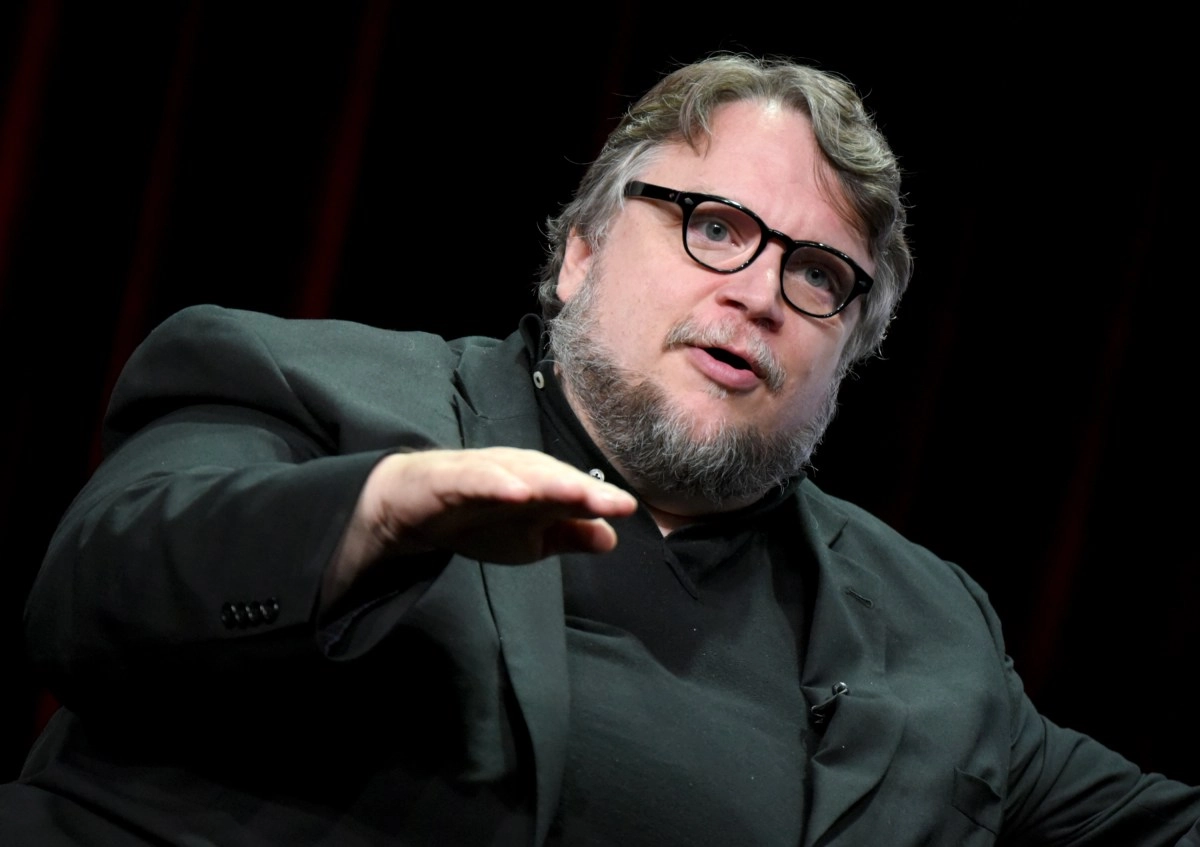
The Lasting Impact of Guillermo del Toro’s Acceptance Speeches on Cinema and Culture
Guillermo del Toro’s acceptance speeches, particularly those delivered during the 2018 and 2023 awards seasons, have fundamentally shifted industry perceptions of animation and immigrant identity in Hollywood. By asserting that "animat...
Guillermo del Toro’s acceptance speeches, particularly those delivered during the 2018 and 2023 awards seasons, have fundamentally shifted industry perceptions of animation and immigrant identity in Hollywood. By asserting that "animation is cinema" and championing the marginalized, del Toro has forced a global re-evaluation of storytelling mediums and the political power of the "other."
Contents
Throughout his career, Guillermo del Toro has transitioned from a master of "monster movies" to a central intellectual figure in the global film industry. While his films are visually stunning, his public rhetoric—delivered on the world’s most prestigious stages—has arguably had an even broader impact on the structural and cultural landscape of filmmaking. As of 2026, the echoes of his manifestos are visible in how studios greenlight projects, how the Academy categorizes art, and how international filmmakers navigate the American studio system.
Contextualizing the Artist: The Rhetoric of Guillermo del Toro
To understand the impact of his speeches, one must first understand the unique position del Toro occupies. He is one of the "Three Amigos" of Mexican cinema, alongside Alfonso Cuarón and Alejandro G. Iñárritu. While all three have won major accolades, del Toro’s voice is uniquely focused on the "monstrous" and the "marginalized."
His speeches are rarely self-congratulatory. Instead, they function as tactical interventions. Whether he is standing at the podium for the Golden Globes, the BAFTAs, or the Academy Awards, his language is carefully chosen to advocate for the medium of film itself and for the people who are often excluded from its primary narratives. By 2026, his approach has become a template for "advocacy through acceptance," where winners use their limited stage time to push for systemic industry changes rather than mere personal gratitude.
"Animation is Cinema": The 2023 Campaign for Artistic Recognition
Perhaps the most culturally significant impact of del Toro’s recent career came during the 2023 awards circuit for his stop-motion production of Pinocchio. His recurring mantra—"Animation is cinema. Animation is not a genre."—was a direct challenge to the Hollywood establishment that had long relegated animated films to the "kids' movie" category.
Challenging the "Genre" Stigma
For decades, the Academy Awards and major distributors treated animation as a secondary tier of filmmaking, often prioritizing family-friendly commercial success over artistic depth. Del Toro used his 2023 Oscar acceptance speech to dismantle this hierarchy. He argued that animation is a medium capable of handling complex, adult themes—war, death, and fascism—just as effectively as live-action film.
The impact of this stance has been measurable. Since 2023, we have seen an uptick in "adult-oriented" animated features receiving serious critical consideration and wider theatrical releases. By 2026, the distinction between "animated" and "live-action" in terms of prestige has begun to blur, leading to more diverse storytelling techniques in mainstream cinema.
Economic and Industrial Shifts
The "del Toro effect" also influenced how streaming giants like Netflix and Apple TV+ approach their animation divisions. By positioning animation as "high art," del Toro helped justify the massive budgets required for high-end stop-motion and hand-drawn projects. His advocacy provided a shield for animators, emphasizing that their work is not just a technical service but a directorial craft equivalent to any live-action masterpiece. This has led to improved labor recognition and a shift in how animation guilds negotiate within the industry.
Breaking Down Borders: The 2018 "Shape of Water" Moment
If his 2023 speeches were about the medium, his 2018 speeches were about the message. Upon winning Best Director for The Shape of Water, del Toro delivered a poignant defense of the immigrant experience.
The Politics of the "Other"
"I am an immigrant," he famously stated at the Golden Globes. In a period of heightened global tension regarding borders and nationalism, del Toro used his platform to humanize the "outsider." He linked his love for monsters to his experience as a Mexican filmmaker in Hollywood, explaining that monsters are the ultimate patron saints of "blissful imperfection."
This speech resonated far beyond the film industry. It became a viral touchstone for immigrant communities, providing a sense of legitimacy and visibility at a time when political rhetoric was often exclusionary. The impact was a reinforcement of the idea that cultural specificity is a strength, not a barrier to universal storytelling.
Impact on International Filmmaking
The success of The Shape of Water, bolstered by del Toro’s advocacy, opened doors for more international productions to compete on equal footing in "general" categories rather than being siloed into the "International Feature" category. We can trace a direct line from del Toro's 2018 victory to the historic wins of films like Parasite (2020) and the continued success of international auteurs in the mid-2020s.
Comparative Analysis of Key Speeches and Their Effects
The following table summarizes the primary themes and the resulting industry impacts of Guillermo del Toro’s most influential acceptance speeches.
| Award Ceremony | Primary Message | Key Entity/Subject | Long-term Impact (by 2026) |
|---|---|---|---|
| 2018 Oscars | "I am an immigrant." | Immigrant identity and monsters. | Increased visibility and funding for international directors in the US. |
| 2018 Golden Globes | The power of the "other." | Inclusion and diversity in storytelling. | Mainstream acceptance of "weird" or genre-defying narratives. |
| 2023 Golden Globes | "Animation is cinema." | Animation as a medium, not a genre. | Studios greenlighting more adult-oriented animated projects. |
| 2023 Oscars | "Keep animation in the conversation." | Pinocchio and the craft of stop-motion. | Greater prestige and awards-season weight given to animated features. |
The Long-Term Legacy: Influence on Future Filmmakers
By 2026, the "del Toro Manifesto" has become a core component of film school curricula. New filmmakers are taught not just how to make movies, but how to speak about them as a form of social and artistic advocacy.
Redefining Success
Success for a filmmaker, in the wake of del Toro’s speeches, is no longer just about the box office or the trophy itself. It is about using the moment of victory to advocate for the craft. Del Toro showed that an acceptance speech can be a tool for industry reform. He didn't just thank his agent; he demanded that the industry treat his animators with the same respect as his cinematographers.
The "Monster" as a Symbol of Empathy
His speeches have also solidified the "monster" as a legitimate symbol of empathy in contemporary culture. This has influenced a generation of writers to look toward genre fiction—horror, sci-fi, and fantasy—as the primary vehicles for discussing social justice and human rights. By 2026, "elevated genre" is no longer a niche subcategory but a dominant force in the global cultural zeitgeist, largely due to the intellectual framework del Toro provided during his awards-season runs.
Frequently Asked Questions
Why is the phrase "Animation is cinema" so significant?
This phrase is significant because it challenges the "Animation is for children" bias that has historically limited the funding, distribution, and critical recognition of animated films. By calling it "cinema," del Toro insists that it be judged by the same rigorous artistic standards as live-action film, which impacts everything from Oscar voting to streaming algorithms.
How did Guillermo del Toro's 2018 Oscar speech affect immigrant filmmakers?
His speech provided a powerful counter-narrative to anti-immigrant sentiment by highlighting the creative and economic contributions of immigrants to the American film industry. It encouraged studios to seek out diverse voices and reassured international filmmakers that their specific cultural perspectives are valuable assets in the global market.
Has the Academy changed its rules because of del Toro’s speeches?
While the Academy rarely cites a single speech for rule changes, del Toro’s persistent advocacy contributed to a broader movement that resulted in more diverse membership invitations and a more nuanced approach to how animated films are campaigned. There has been a notable shift in the "Best Animated Feature" category toward more artistic, less purely commercial entries.
What is the "Three Amigos" connection in this context?
Guillermo del Toro, Alfonso Cuarón, and Alejandro G. Iñárritu are often grouped together as the "Three Amigos." Their collective success—and their frequent mentions of each other in acceptance speeches—created a sense of a "Mexican Wave" in Hollywood. Del Toro’s speeches often highlight this brotherhood, emphasizing that their success is a collective breakthrough for Mexican artists.
Did del Toro's speeches impact the production of stop-motion specifically?
Yes. Stop-motion is one of the most labor-intensive and expensive forms of animation. Del Toro’s success and his vocal support for the "hand-crafted" nature of Pinocchio led to a renewed interest in the medium, with more studios willing to invest in stop-motion projects that emphasize artistry over digital perfection.
A Practical Path for the Future of Film Advocacy
For those within the film industry or those studying media, the impact of Guillermo del Toro’s speeches offers a clear roadmap:
- Advocate for the Medium: Don't let your work be pigeonholed. If you work in a "niche" area, use your platform to explain why it is essential to the broader landscape of cinema.
- Champion the "Other": Use your visibility to lift those who are traditionally marginalized. Whether it's through the themes of your work or your public statements, consistency is key.
- Humanize the Technical: Del Toro’s speeches often bridge the gap between technical craft and emotional resonance. By explaining the "why" behind the "how," you make your art more accessible and impactful.
As we look at the landscape of 2026, it is clear that Guillermo del Toro did more than win awards; he redefined the terms of the conversation. His speeches remain a testament to the idea that the most powerful thing an artist can do with a microphone is speak the truth about their craft and their community.
For further reading on the history of the Academy Awards and the evolution of the Animation category, you can visit the Official Academy of Motion Picture Arts and Sciences or explore industry analysis at The Hollywood Reporter.
Image Gallery