Understanding the Guarantee Life Insurance Plans Market: A Comprehensive Guide
Guarantee life insurance, often categorized as guaranteed issue or simplified issue life insurance, serves as a critical financial tool for individuals who may face challenges qualifying for traditional, medically underwritten policies...
Guarantee life insurance, often categorized as guaranteed issue or simplified issue life insurance, serves as a critical financial tool for individuals who may face challenges qualifying for traditional, medically underwritten policies. This market segment provides a pathway to permanent coverage—typically whole life—without requiring a medical exam or extensive health disclosures, ensuring that beneficiaries receive a death benefit regardless of the policyholder's past or current health status.
Contents
The Mechanism of Guarantee Life Insurance
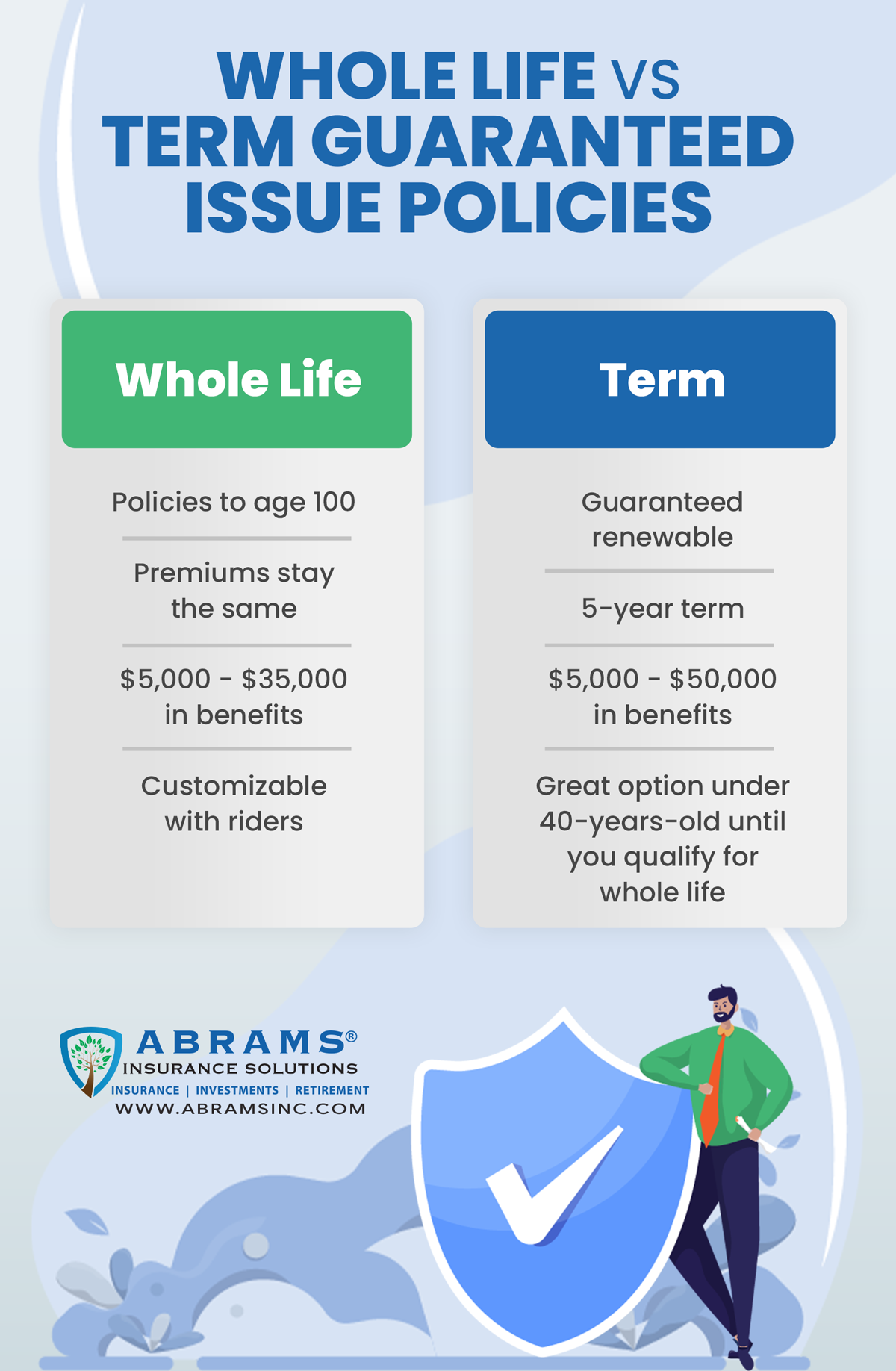
At its core, the guarantee life insurance market operates on a principle of simplified risk assessment. Unlike traditional life insurance, which relies on a rigorous underwriting process involving attending physician statements, blood tests, and paramedical exams, guaranteed issue policies bypass these steps entirely. The issuer accepts the risk of insuring the individual based solely on their age and, in some cases, residency, rather than their medical history.
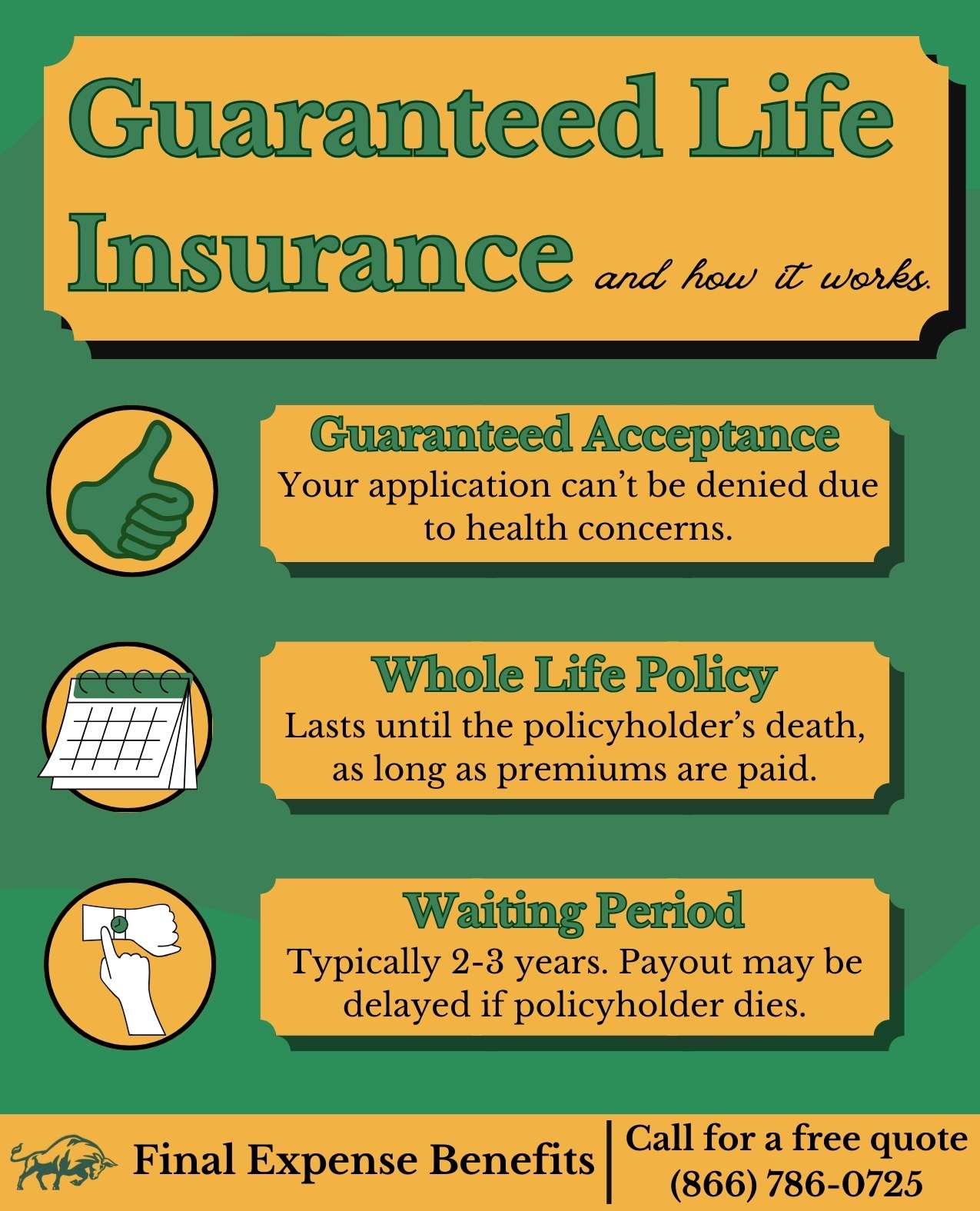
Because the insurer assumes a higher risk without the benefit of medical screening, these plans include specific structural characteristics that distinguish them from standard policies. These include higher premium costs per thousand dollars of coverage and a "graded death benefit" period. In a graded benefit scenario, if the policyholder passes away due to natural causes within the first two or three years of the policy, the insurer may only refund the premiums paid plus a small percentage of interest, rather than paying the full face value of the death benefit. Accidental death, however, is typically covered for the full amount from day one.
Assessing Suitability and Eligibility
The target audience for these plans is primarily older adults or individuals with chronic health conditions who have been declined for traditional coverage. It is vital to recognize that guarantee life insurance is not intended to replace high-limit term life insurance or complex estate planning vehicles. Instead, it is designed for final expense planning—specifically to cover funeral costs, medical bills, or small debts that would otherwise become a burden to survivors.
Eligibility requirements are minimal. In the current 2026 market, most providers require the applicant to be between the ages of 45 and 85, a legal resident of the country where the policy is issued, and capable of legally signing a contract. There are no health questions, and approval is essentially guaranteed if the applicant falls within these age and residency brackets.
Comparing Market Offerings
Navigating the market requires an understanding of the trade-offs between cost, coverage limits, and company financial strength. Because the premium is generally fixed for the life of the policy, the "guarantee" extends not just to approval, but to the premium rate itself.
| Feature | Traditional Life Insurance | Guaranteed Issue Life Insurance |
|---|---|---|
| Medical Exam | Required | Not Required |
| Approval Odds | Varies by health | Nearly 100% |
| Coverage Limits | High (Millions) | Low ($5,000–$25,000) |
| Premium Cost | Lower (Risk-adjusted) | Higher (Fixed) |
| Death Benefit | Immediate | Often Graded (2-3 years) |
Operational Risks and Limitations
Consumers must approach this market with a clear understanding of the limitations inherent in the products. The primary risk is the "cost of insurance" relative to the death benefit. Because these policies are small—often capped at $25,000—the administrative costs of the policy can lead to higher premiums. If a policyholder pays into the plan for many years, the total premiums paid can, in some instances, exceed the actual face value of the death benefit.
Furthermore, consumers should be wary of misleading marketing. Some entities may frame these policies as an investment or a way to build substantial cash value. While many guaranteed issue plans are structured as whole life policies that do accumulate modest cash value, they are financial protection products, not wealth-accumulation tools. Financial advice from a licensed professional is recommended to ensure that this specific type of insurance aligns with one's overall financial health and estate objectives.
Regulatory Oversight and Consumer Protection
In 2026, the market for guarantee life insurance remains subject to strict state-level or national-level insurance department regulations. These regulations mandate that insurers must maintain adequate reserves to cover the guaranteed death benefits they issue. Consumers should verify that the company they are considering is licensed in their state or jurisdiction. Utilizing resources from official insurance commissioner websites allows potential buyers to check for consumer complaints, financial strength ratings (such as those provided by A.M. Best), and the company’s history of claim payouts.
Always confirm the "free look" period before purchasing. Most jurisdictions mandate a window of 10 to 30 days after policy delivery during which the policyholder can cancel the contract for a full refund of premiums if the policy terms do not meet their expectations.
Frequently Asked Questions
Why is there a waiting period for full death benefits? The waiting period, or graded benefit, is a safeguard for insurers. Without it, individuals with terminal illnesses could purchase policies moments before death, creating an unsustainable financial risk for the insurer. By imposing a 2-3 year wait for natural death coverage, the insurer ensures the long-term viability of the plan for all policyholders.
Can my premiums increase over time? Generally, no. Most guaranteed issue whole life insurance policies offer level premiums. This means that once the policy is issued, the premium amount remains constant for as long as the policy is in force, regardless of changes in your health or age, provided the premiums are paid on time.
Are these policies available to everyone regardless of age? No. Most carriers have strict age bands, typically between 45 and 85. If you are under 45, you are usually encouraged to apply for simplified or fully underwritten plans, as you will likely qualify for lower rates and higher coverage amounts.
What happens if I stop paying my premiums? If premiums are not paid, the policy will lapse. Unlike some traditional permanent life insurance policies that may offer a "non-forfeiture" option—where the policy remains in force using the accumulated cash value to pay premiums—guaranteed issue policies often have smaller cash value pools, meaning the policy may terminate shortly after a missed payment grace period.
Next Steps for Interested Applicants
If you determine that a guarantee life insurance plan is the appropriate vehicle for your final expense needs, your next action should be to collect quotes from at least three different highly-rated, licensed insurers. Compare the death benefits, the length of the graded benefit period, and the fixed premium costs. Ensure that you are buying directly from a reputable company or a licensed brokerage. Verify that the company is solvent and has a track record of customer satisfaction before committing to the contract.
Image Gallery