What Is the Step Up Scholarship and How Does It Work?
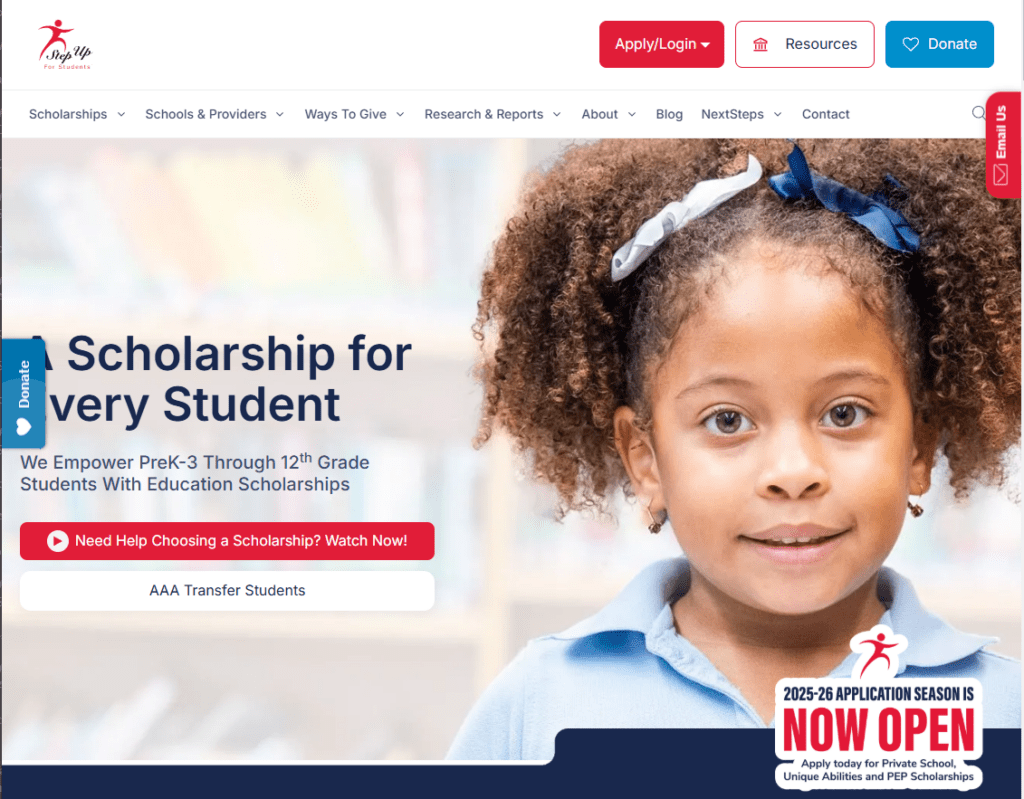
The Step Up Scholarship refers to state-funded school choice programs in Florida administered by the non-profit organization Step Up for Students. These scholarships allow eligible K–12 students to receive financial aid—often structure...
The Step Up Scholarship refers to state-funded school choice programs in Florida administered by the non-profit organization Step Up for Students. These scholarships allow eligible K–12 students to receive financial aid—often structured as Flexible Education Savings Accounts (ESAs)—to pay for private school tuition, tutoring, customized curriculum, therapies, and approved educational expenses.
Contents
Understanding Florida's Step Up for Students Program
The Step Up Scholarship is not a single scholarship fund, but rather an umbrella term for several state-backed education programs created by the state of Florida and managed by Step Up for Students, a state-approved Scholarship Funding Organization (SFO). Originally established to assist lower-income families with private school tuition, the program underwent a major legislative transformation following the passage of Florida House Bill 1 (HB 1).
Under current Florida policy, school choice is universal. Every Florida resident enrolled in kindergarten through 12th grade is eligible to apply for scholarship funds, regardless of household income. However, state law establishes priority tiers to ensure that lower-income households and students in foster care or out-of-home care receive first access to available state funding allocations.
The primary goal of Step Up for Students is to decouple educational funding from geographic zip codes, granting parents direct agency over how their child’s state-allocated education funds are spent. Depending on the specific scholarship track, funding is delivered either directly to participating private schools or deposited into an Education Savings Account (ESA) managed through an online platform.
Major Scholarship Tracks Managed by Step Up for Students
To understand how the program functions, parents and guardians must distinguish between the main scholarship tracks offered under the Step Up umbrella. Each track targets different educational pathways and student needs.
1. Florida Tax Credit Scholarship (FTC) & Family Empowerment Scholarship for Educational Options (FES-EO)
The FTC and FES-EO tracks are the primary options for students attending private schools. While funded through slightly different mechanisms—FTC via corporate tax credits and FES-EO via state revenue—they function almost identically for families.
- Primary Purpose: Covers private school tuition and mandatory school fees.
- Format: Funds are deposited into an ESA portal (Education Management Access / EMA portal) and can be used for private school tuition or diverted to authorized educational services if excess funds remain.
- Alternative Option: Families enrolled in public schools outside their designated district can apply for a transportation grant under these tracks to help cover commuting expenses.
2. Family Empowerment Scholarship for Students with Unique Abilities (FES-UA)
The FES-UA track serves students aged 3 through high school graduation (or age 22) who have specific physical, intellectual, or learning diagnoses.
- Primary Purpose: Provides tailored funding for specialized educational interventions, therapeutic services, and customized schooling.
- Format: Fully flexible Education Savings Account (ESA).
- Covered Services: In addition to private school tuition, funds can pay for physical therapy, occupational therapy, speech-language pathology, specialized learning software, tutoring from certified instructors, and contracted public school services.
3. Personalized Education Program (PEP)
The PEP track is tailored specifically for home-educated students who are not enrolled full-time in a traditional public or private school.
- Primary Purpose: Allows parents who direct their child's home education to access scholarship funds for customized learning pathways.
- Format: Flexible Education Savings Account (ESA).
- Requirements: Parents must submit an annual Student Learning Plan (SLP) and commit to national norm-referenced student testing.
Eligibility Criteria for Step Up Scholarships
While Florida law guarantees universal eligibility for K–12 residents, specific program guidelines govern priority, funding caps, and documentation requirements.
- Florida Residency Verification
- Choose Scholarship Pathway
- Standard Track: FES-EO/FTC
- Enrolled in K-12
- Florida resident
- Tiered income priority
- Specialized Track: FES-UA
- Age 3 to 22
- Qualifying medical diagnosis
- IEP or physician evaluation
- Standard Track: FES-EO/FTC
General Eligibility Requirements
- Florida Residency: The student and primary parent/guardian must reside in Florida. Proof of residency (such as a valid Florida driver’s license, utility bill, or lease agreement) is required.
- Age and Grade Level: Students must be eligible to enroll in kindergarten through 12th grade. For the FES-UA program, eligibility extends down to age 3 for early intervention programs.
- School Enrollment Status: Students cannot simultaneously participate in a full-time public school program while claiming private school tuition or ESA scholarship funds.
Priority Funding Structure
Although eligibility is universal, funding is allocated based on statutory priority tiers established by the Florida Department of Education:
- Priority 1: Students in foster care or out-of-home placement.
- Priority 2: Students whose household income does not exceed 185% of the Federal Poverty Level (FPL).
- Priority 3: Students whose household income is between 185% and 400% of the FPL.
- Priority 4: All other Florida K–12 residents, allocated on a first-come, first-served basis as funding allows.
How the Step Up Scholarship Works: Step-by-Step
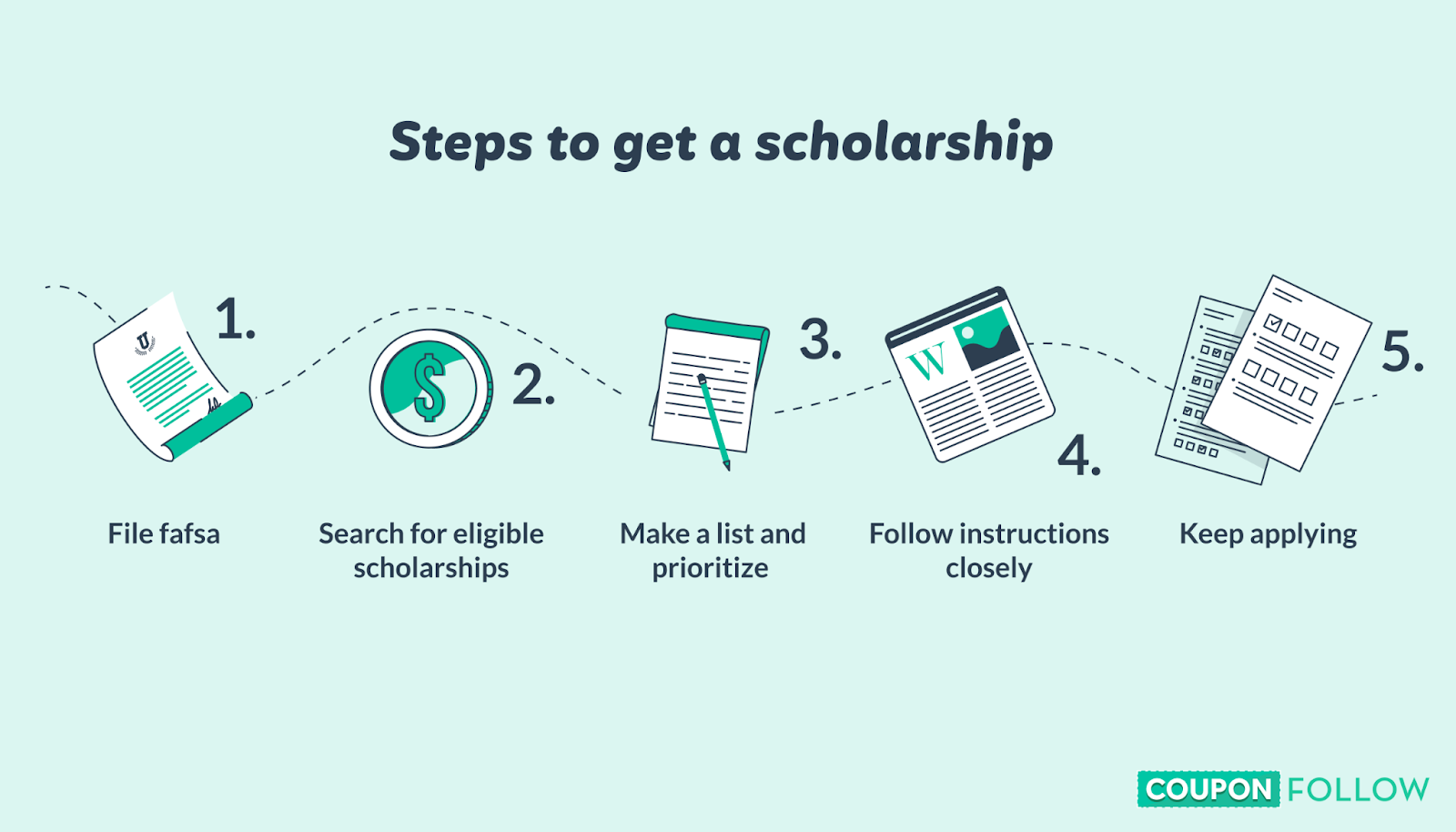
Navigating the Step Up system involves account setup, application submission, school approval, and fund distribution.
Step 1: Account Creation in the EMA Portal
Parents must create an account on the Education Management Access (EMA) portal, the central digital platform maintained by Step Up for Students. This platform stores student profiles, handles document uploads, and serves as the financial hub for managing scholarship awards.
Step 2: Submitting Documentation and Application
During the open application window, applicants submit proof of residency, student birth certificates, and, if applicable, financial documentation or medical diagnoses.
- For FES-UA, parents must upload an Individualized Education Program (IEP), a 504 plan, or a formal diagnosis form signed by a licensed physician or specialist.
- For FTC/FES-EO, income verification is optional for families seeking tier prioritization, but recommended if household income falls below 400% of the poverty line.
Step 3: Application Review and Award Notification
Step Up for Students reviews the submitted documentation. Once approved, parents receive an official award letter indicating the scholarship amount. Scholarship amounts vary by county and grade level, but typically average between $7,000 and $10,000 per student per year, with higher amounts awarded under the FES-UA track based on the student's disability matrix score.
Step 4: School Cross-Verification and Direct Pay
If the student attends a participating private school, the school links the student’s profile to their institutional registry within the EMA portal.
- Private school tuition is paid directly from the scholarship account to the school in quarterly distributions.
- The parent must log into the EMA portal at the end of each quarter to approve the tuition disbursement to the school.
Step 5: Utilizing Remaining ESA Funds
For scholarship tracks operating as flexible ESAs (such as FES-UA, PEP, or excess FES-EO funds after tuition is fully satisfied), parents can access approved goods and services through an online marketplace embedded within the platform, or submit receipts for reimbursement.
Approved vs. Unapproved Scholarship Expenses
The state of Florida maintains strict compliance rules regarding how scholarship dollars can be spent. Misuse of funds can lead to account suspension or requirement of repayment.
| Expense Category | Approved Uses | Unapproved Uses |
|---|---|---|
| Schooling & Tuition | Tuition and fees at eligible private schools, private tutoring by certified teachers. | Tuition at unapproved private institutions, public school fees. |
| Curriculum & Supplies | Instructional materials, textbooks, standardized testing fees, hands-on learning kits. | General office supplies, non-educational furniture, unstructured toys. |
| Technology | Laptops, tablets, and specialized educational software (subject to usage caps). | High-end gaming consoles, television screens, personal smartphones. |
| Therapies (FES-UA Only) | Licensed occupational therapy, physical therapy, speech therapy, ABA therapy. | Non-accredited wellness retreats, unverified alternative therapies. |
| Extracurriculars | Approved music lessons, physical education programs provided by certified providers. | General theme park tickets, standard recreational gym memberships. |
Comparing the Primary Step Up Scholarship Options
Understanding the operational differences between each scholarship pathway helps families choose the right framework for their child's education.
| Program Feature | FES-EO / FTC | FES-UA | PEP (Personalized Education) |
|---|---|---|---|
| Target Audience | K–12 Florida residents seeking private school education. | Students with qualifying special needs/diagnoses (Age 3–22). | Home-educated students seeking customized learning. |
| Primary Funding Mechanism | Direct tuition pay / standard scholarship. | Fully flexible Education Savings Account (ESA). | Education Savings Account (ESA). |
| Medical Diagnosis Needed? | No. | Yes (IEP, 504 plan, or physician diagnosis). | No. |
| Annual Learning Plan? | No. | No. | Yes (Student Learning Plan required). |
| Testing Requirement | Mandatory annual norm-referenced test if enrolled in private school. | Optional / based on parent/school agreement. | Mandatory annual norm-referenced test. |
| Therapy Coverage | No. | Yes (Speech, OT, PT, ABA, etc.). | No. |
Essential Compliance Rules and Common Mistakes
To maintain scholarship eligibility, parents must navigate several administrative rules carefully:
Dual Enrollment Violations
A student cannot receive Step Up scholarship funds while simultaneously enrolled in a traditional public school full-time, including district-run virtual schools. If a student transitions back to public school, the scholarship account must be closed, and remaining funds revert to the state.
Failure to Re-Approve Quarterly Payments
For private school tuition payments, Step Up does not release funds to the school automatically. Parents must log into the EMA portal every quarter to review and electronically sign off on the disbursement. Missing the confirmation deadline can cause delayed payments and late fees from the private school.
Purchasing Unapproved Items
When using ESA funds for educational supplies or therapy, items must be chosen from the approved vendor list or pre-cleared by Step Up administrators. Submitting reimbursement requests for non-compliant items will result in claim rejections and potential audit reviews on the account.
Step Up Scholarship FAQs
How much money does the Step Up scholarship provide per student?
The exact award amount varies by county, grade level, and specific scholarship track. On average, standard scholarships (FES-EO/FTC) provide between $7,000 and $8,500 per academic year. Funding for the FES-UA track can be higher, often ranging between $9,000 and $10,000+, depending on the student's documented level of need.
Can I use the Step Up scholarship for homeschooling?
Yes. Parents seeking funding for home education should apply under the Personalized Education Program (PEP) track. This track provides an ESA that can be used for curriculum, instructional materials, tutoring, and educational classes, provided the student completes an annual Student Learning Plan and takes a state-approved norm-referenced test.
What is the deadline to apply for Step Up for Students?
While applications are open year-round, priority deadlines are established prior to the start of each academic year (typically in late spring or early summer). Applying before the priority deadline increases the likelihood of receiving funded status before private school tuition payments come due in the fall.
Does household income disqualify my family from receiving a scholarship?
No. Under Florida's universal school choice laws, household income does not disqualify a student. However, income is used to determine priority placement. Lower-income families (below 185% and 400% of the Federal Poverty Level) are awarded available funding spots before higher-income applicants.
How are unused ESA funds handled at the end of the school year?
For ESA-based scholarships (such as FES-UA and PEP), unused funds roll over to the next academic year, provided the student remains continuously eligible and enrolled in the program. However, if a student leaves the program or graduates, remaining funds revert to the state treasury.
Actionable Steps for Parents Getting Started
To ensure a smooth application and enrollment process, follow this implementation timeline:
- Verify Student Eligibility: Gather proof of Florida residency, birth certificates, and any relevant medical diagnoses (for FES-UA) or financial documents (for priority income placement).
- Create an EMA Account: Visit the official Step Up for Students online portal and set up a parent profile.
- Submit the Application Early: Complete the application process before the state’s early priority processing window to secure funding ahead of the upcoming academic calendar.
- Coordinate with Choice Providers: If opting for private schooling, confirm that your chosen institution is registered with Step Up for Students to accept direct portal payments.
- Set Reminders for Portal Approvals: Establish quarterly calendar reminders to log into the EMA portal and approve institutional tuition disbursements promptly.
Image Gallery