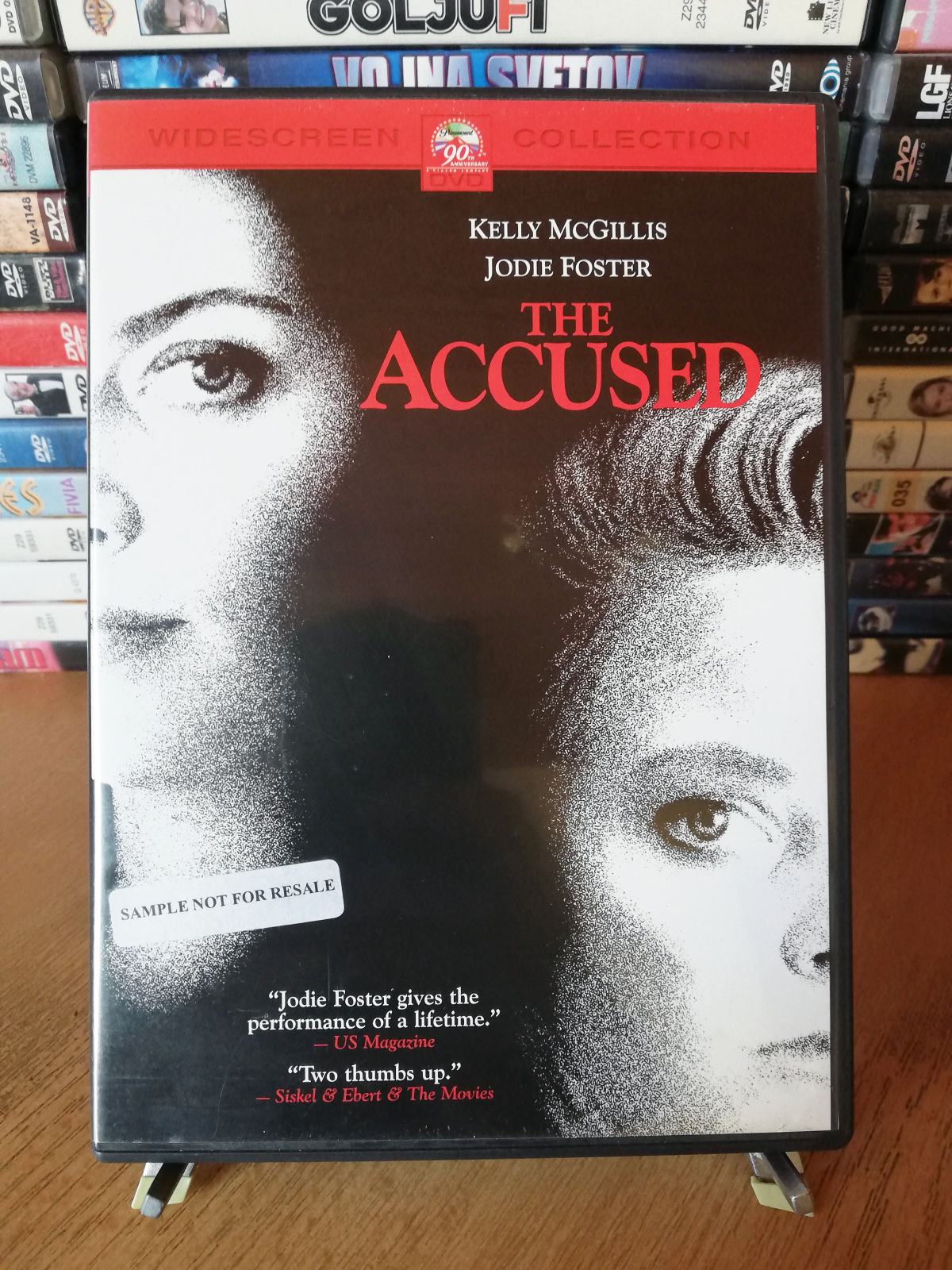
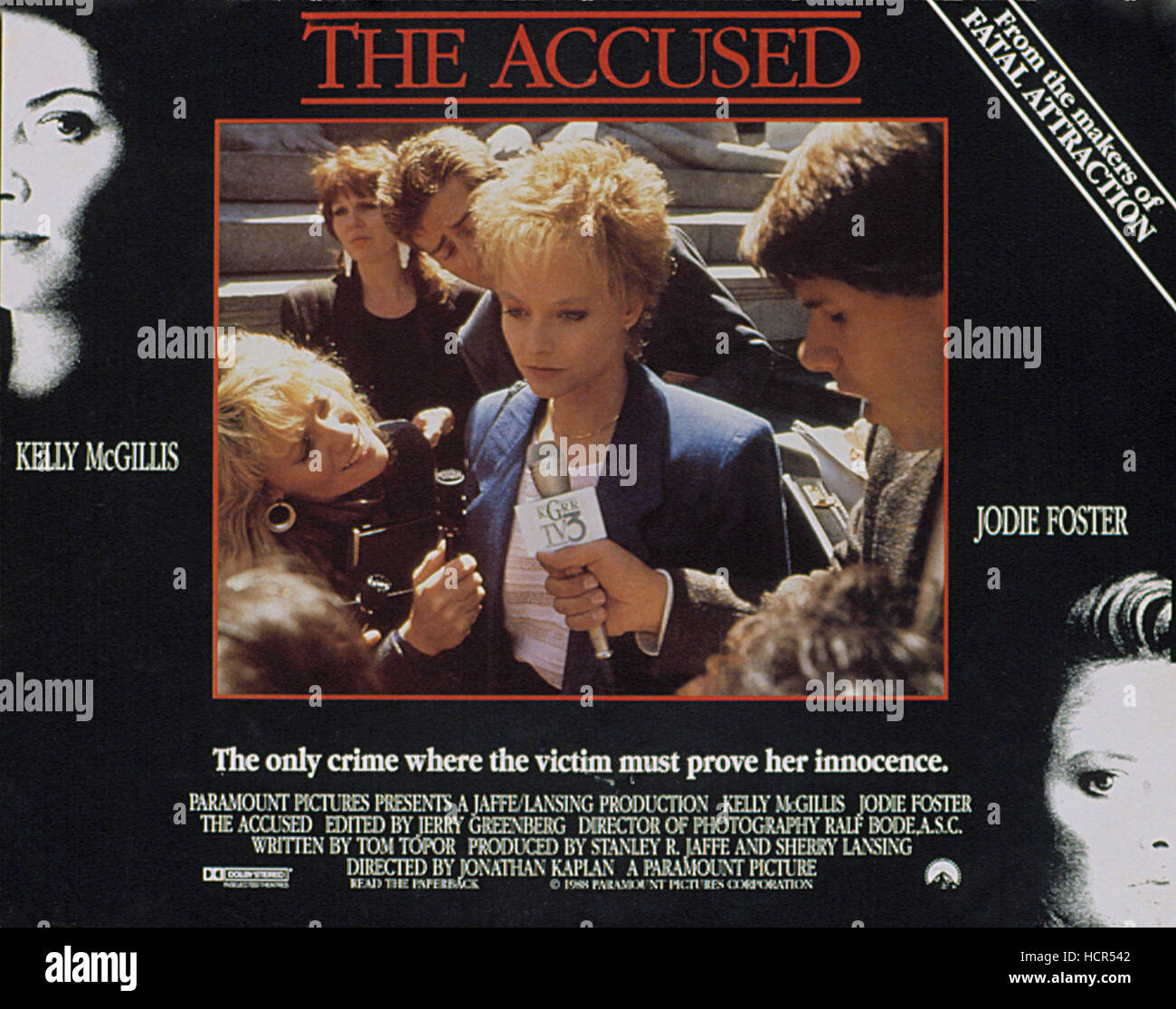
Jodie Foster’s Role as Sarah Tobias in The Accused: A Definitive Analysis
In the 1988 legal drama The Accused, Jodie Foster plays the lead role of Sarah Tobias, a working-class woman who survives a brutal gang rape in a neighborhood bar. Her performance portrays a victim who refuses to be silenced by a legal...
In the 1988 legal drama The Accused, Jodie Foster plays the lead role of Sarah Tobias, a working-class woman who survives a brutal gang rape in a neighborhood bar. Her performance portrays a victim who refuses to be silenced by a legal system and a society that attempts to blame her for the assault based on her lifestyle and behavior.
Contents
The character of Sarah Tobias remains one of the most significant portrayals of a sexual assault survivor in cinematic history. Directed by Jonathan Kaplan and written by Tom Topor, the film was groundbreaking for its era, shifting the focus from the act of the crime itself to the accountability of the bystanders and the inherent biases of the American judicial system. Foster’s portrayal earned her the first of her two Academy Awards for Best Actress, cementing her transition from a child star to a formidable adult lead in Hollywood.
The Character Profile of Sarah Tobias
Sarah Tobias is introduced as a woman who does not fit the "perfect victim" stereotype often demanded by the legal standards of the 1980s. She is a cocktail waitress, lives in a trailer with a boyfriend who is often away, and is portrayed as someone who enjoys partying and socializing. On the night of the assault, she visits a local bar called "The Mill," where she drinks, dances suggestively, and smokes marijuana.
Foster’s brilliance in the role lies in her refusal to make Sarah "soft" or "palatable" to the audience's sensibilities. Sarah is loud, uses profanity, and possesses a defensive edge born of a difficult life. By presenting Sarah as a flawed, realistic human being, the film forces the audience—and the characters within the movie—to confront the uncomfortable truth: that a woman’s clothing, her consumption of alcohol, or her flirtatious behavior never constitutes consent for violence.
The Nuance of the Performance
Foster’s acting in the film is characterized by a "raw, nervous energy," as described by contemporary critics. She utilizes a specific physicality to convey Sarah’s trauma; following the assault, Sarah’s movements become more closed-off and twitchy, contrasting with her initial free-spirited demeanor. Foster avoids the trap of making Sarah a saintly martyr, instead opting for a portrayal of a woman who is angry, confused, and desperate to be heard.
The Narrative Conflict: The Victim vs. The Legal System
The core of Jodie Foster’s role involves Sarah’s conflict with District Attorney Kathryn Murphy, played by Kelly McGillis. When Sarah reports the rape, Murphy initially takes the case but quickly realizes that a jury might find Sarah "unreliable" or "contributory" to the crime because of her intoxication and provocative dancing.
Without Sarah’s consent, Murphy arranges a plea bargain for the three rapists. They are allowed to plead guilty to "aggravated assault" rather than rape, resulting in significantly shorter sentences. Sarah’s reaction to this betrayal is the emotional centerpiece of the film. She feels "raped twice"—once by the men in the bar and once by the legal system that refused to acknowledge the gravity of the crime committed against her.
Seeking Justice Against the Bystanders
Driven by Sarah's outrage and a sense of professional guilt, Murphy decides to prosecute a second group of men: the bystanders who stood by, cheered, and encouraged the rapists. This is where the title The Accused takes on a double meaning. While the rapists have already been sentenced, the film focuses on the trial of the "onlookers" for criminal solicitation.
In this phase of the story, Foster plays Sarah as a witness fighting for her own credibility. She must recount the trauma on the stand while being humiliated by defense attorneys who attempt to use her past and her behavior at the bar to discredit her. Foster’s performance during the testimony scenes is widely cited as the reason for her Oscar win, as she balances the agonizing pain of reliving the event with a fierce, uncompromising demand for dignity.
Comparison of Legal Focus in The Accused
To understand the weight of Foster's role, it is helpful to look at how the film divides the culpability of the various men involved in the incident at "The Mill."
| Category of "The Accused" | Primary Legal Charge | Role in the Incident | Outcome in the Film |
|---|---|---|---|
| The Rapists | Aggravated Assault (Plea Deal) | Direct physical perpetrators of the assault on the pinball machine. | Sentenced to reduced prison time without a full trial for rape. |
| The Bystanders | Criminal Solicitation / Incitement | Encouraged the rapists by cheering, clapping, and holding Sarah down. | Prosecuted in a high-profile trial; found guilty of inciting the crime. |
| The Witness (Ken Joyce) | N/A | Observed the crime but initially stayed silent out of peer pressure. | Eventually provides the testimony that corroborates Sarah's account. |
The Real-Life Inspiration: The New Bedford Case
While The Accused is a fictionalized story, it was heavily inspired by the real-life 1983 gang rape of Cheryl Araujo in New Bedford, Massachusetts. Like Sarah Tobias, Araujo was attacked on a pool table in a bar while patrons watched and cheered.
The real-life case was one of the first to be broadcast on live television, leading to a national debate about victim-blaming. Tragically, the real-life survivor faced such intense harassment in her community that she was forced to move away. Foster’s role in the film serves as a more empowered cinematic retelling of this tragedy, offering a sense of vindication that the real-life victim was largely denied by her community.
Why the Role Was a Turning Point for Jodie Foster
Before 1988, Jodie Foster was primarily known for her role as a child prostitute in Taxi Driver (1976) and for various roles as a teenager. After taking time away from acting to attend Yale University, she faced the challenge of many child actors: being taken seriously as an adult.
The role of Sarah Tobias was the "breakthrough" that established her as one of the finest actors of her generation. She fought hard for the part, as many in Hollywood didn't think the "intellectual" Foster could play a "tough, streetwise" woman like Sarah. Her success in The Accused led directly to her being cast in The Silence of the Lambs (1991), where she played Clarice Starling, another role focused on a woman navigating male-dominated, often hostile environments.
Technical Depth of the "Pinball" Scene
The scene depicting the assault is famously difficult to watch. Director Jonathan Kaplan and the actors, including Foster, spent several days filming the sequence. Foster has noted in interviews that it was one of the most grueling experiences of her career.
From a technical standpoint, the scene was edited to be non-gratuitous. By placing the actual footage of the rape at the end of the movie—after the audience has spent the entire film hearing the defense lawyers try to downplay the event—the filmmakers ensure that the viewers see the reality of the violence. Foster’s performance in this flashback is essential because it strips away all the legal jargon and "he-said, she-said" arguments, showing the pure horror of the victim's experience.
The Enduring Legacy of the Film in 2026
Even as we look back from the perspective of 2026, the themes explored in Foster’s performance remain alarmingly relevant. The conversation around "rape culture" and the "bystander effect" has evolved, but the foundational issues—how society treats survivors who are not "ideal"—persist.
The Accused is often used in legal and sociological studies to discuss:
- Corroboration requirements: The need for a third-party witness to prove a survivor's testimony.
- Rape Shield Laws: Laws that limit the ability of the defense to introduce a victim's past sexual history.
- Bystander Accountability: The moral and legal responsibility of those who witness a crime but do not intervene.
Frequently Asked Questions
Did Jodie Foster win an Oscar for The Accused?
Yes. Jodie Foster won the Academy Award for Best Actress in a Leading Role at the 61st Academy Awards in 1989. This was her first Oscar win, followed by a second for The Silence of the Lambs three years later.
Is The Accused based on a true story?
The film is "inspired by" the 1983 New Bedford, Massachusetts gang rape of Cheryl Araujo. While the characters and specific legal outcomes were fictionalized for the screenplay, the core element of bystanders cheering during a barroom assault was taken from the real-life event.
Who played the lawyer in The Accused?
Kelly McGillis played the role of Kathryn Murphy, the Deputy District Attorney who prosecutes the case. McGillis herself was a survivor of sexual assault in real life, which added a layer of personal depth to her performance and her decision to take the role.
What is the main message of the movie?
The main message is that no woman "asks" for or deserves sexual assault, regardless of her clothing, intoxication, or behavior. It also highlights that bystanders who encourage or facilitate a crime carry a degree of legal and moral culpability.
How does the movie end for Sarah Tobias?
The film ends with a legal victory. The bystanders who cheered on the assault are found guilty of criminal solicitation. While Sarah still carries the trauma of the event, she finds a sense of closure and dignity by having her story validated in a court of law.
Final Recommendation for Viewers
If you are interested in the evolution of legal dramas or the career of Jodie Foster, The Accused is essential viewing. However, potential viewers should be aware that the film contains a graphic and disturbing depiction of sexual assault. For those studying the "Me Too" movement or legal history, the film provides a vital look at how the 1980s began to shift the cultural conversation toward survivor advocacy and bystander responsibility.
Image Gallery