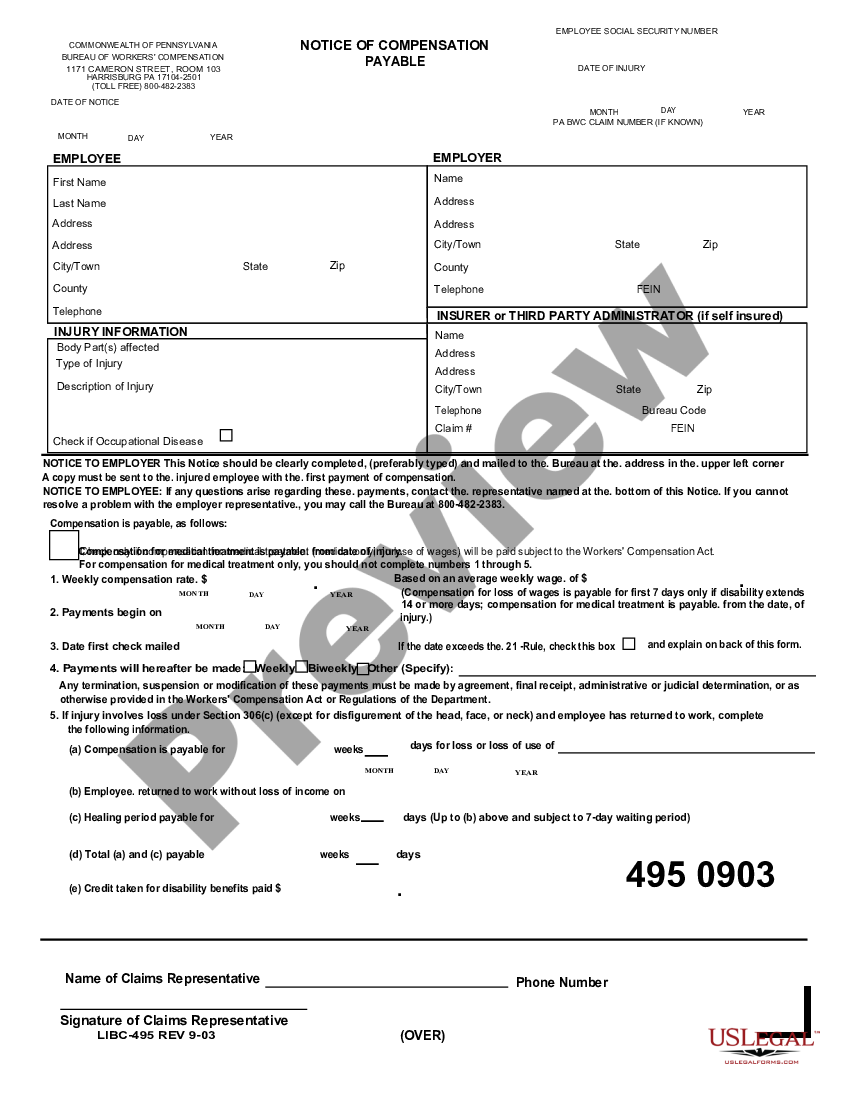
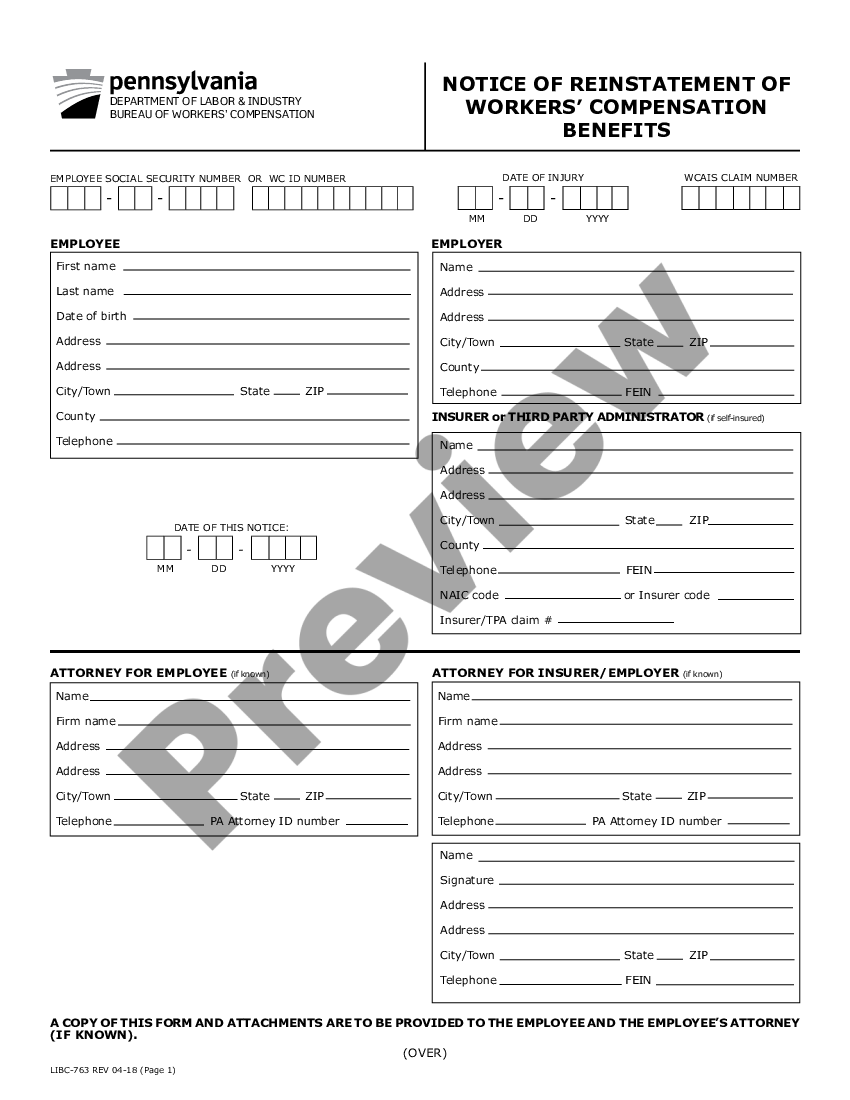
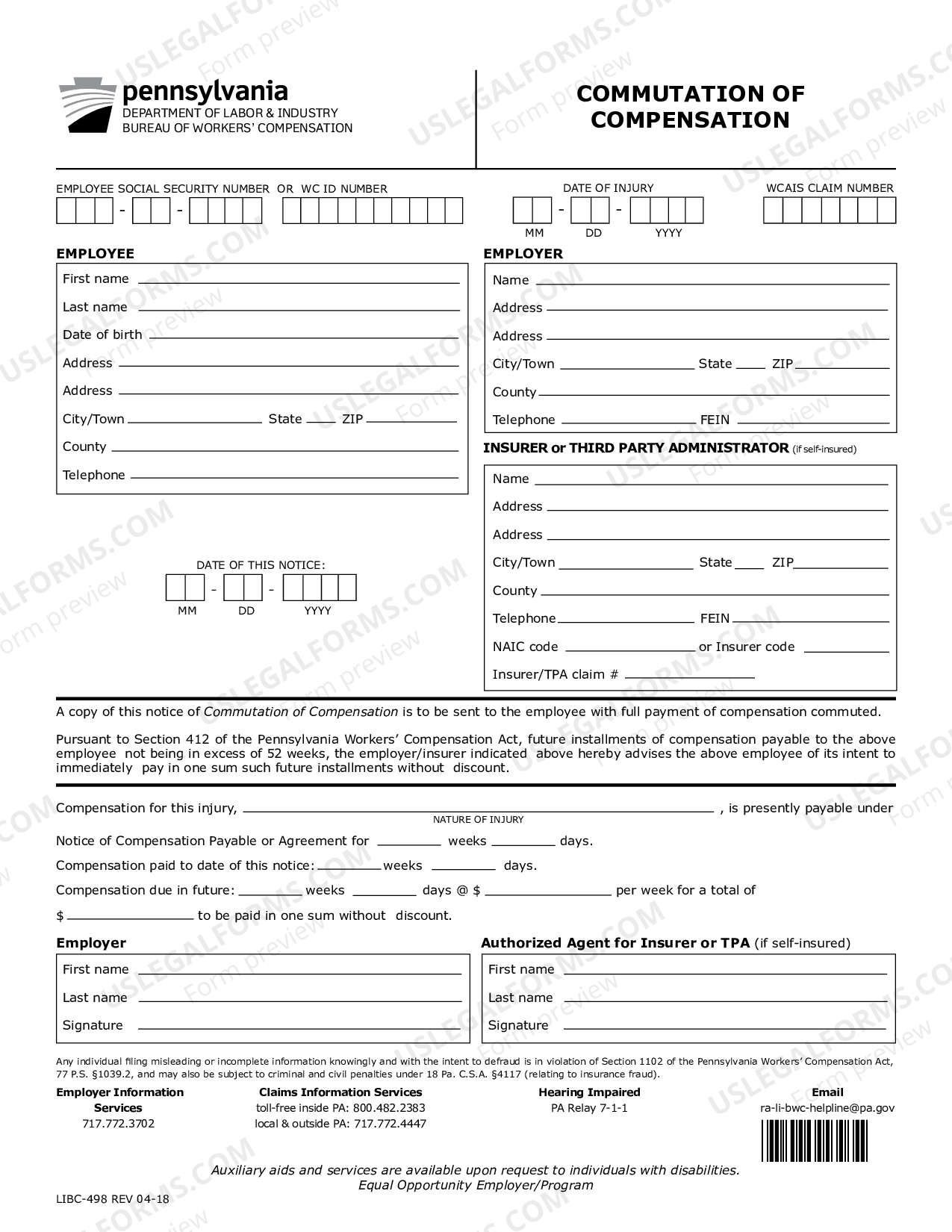
Workers Compensation Forms for Medical Providers in PA
Navigating the administrative requirements of Pennsylvania’s workers' compensation system requires medical providers to accurately complete, submit, and manage specific standardized documentation to ensure proper patient care and timel...
Navigating the administrative requirements of Pennsylvania’s workers' compensation system requires medical providers to accurately complete, submit, and manage specific standardized documentation to ensure proper patient care and timely reimbursement.
Contents
Medical providers treating injured workers in Pennsylvania must navigate a precise administrative framework governed by the Pennsylvania Department of Labor and Industry’s Bureau of Workers' Compensation. Whether you operate an independent practice, manage a large hospital network, or work within a specialized occupational health clinic, understanding the correct forms, submission timelines, and statutory requirements is essential. This guide outlines the key workers compensation forms for medical providers in PA, detailing when to use them, how to complete them accurately, and what steps to take to avoid claim delays or payment disputes.
Understanding the Pennsylvania Workers’ Compensation Landscape for Providers
The Pennsylvania Workers’ Compensation Act establishes the rules under which employees receive medical treatment for work-related injuries and occupational diseases. For medical providers, this system introduces unique administrative obligations that differ significantly from standard private health insurance claims. Unlike traditional group health insurance, workers' compensation involves multiple stakeholders: the injured employee, the employer, the employer’s workers' compensation insurance carrier, and the Bureau of Workers’ Compensation.
Providers must recognize that treatment authorization, billing, and clinical reporting are tightly bound to statutory timelines. Failing to submit the correct paperwork can lead to delayed payments, denied reimbursement, or disputes regarding the reasonableness and necessity of medical treatment. Pennsylvania law requires specific clinical disclosures to ensure that employers and insurers remain informed about the worker's functional capacity, work restrictions, and projected recovery timeline.
Furthermore, medical providers must be mindful of fee caps and utilization review procedures established under the Act. Treatment must align with the official treatment guidelines adopted by the Bureau, and billing must be submitted on standardized national forms alongside the mandatory state-specific reporting documents.
Essential Forms Every PA Medical Provider Must Know
To maintain compliance and facilitate smooth claims processing, medical providers must master a core set of documents. While commercial billing utilizes standard CMS-1500 or UB-04 forms, the Pennsylvania workers' compensation system relies on specific clinical and administrative forms generated at various stages of the injury lifecycle.
The primary forms relevant to medical providers include documents designed to report initial treatment, verify ongoing medical necessity, and communicate work status changes. Below is a breakdown of these critical documents and their operational functions.
Key Workers' Compensation Forms in Pennsylvania
| Form Name / Identifier | Primary Purpose | When It Must Be Completed / Submitted |
|---|---|---|
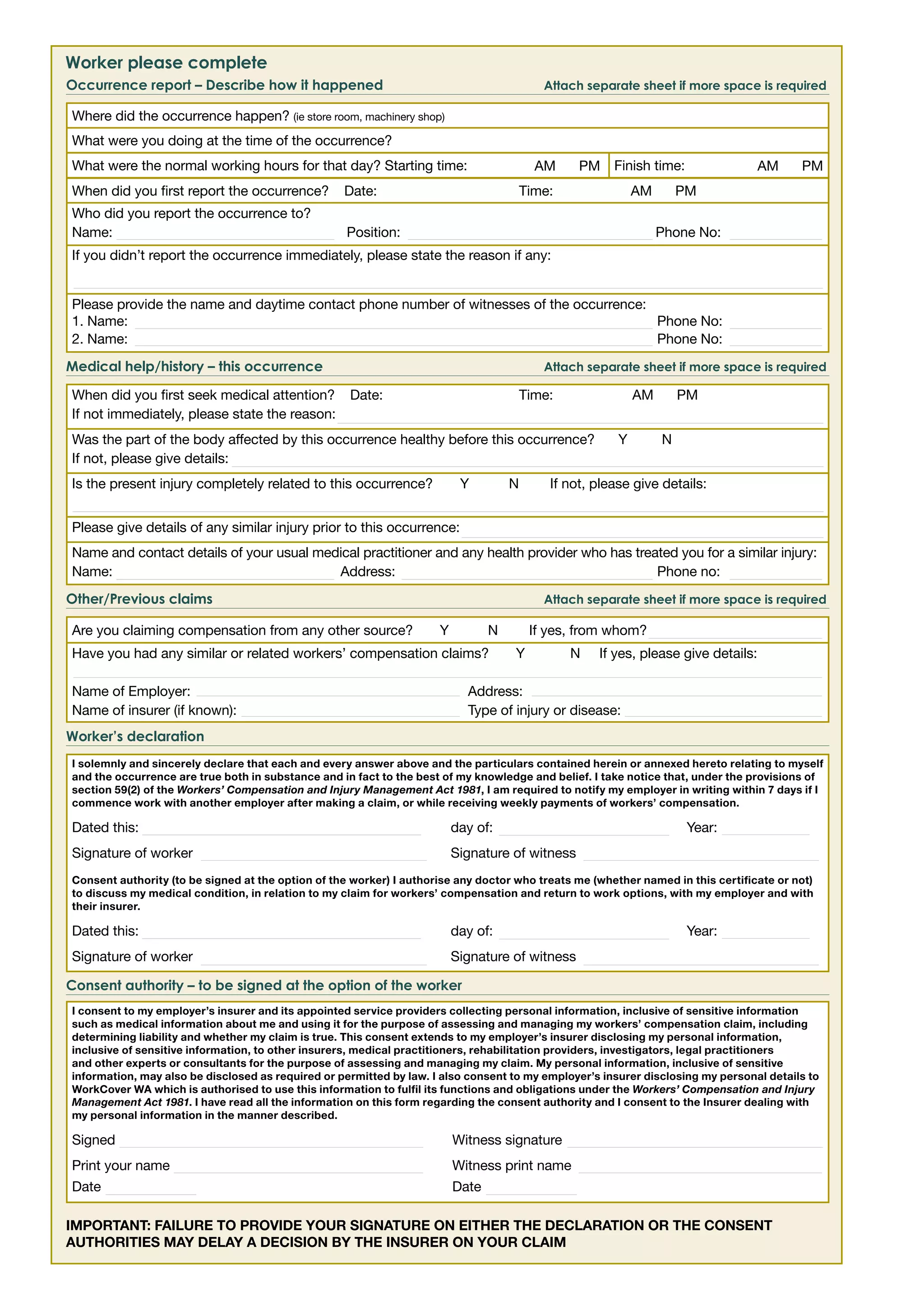
| LIBC-9(A) / Employee's Report of Injury | Documents the employee's initial account of the accident and injury. | Completed by the employee, but providers should verify details match clinical intake. |
| LIBC-496 / Periodic Report for Compensable Injuries | Summarizes ongoing medical status, treatment plans, and work capacity. | Submitted by the provider at regular intervals or upon insurer request. |
| LIBC-751 / Physician's Report of Occupational Disease | Specifically addresses occupational illnesses and chronic exposure claims. | Submitted upon initial diagnosis of a work-related disease. |
| CMS-1500 / UB-04 | Standard billing and coding forms for professional and institutional services. | Submitted alongside required clinical notes for all medical reimbursement. |
The Initial Treatment and Reporting Phase
When an injured worker first presents for medical evaluation, the provider's immediate priority is delivering appropriate clinical care while establishing the baseline documentation required by the employer’s insurance carrier.
During the initial visit, the provider must document a comprehensive history that explicitly connects the injury or condition to the patient's employment duties. If the patient attributes their condition to a specific workplace incident or repetitive occupational exposure, this must be clearly stated in the medical record. Insurers closely scrutinize the initial history for consistency; discrepancies between the intake notes and the employer’s First Report of Injury can trigger a Notice of Compensation Denial (NCD).
Providers should also secure the correct billing coordinates during this first encounter. This includes identifying the exact workers' compensation insurance carrier, the claim number (if established), and the employer's contact information. Relying on the patient's private health insurance information for a known work-related injury can result in billing rejections and significant administrative friction later on.
Communicating Work Status and Functional Restrictions
One of the most critical responsibilities for a medical provider in the Pennsylvania workers' compensation system is issuing clear, definitive statements regarding the patient's ability to work. Employers and insurers rely on these assessments to determine wage-loss benefits and manage light-duty return-to-work programs.
Every clinical report following an evaluation must explicitly address work capacity using standardized categories:
- Total Disability: The employee is entirely unable to perform any type of gainful employment due to the medical condition.
- Partial/Light-Duty Disability: The employee can perform work, but with specific, medically justified restrictions (e.g., lifting limits, sitting or standing tolerances, or restrictions on repetitive movements).
- Full Recovery / Release: The employee has returned to pre-injury status and can resume all regular job duties without restriction.
When assigning work restrictions, providers must be as specific as possible. Vague statements such as "light duty only" or "return to work as tolerated" often lead to legal disputes or inappropriate job assignments. Quantifying limits—such as "no lifting over 10 pounds for four weeks" or "requires a 10-minute rest break every hour"—protects the patient's health and provides clear operational guidance to the employer.
Billing, Fee Schedules, and Reimbursement Rules
Medical billing under the Pennsylvania Workers’ Compensation Act is governed by a strict fee schedule established by the Bureau of Workers' Compensation. Providers cannot bill workers' compensation patients directly for covered treatment related to the accepted injury; instead, they must seek reimbursement exclusively from the employer or their insurance carrier.
The fee schedule caps the maximum allowable reimbursement for specific medical procedures based on standardized codes, such as Current Procedural Terminology (CPT) codes and Healthcare Common Procedure Coding System (HCPCS) codes. If a procedure does not have a designated fee in the state schedule, reimbursement is generally calculated based on a percentage of the provider's usual and customary charges or specific statutory formulas.
To ensure timely payment, providers must submit itemized bills accompanied by the necessary medical records and treatment notes. Under Pennsylvania regulations, insurers generally have 30 days from the date they receive a complete bill and medical report to pay the provider or file a formal challenge (known as an Application for Fee Review) if they believe the charges exceed the fee schedule or represent unnecessary treatment.
Common Compliance Mistakes and How to Avoid Them
Administrative oversights are the leading cause of delayed payments, contested claims, and friction between medical providers and workers' compensation insurers. Recognizing and avoiding these frequent pitfalls can streamline practice operations.
- Omitting Detailed Treatment Notes: Submitting a billing form without comprehensive clinical notes makes it impossible for insurers to verify the medical necessity of the care provided. Always attach complete SOAP (Subjective, Objective, Assessment, Plan) notes to billing submissions.
- Failing to Track Utilization Review Standards: If an insurer challenges the frequency or duration of treatment, they may file for Utilization Review (UR). Providers must respond promptly to UR requests with supporting clinical rationale to defend ongoing care plans.
- Using Incorrect Billing Codes: Outdated or mismatched CPT codes frequently trigger automated rejections. Providers must ensure their billing staff utilizes current coding manuals and aligns charges precisely with the documented clinical services.
- Ignoring Independent Medical Examination (IME) Requests: Insurers have the statutory right to request that an injured worker attend an IME. While coordinated primarily with the patient, providers should cooperate with medical record requests to maintain continuity of care documentation.
Frequently Asked Questions
Can a medical provider in Pennsylvania balance bill a workers' compensation patient?
No. Under the Pennsylvania Workers’ Compensation Act, medical providers are prohibited from balance billing an injured worker for any difference between their billed charges and the amount paid by the workers' compensation insurer pursuant to the fee schedule. The provider must accept the authorized payment as payment in full for covered services.
What happens if an insurance carrier denies a workers' compensation claim?
If the employer or insurer issues a Notice of Compensation Denial, the injury is not recognized under the workers' compensation system. In such cases, the provider may submit the charges to the patient's group health insurance plan or private health insurance, subject to the terms and co-pays of that policy, while the legal dispute regarding the work-relatedness of the injury is litigated before a workers' compensation judge.
How are medical records requested during a workers' compensation dispute?
Insurers, employers, and legal counsel frequently request medical records to evaluate ongoing claims. Providers must comply with legitimate requests while adhering to state and federal privacy standards, such as HIPAA, ensuring that only records relevant to the work-related injury are disclosed.
Are pre-authorizations required for medical treatments in PA workers' comp?
While Pennsylvania law does not maintain a universal mandatory pre-authorization mandate for all medical services, many insurance carriers and managed care organizations utilize internal pre-certification programs. Providers are strongly advised to verify pre-authorization requirements with the specific carrier prior to performing elective surgeries, specialized imaging, or prolonged physical therapy regimens.
Conclusion and Next Actions
Successfully managing workers' compensation documentation in Pennsylvania requires diligence, adherence to statutory reporting timelines, and clear clinical communication. Providers should audit their intake workflows to ensure that initial injury reports accurately reflect workplace causal relationships, work restrictions are explicitly quantified, and billing submissions strictly comply with Bureau fee schedules. For specific regulatory updates and official document access, consult the Pennsylvania Department of Labor and Industry Bureau of Workers' Compensation.
Image Gallery