Iconic Performances: A Retrospective of TV Shows Featuring Lynn Hamilton
Lynn Hamilton was a trailblazing American actress whose career spanned over four decades, leaving an indelible mark on television history, particularly through her authentic portrayal of complex, grounded characters. Best known for her...
Lynn Hamilton was a trailblazing American actress whose career spanned over four decades, leaving an indelible mark on television history, particularly through her authentic portrayal of complex, grounded characters. Best known for her recurring role as Donna Harris on the groundbreaking sitcom Sanford and Son, Hamilton’s work provided a vital window into the lives of Black Americans during the 1970s and beyond. Her filmography serves as a testament to her versatility, ranging from comedic timing in classic sitcoms to dramatic depth in episodic television and made-for-TV movies, making her a vital figure for historians of 20th-century American broadcast media.
Contents
The Legacy of Lynn Hamilton in Television
Lynn Hamilton’s journey in the entertainment industry was defined by an ability to navigate the shifting landscape of American television. Born in Yazoo City, Mississippi, and raised in Chicago, she arrived in Los Angeles during an era when the presence of Black actors in prominent, multidimensional roles was only beginning to expand. While many of her contemporaries were limited by restrictive archetypes, Hamilton brought a unique nuance to her performances, often playing characters who served as the moral or logical center of a narrative.
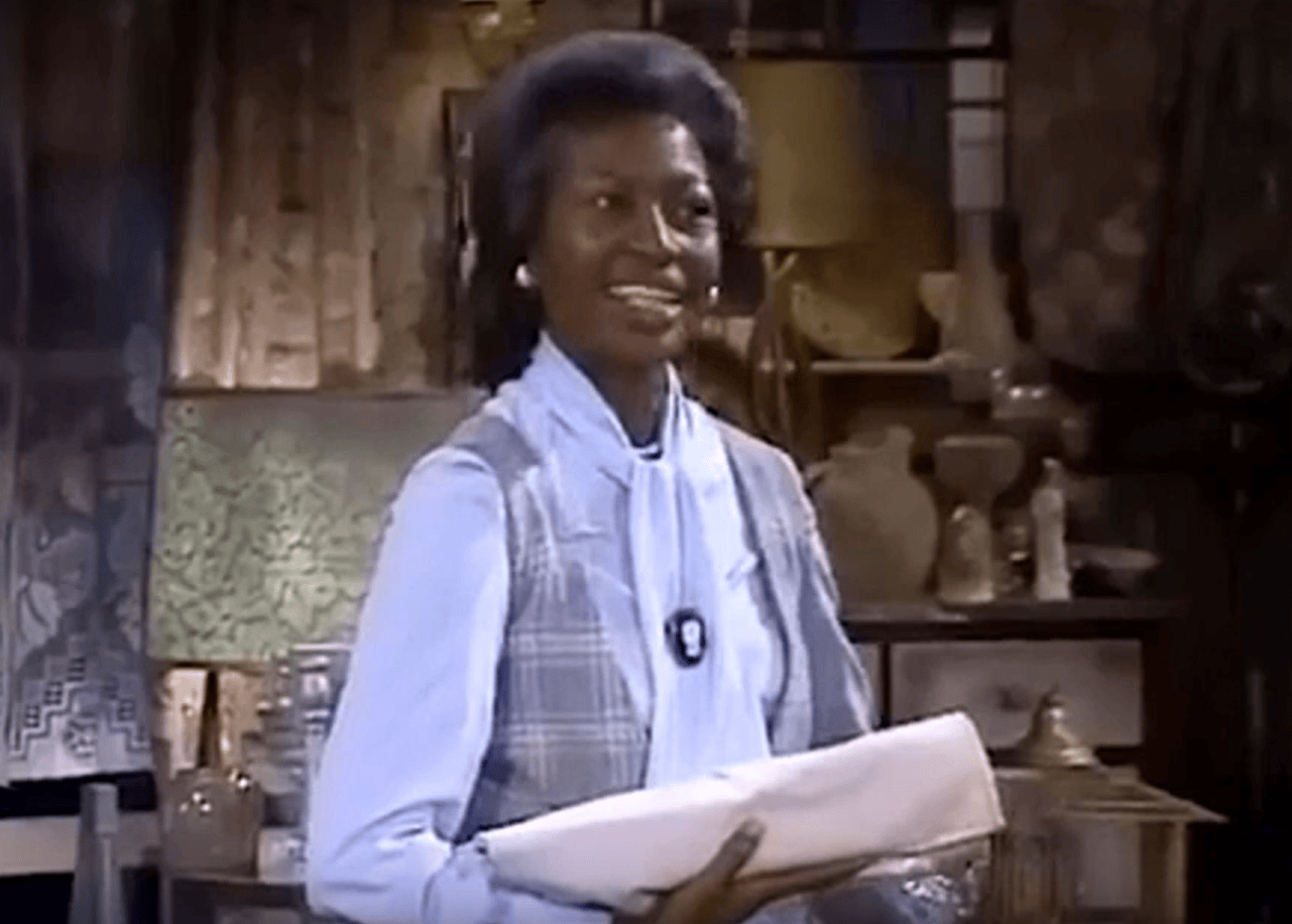
Her most significant contribution to the medium began in 1972 with Sanford and Son. As Donna Harris, the long-term girlfriend of Fred Sanford (played by Redd Foxx), Hamilton offered a sophisticated, calm, and patient contrast to the frantic energy of the show’s protagonist. This role was transformative for television, as it presented a stable, middle-class Black professional woman in a relationship with a blue-collar widower, challenging social assumptions of the time.
Defining Roles: From Sanford and Son to Dramatic Guest Appearances
While Sanford and Son cemented her place in popular culture, Hamilton’s television career was expansive. She appeared in numerous programs that were critical to the development of modern procedural and ensemble dramas. Her ability to transition between comedy and heavy drama allowed her to remain a working actor for years, often appearing as a guest star in high-profile series that defined their respective decades.
Key Television Appearances
The following table highlights selected notable appearances in television shows featuring Lynn Hamilton, showcasing her range across different genres.
| Show Title | Role/Character | Years Active | Genre |
|---|---|---|---|
| Sanford and Son | Donna Harris | 1972–1977 | Sitcom |
| The Waltons | Verdie Grant Foster | 1972–1978 | Period Drama |
| Good Times | Various Roles | 1974–1979 | Sitcom |
| Roots: The Next Generations | Sarah | 1979 | Miniseries |
| Generations | Grandma Ivy Baker | 1989–1991 | Soap Opera |
| The Practice | Judge | 1997–1998 | Legal Drama |
The Significance of Verdie Grant Foster
Beyond her work in comedy, Hamilton’s role as Verdie Grant Foster on The Waltons is often cited by scholars as a significant achievement. As one of the few recurring Black characters on the show, Verdie was depicted as a person of dignity, independence, and resilience within the rural, segregated setting of Virginia in the 1930s and 1940s. Hamilton’s performance in this series demonstrated her capacity to ground historical narratives with emotional weight, ensuring that her characters were not mere tokens but essential contributors to the story’s fabric.
Impact on 1970s Television Diversity
The 1970s represented a period of radical shift for American television, moving away from idealized, monochromatic suburbia toward more diverse storytelling. Hamilton was an essential participant in this movement. Shows like Sanford and Son and Good Times utilized the talents of actors like Hamilton to explore themes of race, economics, and community, all while operating within the conventions of the situation comedy.
Hamilton’s approach to acting was characterized by a distinct "lived-in" quality. In an industry that often relied on broad strokes, she brought a quiet authority to her scenes. This was particularly evident in her work on Roots: The Next Generations, where she navigated the historical trauma of the narrative with a level of restraint that resonated deeply with audiences. Her participation in such landmark television events solidified her reputation as an actress capable of handling heavy cultural themes with grace.
Later Career and Continued Influence
As the industry progressed through the 1980s and 1990s, Hamilton continued to work steadily, adapting to new formats. Her transition into the daytime soap opera genre with Generations—which was notable for being one of the first soap operas to center on a Black family—showcased her ability to carry narrative weight over long-running arcs.
Later in her career, she took on roles in legal dramas such as The Practice, proving that her screen presence remained as sharp as ever. Even as her appearances became more sporadic, her historical importance continued to grow. For television historians in 2026, Hamilton’s career provides a roadmap of the evolution of Black representation in broadcast media, showing the incremental but vital progress from background guest roles to fully realized, recurring characters.
Expert Guidance: How to Revisit Hamilton’s Body of Work
For viewers interested in exploring the work of Lynn Hamilton in 2026, many of the classic shows she appeared in are available through digital distribution platforms and streaming services that curate vintage television content.
Navigating the Archives
- Prioritize the Classics: Start with Sanford and Son to see her most iconic comedic performance. The chemistry between her and Redd Foxx is essential viewing for understanding 1970s sitcom dynamics.
- Explore Dramatic Range: Locate episodes of The Waltons where Verdie Grant Foster appears. These episodes provide insight into how Hamilton used character depth to challenge the constraints of 1970s television writing.
- Use Streaming Search Tools: Many platforms allow for "cast" filtering. Searching by "Lynn Hamilton" on databases like IMDb or official network archives will reveal a complete list of episodic appearances.
- Contextualize the Viewing: When watching programs from the 1970s, it is helpful to understand the production climate of the time. Engaging with secondary source commentary regarding the social impact of shows like Sanford and Son can enhance the viewing experience.
Frequently Asked Questions
Did Lynn Hamilton appear in every episode of Sanford and Son?
No. Lynn Hamilton appeared as a recurring character, Donna Harris, rather than a main cast member. Her appearances were strategically placed throughout the series to highlight her relationship with Fred Sanford, appearing in approximately 20 episodes during the show's run.
What is the best way to watch the episodes featuring Lynn Hamilton?
Many of the series in which Hamilton appeared, such as Sanford and Son and The Waltons, are frequently syndicated on retro-television networks and available on major streaming platforms. Check official provider websites for the most current availability as of 2026.
How did Hamilton’s background influence her acting style?
Hamilton often drew upon her own life experiences as an African American woman moving through different regions of the United States. Her upbringing in Chicago and subsequent career in Los Angeles informed her ability to play characters with a grounded, realistic perspective that stood out against the more heightened comedic acting styles of the era.
Were her roles in the 1970s considered pioneering?
Yes. At the time, depictions of Black relationships and professional lives on national television were rare. By playing characters like Donna Harris, who was often depicted as independent and poised, Hamilton helped broaden the scope of what types of roles were available to Black actresses in the mid-to-late 20th century.
Conclusion and Next Actions
Lynn Hamilton’s career is a cornerstone of American television history, characterized by professional longevity and a commitment to authentic representation. Her legacy is best honored by revisiting the programs that defined her career, not merely for nostalgia, but for a deeper understanding of the evolution of the television medium. To continue your study of her contributions, consider exploring the episode guides of Sanford and Son and The Waltons to identify her specific appearances and analyze how her performances maintained consistency across different showrunners and production styles. By focusing on her specific body of work, viewers can gain a better appreciation for the subtle, powerful shifts that occurred in American broadcast media during her long and storied career.
Image Gallery