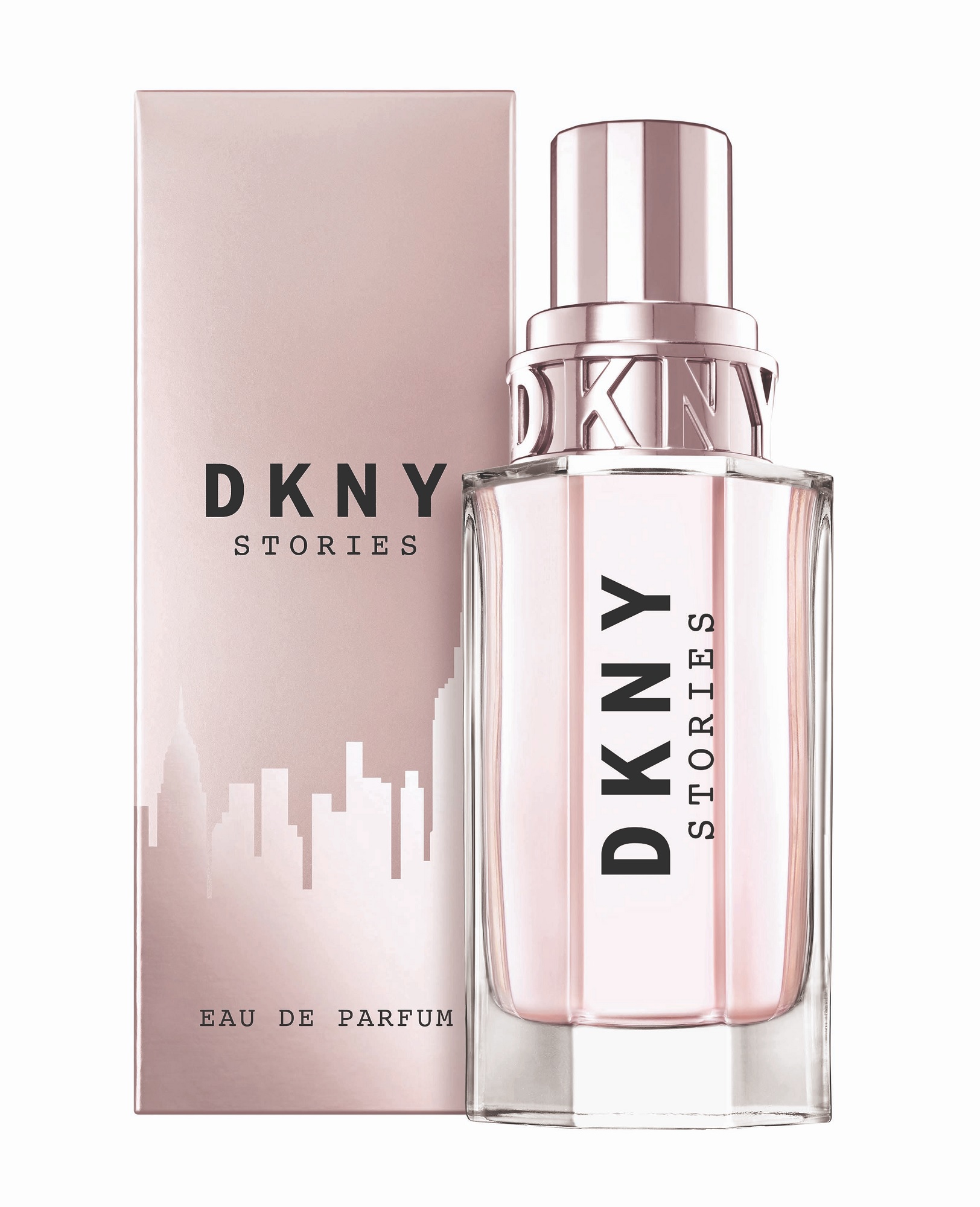
Donna Karan vs. DKNY: Understanding the Critical Differences Between the Iconic Brands
Donna Karan and DKNY are distinct fashion labels that operate under the same parent company but serve different market segments. Donna Karan is the flagship luxury brand, focusing on high-end designer apparel and sophisticated silhouet...
Donna Karan and DKNY are distinct fashion labels that operate under the same parent company but serve different market segments. Donna Karan is the flagship luxury brand, focusing on high-end designer apparel and sophisticated silhouettes. DKNY, or Donna Karan New York, is the contemporary diffusion line, offering urban-inspired, accessible fashion at a lower price point for a broader audience.
Contents
Confusion between Donna Karan and DKNY is common, as both share the heritage of their legendary founder. However, for a consumer or a fashion professional in 2026, understanding the nuances between these two entities is essential for navigating quality, price, and brand intent. While they share a DNA rooted in the energy of New York City, their execution, material choice, and target demographics represent two different tiers of the fashion industry.
The Origins and Philosophical Foundations
To understand why Donna Karan is not the same as DKNY, one must look at the historical context of their creation. Donna Karan founded her namesake company in 1984 with her late husband, Stephan Weiss. Her debut collection, "Seven Easy Pieces," revolutionized how professional women dressed. The philosophy was simple but profound: a woman only needed a few interchangeable items to create a full wardrobe that could take her from the office to an evening event. The Donna Karan brand was built on the concepts of sensuality, comfort, and luxury, primarily using high-end fabrics like cashmere and silk.
In 1989, five years after the initial launch, Karan introduced DKNY. The inspiration for this new line came from her daughter, Gaby. Karan realized that the main line was too expensive and perhaps too sophisticated for her daughter’s generation and the everyday needs of a younger, more fast-paced demographic. DKNY was designed to be the "pizza to the caviar" of the Donna Karan collection. It captured the frantic, eclectic, and democratic energy of New York street life. While the main line was about the "essence" of a woman, DKNY was about the "energy" of the city.
Brand Positioning: Luxury vs. Contemporary
In the landscape of 2026, the distinction between luxury and contemporary fashion has become more pronounced through digital storytelling and distribution channels.
The Donna Karan Collection (The Gold Standard)
The Donna Karan brand sits in the "luxury" or "designer" tier. It competes with houses like Giorgio Armani or Max Mara. The focus here is on the "art of dressing." In terms of pricing, a piece from the Donna Karan collection—such as a tailored blazer or a signature draped dress—can range from $800 to over $3,000.
The brand uses a more subdued marketing approach, targeting the affluent professional who values understated elegance over visible logos. In the recent 2024-2025 brand relaunch, the label doubled down on its "In Donna Karan" campaign, featuring iconic supermodels to emphasize timelessness and maturity. This brand is not about trends; it is about the architecture of the garment and how it drapes on the human form.
DKNY (The Contemporary Leader)
DKNY occupies the "contemporary" or "attainable luxury" space. It competes with brands like Michael Kors (the MICHAEL line) and Calvin Klein. DKNY is significantly more affordable, with prices typically ranging from $80 to $500.
DKNY is also much more "logo-forward." While you will rarely see "Donna Karan" splashed across a chest in large letters, the "DKNY" block logo is a central design element for its activewear, handbags, and casual tees. It is a lifestyle brand that includes everything from watches and fragrances to home goods, designed for a consumer who wants the designer "look" without the four-figure price tag.
Materiality and Construction
The "technical" reason why Donna Karan is not the same as DKNY lies in the manufacturing and material sourcing. This is where the price discrepancy becomes a matter of tangible quality.
- Fabric Composition: Donna Karan collections frequently utilize natural fibers with complex weaves. You will find double-faced cashmere, heavy-weight silk georgette, and Italian leathers. These materials are chosen for their longevity and their ability to hold the specific drapes that the brand is known for.
- Construction Techniques: A Donna Karan garment often involves more hand-finishing. The "Seven Easy Pieces" legacy means that many items, like the iconic bodysuits, are engineered with internal structures to ensure they stay in place.
- DKNY Production: As a diffusion line, DKNY utilizes more cost-effective production methods to maintain its price point. This often means higher percentages of synthetic blends (polyester, rayon, spandex) and mass-production techniques. While the quality remains high for its price bracket, it is designed for a higher turnover of styles, catering to seasonal trends rather than generational wear.
Distribution and Retail Strategy
Where you find these brands is a clear indicator of their different identities. In 2026, the retail ecosystem has bifurcated these two labels to prevent brand dilution.
Donna Karan is primarily found in high-end department stores like Neiman Marcus, Bergdorf Goodman, and exclusive international boutiques. The shopping experience is tailored and personalized, reflecting the premium price point.
DKNY has a much broader footprint. It is a staple in mid-to-high-tier department stores such as Macy’s and Nordstrom, and it maintains a strong presence in premium outlet malls. Furthermore, DKNY has a massive global licensing arm. This means you will see the DKNY name on luggage, hosiery, and bedding in retailers that would never carry the Donna Karan main line.
Comparative Overview: Donna Karan vs. DKNY
The following table highlights the structural and aesthetic differences between the two brands as they stand in 2026.
| Feature | Donna Karan (Main Line) | DKNY (Diffusion Line) |
|---|---|---|
| Market Segment | Luxury / Designer | Contemporary / Attainable Luxury |
| Founding Year | 1984 | 1989 |
| Core Aesthetic | Sophisticated, Draped, Sensual | Urban, Edgy, Fast-paced |
| Price Range (USD) | $500 – $4,000+ | $50 – $600 |
| Primary Materials | Cashmere, Silk, Fine Wool, Italian Leather | Jersey, Denim, Synthetic Blends, Nylon |
| Branding Style | Minimalist, discreet labeling | Logo-centric, bold typography |
| Target Audience | Mature, affluent professionals | Younger, trend-conscious urbanites |
| Product Breadth | Apparel, high-end accessories | Apparel, footwear, watches, home, fragrance |
Ownership and Evolution: The G-III Era
A significant reason for the continued distinction between the two is their management under the G-III Apparel Group, which acquired both brands from LVMH in 2016. Under LVMH, the Donna Karan main line was actually suspended for a period to focus entirely on DKNY. However, G-III recognized that the heritage of the "Donna Karan" name held immense value in the luxury space.
By 2024, G-III successfully relaunched the Donna Karan New York brand (often referred to simply as Donna Karan) to sit above DKNY. This move was strategic: it allowed the company to capture the "quiet luxury" trend with the main line while continuing to dominate the logo-driven contemporary market with DKNY. As of 2026, both brands are thriving because they no longer try to be each other. They share a common history but operate with different designers, different supply chains, and different marketing budgets.
Common Misunderstandings and How to Verify
When shopping, especially in the secondary or vintage market, it is easy to get confused. Labels that say "Donna Karan New York" in a sophisticated, serif font generally belong to the luxury re-launch or the vintage main line. Labels that feature the bold, sans-serif "DKNY" block letters belong to the diffusion line.
Another area of confusion is the "Donna Karan Cashmere Mist" fragrance. While it bears the Donna Karan name, it is often marketed alongside DKNY products because of its broad appeal. In the world of licensing (perfumes, eyewear, watches), the lines often blur, but in the world of apparel—where the design intent is most visible—the separation remains strict.
Frequently Asked Questions
Is Donna Karan still involved with the brands?
As of 2026, Donna Karan herself is no longer the lead designer or owner of the brands. She stepped down from her eponymous company in 2015 to focus on her Urban Zen initiative, which focuses on wellness and artisanal craft. While she remains the inspiration and the face of the brand's heritage, the current collections are produced by the design teams at G-III Apparel Group.
Which brand is of better quality?
The Donna Karan main line is objectively higher in quality regarding materials and construction. It uses premium fabrics like Italian silks and high-grade cashmere. DKNY is designed for durability and style at a more accessible price point but uses more synthetic blends and mass-manufacturing processes.
Why is DKNY more famous than the main Donna Karan line?
DKNY achieved massive global fame in the 1990s due to its iconic "DKNY" logo and its more affordable price point. It became a symbol of "New York cool" for a generation of young people. Because it is sold in more locations and includes more product categories (like the famous "Be Delicious" apple-shaped perfume), it has higher brand recognition among the general public.
Does DKNY stand for Donna Karan New York?
Yes, DKNY is an acronym for Donna Karan New York. It was created to represent the spirit and energy of the city that inspired the founder, specifically catering to a younger, more active demographic than her original luxury line.
Are the sizes the same between Donna Karan and DKNY?
Generally, no. Donna Karan (the main line) often follows luxury European or "true-to-size" designer tailoring, which can be more specific. DKNY often uses "contemporary" sizing, which is sometimes slightly more generous or aligned with American mass-market standards to appeal to a wider range of body types.
Final Recommendations for Consumers
When choosing between these two iconic labels, the decision should be based on your intent for the garment. If you are looking for a "legacy piece"—a coat or a dress that you intend to wear for a decade and that offers the highest level of fabric integrity—the Donna Karan collection is the correct investment. It represents the pinnacle of American luxury and the "quiet luxury" aesthetic that remains highly relevant in 2026.
Conversely, if you are looking for stylish, functional, and urban-inspired clothing for daily wear, or if you enjoy the "logomania" and energy of streetwear, DKNY offers exceptional value. It provides the prestige of a designer name with the practicality of contemporary fashion. By understanding that these two brands serve different purposes, you can better curate a wardrobe that balances high-end investment with everyday accessibility.
Image Gallery