North Cover Life Insurance: Life Transition and Beneficiary Experience Platforms
North Cover life insurance platforms provide structured digital management systems designed to simplify policy adjustments during major life events and streamline the claims process for beneficiaries. By combining self-service administ...
North Cover life insurance platforms provide structured digital management systems designed to simplify policy adjustments during major life events and streamline the claims process for beneficiaries. By combining self-service administration portals with dedicated claims processing frameworks, these platforms ensure policyholders can easily update beneficiary designations, adjust coverage limits, and access bereavement support when navigating complex life transitions.
Contents
Understanding Direct Life Insurance and Platform Ecosystems
Direct life insurance models, such as those provided under the North Cover brand, focus on accessible, straightforward coverage options designed without complex upfront medical examinations for baseline policy tiers. These products typically include terminal illness benefits, accidental death cover, and optional serious illness or funeral cost riders. However, the true utility of modern insurance coverage extends beyond the financial policy terms into the underlying customer experience (CX) platform architecture.
Policy administration systems must manage two critical operational phases: active policy management during the policyholder's lifetime (life transitions) and critical claims handling following a life-altering event or death (beneficiary experience).
Modern beneficiary experience platforms integrate secure encryption, electronic identity verification (eIDV), document ingestion engines, and case-management workflows to reduce operational friction. For policyholders and their families, these platforms serve as the single point of truth for policy details, nominated beneficiaries, and financial protection management.
Life Transition Management: Adapting Coverage to Life Events
Life insurance is not a static purchase. Over a multi-decade horizon, policyholders undergo major demographic, financial, and personal changes. A robust life transition platform enables policyholders to execute mid-term policy adjustments dynamically to ensure coverage mirrors current liabilities.
- Life Event Occurs
- Marriage / Divorce: Update Beneficiary & Joint Status
- Birth / Adoption: Increase Sum Insured / Add Dependents
- Home Purchase / Loan: Adjust Coverage Tier
- Retirement / Aging: Review Indexation & Funeral Benefit Options
Key Life Transitions Requiring Policy Updates
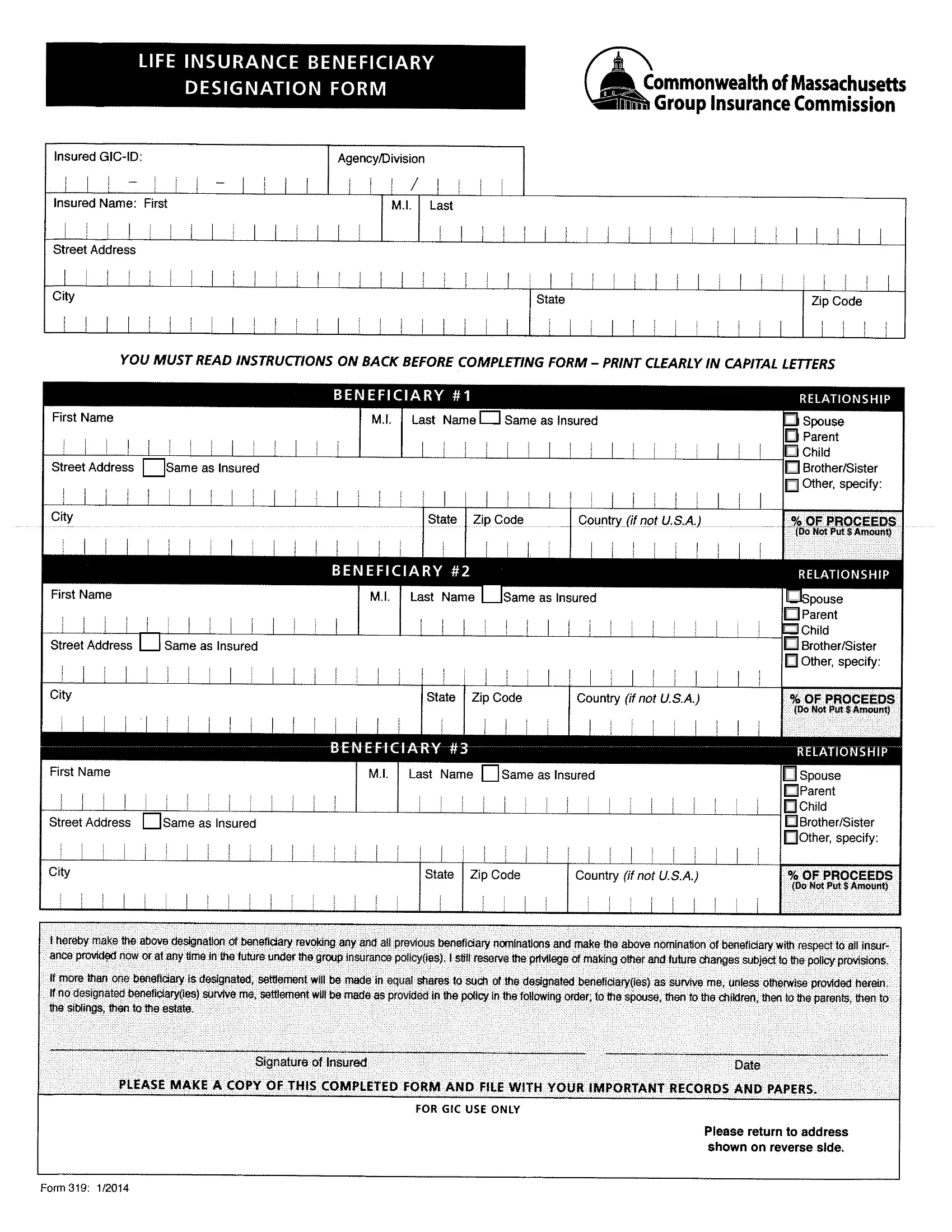
Marriage, Civil Partnerships, and DivorceLegal changes in relationship status require immediate review of policy ownership and beneficiary nominations. In direct insurance platforms, primary beneficiary designations do not always update automatically upon marriage or legal separation. Policyholders must submit formal nomination updates to prevent estate disputes or unintended benefit distributions.
Birth or Adoption of ChildrenExpanding a family increases long-term financial obligations. Transition platforms allow policyholders to request coverage increases (subject to policy terms and age limits) and nominate secondary or contingent beneficiaries, such as testamentary trusts established for minor children.
Mortgage Acquisition and Debt LiabilitiesSecuring a home loan or taking on significant financial liabilities often requires scaling up the total sum insured. Platform tools provide calculators that evaluate outstanding principal balances against current income replacement needs to recommend adjusted coverage tiers.
Career Changes and Income ShiftsChanges in household income may prompt policyholders to evaluate annual indexation options. Indexation automatically increases the sum insured annually to offset inflation, but platforms allow users to pause or opt out of indexation during tighter financial periods.
Estate Planning and Retirement TransitionAs policyholders age into retirement, active income protection needs diminish, while guaranteed acceptance options, funeral benefits, and estate transfer considerations become paramount. Life transition portals allow policyholders to transition active policies into structured estate packages without losing accrued policy rights.
Technical Architecture of Beneficiary Experience Platforms
When a policy claim occurs, the operational focus shifts from the policyholder to the designated beneficiaries. Historically, beneficiary experience in the insurance sector suffered from long paper trails, ambiguous requirements, and poor communication. Modern beneficiary experience platforms resolve these bottlenecks through automated, empathy-driven digital architecture.
| Component | Description |
|---|---|
| 1. Intake Portal | Web/Mobile Digital Claim Submission |
| 2. Identity & Verification | eIDV System & Fraud Mitigation Engine |
| 3. Processing Engine | Automated Document OCR & Assessors Queue |
| 4. Communication Tier | Real-Time SMS/Email Status Dashboard |
| 5. Settlement Engine | Electronic Funds Transfer (EFT) Engine |
Core Components of Modern Beneficiary Portals
- Digital Claims Intake Engine: Allows beneficiaries or legal representatives to initiate claims via a secure web interface without requiring physical form mailings.
- Automated Identity Verification (eIDV): Integrates with government databases and verification APIs to validate beneficiary identities instantly, mitigating identity theft risks.
- Document Ingestion & OCR Processing: Uses Optical Character Recognition (OCR) to scan medical certificates, death certificates, and legal identification, accelerating document indexing for claims assessors.
- Real-Time Status Tracking Dashboard: Provides beneficiaries with visibility into every stage of their claim, detailing received documents, pending reviews, and expected payout schedules.
- Direct Payout Routing: Integrates directly with banking networks to process fast Electronic Funds Transfers (EFT) once a claim is approved, often enabling advance payout features for immediate funeral expenses.
Comparing Traditional Claims Handling vs. Digital Beneficiary Platforms
| Operational Metric | Traditional Manual Claims Process | Digital Beneficiary Experience Platform |
|---|---|---|
| Claim Initiation | Physical paper form requested via phone and sent via mail | Immediate digital intake via secure online portal |
| Identity Verification | Notarized paper copies of ID mailed to insurer | Real-time electronic identity verification (eIDV) |
| Document Processing Time | 10 to 30 business days manual mail review | Instant OCR scanning and priority indexing (1 to 3 days) |
| Status Updates | Inbound phone calls during business hours | 24/7 self-service dashboard with automated SMS/email alerts |
| Advance Expense Payout | Requires manual manager override and postal checks | Automated advance funeral benefit release upon verification |
| Beneficiary Support | Basic call-center queuing | Dedicated case manager assignment with digital chat support |
Step-by-Step Guide for Beneficiaries Initiating a Claim
Filing a life insurance claim can feel overwhelming during a period of grief. Following a standardized process ensures rapid review and prevents unnecessary processing delays.
- Step 1: Locate Policy Details
- Gather policy number, full legal name, and date of birth of the deceased.
- Step 2: Obtain Official Documentation
- Secure the official Death Certificate and Medical Certificate showing cause of death.
- Step 3: Initiate Claim on the Digital Platform
- Access the online claim portal, enter beneficiary credentials, and complete initial intake.
- Step 4: Upload Required Evidence & Identity Proof
- Submit clear digital scans of official ID, proof of relationship, and bank transfer details.
- Step 5: Review & Assessment Phase
- The dedicated claims assessor verifies information and requests any additional details.
- Step 6: Payout Settlement
- Approved funds are disbursed directly to the nominated bank account via direct transfer.
Required Documentation Checklist
- Certified Copy of Death Certificate: Issued by the relevant state or national Registrar of Births, Deaths, and Marriages.
- Proof of Identification for Beneficiary: Government-issued photo ID (Passport, Driver’s License).
- Medical Reports or Cause of Death Statement: Completed by the attending physician (required for non-accidental claims or policies within contestability periods).
- Proof of Bank Details: Bank statement header or official document confirming account ownership for electronic disbursement.
- Grant of Probate or Letters of Administration: Required if no valid beneficiary was nominated on the policy and funds must be paid directly to the estate.
Beneficiary Nominations: Binding vs. Non-Binding Distinctions
Understanding how beneficiary designations operate within life insurance platforms is vital to preventing estate distribution issues.
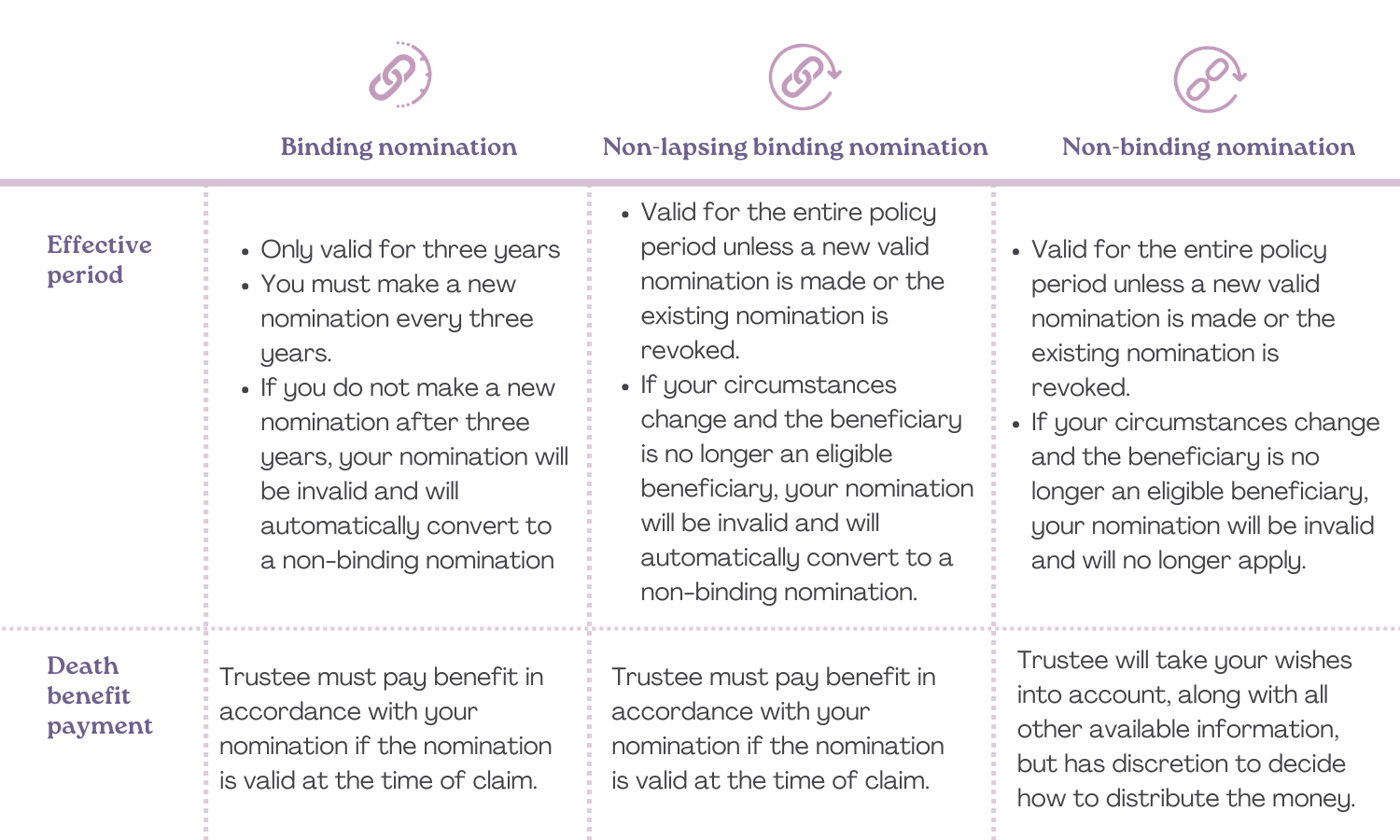
Binding Nominations
A binding beneficiary nomination legally forces the insurer to pay the policy proceeds directly to the designated individual(s) named on the platform, provided the nomination is valid and active at the time of death. Payouts bypass the deceased’s estate, protecting the benefit from estate contestability, probate delays, and estate creditor claims.
Non-Binding (Preferred) Nominations
A non-binding or preferred nomination serves as a formal guide for the insurer’s claims assessment team. While the insurer considers the policyholder’s wishes, the final discretion rests with the trustee or claims administrator to determine the most appropriate recipient based on legal dependencies and financial relationship status at the time of death.
Revocable vs. Irrevocable Nominations
Most direct life insurance platforms utilize revocable nominations, allowing policyholders to change, remove, or adjust beneficiary percentage splits at any time without the consent of the existing beneficiaries. If an irrevocable nomination is applied, any future change requires written consent from the existing named beneficiary.
Bereavement Support and Value-Added Platform Services
Leading beneficiary platforms recognize that handling a claim involves more than financial transfers. Comprehensive platforms integrate value-added support systems to help families navigate practical and emotional challenges.
- Immediate Advance Payouts: Many platforms offer an immediate advance benefit (often up to $10,000 to $15,000) drawn from the total sum insured to cover urgent funeral and memorial costs prior to final claim settlement.
- Financial Counselling Allowances: Policies may include reimbursement provisions for professional financial planning sessions, helping beneficiaries manage lump-sum payouts responsibly.
- Legal and Estate Concierge Services: Access to digital legal toolkits, probate guidance documents, and partner platforms that assist in closing bank accounts, cancelling subscriptions, and managing estate administration.
- Dedicated Claims Case Managers: Assigning a single point of contact to each beneficiary claim provides consistent human guidance through complex claim assessments.
Common Pitfalls and Troubleshooting Claim Delays
While digital beneficiary platforms accelerate claims processing, technical and administrative issues can cause delays. Understanding these failure points helps ensure smooth claims execution.
1. Incomplete or Unclear Documentation
Failing to upload all pages of an official death certificate or submitting blurred images of identification documents triggers manual exceptions, pausing automated workflows until corrected documents are submitted.
2. Contestability and Non-Disclosure Issues
If a claim occurs within the initial contestability window (typically the first 12 to 24 months of policy inception), insurers are legally required to verify that initial application disclosures were accurate. Delays occur if medical records must be requested directly from healthcare providers.
3. Outdated Beneficiary Information
If a nominated beneficiary has changed their legal name, relocated, or passed away without the policy record being updated, the platform must initiate manual legal checks to establish rightful entitlement or locate secondary heirs.
4. Absence of Contingent Beneficiaries
If the sole primary beneficiary predeceases the policyholder and no contingent beneficiary was registered on the platform, benefit proceeds automatically default to the deceased policyholder’s estate, requiring formal probate court validation before disbursement.
Frequently Asked Questions
What is the primary role of a beneficiary experience platform in direct life insurance?
A beneficiary experience platform streamlines and digitizes the entire claims process. It allows named beneficiaries to submit death notifications, upload required identity and medical documents securely online, track claim assessment progress in real time, and receive direct electronic financial payouts with minimal friction.
How do policyholders update beneficiary details during a major life transition?
Policyholders can log into their online customer portal, navigate to the policy management section, select beneficiary settings, and adjust beneficiary names, relationship details, and payout percentage allocations. Changes take effect upon submission or after digital confirmation from the insurer.
What happens if no beneficiary is nominated on a North Cover policy?
If no active beneficiary nomination exists at the time of the policyholder's death, the claim proceeds are paid directly to the policyholder's legal personal representative (the estate). The funds are then distributed according to the deceased's Will or local laws of intestacy, which may involve probate delays and court validation.
Can an advance payout be issued before the full life insurance claim is finalized?
Yes. Modern beneficiary platforms frequently feature an advance funeral benefit option. Upon receiving initial proof of death and basic identity verification, the insurer can release a designated portion of the total sum insured directly to the beneficiary or funeral director to cover immediate costs.
What is the difference between a binding and non-binding beneficiary nomination?
A binding beneficiary nomination legally compels the insurer to pay benefit proceeds directly to the designated individuals. A non-binding nomination acts as an official expression of wish, leaving final payout discretion to the claims administrator based on financial dependency rules at the time of death.
Practical Recommendations for Policyholders and Beneficiaries
- Conduct an Annual Policy Review: Check beneficiary designations every 12 months or immediately following major life events (marriage, birth, divorce, or home purchase).
- Utilize Binding Nominations Where Appropriate: To avoid probate delays and ensure payouts go directly to chosen individuals, confirm whether your platform supports valid binding nominations.
- Store Policy Identifiers Securely: Ensure named beneficiaries or executors know where to locate the policy number, insurer contact details, and online portal access points.
- Ensure Contact Details are Current: Regularly verify that nominated beneficiaries' legal names, phone numbers, email addresses, and physical locations are updated in the platform database.
- Leverage Platform Support Features: If filing a claim, utilize digital uploading tools and request direct assignment of a claims case manager to streamline communication.
Disclaimer: This guide is provided for educational and informational purposes only and does not constitute formal legal, financial, or estate-planning advice. Policyholders and beneficiaries should consult qualified financial advisors or estate attorneys to evaluate specific personal circumstances and legal rights.
Image Gallery