How to Find the Lowest Auto Insurance Rates in Texas
Finding the lowest auto insurance in Texas requires balancing the state’s mandatory minimum liability requirements with personal financial risk tolerance. Because premiums are determined by a complex interplay of geography, driver hist...
Finding the lowest auto insurance in Texas requires balancing the state’s mandatory minimum liability requirements with personal financial risk tolerance. Because premiums are determined by a complex interplay of geography, driver history, vehicle safety ratings, and credit-based insurance scores, there is no single "cheapest" provider for every resident. By utilizing official comparison tools, adjusting coverage limits, and qualifying for specific discounts, drivers can effectively lower their premiums while maintaining legal compliance.
Contents
Understanding Texas Auto Insurance Requirements
To operate a vehicle legally on Texas roadways, drivers must adhere to the state’s mandatory financial responsibility laws. The Texas Department of Insurance (TDI) enforces these standards, which ensure that in the event of an at-fault accident, the policyholder has sufficient coverage to handle basic liabilities.
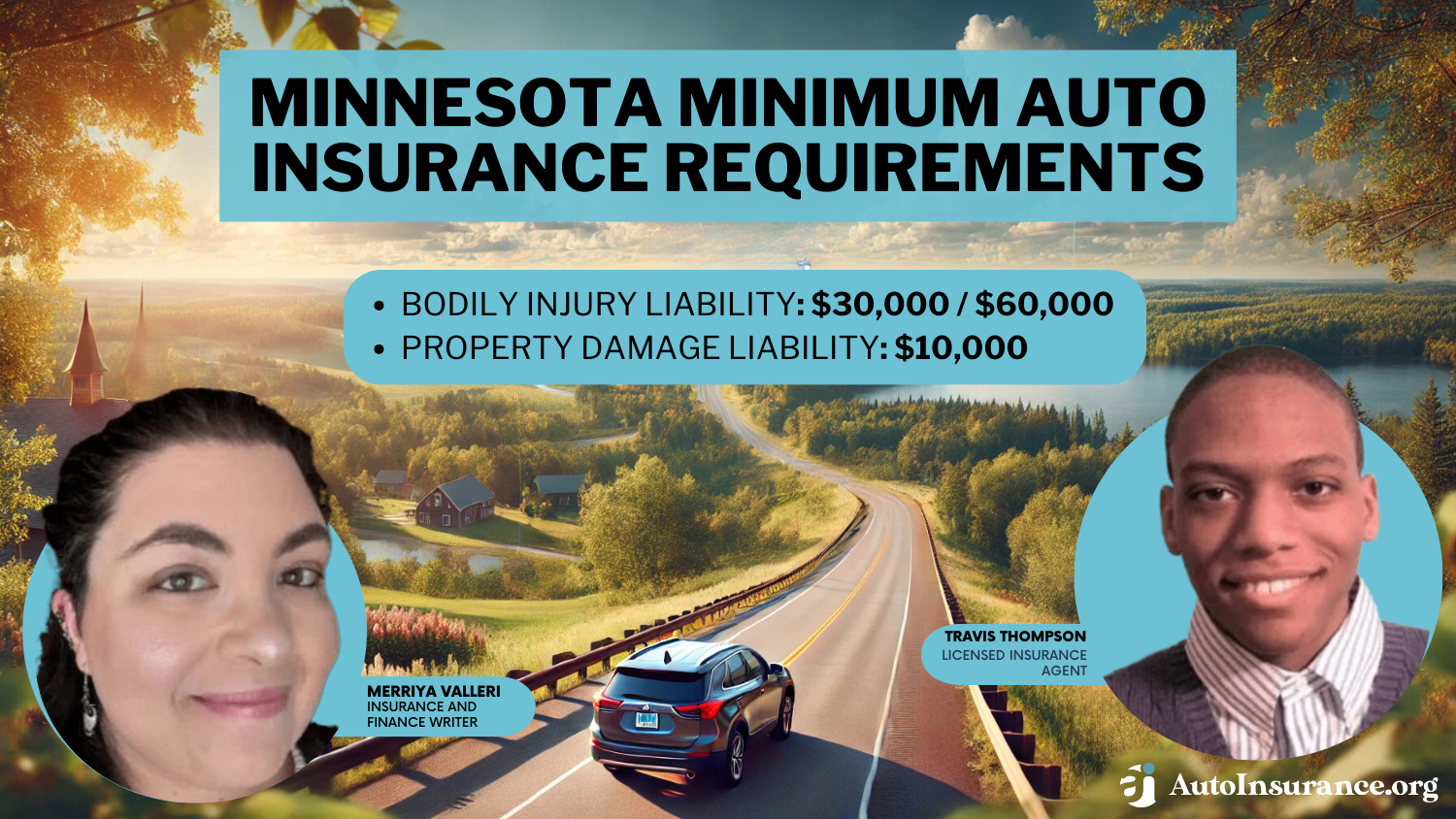
The current minimum liability coverage, often referred to as "30/60/25," includes:
- $30,000 for bodily injury or death of one person per accident.
- $60,000 for total bodily injury or death for all persons per accident.
- $25,000 for property damage per accident.
While selecting these state-mandated minimums is the most common method for achieving the lowest possible monthly premium, it is not always the most cost-effective long-term strategy. If you are found at-fault for an accident that results in damages or medical bills exceeding these caps, you remain personally liable for the remaining balance. Therefore, when searching for the "lowest" rate, evaluate the gap between the premium cost and the financial exposure you are willing to accept.
Primary Factors Influencing Your Premium
Insurance carriers utilize actuarial data to calculate risk. Your quoted rate is a reflection of how likely you are to file a claim based on statistically significant categories.
Geographic Variation
Texas is geographically diverse, and insurance rates fluctuate significantly between urban centers like Dallas, Houston, or Austin and rural counties. Urban areas typically experience higher premiums due to increased traffic density, higher rates of vehicle theft, and a greater frequency of collision claims.
Driver History and Eligibility
A "clean" driving record remains the most significant lever for lowering insurance costs. Points accrued from moving violations, at-fault accidents, and claims histories remain on your record for a specific duration—typically three to five years depending on the carrier. If your record has recent violations, the "lowest" rate for you may look different than for a driver with a perfect history.
Credit-Based Insurance Scores
In Texas, insurers are permitted to use credit-based insurance scores to determine premiums. Statistically, individuals with higher credit scores are often categorized as lower-risk policyholders. If your score is currently low, improving it over time can lead to significant reductions in your renewal premiums.
Comparison Strategy: How to Evaluate Carriers
Rather than relying on marketing slogans, the most effective way to identify the lowest rate is to perform a direct comparison across multiple reputable carriers.
| Feature | High-Liability Policy | Minimum Liability Policy |
|---|---|---|
| Monthly Premium | Higher | Lower |
| Out-of-Pocket Risk | Lower | Higher |
| Legal Compliance | Exceeds Minimums | Meets Minimums |
| Asset Protection | Robust | Minimal |
Utilize Official Resources
The Texas Department of Insurance provides an official HelpInsure.com website. This tool allows consumers to compare sample rates for various insurance companies operating within the state. Because the site uses standardized consumer profiles, it provides an objective baseline that allows you to see how different companies price coverage for similar demographic categories.
Requesting Multiple Quotes
When requesting quotes, ensure you are comparing "apples to apples." If one quote includes Comprehensive and Collision coverage while another does not, the lower price is misleading. Always specify the same deductibles and coverage limits across every quote request to ensure accuracy.
Available Discounts and Cost-Reduction Techniques
Most major insurance providers offer a suite of discounts that can reduce your base premium. Many of these are automated, but others require active enrollment or certification.
- Bundling Policies: If you own a home or rent an apartment, purchasing your auto and property insurance through the same carrier can frequently yield a multi-policy discount.
- Defensive Driving Courses: Texas law allows for a premium discount if you complete a state-approved defensive driving course. Check with your specific insurer regarding their eligible curriculum requirements.
- Telematics Programs: Many carriers now offer "usage-based" or "telematics" programs. By installing a device or using a mobile app to track your driving habits—such as hard braking, speed, and time of day—you may qualify for a significant discount if you prove to be a safe driver.
- Vehicle Safety Features: If your vehicle is equipped with advanced safety systems, such as anti-lock brakes, airbags, or modern anti-theft devices, you may qualify for specific discounts.
Common Mistakes to Avoid
In the pursuit of the lowest possible price, many drivers inadvertently increase their financial risk. Avoid the following pitfalls:
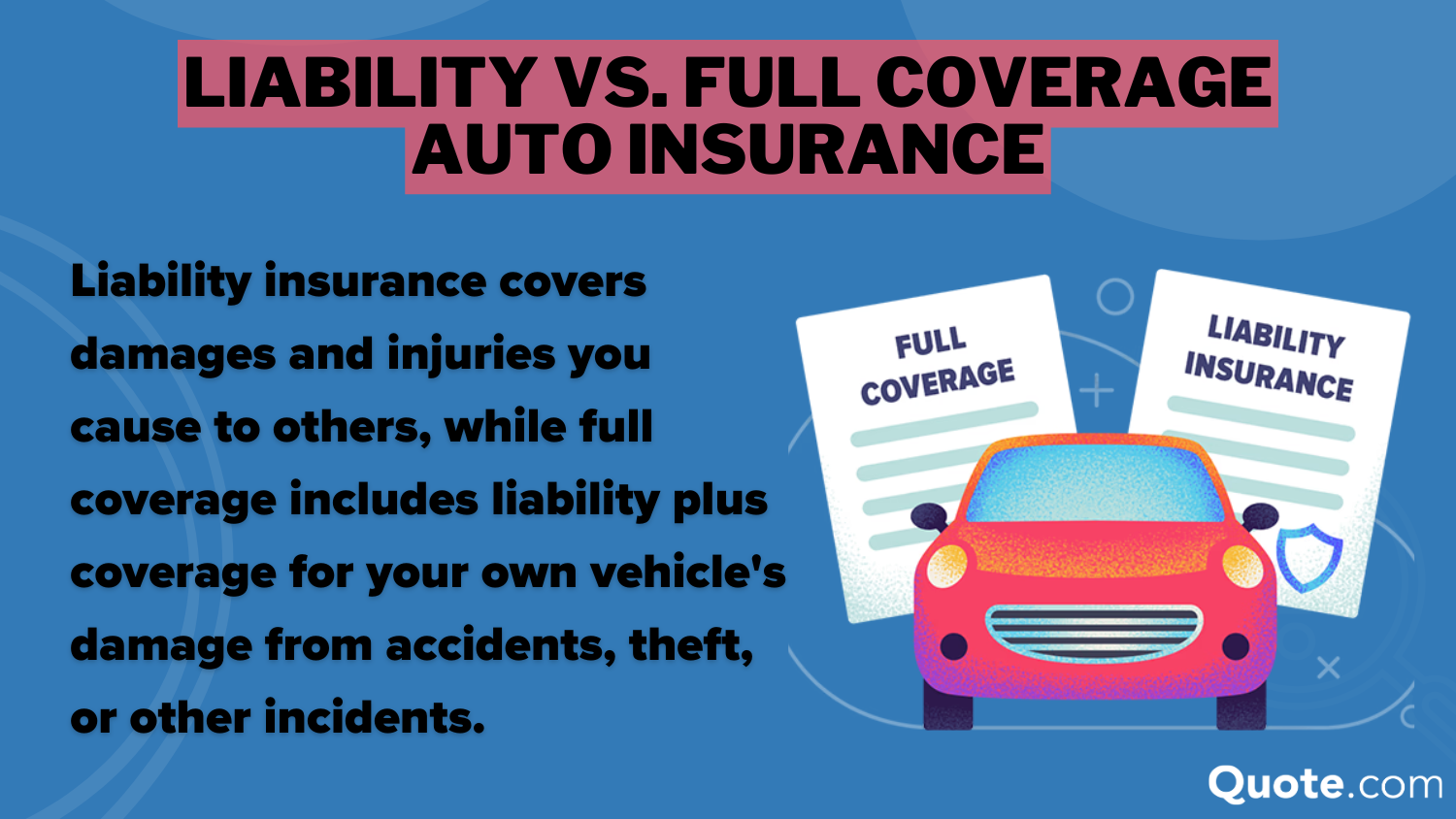
- Skipping Uninsured/Underinsured Motorist Coverage: In Texas, if you are hit by an uninsured driver, basic liability coverage does not pay to fix your car. While this adds to your premium, it is often considered a critical safeguard.
- Choosing Unrealistically High Deductibles: A high deductible—such as $2,000—will lower your monthly premium, but it makes your policy essentially useless for minor repairs. Ensure that your chosen deductible is an amount you can realistically pay in an emergency.
- Lapsing Coverage: Never allow your insurance to lapse. Even a short period without coverage can lead to higher rates when you eventually re-insure, as carriers classify you as a "high-risk" applicant.
Frequently Asked Questions
Does my credit score really affect my Texas auto insurance rate?
Yes. Texas insurers use credit-based insurance scores to predict the likelihood of a claim. Data shows a correlation between credit health and driving reliability, leading carriers to offer lower rates to those with higher scores.
Is it cheaper to pay monthly or in full?
Most carriers offer a discount if you pay your six-month or annual premium in full rather than in monthly installments. Paying in full also eliminates administrative service fees often charged for monthly billing.
What happens if I move from a rural county to a major city?
Your rates will likely increase. Insurance premiums are calculated based on the ZIP code where the vehicle is garaged, as urban centers present higher risks of theft, vandalism, and collision.
Can I remove collision coverage if my car is old?
If you own your car outright and its market value is very low, the cost of collision coverage may exceed the potential payout in the event of a total loss. However, weigh this against your ability to replace the vehicle if it is destroyed.
Next Steps for Finding Your Rate
To find the lowest rate currently available to you, start by identifying your specific coverage needs. If you possess a high-value asset, prioritizing liability limits is more important than achieving the absolute minimum price. Visit HelpInsure.com to establish a baseline for your area, gather your driver’s license and vehicle identification number (VIN), and contact at least three major carriers to request personalized quotes. By focusing on multi-policy discounts and maintaining a clean driving record, you will position yourself to secure the most competitive rate in the Texas market.
Image Gallery