Is Coca-Cola İçecek Worth the Calorie Load: A Comprehensive Nutritional and Corporate Analysis
Evaluating whether Coca-Cola İçecek products are worth the calorie load requires looking beyond a simple diet choice to understand the nutritional density, formulation variations, and systemic role of these beverages in modern diets. F...
Evaluating whether Coca-Cola İçecek products are worth the calorie load requires looking beyond a simple diet choice to understand the nutritional density, formulation variations, and systemic role of these beverages in modern diets. For most consumers, standard carbonated soft drinks offer zero essential nutrients alongside a substantial surge of rapidly absorbed sugars, meaning that any caloric intake must be weighed against individual daily energy needs and metabolic health goals.
Contents
The question of whether sugary or sweetened beverages are "worth" their energetic cost is a staple of modern nutritional science. Coca-Cola İçecek (CCİ)—a major anchor bottler within the broader Coca-Cola system operating across Turkey, Central Asia, Pakistan, the Middle East, and parts of Eurasia—produces billions of liters of carbonated and non-carbonated drinks annually. While CCİ manufactures a diverse portfolio that includes sparkling beverages, juices, teas, waters, and energy drinks, the core concern regarding "calorie load" targets its flagship sugary carbonated lines.
Understanding the true value of these calories involves dissecting ingredient lists, assessing glycemic impact, comparing regular options with low-calorie and zero-sugar alternatives, and contextualizing fluid intake within daily macronutrient boundaries. This guide explores the biochemical reality of liquid calories, breaks down the nutritional profiles of typical CCİ offerings, and provides a framework for deciding whether these beverages fit into a balanced lifestyle.
The Biochemistry of Liquid Calories: Why Soft Drinks Hit Differently
When evaluating the caloric value of any food or drink, digestion and absorption kinetics dictate how the body processes the energy consumed. Liquid calories, such as those delivered by standard carbonated soft drinks sweetened with high-fructose corn syrup (HFCS) or sucrose, bypass many of the mechanical and hormonal satiety cues triggered by solid foods.
- Metabolic Pathway of Liquid Sugars
- Rapid Ingestion -> No mechanical chewing required
- Fast Absorption -> Immediate spike in blood glucose/fructose
- Hepatic Processing -> Fructose metabolized primarily in liver
- Satiety Gap -> Minimal stimulation of peptide YY and leptin
When you eat an apple, the dietary fiber slows down gastric emptying, requires mastication (chewing), and stimulates stretch receptors in the stomach wall, signaling fullness to the brain. In contrast, drinking a 330ml can of standard sugary carbonated beverage delivers roughly 35 to 40 grams of rapidly digested simple sugars straight to the digestive tract with virtually zero friction.
The Fructose Factor and Hepatic Load
Most mass-market commercial beverages produced internationally and regionally rely on nutritive sweeteners composed of glucose and fructose monosaccharides. While glucose can be utilized directly by virtually every cell in the human body for energy, fructose is metabolized almost exclusively by the liver.
- Rapid Glycolysis: A high influx of fructose to the liver bypasses the primary rate-limiting step of glycolysis (regulated by the enzyme phosphofructokinase), leading to an unregulated production of substrates for de novo lipogenesis (fat synthesis).
- Insulin Dynamics: Although fructose does not trigger an immediate, sharp spike in insulin secretion in the same manner as glucose, chronic high-fructose consumption is strongly associated with hepatic insulin resistance, elevated triglycerides, and visceral adiposity over time.
For individuals striving to maintain a caloric deficit for weight loss or managing conditions such as non-alcoholic fatty liver disease (NAFLD) or type 2 diabetes, the absence of nutritional value paired with this specific hepatic metabolic pathway makes regular sugary drinks a high-cost dietary choice.
Nutritional Breakdown of Coca-Cola İçecek Product Categories
Coca-Cola İçecek's product catalog spans multiple categories, each presenting a different energetic profile. To determine if the calorie load is "worth it," one must examine the exact nutritional metrics per standard serving size (typically 250ml or 330ml cans, or 500ml PET bottles).
| Product Category | Representative Volume | Approximate Calories | Total Carbohydrates | Primary Sweetener Source |
|---|---|---|---|---|
| Standard Sparkling (e.g., Regular Coca-Cola) | 330 ml can | 139 kcal | 35 g | Sucrose / High-Fructose Corn Syrup |
| Reduced-Sugar / Mid-Calorie Variant | 330 ml can | ~70–90 kcal | ~18–22 g | Blend of Sugar and Low-Calorie Sweeteners |
| Diet / Zero-Sugar Variants (e.g., Coke Zero) | 330 ml can | 0–1 kcal | 0 g | Aspartame, Acesulfame Potassium |
| Carbonated Fruit-Flavored (e.g., Fanta Orange) | 330 ml can | ~150–160 kcal | ~38–40 g | Sucrose / Fruit Concentrate / HFCS |
| Ready-to-Drink Teas (e.g., Cappy / Infused Teas) | 250 ml glass/can | ~60–90 kcal | ~15–22 g | Sugar / Stevia Extracts |
Analyzing the Nutritional Trade-Offs
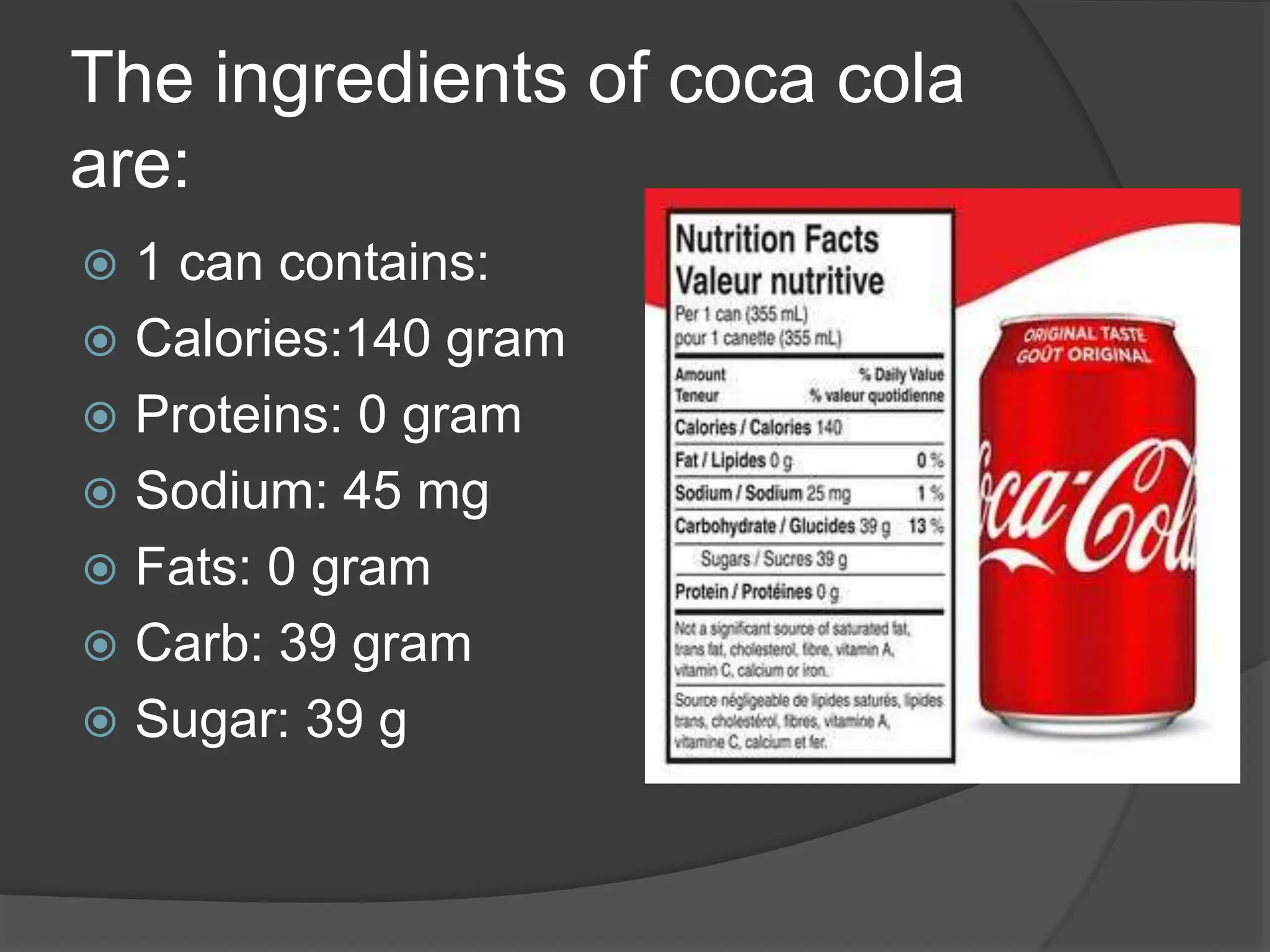
- Standard Sparkling Beverages: At roughly 140 calories per 330ml can, these drinks represent pure discretionary calories. They contribute no dietary fiber, protein, essential amino acids, vitamins, or minerals. From a strict nutritional efficiency standpoint, spending 10% to 15% of a standard daily caloric budget on rapidly absorbed sugar offers very low satiety return.
- Fruit-Flavored Carbonates: Variants like Fanta or local fruit-flavored sodas often carry a slightly higher caloric and carbohydrate load per volume than standard cola due to formulation adjustments designed to mimic natural fruit profiles.
- Zero and Low-Calorie Alternatives: Recognizing shifts in consumer health consciousness, CCİ heavily distributes zero-sugar formulations. These maintain the sensory profile—carbonation, acidity, flavor extracts—without the glycemic impact, offering a direct workaround for individuals who enjoy the taste of soft drinks but wish to avoid the caloric burden.
Psychological and Sensory Value: Is Taste Worth the Energy?
Nutrition is rarely purely biochemical; behavioral and psychological factors play a massive role in dietary adherence. For many consumers, a cold carbonated beverage functions as a sensory reward, a social connector, or a pairing element during meals.
The Hedonic Driver
The human brain is wired to seek out hyper-palatable combinations of sweetness, carbonation, and chill temperature. This triggers dopamine release in the mesolimbic pathway. When someone asks whether a beverage is "worth" the calories, they are often weighing the immediate hedonic pleasure against subsequent physiological outcomes.
- Occasional Consumption: For an individual metabolically healthy, physically active, and maintaining energy balance, consuming a standard sugary beverage occasionally (e.g., once a week) imposes a negligible long-term health toll. The 140 calories can easily be accommodated within flexible dieting frameworks.
- Habitual Consumption: Conversely, consuming multiple servings daily introduces hundreds of untracked, unfilling calories. Over weeks and months, this surplus drives positive energy balance, leading to unintended weight gain and associated metabolic strains.
Comparative Alternatives Within the CCİ Ecosystem
If the calorie load of standard sparkling drinks is deemed too high, but the consumer prefers products manufactured by Coca-Cola İçecek, several alternatives exist across their distribution network:
- Sparkling Water and Plain Mineral Waters: Brands distributed or bottled locally often provide the sharp, refreshing mouthfeel of carbonation without any sugars or artificial sweeteners.
- Unsweetened Teas: Ready-to-drink tea beverages formulated without added sugars offer hydration and subtle botanical flavors with zero or negligible calories.
- Zero-Sugar Reformulations: For those who prefer the exact flavor profile of regular cola, Fanta, or Sprite, the zero-sugar product lines utilize intense artificial or botanical sweeteners (such as aspartame, acesulfame-K, or sucralose) that pass through the human digestive tract without contributing usable energy (kilocalories).
Common Mistakes When Managing Liquid Calories
When attempting to optimize beverage intake and reduce unnecessary energy loads, consumers frequently fall into several well-documented behavioral and nutritional traps:
- Treating "Diet" Drinks as Health Foods: While zero-sugar beverages eliminate the calorie load, they are not functional health supplements. Relying on them exclusively without addressing broader dietary quality ignores hydration needs and overall micronutrient intake.
- Underestimating Liquid Portion Sizes: Transitioning from a 330ml can to a 1.5-liter or 2-liter family-size PET bottle often leads to passive overconsumption, as fluid containers lack clear, portion-controlled physical barriers.
- Compensating Calories: Some individuals consume diet beverages under the assumption that it "saves" calories, only to unconsciously consume excess calories elsewhere in their diet due to psychological licensing.
Practical Decision Framework for Consumers
To definitively answer whether CCİ's calorie-laden products are worth consuming, apply the following personalized evaluation criteria:
- Assess Daily Energy Expenditure: If you are an endurance athlete or engaged in heavy physical labor requiring high daily carbohydrate replenishment, the rapid glycogen-restoring properties of liquid sugars carry functional utility. If you are sedentary, these calories offer no practical physiological advantage.
- Evaluate Overall Dietary Quality: If 90% of your daily intake consists of nutrient-dense whole foods, lean proteins, vegetables, and complex carbohydrates, an occasional regular soft drink poses minimal risk. If your baseline diet is high in ultra-processed foods, adding liquid sugar compounds metabolic stress.
- Test the Zero-Sugar Alternative: If you find that zero-sugar variants successfully satisfy your craving for carbonated sweetness without triggering increased appetite or adverse digestive responses, switching eliminates the caloric penalty entirely.
Ultimately, standard Coca-Cola İçecek sugary beverages are not inherently "toxic," but they are calorically dense and nutritionally devoid. Treating them as occasional treats rather than daily hydration staples ensures you enjoy the sensory experience without compromising your long-term health and fitness objectives.
Image Gallery