Why the Honda Fit Is Not a Hybrid: Regional Availability and Technical Evolution
The Honda Fit is often perceived as not being a hybrid because Honda chose never to release a hybrid powertrain for the model in the North American market, eventually discontinuing the vehicle there after 2020. However, internationally...
The Honda Fit is often perceived as not being a hybrid because Honda chose never to release a hybrid powertrain for the model in the North American market, eventually discontinuing the vehicle there after 2020. However, internationally, the fourth-generation Honda Fit is sold exclusively as a highly efficient e:HEV hybrid.
Contents
Whether a Honda Fit is a hybrid depends entirely on the year it was manufactured and the region in which it was sold. For drivers in the United States and Canada, the Honda Fit was strictly an internal combustion engine (ICE) vehicle throughout its entire lifespan, which ended with the 2020 model year. In contrast, buyers in Europe, Japan, and parts of Asia have had access to hybrid versions of the Fit (often branded as the Honda Jazz) for over a decade.
As of 2026, the divide between these markets remains a point of confusion for used-car buyers and automotive enthusiasts. Understanding why the Honda Fit "is not a hybrid" in certain contexts requires a deep dive into market economics, regional emissions regulations, and the specific engineering challenges of the subcompact segment.
The Regional Disparity: Why North America Never Got the Fit Hybrid
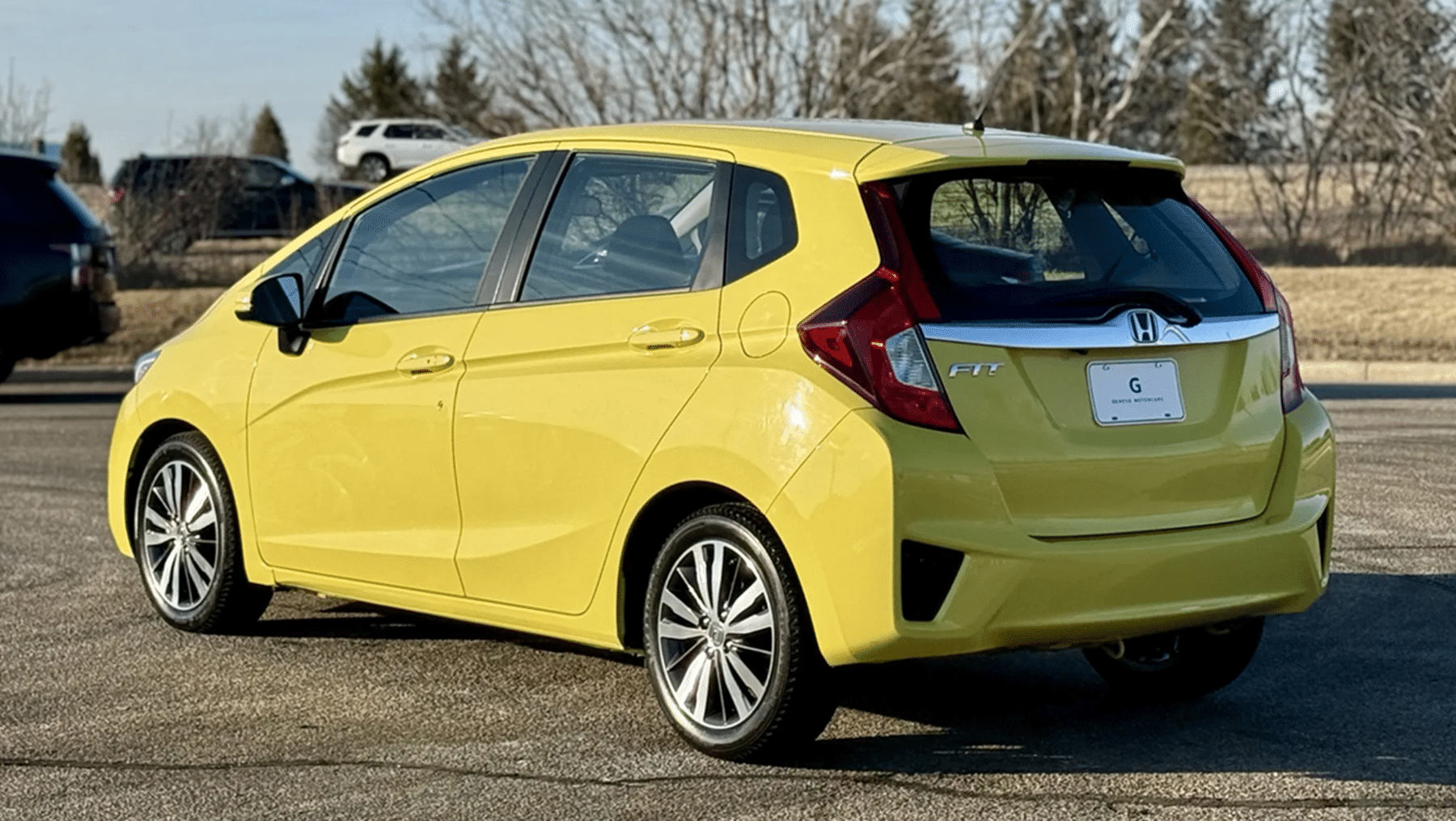
The primary reason many people believe the Honda Fit is not a hybrid is that Honda’s North American division, American Honda Motor Co., consistently declined to import the hybrid variants available elsewhere. From the first generation (GD) to the final third-generation (GK) sold in the U.S., every unit featured a 1.5-liter i-VTEC four-cylinder engine without electrical assistance.
Several factors influenced this decision:
1. Cost Sensitivity in the Subcompact Segment
In the North American market, the Honda Fit occupied the "B-segment" or subcompact category. This segment is hyper-sensitive to price. Adding a complex hybrid system—including a high-voltage battery pack, dual electric motors, and sophisticated power control units—would have raised the MSRP (Manufacturer’s Suggested Retail Price) significantly. Honda executives feared that a Fit Hybrid would priced too closely to the larger Civic or the dedicated Insight hybrid, cannibalizing sales or driving budget-conscious buyers toward competitors like the Nissan Versa or Hyundai Accent.
2. Fuel Price Stability
During the peak years of the third-generation Fit’s production (2015–2020), fuel prices in North America remained relatively low compared to Europe and Japan. The standard gasoline Fit already achieved an impressive 33–36 combined MPG (miles per gallon). The marginal utility of a hybrid system, which might have pushed the car to 50+ MPG, was difficult to justify to consumers who would have had to wait several years to recoup the hybrid’s price premium through fuel savings.
3. The Shift to Crossovers
By 2020, North American consumer preference had shifted decisively toward Crossover Utility Vehicles (CUVs). Honda observed that buyers were willing to spend more for a higher seating position and all-wheel drive. Instead of investing in a hybrid Fit for the U.S., Honda redirected those resources toward the Honda HR-V, which shares a platform with the Fit but commands a higher price point and higher profit margins.
The Global Reality: The 4th Generation e:HEV Fit
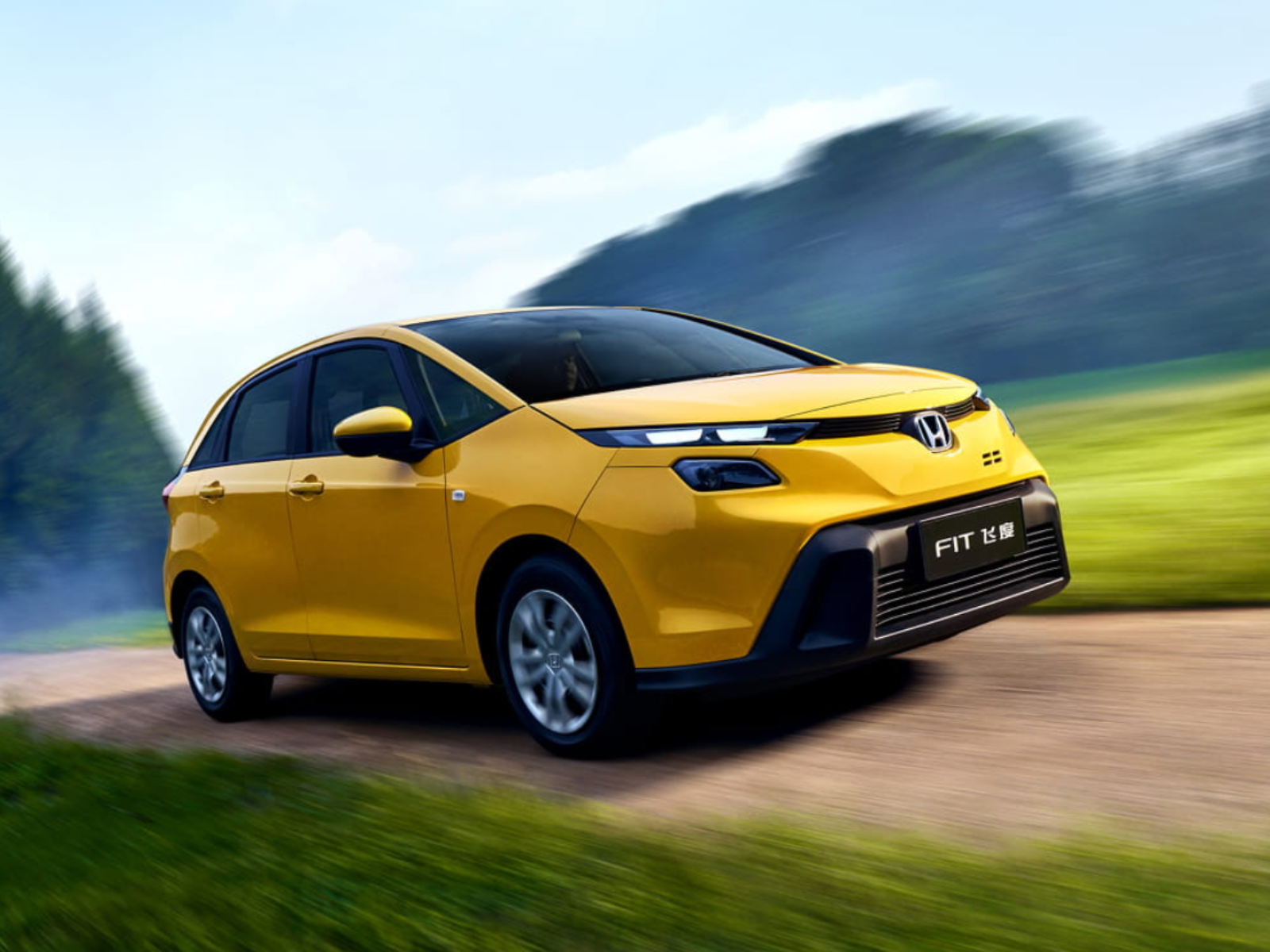
While the Fit disappeared from American shores in 2020, it flourished elsewhere. The fourth-generation Fit (model code GR), launched globally in late 2020, represented a radical shift in Honda’s strategy. In Europe, it was rebranded entirely as a hybrid-only model known as the Honda Jazz e:HEV.
This version of the Fit is very much a hybrid, and it utilizes one of the most advanced small-car powertrains in existence. Unlike traditional "parallel" hybrids (like older Toyotas) where the engine and motor take turns or work together to turn the wheels, the Fit’s e:HEV system acts more like a "series-parallel" hybrid.
How the e:HEV System Functions:
- EV Drive: The lithium-ion battery powers the electric propulsion motor directly for silent, low-speed city driving.
- Hybrid Drive: The 1.5-liter petrol engine acts as a generator, spinning a second motor (the generator motor) to produce electricity, which then powers the propulsion motor. The engine is not physically connected to the wheels in this mode.
- Engine Drive: At high cruising speeds (such as highway driving), a lock-up clutch connects the engine directly to the front wheels via a single fixed gear. This is more efficient than using electricity at sustained high speeds.
This technical sophistication ensures the Fit remains a hybrid powerhouse in 2026 markets like Japan and the UK, even as it remains an "ICE-only" memory in the United States.
Technical Specifications: ICE vs. Hybrid Comparison
To understand the difference between the Fit people think they know (the US-spec gas version) and the hybrid version available globally, consider the specifications of the final 2020 US model versus the 2021+ Global Hybrid model.
| Feature | 2020 Honda Fit (US - Gas) | 2026 Honda Fit/Jazz (Global - Hybrid) |
|---|---|---|
| Powertrain | 1.5L i-VTEC I4 | 1.5L i-VTEC + Two-Motor e:HEV |
| Transmission | 6-Speed Manual or CVT | Fixed Gear (Electronic CVT) |
| Horsepower (Net) | 128 - 130 hp | ~121 hp (Combined) |
| Torque | 113 - 114 lb-ft | 187 lb-ft (Electric Motor) |
| Drivetrain | Front-Wheel Drive | Front-Wheel Drive |
| Fuel Economy (Est.) | 33 - 36 Combined MPG | 60 - 70+ Combined MPG (WLTP) |
| Battery Type | Standard 12V Lead-Acid | Lithium-ion High Voltage |
Engineering Hurdles: Why Converting the US Fit Was Difficult
A common question among Honda fans is why Honda didn't simply offer the hybrid system as an "option" in the US. The answer lies in the Fit’s unique architecture.
The Honda Fit is famous for its "Magic Seats," which allow the rear seat cushions to flip up or the entire seat to fold flat into the floor. This is possible because Honda moved the fuel tank to a central position under the front seats. However, adding a hybrid system requires finding space for a large battery pack.
In the global hybrid Fit, the battery pack is located under the rear cargo floor. Incorporating this into the US-spec model would have required significant re-engineering of the rear chassis and crash structures to meet stringent US Department of Transportation (DOT) and Insurance Institute for Highway Safety (IIHS) standards. Given the shrinking sales of subcompact cars in the US, the return on investment for this specific engineering project was deemed insufficient.
The Legacy of the "Non-Hybrid" Fit in 2026
In 2026, the 2015–2020 Honda Fit remains a highly sought-after vehicle in the used market. Its reputation for being "not a hybrid" has actually become a selling point for a specific niche of buyers.
Simplicity and Longevity
Many used-car buyers in 2026 are wary of the long-term replacement costs associated with aging hybrid batteries. Because the North American Fit is a "simple" gasoline vehicle, it avoids the eventual $2,000 to $4,000 expense of a high-voltage battery replacement. The 1.5L L15B1 engine is known for its extreme reliability, often reaching 200,000 miles with basic maintenance.
Enthusiast Appeal
The North American Fit was one of the last subcompacts to offer a 6-speed manual transmission. Hybrid powertrains are almost exclusively mated to CVTs or fixed-gear systems, which disconnect the driver from the mechanical experience. For those who want a "tossable," lightweight car with a manual gearbox, the fact that the Fit is not a hybrid is a definitive advantage.
Alternatives for Seekers of a Hybrid Fit
If you are looking for a vehicle in 2026 that captures the spirit of what a Honda Fit Hybrid would have been in the North American market, there are several alternatives that fill the void left by its absence.
- Honda CR-V Hybrid: While much larger, this is currently Honda’s primary hybrid offering in North America, utilizing a larger version of the e:HEV technology.
- Honda Civic Hybrid (2025+): Reintroduced to the North American market recently, the Civic Hybrid offers the fuel efficiency the Fit Hybrid would have provided, though in a larger sedan or hatchback footprint.
- Toyota Corolla Hybrid: A direct competitor that survived while the Fit did not, offering 50+ MPG in a reliable, small package.
- Used Honda Insight (2019-2022): The Insight was essentially the "Civic Hybrid" of its time and represents the closest technical relative to the global Fit Hybrid that was actually sold in the US.
Frequently Asked Questions
Did Honda ever make a Fit Hybrid?
Yes, Honda has produced a Fit Hybrid since 2010. The second, third, and fourth generations of the Fit/Jazz all featured hybrid variants. However, these were primarily sold in Japan, Europe, and other international markets, but never in the United States or Canada.
Is the Honda Fit discontinued?
As of 2026, the Honda Fit is discontinued in North America (since 2020). However, it is still very much in production globally. The fourth generation remains a popular choice in international markets where small, fuel-efficient hatchbacks are still in high demand.
Can I import a Honda Fit Hybrid to the US?
Under current US laws (specifically the 25-year rule), you cannot legally import a vehicle that was not originally sold in the US market unless it is at least 25 years old. This means the hybrid variants of the third or fourth-generation Fit cannot be legally imported and registered for road use until the mid-2030s or later.
Why is the Honda HR-V not a hybrid in the US?
While a hybrid HR-V (known as the Vezel e:HEV) exists globally, Honda has historically prioritized power and cargo space for the US-spec HR-V, equipping it with a larger 2.0L non-hybrid engine. Market strategies often prioritize keeping the entry-level crossover price point low.
Which Honda Fit generation is the most reliable?
The third-generation (2015–2020) is widely considered the pinnacle of the gasoline Fit's development. While it lacks the hybrid tech found overseas, its mechanical simplicity and the refinement of the L-series engine make it a benchmark for reliability in the used car market of 2026.
Final Recommendation for 2026 Buyers
If you are searching for a Honda Fit in 2026 and are disappointed to find it is not a hybrid, your best course of action depends on your priorities. If maximum fuel efficiency is your goal, you should pivot your search toward the Toyota Prius or the Honda Civic Hybrid. However, if you value interior versatility and mechanical simplicity, a well-maintained 2018–2020 Honda Fit remains one of the best automotive values on the market. Despite lacking an electric motor, its lightweight design allows it to achieve fuel economy that rivals many modern non-hybrid subcompacts, proving that sometimes, clever engineering is just as effective as electrification.
Image Gallery