What the Changing View of Neil LaBute Films Reveals
The changing view of Neil LaBute’s films reveals a fundamental shift in how audiences and critics evaluate dark irony, screen misanthropy, and male toxicity. Once celebrated in the late 1990s as courageous satires of corporate and gend...
The changing view of Neil LaBute’s films reveals a fundamental shift in how audiences and critics evaluate dark irony, screen misanthropy, and male toxicity. Once celebrated in the late 1990s as courageous satires of corporate and gendered cruelty, LaBute's early films are increasingly examined today through frameworks that question the boundary between moral critique and shock-value exploitation.
Contents
The 1990s Indie Boom and LaBute’s Polarising Emergence
To understand how perceptions of Neil LaBute have transformed, one must first examine the environment in which he emerged. The American independent cinema boom of the mid-to-late 1990s thrived on boundary-pushing provocations, cynical humor, and anti-hero narratives. Following the success of Quentin Tarantino, Steven Soderbergh, and Todd Solondz, film festivals and distributors actively sought out transgressive voices willing to challenge conventional suburban morality and Hollywood sentimentality.
LaBute made a seismic entry into this landscape with his 1997 feature debut, In the Company of Men. Shot on a modest budget of approximately $25,000, the film depicted two bitter corporate executives—Chad (played by Aaron Eckhart) and Howard (Matt Malloy)—who scheme to manipulate and emotionally destroy a deaf female colleague purely for sport. The film was a critical sensation, winning the Filmmakers Trophy at the Sundance Film Festival and earning widespread acclaim for its razor-sharp dialogue and unsparing examination of corporate sociopathy.
He followed this success with Your Friends & Neighbors (1998), an ensemble drama exploring sexual dysfunction, emotional infidelity, and predatory interpersonal dynamics among suburban adults. Critics initially hailed LaBute as a vital, uncompromising playwright-turned-director—a modern-day successor to Edward Albee or David Mamet—who dared to hold a unflattering mirror up to contemporary male entitlement and social hypocrisy.
What the Evolution of LaBute's Critical Reception Reveals
Over the past three decades, the critical consensus surrounding LaBute’s filmography has undergone a substantial reassessment. The shift is not merely a matter of changing artistic tastes; it reflects structural changes in film theory, cultural ethics, and the way viewers process screen violence and character cruelty.
1. The Re-evaluation of Postmodern Irony
During the 1990s, heavy irony served as a primary aesthetic currency. Filmmakers could depict abhorrent behavior under the premise that the work functioned as an automatic satire of that behavior. However, contemporary film scholarship increasingly scrutinises the limits of ironic detachment.
When modern audiences re-watch In the Company of Men, the ambiguity of its moral stance generates very different reactions than it did in 1997:
- 1990s Perspective: The film was viewed as a cold, brilliant indictment of hidden misogyny within corporate culture, exposing the monstrous instincts lurking behind polished business suits.
- Modern Perspective: Critics often question whether the film relies too heavily on the suffering of its vulnerable target for dramatic tension, raising questions about whether portraying unpunished cruelty functions as critique or gratuitous punishment.
This shift reveals that contemporary viewers are far less likely to grant creators automatic immunity under the banner of satire. Depicting systemic cruelty requires clear thematic framing, rather than passive artistic distance.
2. Shifting Frameworks on Male Toxicity and Gender Dynamics
The discourse surrounding gender roles, abuse of power, and psychological coercion has evolved dramatically, particularly following the global #MeToo movement and expanded scholarship on toxic masculinity.
In LaBute’s early work, male cruelty was frequently presented as a shocking reveal or a dark secret hidden beneath polite society. Today, those same behaviors are recognized as systemic realities rather than surprising thematic twists. As a result, dramatic setups that rely on male psychological abuse can risk feeling descriptive rather than revelatory to modern viewers who already possess a heightened awareness of these dynamics.
- 1990s View: Shocking exposure of covert corporate misogyny.
- Evolution of Gender & Cultural Studies
- Modern View: Direct representation of familiar structural power abuses.
3. The Structural Shift from Theatre to Cinema
LaBute’s background as an acclaimed playwright deeply influenced his cinematic style. His films feature long, dialogue-heavy scenes, stark lighting, and minimal musical score, emphasizing verbal cruelty and psychological manipulation over visual spectacle.
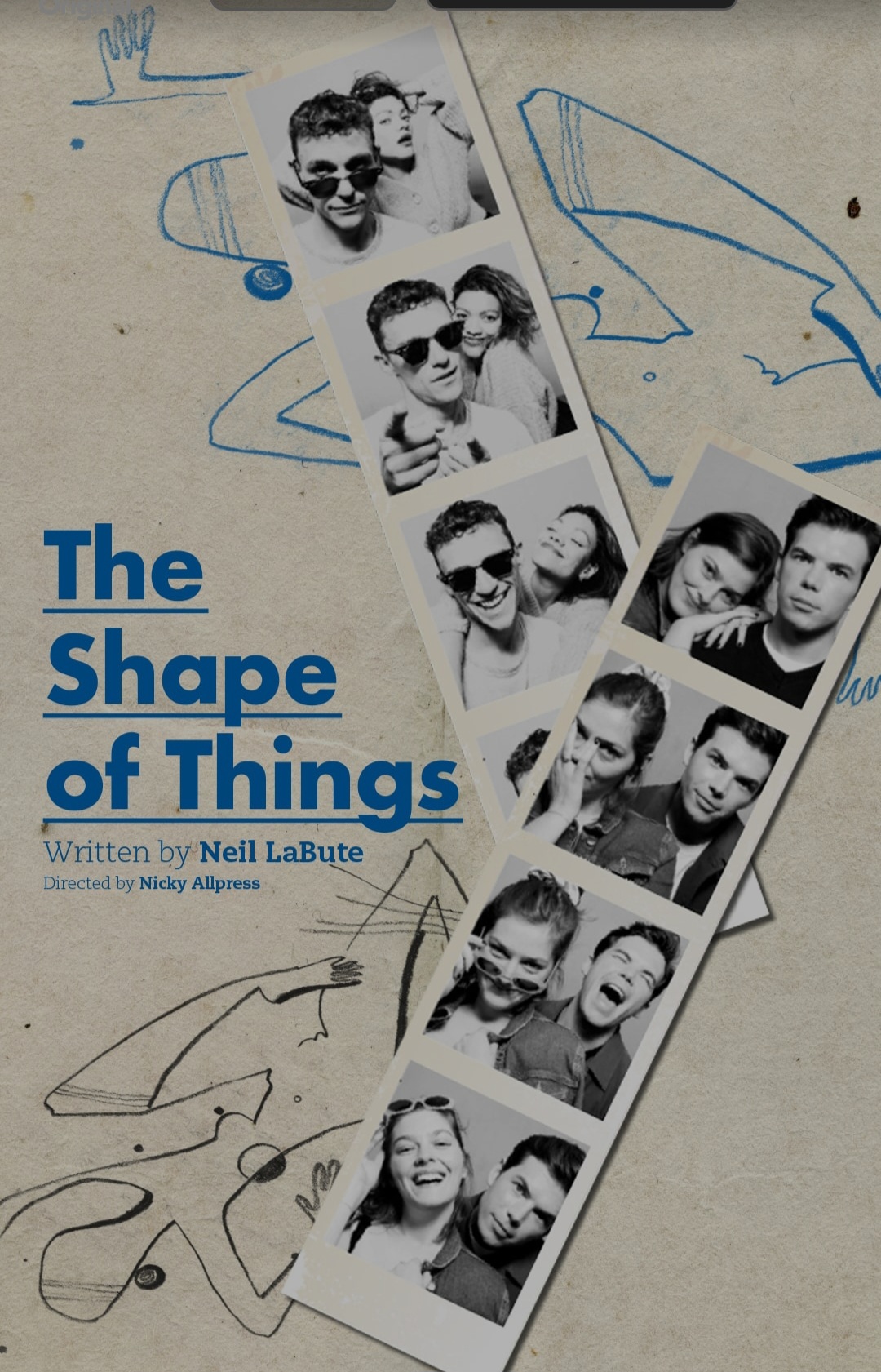
While theatrical traditions frequently employ heightened, confrontational archetypes to provoke moral debate, cinematic storytelling often invites visceral audience identification. The changing view of films like The Shape of Things (2003)—where an art student sociopathically transforms her partner’s appearance and identity as part of a university thesis project—highlights how theatrical contrivance can feel alienating or overly clinical when translated to the intimate visual medium of film.
Comparative Analysis: Re-evaluating Key LaBute Works Across Eras
The table below illustrates how primary themes and critical receptions across LaBute’s major cinematic works have evolved over time:
| Film Title | Release Year | Primary Themes | Initial Critical Reception (1997–2006) | Modern Critical Assessment |
|---|---|---|---|---|
| In the Company of Men | 1997 | Misogyny, corporate cruelty, moral emptiness | Praise for sharp dialogue, fierce original satire, and bold thematic focus. | Examined for its cold detachment and moral ambiguity; seen as a artifact of 90s transgressive indie cinema. |
| Your Friends & Neighbors | 1998 | Emotional infidelity, sexual predation, self-absorption | Praised for uncompromising realism and Mamet-esque dialogue. | Viewed as claustrophobic and relentlessly misanthropic, with limited character complexity. |
| Nurse Betty | 2000 | Trauma, soap opera delusion, hitman absurdity | Winner of Best Screenplay at Cannes; praised for soft humor and genre versatility. | Seen as a rare, charming departure in LaBute’s filmography, balancing dark humor with genuine empathy. |
| The Shape of Things | 2003 | Manipulation, aesthetic ethics, relationship coercion | Polarising; noted for intellectual cynicism and performance quality. | Criticised for heavy-handed theatrical conceits and artificial character motivations. |
| The Wicker Man | 2006 | Folk horror, paranoia, gender antagonism | Unanimously panned; viewed as an unintentional comedy and critical failure. | Re-evaluated as a cult camp classic, though frequently detached from LaBute's intentional thematic canon. |
| House of Darkness | 2022 | Gender revenge, power dynamics, modern dating | Mixed; recognized as a subversion of classical gothic horror tropes. | Viewed as a late-career return to core themes, adapted for modern gender discourse. |
From Indie Auteur to Studio Director and Genre Cinema
Another vital insight revealed by the evolution of LaBute’s reputation is the path of the 1990s independent auteur within the studio system. Following his initial critical success, LaBute navigated mainstream Hollywood with mixed results, directing studio projects such as Nurse Betty (2000), Possession (2002), Lakeview Terrace (2008), and Death at a Funeral (2010).
This trajectory demonstrates two distinct aspects of contemporary film history:
- The Difficulty of Scaling Transgressive Satire: Major film studios rarely accommodate unvarnished misanthropy. When LaBute operated within mainstream budgets, his trademark moral cynicism was either diluted into traditional thriller formulas (Lakeview Terrace) or shifted into comedy (Nurse Betty).
- The Impact of the 2006 Wicker Man Remake: The critical disaster of his 2006 remake of The Wicker Man, starring Nicolas Cage, altered public perception of his work. The film's bizarre tone and unintended campiness overshadowed his reputation as a precise theatrical dialogue writer, highlighting how easily an auteur’s artistic identity can be reshaped by mainstream missteps.
In his later career, including works like House of Darkness (2022) and Fear the Night (2023), LaBute returned to low-budget genre filmmaking. These projects explicitly engage with modern horror conventions to explore gender violence and revenge, reflecting an awareness of how contemporary audiences digest stories about interpersonal conflict.
What His Filmography Teaches Us About 1990s Cinema Culture
Analyzing the changing view of Neil LaBute’s cinema offers broader lessons about the history of American film criticism and cultural evolution over the last three decades:
- The Decline of Shock Value as Criticism: In the late 20th century, the capacity to shock or discomfort an audience was frequently equated with artistic merit. In modern cinema, provocation is no longer treated as inherently valuable; critics require clear artistic intent and intellectual depth to justify explicit emotional or physical harm on screen.
- The Demand for Structural Empathy: Audiences today routinely seek nuanced characterization, structural context, or narrative catharsis. LaBute's signature approach—holding characters in claustrophobic spaces where bad actors suffer few consequences—conflicts with contemporary desires for justice or systemic commentary.
- The Evolution of the Auteur Model: The 1990s auteur was often framed as an iconoclastic rebel attacking societal norms from the outside. Modern film scholarship views directors within wider social and industrial frameworks, paying equal attention to representation, ethics, and production context.
Frequently Asked Questions
Why was In the Company of Men so controversial upon its release?
In the Company of Men generated significant controversy because of its explicit depiction of emotional abuse directed at a deaf woman by two corporate executives. Critics were divided over whether the film was a brilliant satire exposing corporate misogyny or an uncomfortably cruel exercise in shock cinema that offered no moral resolution.
How did Neil LaBute's theatrical background influence his filmmaking style?
As an established playwright, LaBute brought theatrical staging, minimal set variations, and dense, rhythmic dialogue to his films. This approach prioritised actor performances and psychological conflict over visual spectacle, creating an intimate, stage-like atmosphere that heightened the claustrophobia of his narratives.
How do modern audiences view Neil LaBute's 2006 remake of The Wicker Man?
While originally panned by critics as an unintended failure, the 2006 remake of The Wicker Man has attained cult status as a work of unintentional comedy. Modern viewers frequently view it through a lens of internet meme culture, focused on Nicolas Cage’s eccentric performance rather than LaBute’s original dramatic intent.
Did Neil LaBute only make films about toxic relationships?
No. While his most famous works focus on emotional manipulation and gender conflict, LaBute has directed a diverse range of projects, including the acclaimed dark comedy Nurse Betty (2000), the romantic period drama Possession (2002), and the thriller Lakeview Terrace (2008).
What does the reassessment of LaBute's films say about 1990s indie cinema as a whole?
The reassessment demonstrates how 1990s indie cinema heavily rewarded dark irony, transgressive topics, and cynical anti-heroes. Looking back, modern film historians scrutinise these films more rigorously, examining whether their boundary-pushing elements served genuine thematic purposes or reflected the cultural blind spots of their era.
Practical Viewing Guidance for Re-assessing LaBute Today
For film historians, students, and cinephiles looking to explore or re-evaluate Neil LaBute's filmography today, a contextual approach yields the best critical insights:
- Watch Chronologically to Track Cultural Context: Pair In the Company of Men (1997) with other late-90s indie titles like Happiness (1998) or Fight Club (1999) to understand how filmmakers of that era used dark satire to critique institutional authority and gender identity.
- Examine the Transition to Mainstream Genre Work: Compare Your Friends & Neighbors (1998) with Lakeview Terrace (2008) to analyze how an indie director’s thematic focus changes when operating within traditional Hollywood studio constraints.
- Contrast Stage and Screen Work: Read the original play scripts for The Shape of Things or Reasons to Be Pretty alongside their film adaptations to understand how theatrical dialogue translates across different media platforms.
By studying LaBute’s films not in isolation, but as evolving artifacts of a changing culture, viewers gain valuable insight into how film criticism, social ethics, and cinematic storytelling have transformed over the past thirty years.
Image Gallery