Environmental Spill Kits: Components, Regulatory Standards, and Pricing Guide
Environmental spill kits are specialized emergency response packages designed to rapidly contain, absorb, and neutralize liquid discharges before hazardous materials migrate into soil, drainage systems, or surface waters. These kits co...
Environmental spill kits are specialized emergency response packages designed to rapidly contain, absorb, and neutralize liquid discharges before hazardous materials migrate into soil, drainage systems, or surface waters. These kits contain engineered sorbents, personal protective equipment (PPE), and disposal hardware configured to meet strict environmental protection mandates. Operating across industrial, commercial, and transportation sectors, spill kits mitigate environmental damage, protect worker health, and reduce legal liability under federal, state, and international regulatory frameworks.
Contents
Critical Components of Environmental Spill Kits
A compliant environmental spill kit is not simply a bucket of absorbent material; it is an integrated containment and recovery system. Each component plays a specific role in stopping liquid flow, protecting response personnel, absorbing fluids, and securing hazardous waste for lawful transport.
- ABSORBENTS: Meltblown Pads, Absorbent Socks, Pillows, Loose Granules
- PPE & SAFETY: Nitrile/Neoprene Gloves, Splash Goggles, Tyvek Suits
- NEUTRALIZERS: Acid/Base Granules with Integrated pH Indicators
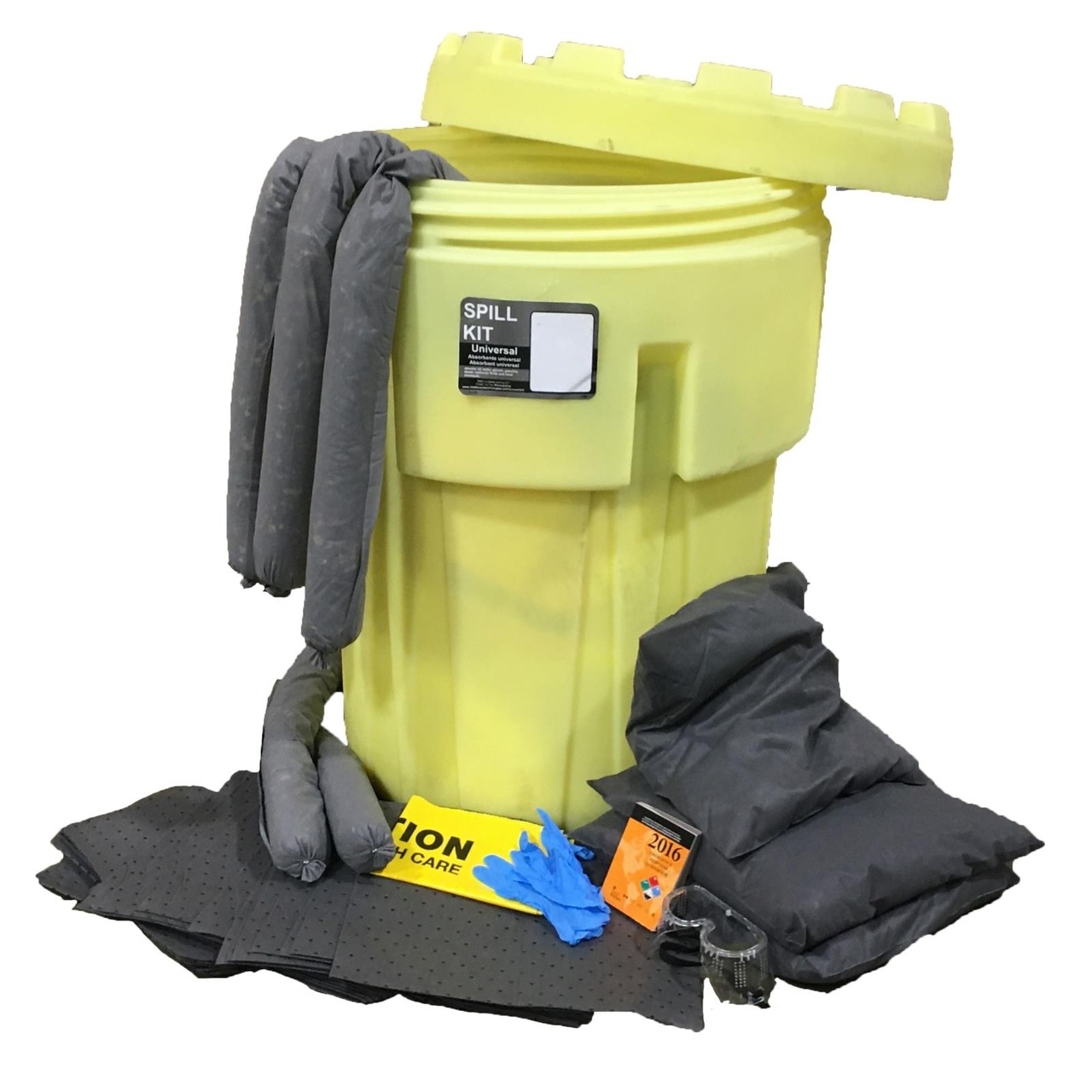
- CONTAINMENT: UN-Rated HDPE Drums, Wheeled Carts, Overpack Vessels
- DISPOSAL/TOOLS: Hazardous Waste Bags, Cable Ties, Non-Sparking Shovels
1. Engineered Sorbent Materials
Sorbents form the functional core of any kit. Manufacturers utilize specialized synthetic polymers and natural materials engineered for specific fluid dynamics:
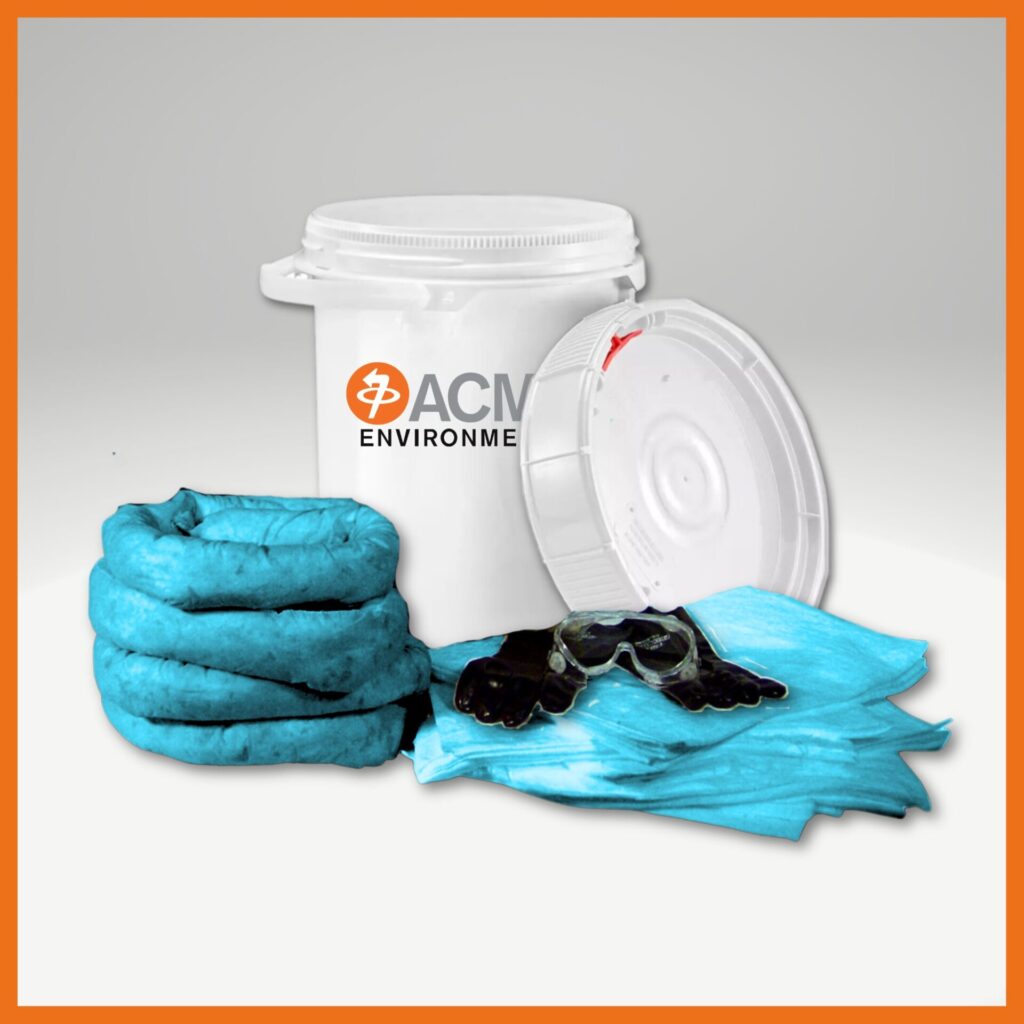
- Absorbent Socks (Dikes/Snake Brooms): Flexible, cylindrical tubes filled with polypropylene or cellulose. Placed around the perimeter of a spill, socks create a physical barrier to stop liquids from spreading toward floor drains, doorways, or soil.
- Absorbent Pads and Rolls: Flat sheets composed of sonic-bonded or meltblown polypropylene fibers. Pads are laid directly on top of pooled liquids for rapid absorption via capillary action. High-grade pads feature lint-free spunbond outer layers to withstand abrasion during heavy wiping.
- Absorbent Pillows: High-volume rectangular bags designed for high-flow leaks, dripping machinery, or sump drainage. Pillows hold significantly more fluid per unit weight than standard pads.
- Particulates and Loose Granules: Mineral powders, corn cob granules, or synthetic loose absorbents used to fill deep cracks, textured concrete, or uneven outdoor terrain where flat pads cannot maintain full surface contact.
2. Personal Protective Equipment (PPE)
Responders cannot contain a spill if exposed to toxic fumes, corrosive chemicals, or biohazards. Standard spill kits include scaled PPE sets commensurate with the volume and hazard level of the kit:
- Chemical Splash Goggles and Face Shields: Protecting against liquid splashes and flying particulates.
- Heavy-Duty Chemical Gloves: Typically constructed from nitrile, neoprene, butyl, or Viton, chosen based on the kit's targeted chemical compatibility matrix.
- Protective Coveralls: Liquid-impervious suits (such as Tychem or Tyvek) that prevent skin contact with hazardous liquids.
- Respirators: Select high-hazard kits include N95 dust masks or half-mask respirators with organic vapor/acid gas cartridges for volatile organic compounds (VOCs).
3. Containment Vessels and Hardware
The outer packaging of a spill kit serves a dual purpose: keeping dry absorbents clean before deployment and functioning as a certified temporary storage vessel after the spill is absorbed.
- UN-Rated Drums: High-Density Polyethylene (HDPE) or steel drums certified under United Nations (UN) transport standards to hold hazardous waste legally during highway or rail transport.
- Wheeled Mobile Carts: Polyethylene carts equipped with heavy-duty rubber wheels, allowing a single responder to transport up to 95 gallons of absorbent capacity directly to an emergency site.
- Vinyl and Poly Duffel Bags: Compact, water-resistant bags used for portable vehicle kits, fleet trucks, and service vans.
4. Neutralization, Clean-Up, and Disposal Hardware
Handling the fluid after absorption requires specialty tools to ensure safe disposal:
- Neutralizing Powders: Granular chemical agents containing pH-indicating dyes that neutralize aggressive acids (e.g., sulfuric acid) or bases (e.g., sodium hydroxide) while changing color to signal when the liquid has reached a safe, neutral pH level (6.0–8.0).
- Non-Sparking Tools: Polypropylene or brass shovels, scrapers, and brooms that prevent mechanical sparks near flammable hydrocarbon vapors.
- Disposal Bags and Cable Ties: Heavy-gauge (4-mil to 6-mil) polyethylene hazardous waste bags labeled with warning iconography, sealed with tamper-evident ties to prevent leaks during transport.
Categorization by Fluid Application: Universal, Oil-Only, and HazMat
Spill response kits are color-coded and chemically formulated to address three major fluid categories. Deploying the wrong sorbent material can result in operational failure, chemical reactions, or wasted materials.
| Category | Color Code | Target Liquids | Key Feature |
|---|---|---|---|
| Universal | Gray / Blue | Water, Oils, Coolants | Hydrophilic Absorption |
| Oil-Only | White | Petroleum, Fuels, Lubricants | Hydrophobic (Repels Water) |
| HazMat | Yellow/Green | Acids, Bases, Unknowns | Chemically Inert PP |
Universal (Maintenance) Spill Kits
- Color Identification: Typically packaged in gray or blue containers with gray absorbent materials.
- Material Chemistry: Hydrophilic polypropylene fibers treated with wetting agents.
- Target Liquids: Water-based fluids, coolants, hydraulic oils, solvents, vegetable oils, and mild non-aggressive chemicals.
- Primary Applications: General industrial manufacturing plants, machine shops, automotive repair facilities, and maintenance bays where mixed fluid leaks occur routinely.
Oil-Only (Hydrophobic) Spill Kits
- Color Identification: Packaged in white containers or clear bags with bright white absorbents.
- Material Chemistry: Pure hydrophobic meltblown polypropylene fibers that naturally repel water ($H_2O$) while absorbing hydrocarbons (lipophilic action).
- Target Liquids: Diesel, gasoline, crude oil, transformer oil, motor oil, and synthetic lubricants.
- Primary Applications: Outdoor storage yards, marina docks, stormwater retention ponds, wash-down pads, and transport trucks operating in wet conditions. Because these absorbents float on water while selectively soaking up oil, they are essential for open-water marine spill response.
HazMat (Chemical) Spill Kits
- Color Identification: Packaged in safety-yellow or bright-green containers with matching high-visibility yellow absorbents.
- Material Chemistry: 100% synthetic polypropylene treated to remain chemically inert, preventing degradation when exposed to highly concentrated acids, caustics, oxidizers, or unidentified chemical reagents.
- Target Liquids: Sulfuric acid, hydrochloric acid, sodium hydroxide, hydrofluoric acid, nitric acid, solvents, and volatile toxic compounds.
- Primary Applications: Chemical processing plants, pharmaceutical cleanrooms, semiconductor manufacturing, university testing laboratories, and hazardous material storage facilities.
Regulatory Standards and Compliance Mandates
Facilities handling oil, fuels, or hazardous chemicals must maintain adequate spill response capabilities to satisfy regulatory requirements. Failing to maintain compliant equipment can lead to administrative fines, operational shut-down orders, and civil litigation.
1. EPA SPCC Rule (40 CFR Part 112)
The Environmental Protection Agency's (EPA) Oil Pollution Prevention regulation under the EPA SPCC Rule mandates that facilities storing aboveground oil quantities exceeding 1,320 gallons (or underground storage exceeding 42,000 gallons) must develop a Spill Prevention, Control, and Countermeasure plan.
SPCC plans require accessible spill control equipment, including designated spill response kits stationed near oil storage tanks, fuel loading racks, and transformer banks to prevent petroleum discharges from reaching navigable waters of the United States.
2. OSHA HAZWOPER Standard (29 CFR 1910.120)
The Occupational Safety and Health Administration (OSHA) governs worker protection during hazardous waste operations and emergency response via the OSHA HAZWOPER Standard. Paragraph (j) of 29 CFR 1910.120 specifically mandates that facilities must provide appropriate spill control equipment, PPE, and decontamination procedures prior to initiating clean-up activities. Employers must ensure that employees responding to emergency chemical releases are equipped with spill kits matching the specific health and physical hazards of the chemicals present.
3. EPA Stormwater Regulations (NPDES - 40 CFR 122.26)
Under the National Pollutant Discharge Elimination System (NPDES), industrial facilities operating under Stormwater Multi-Sector General Permits (MSGP) are legally bound to implement Best Management Practices (BMPs) to prevent industrial pollutants from mixing with rainwater runoff. The deployment of fast-acting spill kits at outdoor loading docks, material transfer points, and equipment parking lots is a standard mandatory BMP audited by federal and state environmental inspectors.
4. DOT Hazardous Materials Regulations (49 CFR Parts 100–185)
The Department of Transportation (DOT) regulates the safe transport of hazardous materials over public roadways, railways, and waterways. When an emergency spill is cleaned up, the used absorbent materials often become regulated hazardous waste. Under 49 CFR 173.3, shippers must use UN-rated overpack drums (such as UN 1H2/X100/S) to encapsulate damaged, leaking, or spilled chemical containers for transport to licensed disposal facilities.
5. ISO 14001 Environmental Management Systems
Organizations certified under the ISO 14001 standard must systematically identify environmental aspects, assess emergency risks, and establish rapid-response procedures. Maintaining structured, audited spill kits across all operational zones is a prerequisite for satisfying ISO 14001 Clause 8.2 (Emergency Preparedness and Response).
Pricing Breakdown and Market Cost Factors
Spill kit pricing varies based on fluid absorption capacity, material quality, packaging durability, and specialized inclusions (such as chemical neutralizers or advanced PPE). The commercial market reflects realistic baseline pricing across standard volume tiers.
| Capacity Tier | Volume Capacity | Primary Vessel Type | Price Range (USD) |
|---|---|---|---|
| Portable / Vehicle | 5 to 15 Gallons | Duffel Bag / Caddy | $35 - $120 |
| Medium Station | 20 to 55 Gallons | Poly Drum / Lever-Lock | $150 - $450 |
| Large Mobile Unit | 65 to 95 Gallons | Wheeled HDPE Cart | $500 - $1,200 |
| Specialized / Overpack | 95+ Gallons | UN Overpack / Neutral | $1,200 - $3,500+ |
1. Small / Portable Vehicle Kits (5–15 Gallon Capacity)
- Typical Cost: $35 to $120
- Vessel Type: Heavy-duty vinyl duffel bags, compact clip-top buckets, or soft-sided nylon cases.
- Contents: 10–30 absorbent pads, 2–4 short absorbent socks, nitrile gloves, temporary disposal bags, and instruction sheets.
- Primary Use: Fleet vehicles, delivery trucks, fork trucks, service vans, and small laboratory workstations.
2. Medium Facility Stations (20–55 Gallon Capacity)
- Typical Cost: $150 to $450
- Vessel Type: 30-gallon or 55-gallon HDPE drums with lever-lock or screw-top ring lids.
- Contents: 50–100 absorbent pads, 6–10 long absorbent socks, 4–8 absorbent pillows, splash goggles, heavy nitrile or neoprene gloves, hazardous waste bags, and non-sparking hand tools.
- Primary Use: Maintenance shops, fuel bays, drum storage rooms, and chemical dispensing areas.
3. Large Mobile Response Units (65–95 Gallon Capacity)
- Typical Cost: $500 to $1,200
- Vessel Type: High-visibility, heavy-duty polyethylene wheeled carts with weather-sealed lids and ergonomic handles.
- Contents: 100–200 absorbent pads, 10–15 long absorbent socks, 8–12 pillows, broad spectrum particulates, Level C PPE kits (splash suits, goggles, heavy chemical boots/gloves), and multiple UN-rated disposal bags.
- Primary Use: Major manufacturing floors, logistics hubs, chemical processing plants, and outdoor fuel loading racks.
4. Specialized High-Capacity & Neutralizer Systems (95+ Gallons / Custom)
- Typical Cost: $1,200 to $3,500+
- Vessel Type: Certified 95-gallon UN Overpack Salvage Drums (rated for hazardous transport) or stainless-steel mobile enclosures.
- Contents: Acid/Base neutralization powders with visual color indicators, vapor-suppressing absorbent foams, hydrophobic marine containment booms (10-foot to 20-foot sections), Level B/C chemical suit assemblies, non-sparking shovels, and certified UN packaging.
- Primary Use: Large chemical refining sites, bulk fuel terminal operations, port authorities, and high-tech industrial processing lines.
Core Drivers of Price Variance
- Sorbent Manufacturing Technology: Sonic-bonded, heavy-weight meltblown polypropylene absorbents cost 20–30% more than light-weight recycled cellulose, but offer up to three times the absorption efficiency per square foot.
- Container Certification: Standard, non-rated plastic drums cost significantly less than UN-certified salvage overpack drums (UN 1H2/X100/S) tested for drop impacts and pressure integrity under 49 CFR.
- Chemical Neutralizers: Kits containing advanced amphoteric neutralization agents that adjust pH safely add $200–$600 to the total base price of standard HazMat kits.
Comprehensive Spill Kit Selection Matrix
This comparative matrix evaluates spill kit categories across technical parameters, containment volumes, compliance standards, and market price points.
| Spill Kit Category | Target Fluid Compatibility | Absorbent Polymer Base | Standard Vessel Rating | Applicable Standards | Absorbent Capacity Range | Average Price Range (USD) |
|---|---|---|---|---|---|---|
| Universal (Maintenance) | Water, oils, coolants, non-aggressive solvents | Hydrophilic Polypropylene | Non-UN Poly Drum or Duffel Bag | OSHA 1910.120, EPA NPDES | 5 to 95 Gallons | $35 – $850 |
| Oil-Only (Hydrophobic) | Diesel, gasoline, crude oil, hydraulic fluids | Pure Hydrophobic Polypropylene | Weatherproof Cart or Poly Drum | EPA SPCC (40 CFR 112), USCG Regulations | 10 to 100+ Gallons | $45 – $1,100 |
| HazMat (Chemical) | Aggressive acids, caustics, unknown chemicals | Chemically Inert Polypropylene | UN 1H2/X100/S Overpack Drum | OSHA HAZWOPER, DOT 49 CFR | 5 to 95 Gallons | $60 – $1,400 |
| Acid/Base Neutralizing | Concentrated $H_2SO_4$, $NaOH$, corrosive reagents | Polymer + Alkaline/Acidic Buffer Base | Heavy-Duty Poly Bucket / Drum | OSHA 1910.1450, EPA RCRA | 5 to 30 Gallons | $150 – $750 |
| Marine Hydrocarbon | Marine heavy fuels, diesel spills on open water | UV-Resistant Hydrophobic Mesh / Booms | Marine Deck Caddy or Vinyl Bag | USCG OPA 90, MARPOL 73/78 | 50 to 250+ Gallons | $650 – $3,500+ |
How to Calculate Capacity Needs, Station Kits, and Maintain Inventory
Deploying an ineffective spill response program often stems from two errors: under-calculating fluid capacity and placing kits far from potential failure points.
- Step 1: DETERMINE MPS (Identify largest single container volume)
- Step 2: CALCULATE ABSORPTION (Absorbent Capacity >= 10-20% of MPS)
- Step 3: MAP STATIONS (Ensure 30-Second Access Rule to High-Risk Zones)
- Step 4: INSPECT & RESTOCK (Perform Monthly Audits; Check Seals & Expirations)
Step 1: Calculate Maximum Probable Spill (MPS)
To size a spill kit correctly for a given operational area, safety managers must identify the Maximum Probable Spill (MPS). MPS is determined by evaluating the largest single fluid container present in a defined containment zone:
$$\text{Required Kit Absorbent Capacity} \ge 10% \text{ to } 20% \text{ of Largest Single Container Volume}$$
Example: If a storage room contains 55-gallon drums of hydraulic fluid, the spill kit does not necessarily need to absorb the entire 55 gallons immediately if secondary containment pallets are present. However, if no secondary containment exists, a 55-gallon capacity spill kit (or multiple 30-gallon kits) must be situated within the immediate vicinity.
Step 2: Strategic Facility Placement Protocols
- The 30-Second Access Rule: Response personnel must be able to reach a spill response station within 30 seconds of an incident. High-risk zones include chemical dispensing stations, fluid transfer pumps, liquid raw material staging areas, outdoor loading docks, and waste oil collection points.
- Barrier Positioning: Stations must be placed outside the immediate fluid splatter zone so workers can retrieve PPE and sorbents without stepping into hazardous puddles.
- Elevation and Visibility: Wall-mounted signs, floor striping, and high-visibility yellow enclosures should clearly designate every kit location. Avoid hiding kits behind stacked pallets or inside locked offices.
Step 3: Inspection, Restocking, and Maintenance Audits
Spill kits are emergency safety devices that require systematic audits:
- Monthly Visual Inspections: Check tamper-evident plastic breakaway seals. If the seal is broken, perform an immediate item-by-item inventory check.
- Absorbent Shelf Life: While synthetic polypropylene does not degrade rapidly indoors, outdoor kits exposed to direct sunlight and temperature swings can experience UV degradation. Replace polypropylene sorbents showing signs of fiber breakdown, discoloration, or brittleness.
- PPE Shelf Life Check: Nitrile and neoprene gloves can degrade over time, losing flexibility and chemical resistance. Inspect gloves, goggles, and suit seals annually.
- Immediate Restocking Protocols: Establish a mandatory policy requiring workers to report used kit components immediately after a clean-up, ensuring restocking occurs within 24 hours.
Frequently Asked Questions
How do I know whether I need an Oil-Only, Universal, or HazMat spill kit?
Evaluate the liquid types stored in the deployment area. If the site only manages petroleum-based fuels or lubricants—especially outdoors near drains or water bodies—choose an Oil-Only (Hydrophobic) kit because it repels water while absorbing hydrocarbons. If the facility manages coolants, water-soluble oils, or mixed non-corrosive liquids, select a Universal kit. If concentrated acids, caustics, solvents, or unidentified liquid reagents are present, select a HazMat kit constructed from chemically inert materials.
Are spill kit containers required to be UN-rated?
The container does not need to be UN-rated while sitting on your facility floor as a preventive measure. However, if a spill occurs and the resulting absorbed waste must be transported over public roads to a disposal facility under DOT regulations (49 CFR), the waste container must be UN-rated as a salvage overpack drum (e.g., UN 1H2/X100/S). Buying kits pre-packaged in UN-rated drums avoids needing to transfer contaminated absorbents into a secondary drum after a spill.
How long do absorbent materials inside a spill kit remain shelf-stable?
Indoors, stored away from direct UV light, moisture, and extreme temperatures, standard meltblown polypropylene sorbents have an indefinite shelf life (often exceeding 10–15 years). However, accompanying rubber components (such as glove wrist cuffs or respirator seals) can degrade within 3 to 5 years. Outdoor spill kits exposed to heat and UV radiation should have their absorbents and plastic containers inspected annually for embrittlement.
What is the legal requirement for disposing of used absorbents?
Under EPA Resource Conservation and Recovery Act (RCRA) guidelines (40 CFR Part 261), absorbents take on the chemical characteristics of the liquid they absorb. If an oil-only pad absorbs non-hazardous motor oil, it can usually be disposed of as solid industrial waste (subject to local regulations). However, if an absorbent pad absorbs a listed hazardous chemical (such as benzene, trichloroethylene, or concentrated sulfuric acid), the used pad must be managed, labeled, transported, and manifested as hazardous waste.
How often should industrial spill kits be inspected?
Facility operators should conduct monthly visual inspections as part of standard EHS (Environmental Health and Safety) walkthroughs. Confirm that the tamper seal remains intact, access pathways are unblocked, and wall signage is visible. Conduct a detailed component count annually or immediately whenever a container seal is broken.
Action Plan for Facility Compliance
To build a compliant spill response program, EHS directors and facility operations managers should take the following steps:
- Conduct a Facility Fluid Audit: Document every chemical, fuel, and liquid solvent present in the facility, noting container sizes, secondary containment systems, and drain locations.
- Match Kit Ratings to Fluid Chemistry: Deploy White (Oil-Only) kits near outdoor yards and oil storage, Gray (Universal) kits near machining areas, and Yellow (HazMat) kits near chemical storage and lab spaces.
- Establish Standard Operating Procedures (SOPs): Train staff under OSHA HAZWOPER standards on the "Contain, Protect, Absorb, Dispose" workflow before an incident occurs.
- Partner with Certified Waste Haulers: Ensure your facility maintains established profiles with licensed hazardous waste haulers to transport filled UN overpack drums post-incident without regulatory delay.
Image Gallery