Hot Food vs. Cold Food: Which Wins for Your Lifestyle?
Choosing between hot and cold food involves more than personal preference; temperature directly impacts nutrient bioavailability, digestive ease, caloric absorption, and daily meal-prep efficiency. While hot meals enhance certain antio...
Choosing between hot and cold food involves more than personal preference; temperature directly impacts nutrient bioavailability, digestive ease, caloric absorption, and daily meal-prep efficiency. While hot meals enhance certain antioxidants and ease digestion for sensitive stomachs, cold meals preserve heat-labile vitamins and offer unmatched convenience for busy schedules. The ideal approach balances both based on your daily routine, fitness goals, and gut health.
Contents
The Science of Meal Temperature: How Heat Alters Food
The thermal state of your food changes its chemical composition, molecular structure, and how your body processes every bite. When heat is applied during cooking, cell walls in plant tissues soften, proteins denature, and complex carbohydrates break down into simpler compounds. This structural transformation alters both the ease of digestion and the specific nutrients your body can absorb.
Cooking increases the bioavailability of lipid-soluble antioxidants. For example, cooking tomatoes releases bound lycopene, a powerful antioxidant associated with cardiovascular support. Similarly, heating carrots, spinach, and sweet potatoes significantly increases the accessibility of beta-carotene. The heat breaks down tough cellulose plant walls, making it significantly easier for human digestive enzymes to extract nutrients that would otherwise pass through the gastrointestinal tract unabsorbed.
Conversely, exposure to elevated temperatures degrades water-soluble and heat-sensitive micronutrients. Vitamin C and folate (Vitamin B9) degrade quickly when subjected to high heat, boiling water, or prolonged cooking times. Consuming raw, cold foods like bell peppers, citrus fruits, leafy greens, and berries preserves their fragile vitamin profiles intact.
| Nutrient / Compound | Primary Food Sources | Impact of Heat / Cooking | Optimal Consumption Method |
|---|---|---|---|
| Lycopene | Tomatoes, watermelon, pink grapefruit | Bioavailability increases significantly | Lightly cooked with healthy fats |
| Beta-Carotene | Carrots, sweet potatoes, kale | Cell walls break down, increasing absorption | Steamed, roasted, or sauteed |
| Vitamin C | Bell peppers, broccoli, strawberries | Degrades rapidly under high thermal stress | Raw, chilled, or minimally steamed |
| Resistant Starch | Potatoes, rice, oats, legumes | Increases via retrogradation upon cooling | Cooked, cooled, and eaten cold or gently reheated |
| Enzymes | Raw fruits, sprouts, fermented vegetables | Inactivated at temperatures above 118°F (48°C) | Raw or unpasteurized cold servings |
A key chemical process is retrogradation, which occurs when starchy foods like rice, potatoes, and pasta are cooked and then thoroughly chilled. As these foods cool, their digestible starches rearrange into resistant starch. Resistant starch resists digestion in the small intestine, functioning similarly to dietary fiber. It passes into the large intestine, where it feeds beneficial gut bacteria, reduces the overall glycemic response, and lowers the net energy harvested from the meal.
Health & Nutritional Performance Breakdown
Digestion and Gut Comfort
Your gastrointestinal tract performs optimal digestive enzyme activity at normal body temperature (around 98.6°F or 37°C). Consuming warm or hot food requires less thermal adjustments from the stomach, allowing digestive enzymes like pepsin and amylase to operate efficiently without delay. Warm meals tend to relax the smooth muscles of the stomach and intestine, promoting gastric motility and reducing symptoms like bloating, gas, and abdominal cramps.
Cold foods demand additional kinetic energy from the digestive system to warm gastric contents to core body temperature before optimal enzymatic breakdown occurs. For individuals with irritable bowel syndrome (IBS), gastroparesis, or sluggish digestion, heavy cold meals can slow gastric emptying and provoke digestive discomfort. However, cold fermented foods—such as kefir, yogurt, kimchi, and sauerkraut—deliver live, active probiotics that bolster gut microbiome diversity, a benefit that is destroyed if heated.
Satiety, Thermogenesis, and Calorie Burn
A common myth suggests that eating cold food burns significant calories because the body must expend energy to heat the food to core body temperature. While the body does consume energy to warm cold liquids and solids—a process known as dietary thermogenesis—the actual energy expenditure is negligible. Heating a glass of ice water or a cold bowl of salad burns roughly 5 to 15 calories, which does not create a meaningful metabolic deficit.
- Cook Starch (Heat): Yields Gelatinized Starch (High Glycemic Impact)
- Cool Down: Transforms into Chilled Starch / Retrograded Starch (Resistant Starch Type 3)
- Fermentation: Feeds Colon Microflora & Reduces Glycemic Index
Satiety depends far more on gastric volume, protein density, and eating speed. Hot foods release more volatile aroma compounds, enhancing sensory perception and encouraging slower eating. Slower consumption gives satiety hormones, such as peptide YY and cholecystokinin (CCK), adequate time to signal fullness to the brain. Cold foods, particularly dense cold starches containing resistant starch, increase satiety downstream in the colon by producing short-chain fatty acids like butyrate during microbial fermentation.
Food Safety and Bacterial Hazards
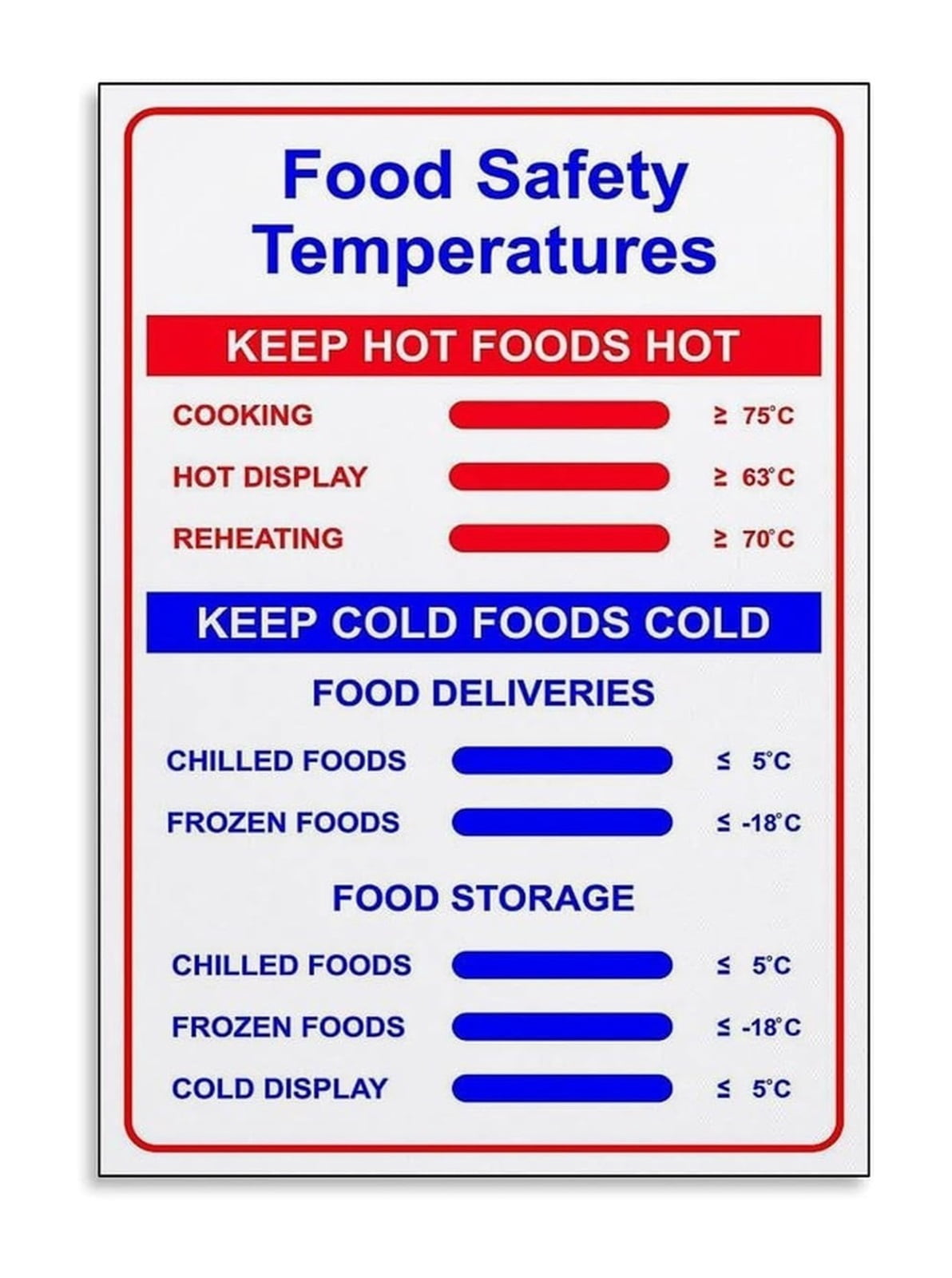
Temperature control forms the backbone of microbiological safety. The U.S. Department of Agriculture (USDA) defines the Danger Zone for bacterial growth as the range between 40°F and 140°F (4°C to 60°C). Pathogenic bacteria such as Salmonella, Escherichia coli, and Listeria monocytogenes multiply rapidly within this range.
Hot meals must be cooked to internal temperatures sufficient to kill pathogens (e.g., 165°F / 74°C for poultry) and held above 140°F (60°C) if kept warm. Cold foods must be stored consistently below 40°F (4°C). Improper cooling of hot foods—leaving a large hot container on the counter to cool slowly—creates an environment for spore-forming bacteria like Bacillus cereus to produce heat-stable toxins that survive subsequent reheating.
Lifestyle & Practicality: Meal Prep, Energy, and Daily Routines
Convenience and Time Efficiency
For busy professionals, students, and active travelers, cold meals offer clear operational advantages. Dishes designed for cold consumption—such as protein wraps, grain bowls, chopped salads, overnight oats, and chilled pasta salads—require no microwave, heating element, or insulated food containers. They eliminate prep delays during short lunch breaks and remain stable when transported in standard insulated lunch bags with ice packs.
Hot meals require cooking equipment, dedicated heating time, and appropriate heat-safe storage containers. While hot meal prep allows for large-batch batch cooking (e.g., braises, stews, casseroles, and curries), it depends on access to a kitchen or microwave during mealtime.
| Microwave Access | Short Lunch Break (<15m) | Long Lunch Break (>30m) |
|---|---|---|
| No Access | COLD WIN (Wraps/Oats) | COLD WIN (Salad Bowls) |
| Access | HYBRID (Prepped Bowl) | HOT WIN (Fresh/Cooked) |
Climate and Environmental Factors
Your body constantly regulates core temperature through thermoregulation. Consuming hot food in hot, humid weather increases internal heat load, triggering sweating and vasodilation to dump excess heat. Cold meals, chilled smoothies, and crisp raw vegetables provide cooling comfort, relieving thermal strain during warm months.
In cold climates or winter seasons, hot meals support internal warmth, draw blood flow to the core, and provide psychological comfort. The thermal energy from hot broths, soups, and roasted meats reduces the metabolic effort required to maintain thermal balance in chilly environments.
Fitness Integration and Athletic Recovery
Post-workout nutrition requirements depend on how quickly nutrients enter the bloodstream to initiate muscle protein synthesis and glycogen replenishment. Immediately following high-intensity exercise, core body temperature is elevated and blood flow is directed toward skeletal muscles rather than the digestive tract.
- Post-Workout Rapid Recovery: Cold or room-temperature liquid nutrition—such as whey protein shakes, fruit smoothies, or chilled tart cherry juice—is often easier to consume and tolerates reduced gastric blood flow better than a heavy, hot meal.
- Sustaining Energy & Muscle Repair: A hot meal containing lean protein, complex carbohydrates, and cooked vegetables consumed 60 to 90 minutes post-workout provides steady amino acid absorption and aids tissue repair without causing gastrointestinal distress.
Hot Food vs. Cold Food Comparison Matrix
| Practical & Health Metric | Hot Food Profile | Cold Food Profile | Lifestyle Winner |
|---|---|---|---|
| Nutrient Preservation | Unlocks lycopene & beta-carotene; degrades Vitamin C & B vitamins | Preserves heat-sensitive vitamins & live probiotics | Tie: Depends on targeted nutrient |
| Digestive Ease | Relaxes GI tract; easier to digest for sensitive stomachs | May cause bloating in sensitive individuals if raw | Hot Food |
| Glycemic Control | Higher immediate glycemic response for fresh starches | Higher resistant starch content lowers glycemic impact | Cold Food |
| Preparation Convenience | Requires heating equipment & heat-safe storage | Grab-and-go simplicity; no heating equipment needed | Cold Food |
| Satiety & Eating Pace | Volatile aromas slow eating speed, enhancing fullness | Often consumed faster; higher physical density required | Hot Food |
| Seasonal Adaptability | Ideal for winter, low temperatures, and cold environments | Ideal for summer, high humidity, and warm weather | Context Dependent |
| Food Safety Management | Requires strict thermal holding above 140°F (60°C) | Requires strict cold-chain maintenance below 40°F (4°C) | Tie: Both require active control |
How to Structure Your Daily Diet Based on Your Lifestyle
The Busy Professional Profile
If your workday consists of back-to-back meetings, travel, or limited access to breakroom amenities, prioritize a cold-dominant structure for mid-day fuel:
- Breakfast: Overnight oats mixed with chia seeds, cold-pressed berry protein smoothie, or Greek yogurt with raw walnuts.
- Lunch: Grain bowl featuring chilled quinoa, roasted-then-cooled chicken breast, cucumbers, pumpkin seeds, and olive oil dressing.
- Dinner: Warm, hot meal in the evening when time permits—such as baked salmon, steamed broccoli, and jasmine rice—to relax digestion before sleep.
The Athletic / High-Performance Profile
If you train intensely once or twice a day, align food temperature with workout timing:
- Pre-Workout: Simple, easily digested room-temperature or chilled carbohydrates (banana, cold rice cakes with honey).
- Immediate Post-Workout: Chilled protein shake containing fast-acting hydrolysate or isolate, plus frozen fruit to lower core body temperature.
- 90-Minutes Post-Workout: Substantial hot meal consisting of cooked lean beef, sweet potatoes, and sauteed spinach to maximize nutrient absorption and muscle synthesis.
The Sensitive Digestion / IBS Profile
If you suffer from frequent bloating, gastroparesis, or digestive discomfort, favor warm, cooked meals:
- Focus on Heating: Steamed, blanched, or roasted vegetables over raw salads. Heat breaks down tough insoluble fiber matrices.
- Soups and Bone Broths: Incorporate warm, collagen-rich broths that nourish the gut lining and require minimal mechanical breakdown by the stomach.
- Controlled Fermentation: Consume cold probiotic foods (like kefir or fermented pickles) in small, standalone portions rather than pairing large raw salads with heavy fats.
Frequently Asked Questions
Does eating cold food burn more calories than eating hot food?
No, the difference in calorie expenditure is minimal. While the body expends a small amount of thermal energy to warm cold food or ice water to body temperature, this process burns only about 5 to 15 calories per meal. It is not an effective or reliable strategy for weight loss.
Are raw vegetables healthier than cooked vegetables?
Neither is universally healthier; they provide different nutritional benefits. Raw vegetables retain heat-labile vitamins like Vitamin C and folate, as well as active enzymes. Cooking vegetables breaks down tough plant cell walls, rendering fat-soluble antioxidants like lycopene and beta-carotene significantly more bioavailable. A balanced diet incorporates both raw and cooked produce.
Why does cooling cooked starches reduce their glycemic impact?
Cooling cooked starches—such as rice, potatoes, and pasta—triggers a process called retrogradation. The starch molecules realign into Type 3 resistant starch, which resists enzymatic breakdown in the small intestine. This lowers the glycemic index, reduces post-prandial blood sugar spikes, and provides fermentable fiber for beneficial gut microflora.
Can cold food cause digestive problems or stomach cramps?
Yes, for certain individuals. Consuming very cold foods or liquids rapidly can cause transient vasoconstriction in the stomach lining and trigger smooth muscle spasms. For people with Irritable Bowel Syndrome (IBS), gastroparesis, or visceral hypersensitivity, large cold meals can slow gastric emptying and cause abdominal discomfort, gas, or bloating.
Is it safe to reheat cold food multiple times?
Reheating food multiple times increases food safety risks and degrades nutritional quality. Each time food passes through the microbial Danger Zone (40°F to 140°F / 4°C to 60°C), bacteria can multiply. If reheating prepped meals, heat only the portion you intend to consume immediately to an internal temperature of 165°F (74°C), leaving the remaining batch safely refrigerated.
Strategic Action Plan for Meal Planning
Rather than declaring a single winner, optimize your meal temperatures using this practical strategy:
- Audit Your Daily Schedule: If mid-day microwave access is unreliable, design nutrient-dense cold lunches (e.g., chilled lentil salads, turkey-avocado wraps, or chilled quinoa bowls) to prevent reliance on fast food.
- Cook and Cool Your Starches: Prepare batch starches (sweet potatoes, brown rice, whole-grain pasta) ahead of time. Store them in the refrigerator for at least 12 hours before eating them cold or gently reheating them to maximize resistant starch content.
- Match Temperatures to Climate and Training: Consume cold, hydrating liquid meals immediately after hot summer workouts, and transition to warm, cooked soups and roasted meals during winter months or periods of high stress.
- Balance Raw and Cooked Vegetables: Eat raw leafy greens, bell peppers, and citrus fruits to meet daily Vitamin C needs, while roasting or steaming tomatoes, carrots, and brassicas to optimize antioxidant delivery.
EDITORIAL CATEGORY METADATA:
Image Gallery