Understanding What a Break of Structure Means in Trading
A break of structure (BOS) occurs when the price of an asset decisively breaches a previous significant high or low within an established trend. It serves as a primary technical signal that the current market momentum is continuing, co...
A break of structure (BOS) occurs when the price of an asset decisively breaches a previous significant high or low within an established trend. It serves as a primary technical signal that the current market momentum is continuing, confirming that the prevailing trend remains intact and that the market is creating a new structural leg in the direction of that trend.
Contents
The Foundation of Market Structure
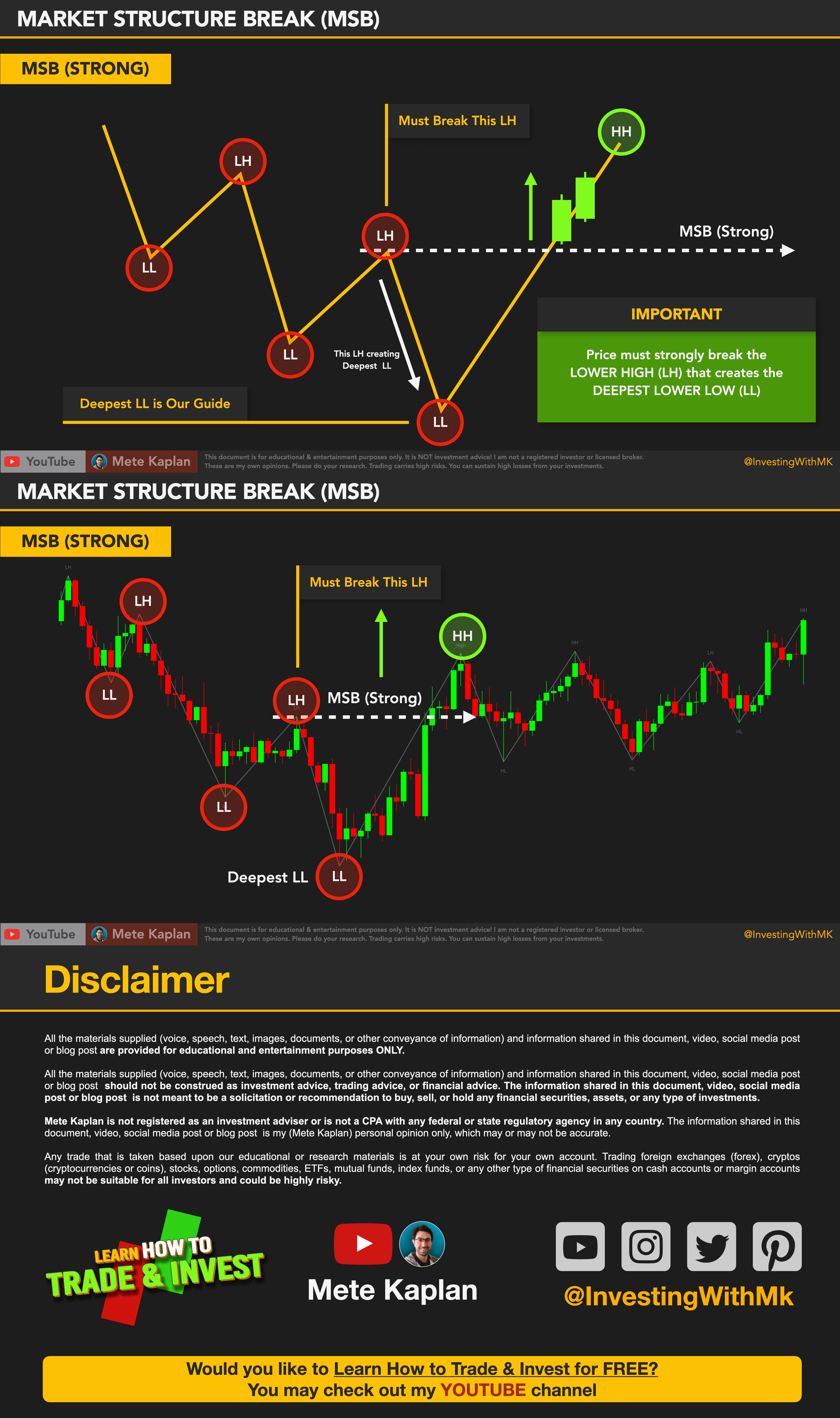
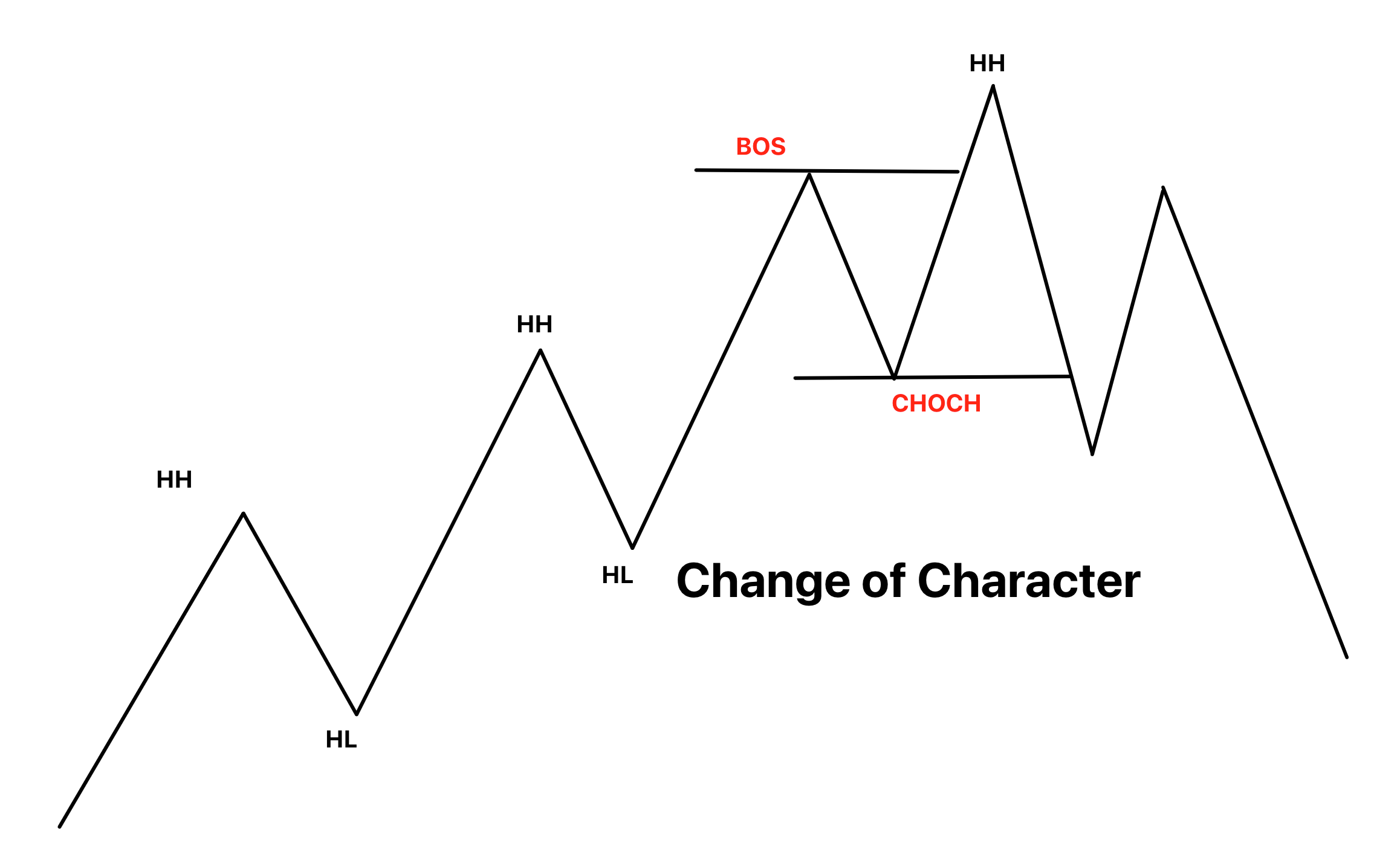
To understand a break of structure, one must first grasp the concept of market structure itself. Markets do not move in straight lines; they move in waves or "swings." In an uptrend, these waves consist of higher highs (HH) and higher lows (HL). In a downtrend, they consist of lower highs (LH) and lower lows (LL).
When traders identify a trend, they look for the point where the price moves beyond the most recent swing point. If the price creates a new higher high in an uptrend, that action is defined as a break of structure. It is the visual confirmation that buyers are maintaining control and are willing to pay higher prices than the previous peak. Conversely, in a downtrend, a break of structure occurs when the price pushes below the most recent lower low, indicating that sellers are still in command and are pushing for lower valuations.
Differentiating BOS from Change of Character
A common point of confusion for traders is distinguishing between a break of structure (BOS) and a change of character (CHOCH). While both involve price breaching a previous level, their implications are diametrically opposed:
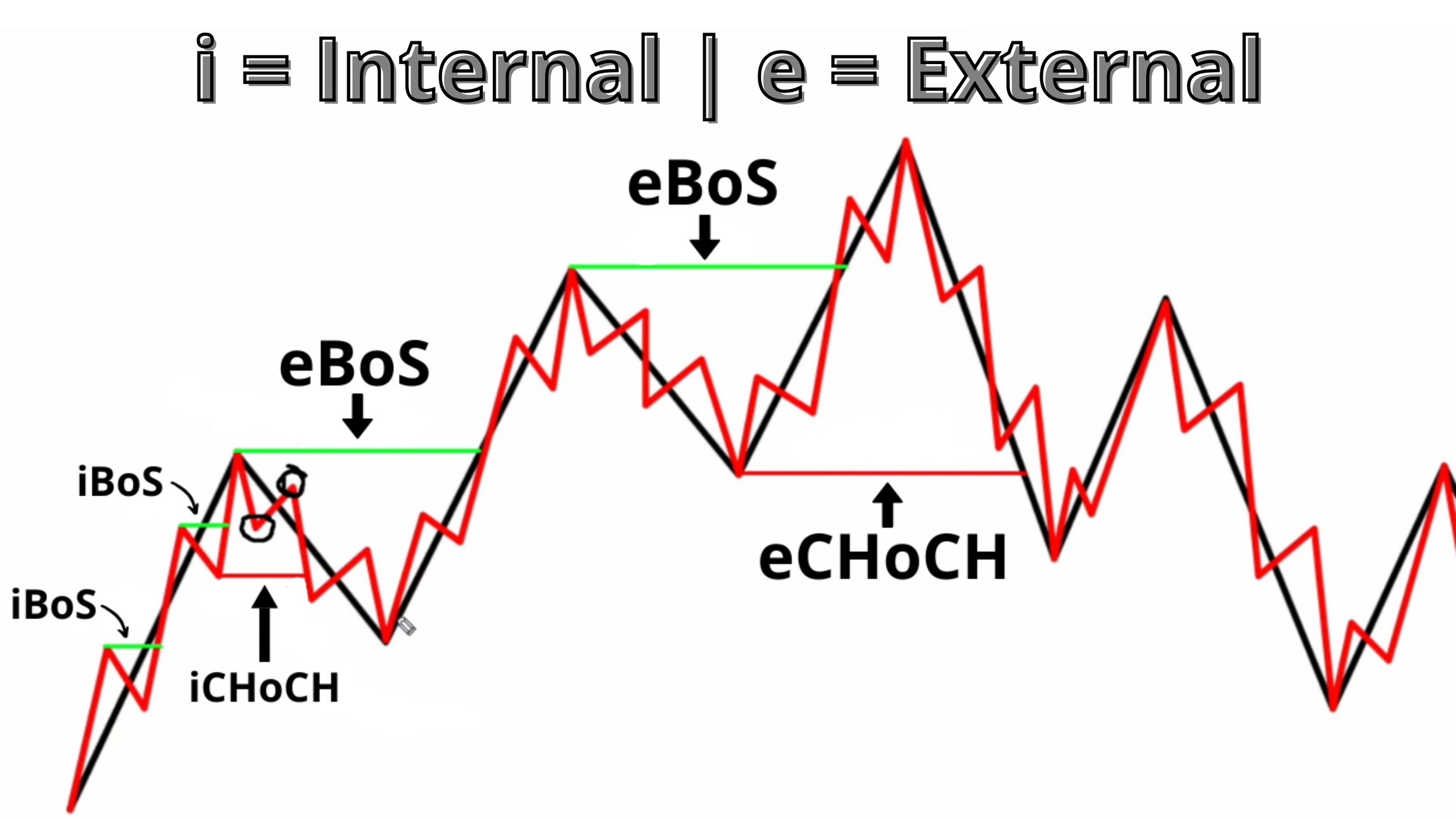
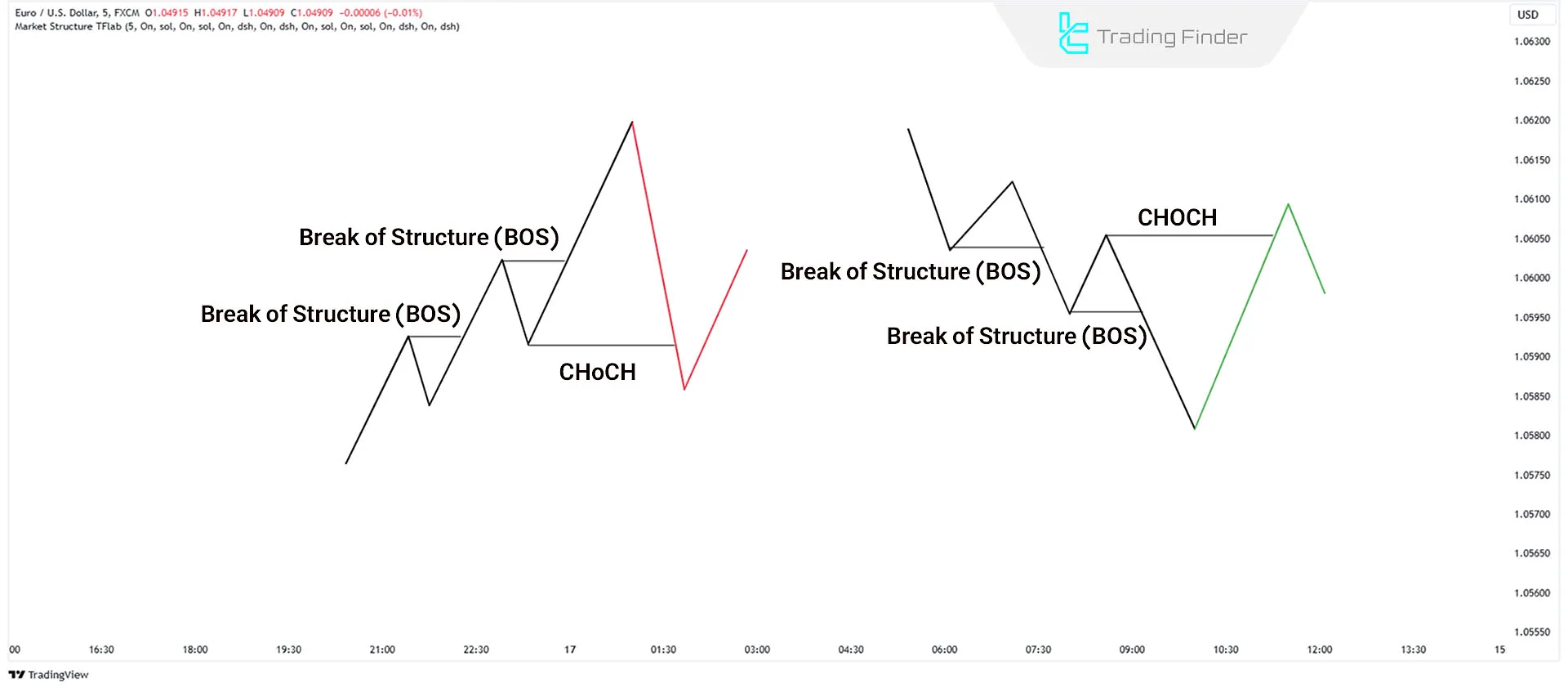
- Break of Structure (BOS): Signals the continuation of the current trend. It suggests the institutional momentum is still aligned with the current market direction.
- Change of Character (CHOCH): Signals the potential end of a trend. It occurs when the price breaks a level that should have held if the trend were to continue (e.g., in an uptrend, the price breaks below the most recent higher low). This is often the first indicator that a reversal might be underway.
Why Institutional Traders Focus on Structure
Professional traders and institutional entities use market structure to define their "bias." By identifying where breaks of structure occur, a trader can determine whether to look for long (buy) or short (sell) positions.
The logic follows that if a market has consistently posted breaks of structure in an upward direction, the path of least resistance is higher. Traders will then look for "pullbacks" or temporary dips to enter the market, expecting the price to eventually continue the trend by creating another BOS. If the price fails to break the previous high and instead breaks a low, the structural thesis is invalidated, and the trader must adjust their strategy.
Visualizing Market Structure Transitions
The identification of a break of structure relies on the "closing" of a candle rather than just a "wick" or "shadow." Most technical analysts agree that for a break of structure to be valid, the price must close beyond the previous structural high or low on the timeframe being analyzed.
Table: Comparing Market Structure Signals
| Signal Type | Directional Implication | Market Sentiment | Primary Utility |
|---|---|---|---|
| BOS (Trend) | Continuation | Strong trend alignment | Identifying entry points for momentum trades |
| CHOCH (Reversal) | Trend Failure | Weakening conviction | Identifying potential market tops or bottoms |
| Liquidity Sweep | Deception | Market manipulation | Avoiding "fake-outs" and stop-loss hunting |
Common Pitfalls and Technical Requirements
One of the most frequent errors traders make when identifying a break of structure is focusing on lower timeframes without context. A break of structure on a one-minute chart may be irrelevant if the higher timeframes (such as the four-hour or daily charts) are in a clear, opposing trend.
Furthermore, traders must be wary of "liquidity sweeps." Sometimes, price will briefly spike above a previous high only to reverse immediately. This is not a valid BOS; rather, it is a liquidity sweep where institutional traders gather stop-loss orders from retail participants before moving the price in the opposite direction. A true break of structure typically involves a strong, impulsive move characterized by increased volume, suggesting genuine conviction rather than a temporary grab for liquidity.
Practical Application in Trade Planning
When incorporating BOS into a trading strategy, follow these steps to maintain discipline:
- Define the Timeframe: Choose a primary timeframe for trend identification (e.g., 4H) and a secondary timeframe for execution (e.g., 15M).
- Mark the Swings: Explicitly mark the most recent significant high and low on your chart. Do not overcomplicate; focus on major swing points.
- Wait for the Close: Do not anticipate a break. Wait for the candle to close definitively beyond the previous level.
- Align with Trend: If a BOS occurs in the direction of the higher timeframe trend, consider it a high-probability setup. If it contradicts the higher timeframe, exercise extreme caution.
- Risk Management: Always place stop-losses beyond the recent structural low (in an uptrend) or high (in a downtrend) that the BOS created.
Frequently Asked Questions
Does a break of structure require high trading volume? While not strictly mandatory, high volume accompanying a break of structure significantly increases the validity of the move. Increased volume suggests that institutional participants are actively involved in pushing the price through the resistance or support level, rather than it being a low-conviction drift.
Can a break of structure occur in a sideways market? A sideways market, or consolidation, is characterized by price remaining within a defined range without creating higher highs or lower lows. In this state, structure is essentially absent. A break of structure is only meaningful when a clear trend (swing high/swing low sequence) has been previously established.
Should I use moving averages to confirm a break of structure? Moving averages can be used as a supplementary tool to confirm the trend, but they are lagging indicators. Market structure is a price-action-based concept that focuses on the raw data of the price itself. Relying solely on price action is generally considered more accurate for identifying structure than relying on lagging indicators.
How do I handle "fake-outs" when trading BOS? Fake-outs often occur near psychological round numbers or major historical support/resistance zones. To minimize exposure to these, wait for the price to "retest" the level it just broke. Often, a previous structural high will act as new support after being broken, providing a more stable entry point.
Is BOS applicable to all financial assets? Yes, the concept of market structure is universal. Whether trading equities, foreign exchange, or commodities, the psychology of supply and demand expressed through price swings remains consistent. The timeframe and volatility levels may differ, but the logic of BOS holds true across global markets in 2026.
Final Recommendation
To effectively utilize breaks of structure, start by reviewing historical charts for an asset you trade frequently. Identify the last 20 swings and label them as HH, HL, LH, or LL. Observe where the BOS occurred and what the market did immediately afterward. This backtesting exercise will help you develop the "eye" for structure, allowing you to filter out noise and focus on high-probability trend continuations. Consistency in this process is the most effective way to improve your trade selection over time.
Image Gallery