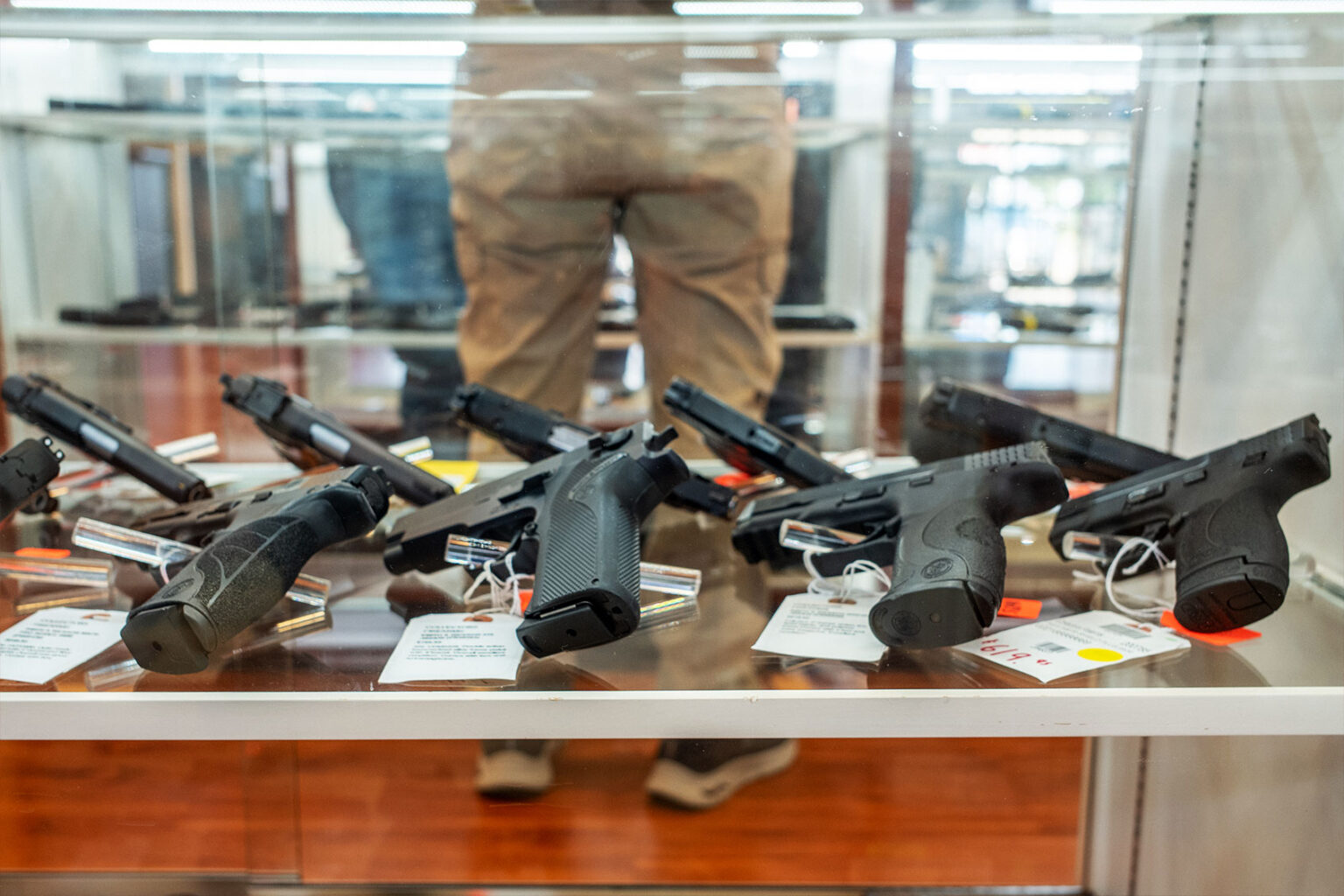
Why Gun Addiction Harms More Than It Helps
The term "gun addiction"—often used to describe a compulsive preoccupation with the acquisition, modification, and tactical rehearsal of firearms—frequently masks underlying psychological, financial, or social instability. While firear...
The term "gun addiction"—often used to describe a compulsive preoccupation with the acquisition, modification, and tactical rehearsal of firearms—frequently masks underlying psychological, financial, or social instability. While firearm ownership is a legal right in many jurisdictions, shifting from responsible stewardship to an obsessive, identity-defining compulsion can lead to severe personal degradation, financial ruin, and increased safety risks that outweigh any perceived benefit of high-volume ownership.
Contents
The Psychology of Firearms Obsession
At its core, a healthy interest in firearms is often rooted in sporting, hunting, or personal protection. However, when the focus shifts to an insatiable need to constantly upgrade, stockpile, or dwell on tactical scenarios, it enters the realm of psychological obsession. Mental health professionals often view this behavior as a form of "maladaptive coping," where an individual utilizes the acquisition of gear to provide a temporary sense of control, security, or identity.
This behavior mimics other forms of behavioral addiction, such as shopping or gambling. The "high" associated with the purchase of a new firearm or accessory is often fleeting, leading to a cycle of dopamine seeking that necessitates further spending. Unlike hobbies where the goal is skill acquisition (such as precision marksmanship), the addictive cycle centers on the object itself, rather than the utility or proficiency gained from it.
The Financial Toll of Unchecked Accumulation
One of the most immediate harms of weapon-focused addiction is the erosion of personal financial stability. Firearms, ammunition, optics, and tactical accessories are high-cost assets that depreciate in utility if they are merely collected rather than used.
- Opportunity Cost: Every dollar diverted into redundant firearms is a dollar pulled from retirement accounts, emergency funds, or debt reduction.
- Maintenance and Storage Fees: Managing a large, unneeded collection involves ongoing costs for high-security storage, insurance premiums, and climate-controlled environments to prevent corrosion.
- Market Volatility: The firearms market is prone to price swings. Investors who enter the market during periods of high demand often pay premiums that cannot be recouped if they are forced to liquidate their collection during a cooling market.
Safety Risks and Liability
A fundamental rule of responsible firearm ownership is that the probability of an accident increases with the number of firearms and the complexity of one’s involvement. A person driven by addiction often neglects the disciplined storage practices required for safe ownership.
When a collection grows beyond an individual’s ability to properly monitor, clean, and secure each unit, the risk of unauthorized access increases significantly. Furthermore, excessive stockpiling of ammunition—often stored improperly—introduces physical fire hazards within the home. Legal liability also grows; in many jurisdictions, owners are held strictly accountable for how their property is used, even if that use was by a third party who gained access due to negligent storage protocols necessitated by an overwhelming collection.
Table: Responsible Stewardship vs. Compulsive Acquisition
| Feature | Responsible Stewardship | Compulsive Acquisition |
|---|---|---|
| Primary Driver | Utility, skill, or sport | Dopamine, identity, anxiety relief |
| Spending Habits | Budget-based, needs-driven | Impulsive, debt-fueled |
| Storage | Organized, accessible, secure | Cluttered, high-risk, unmanaged |
| Skill Focus | Proficiency and safety | Gear accumulation and aesthetics |
| Social Impact | Integration into community | Isolation and obsessive focus |
Impact on Social and Personal Relationships
Compulsive behaviors inherently create friction in personal relationships. When an individual’s time and financial resources are monopolized by a single, all-consuming interest, the capacity to participate in shared family goals, hobbies, or social activities diminishes. This often leads to increased isolation, as the person seeks out communities that validate their obsession, further insulating them from external feedback.
When a hobby begins to exclude all other aspects of life, it ceases to be a recreational activity and becomes a barrier to healthy social development. Family members may feel alienated not only by the financial drain but by the psychological shift in the owner, who may prioritize the maintenance of their collection over interpersonal connectivity.
Distinguishing Between Hobby and Pathology
It is important to differentiate between a dedicated collector or competitive shooter and someone suffering from a firearm-related obsession. The key differentiator is functional impairment.
A healthy hobbyist maintains a balance: they are proficient in the use of their tools, they store them according to legal and safety standards, and they do not allow the hobby to compromise their financial or social well-being. A person suffering from the harm of "gun addiction" exhibits a loss of control. If the thought of losing access to the collection induces panic, or if the individual is consistently choosing to acquire new gear over meeting basic financial or personal obligations, it is a clear indicator that the behavior has turned harmful.
Frequently Asked Questions
Is it wrong to own a large collection of firearms? No, owning a large collection is not inherently wrong, provided it is managed with strict adherence to safety, security, and financial prudence. The harm arises when the drive to own becomes a compulsive need that overrides other responsibilities.
How do I know if my interest has become an addiction? The primary indicator is the impact on your daily life. If your spending on firearms is negatively affecting your savings, your family relationships, or your ability to handle life stressors without needing to acquire new gear, you may be experiencing a behavioral compulsion.
What should I do if my collection has become unmanageable? Start by assessing the necessity of each item. A professional inventory audit can help you identify redundant tools. Consider downsizing to a core set of firearms that you actually use and enjoy, which reduces both maintenance burden and financial pressure.
Are there professional resources for behavioral compulsions? Yes. Since this behavior shares characteristics with shopping addiction, counselors who specialize in impulse control disorders can provide strategies to manage the urge to accumulate.
How does "gun addiction" affect long-term legal standing? In some cases, the reckless accumulation of weapons can lead to a lack of proper oversight, resulting in violations of storage laws or administrative regulations, which can jeopardize your legal standing to own firearms in the future.
Moving Toward Balance
If you find yourself prioritizing the accumulation of hardware over the development of yourself, it is time to pivot. Real proficiency—the kind that fosters confidence and peace of mind—is not found in the sheer volume of equipment owned, but in the mastery of a few well-maintained tools.
The next step is to conduct a cold, objective audit of your collection. Evaluate your gear based on actual use frequency and purpose. If the bulk of your collection serves no practical function and is only there to satisfy an impulse, consider liquidating those assets to reinvest in your personal well-being or financial future. Regaining control over your habits ensures that your interest in firearms remains a tool for your life, rather than a burden you are forced to carry.
Image Gallery