Understanding the Illinois Workers’ Compensation Commission (IWCC)
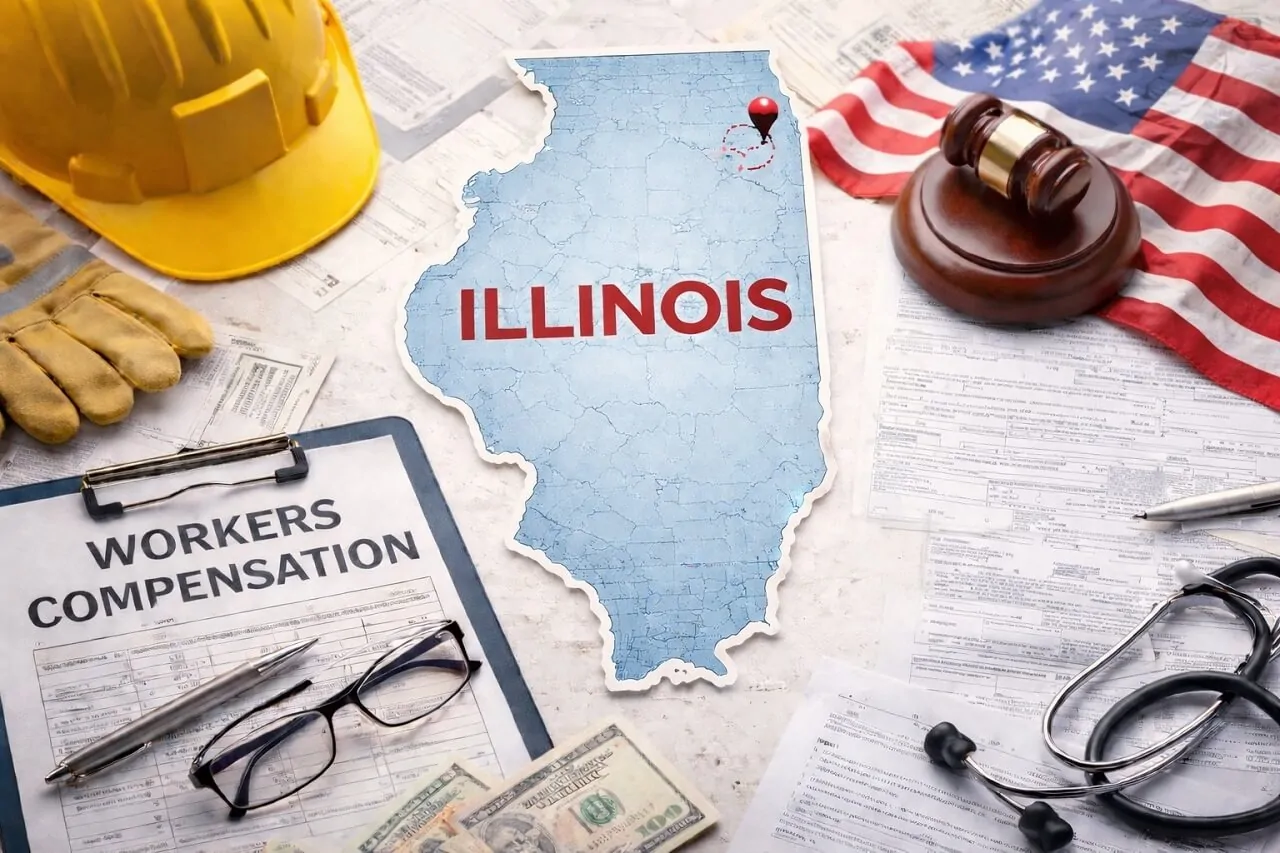
The Illinois Workers’ Compensation Commission (IWCC) is the state-level administrative agency responsible for resolving disputes between employees and employers regarding work-related injuries and illnesses. It operates as a quasi-judi...
The Illinois Workers’ Compensation Commission (IWCC) is the state-level administrative agency responsible for resolving disputes between employees and employers regarding work-related injuries and illnesses. It operates as a quasi-judicial body that administers the Illinois Workers’ Compensation Act, ensuring injured workers receive medical care and financial support while protecting employers from excessive liability.
Contents
In the state of Illinois, the system of workers' compensation is designed to be a "no-fault" mechanism. This means that an employee does not need to prove the employer was negligent to receive benefits, but in exchange, the employee generally loses the right to sue the employer in civil court for the injury. The Illinois Workers’ Compensation Commission serves as the referee and record-keeper for this entire system. As of 2026, the IWCC continues to handle tens of thousands of claims annually, providing a structured environment where legal disputes are settled through arbitration rather than the traditional jury trial system.
The Role and Mission of the IWCC
The primary mission of the Illinois Workers’ Compensation Commission is to provide a fair and efficient process for the resolution of disputes. While many workers' compensation claims are handled smoothly between the injured worker and the employer’s insurance company, disagreements often arise regarding the extent of the injury, the necessity of specific medical treatments, or the calculation of lost wages.
The IWCC acts as a specialized court system. It is staffed by Arbitrators and Commissioners who possess deep expertise in the Illinois Workers’ Compensation Act and the Illinois Workers’ Occupational Diseases Act. By focusing exclusively on these laws, the Commission can process cases more rapidly than the general circuit court system, which handles everything from traffic tickets to complex corporate litigation.
Beyond dispute resolution, the IWCC performs several critical administrative functions:
- Insurance Compliance: Ensuring that Illinois employers maintain the required insurance coverage or are legally authorized to be self-insured.
- Information Dissemination: Providing resources to both workers and businesses to help them understand their rights and obligations under the law.
- Record Keeping: Maintaining the "First Report of Injury" data and tracking the outcomes of claims to monitor trends in workplace safety and litigation.
- Anti-Fraud Initiatives: Operating units dedicated to identifying and prosecuting fraud committed by workers, employers, or medical providers.
The Legal Framework: The Illinois Workers’ Compensation Act
The IWCC derives its authority from the Illinois Workers’ Compensation Act (820 ILCS 305). This statute outlines the types of injuries covered, the benefits available, and the procedural requirements for filing a claim. In Illinois, nearly every employee who is hired, injured, or whose employment is localized within the state is covered by the Act.
The Act is comprehensive, covering sudden accidents (like a fall from a ladder) and repetitive stress injuries (like carpal tunnel syndrome developed over years of assembly line work). It also covers "occupational diseases," which are illnesses contracted due to the nature of the employment, such as respiratory issues caused by exposure to toxic chemicals in a factory.
One of the most important aspects of the Act is the mandatory nature of insurance. Every employer in Illinois must provide workers' compensation benefits for its employees. If an employer fails to carry insurance, they face significant penalties from the IWCC, and the injured worker may be able to file a claim against the Illinois Injured Workers’ Benefit Fund.
Navigating the IWCC Dispute Resolution Process
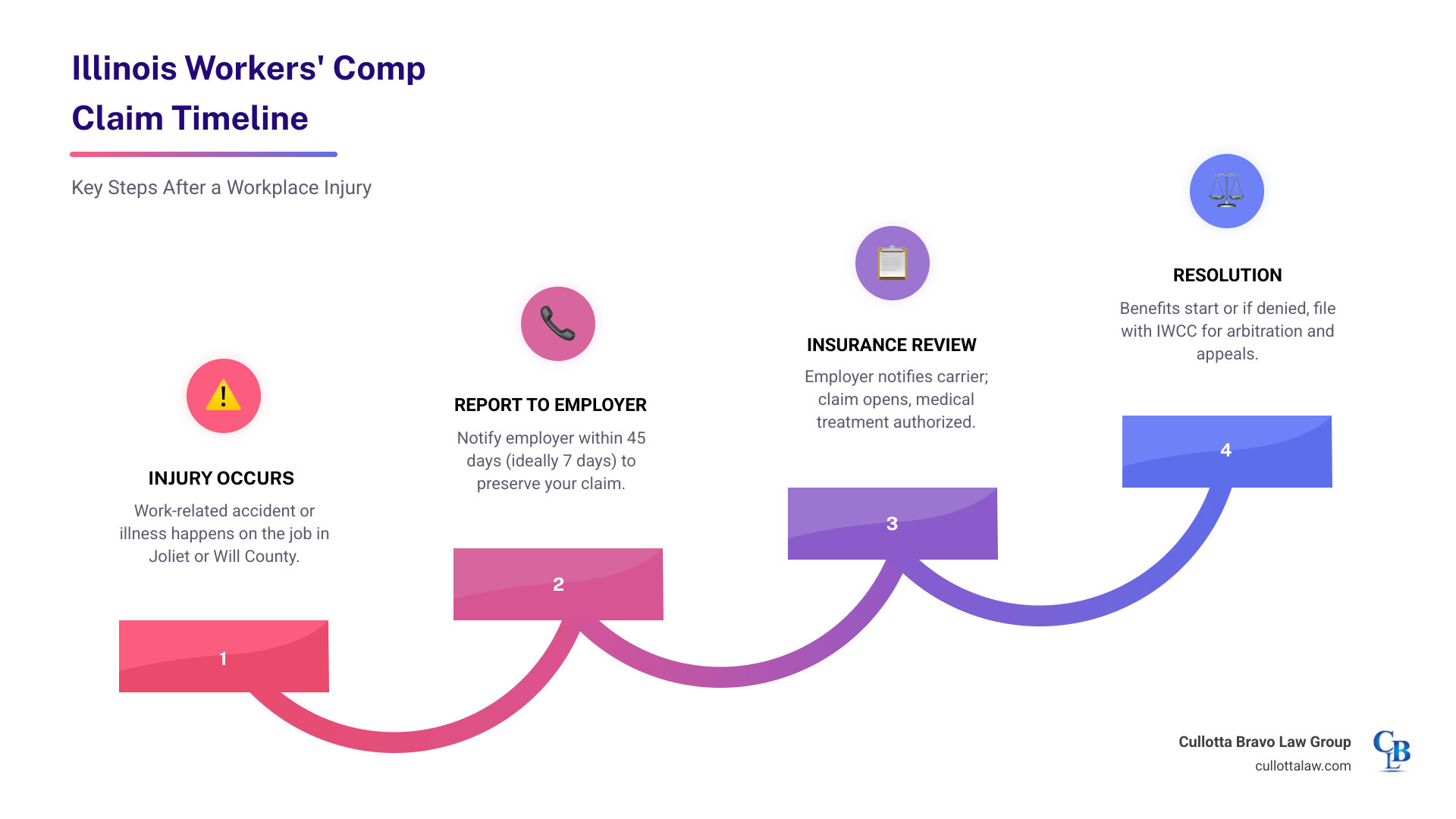
When a worker is injured, they must first notify their employer. If the employer or their insurance carrier denies the claim or disputes the benefits, the worker (often through an attorney) files an "Application for Adjustment of Claim" with the IWCC. This starts the formal legal process within the Commission.
1. Arbitration
The first level of the process is arbitration. The state is divided into various hearing districts, and a case is assigned to an Arbitrator based on where the accident occurred. The Arbitrator acts as the trial judge. They hold hearings, hear testimony from the worker and medical experts, and review evidence. After the hearing, the Arbitrator issues a written decision (an "Award") detailing what benefits, if any, the employer must pay.
2. Commission Review
If either the worker or the employer is dissatisfied with the Arbitrator’s decision, they can appeal to the Commission. This is known as a "Petition for Review." A panel of three Commissioners—one representing the interests of employees, one representing employers, and one "public" member—will review the case. They typically do not hear new evidence but instead look for errors in the Arbitrator's application of the law or interpretation of the facts.
3. Judicial Review
If the dispute remains unresolved after the Commission's decision, the parties can appeal to the Illinois Circuit Court, then to the Illinois Appellate Court (Workers' Compensation Commission Division), and in rare cases, to the Illinois Supreme Court. However, the vast majority of cases are finalized at the Commission level.
Key Benefits Managed by the Commission
The IWCC ensures that three primary categories of benefits are provided to injured workers. Disagreements over these categories are the most common reasons for a case to be brought before the Commission.
| Benefit Type | Description | Calculation/Basis |
|---|---|---|
| Medical Expenses | Payment for all "reasonable and necessary" medical care. | Based on the IWCC Medical Fee Schedule. |
| Temporary Total Disability (TTD) | Wage replacement while the worker is unable to work during recovery. | Typically 66.67% of the worker's average weekly wage. |
| Permanent Partial Disability (PPD) | Compensation for the permanent loss of use of a body part or "person as a whole." | Based on statutory schedules or loss of earning capacity. |
| Vocational Rehabilitation | Help for workers who cannot return to their previous job due to their injuries. | Includes job counseling, retraining, and job placement. |
| Death Benefits | Support for the surviving dependents of a worker killed on the job. | Includes burial expenses and ongoing weekly payments. |
Permanent Total Disability (PTD) and the Rate Adjustment Fund
In cases where a worker is permanently and totally disabled, meaning they can never return to any form of gainful employment, they are entitled to PTD benefits for life. Because inflation can erode the value of these benefits over decades, the IWCC manages a "Rate Adjustment Fund" (RAF). This fund provides annual cost-of-living increases to those receiving PTD or death benefits, ensuring their purchasing power remains stable.
Employer Requirements and Compliance
For businesses operating in Illinois, the "workers' comp office" is more than just a place for lawsuits; it is a regulatory body. Employers have several non-negotiable responsibilities:
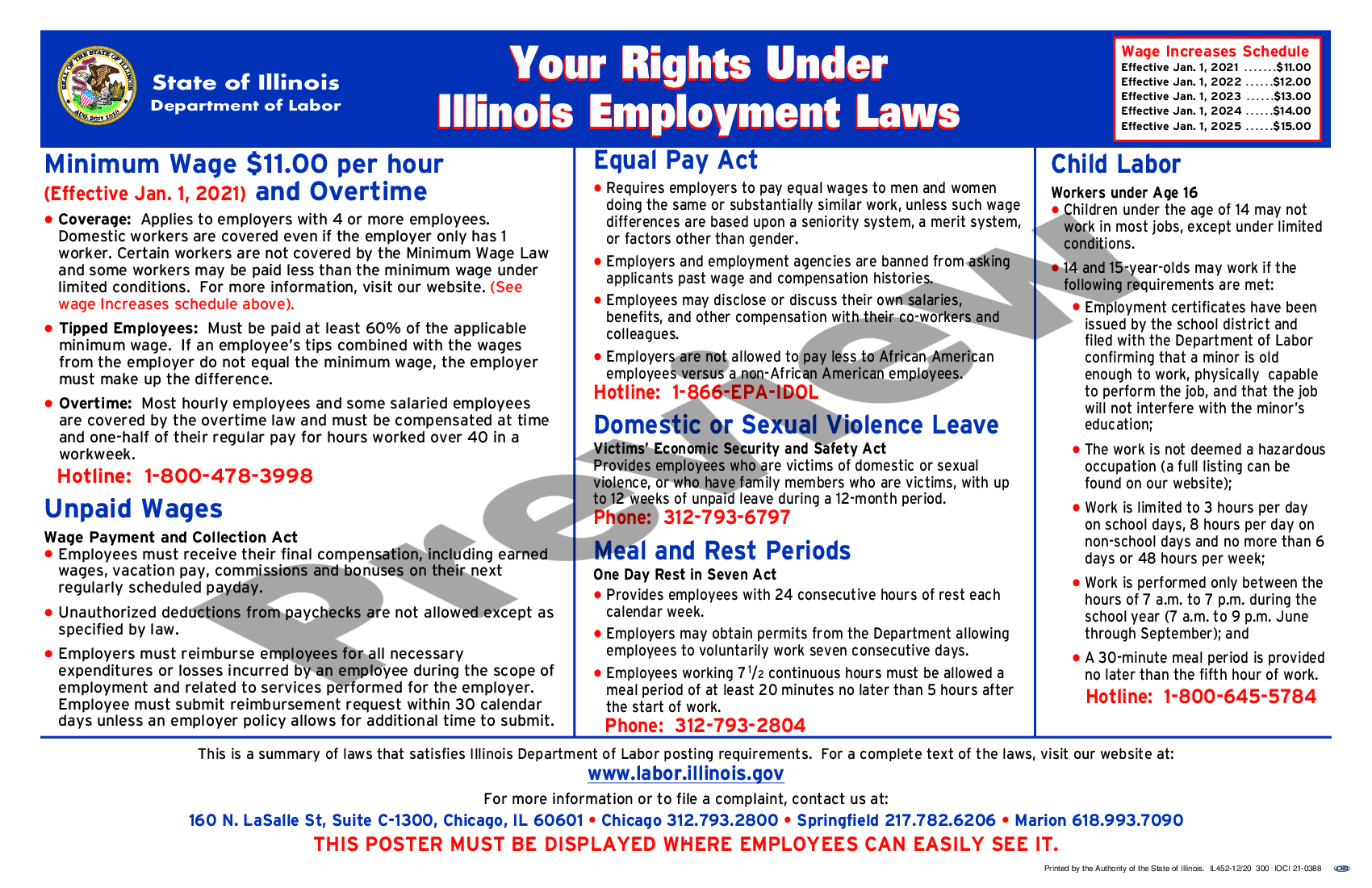
- Posting Notices: Every employer must post a notice in the workplace that informs employees of their rights and lists the name of the workers' compensation insurance carrier.
- Reporting Injuries: Employers must report any work-related injury that results in more than three lost workdays to the IWCC. This is done via Form IC45.
- Providing Medical Care: Under Illinois law, the employer has the right to maintain a Preferred Provider Program (PPP). If they do, the worker's choice of doctors may be limited. If no PPP exists, the worker generally has the right to choose two doctors (the "two-doctor rule"), plus any specialists referred by those two.
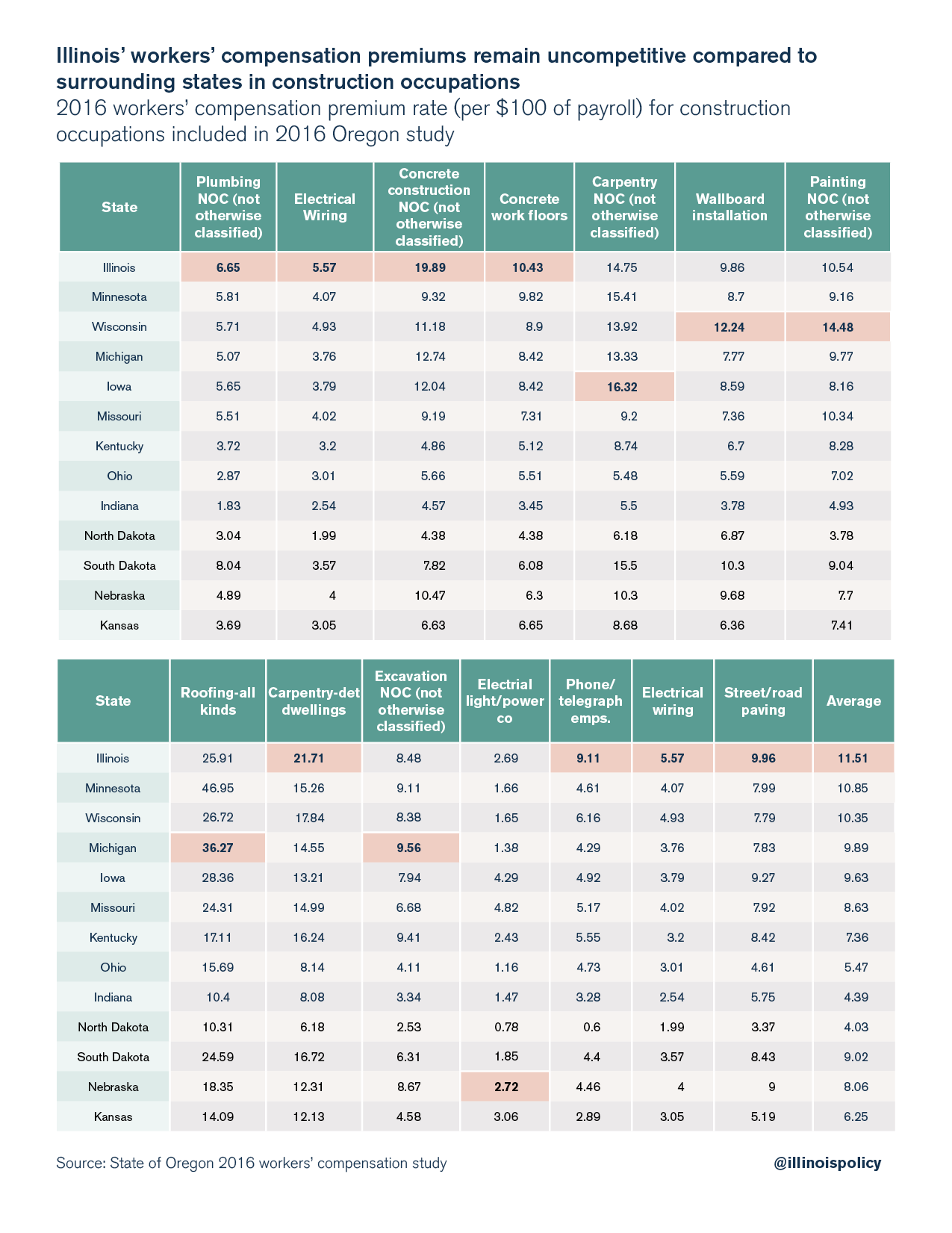
The IWCC Insurance Compliance Division actively monitors Illinois businesses. Employers found without insurance can be fined up to $500 for every day they were non-compliant, with a minimum fine of $10,000. Officers of a corporation can also be held personally liable for these fines or even face criminal charges.
The Workers' Compensation Fraud Unit
The IWCC houses a specialized unit to protect the integrity of the system. Fraud is a serious concern that can drive up insurance premiums for businesses and delay benefits for legitimate claimants. The Fraud Unit investigates several types of misconduct:
- Claimant Fraud: Workers who fake injuries or work "on the side" while collecting TTD benefits.
- Employer Fraud: Businesses that intentionally misclassify employees as "independent contractors" to avoid paying insurance premiums or those who lie about their payroll.
- Medical Provider Fraud: Doctors or clinics that bill for services never rendered or perform unnecessary procedures to inflate insurance claims.
As of 2026, the IWCC has integrated more advanced data analytics to cross-reference payroll records with insurance filings, making it significantly harder for "ghost" companies to operate without coverage.
Common Misconceptions About the IWCC
There are several misunderstandings regarding what the "workers' comp office" actually does.
Misconception 1: The IWCC pays the benefits. The IWCC does not pay the worker. Benefits are paid by the employer's private insurance company or by the employer directly if they are self-insured. The IWCC only steps in to order payment if there is a dispute.
Misconception 2: You have to sue your boss to get benefits. Filing a claim with the IWCC is not a "lawsuit" in the traditional sense. It is an administrative claim. While it can become adversarial, many claims are filed simply to protect the worker's rights in case an injury gets worse in the future.
Misconception 3: The IWCC provides legal advice. While the Commission provides information and forms, it cannot provide legal advice to workers or employers. Most parties in a disputed case are represented by attorneys who specialize in workers' compensation law.
IWCC Office Locations and Accessibility
The Illinois Workers’ Compensation Commission is headquartered in Chicago, but it maintains a presence throughout the state to ensure accessibility for all residents. Hearing sites are strategically located so that most workers do not have to travel more than a short distance for their arbitration hearings.
- Main Office: 69 W. Washington St., Chicago, IL.
- Regional Sites: Typically located in Collinsville, Peoria, Rockford, Springfield, and several other rotating locations.
In 2026, the IWCC continues to expand its "CompHub" digital portal. This system allows for electronic filing of documents, remote status calls, and digital access to case files, significantly reducing the need for physical travel to an office for routine administrative matters.
Frequently Asked Questions
What is the first thing I should do if I am injured at work?
You must notify your employer as soon as possible. Under Illinois law, you generally have 45 days to provide notice (either orally or in writing), though it is always best to do so immediately and in writing. Failing to provide notice within the legal timeframe can result in a total loss of benefits.
Can I be fired for filing a workers' compensation claim?
No. Illinois law prohibits employers from retaliating against employees for exercising their rights under the Workers’ Compensation Act. This includes firing, demoting, or harassing a worker because they filed a claim. If this happens, the worker may have grounds for a separate "retaliatory discharge" lawsuit in civil court.
How long does a case at the IWCC take to resolve?
Simple cases where the only dispute is a final settlement can be resolved in a few months. However, complex cases involving surgery and long-term recovery may stay "open" at the Commission for years. Once a case goes to a full arbitration hearing, a decision is typically rendered within 60 to 90 days of the hearing's conclusion.
Does the IWCC handle federal employees or maritime workers?
No. The IWCC only handles claims under Illinois state law. Federal employees are covered under the Federal Employees' Compensation Act (FECA), and maritime workers may be covered under the Jones Act or the Longshore and Harbor Workers' Compensation Act. These are handled by federal agencies, not the state Commission.
What happens if my employer doesn't have insurance?
If your employer is uninsured, you can still file a claim with the IWCC. You may be eligible for benefits through the Injured Workers’ Benefit Fund (IWBF), which is funded by fines collected from uninsured employers. However, the process for collecting from the fund can be more complex and time-consuming than a standard insurance claim.
Practical Recommendation
If you are dealing with a work-related injury in Illinois, your first step should be to visit the official Illinois Workers’ Compensation Commission website to download the "Handbook on Workers’ Compensation and Occupational Diseases." This document provides a plain-English explanation of your rights. If your claim is denied or if your injuries are severe (requiring surgery or resulting in permanent disability), it is highly advisable to consult with a qualified attorney. Most workers' compensation attorneys in Illinois work on a contingency fee basis, meaning they only get paid a percentage of the final settlement or award, which is capped by state law.
Image Gallery