Assessing the Legal Risks in Stephanie Beatriz’s A Man on the Inside
In the context of the Netflix series A Man on the Inside, the "legal risk" primarily involves the fictional actions of Stephanie Beatriz’s character, Emily, and the real-world regulatory hurdles of conducting undercover surveillance in...
In the context of the Netflix series A Man on the Inside, the "legal risk" primarily involves the fictional actions of Stephanie Beatriz’s character, Emily, and the real-world regulatory hurdles of conducting undercover surveillance in elder care facilities. While the show is a scripted comedy based on the documentary The Mole Agent, it navigates a complex web of privacy laws, HIPAA regulations, and private investigation statutes that would pose severe liability in actual practice.
Contents
The Intersection of Fiction and Legal Reality
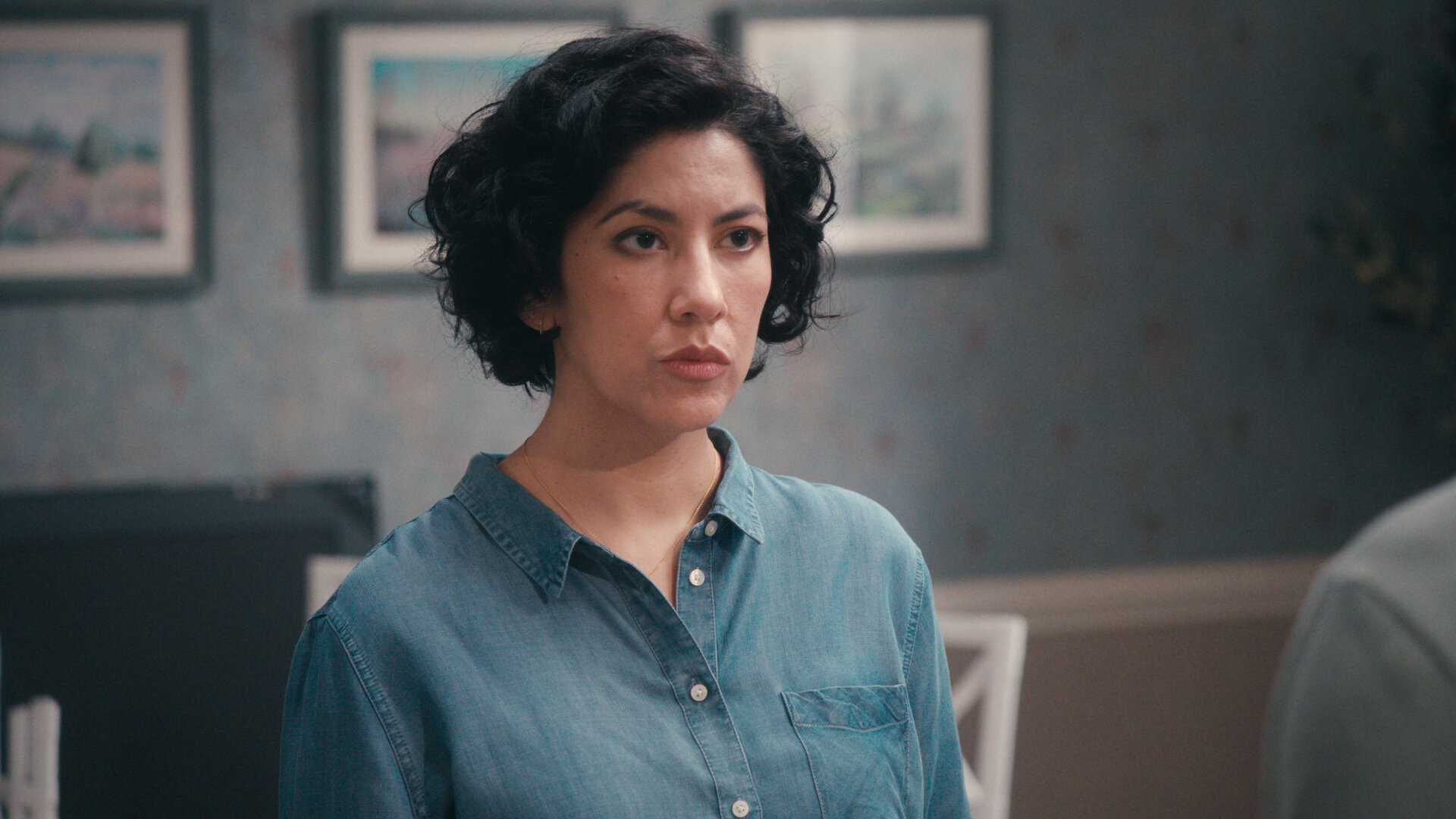
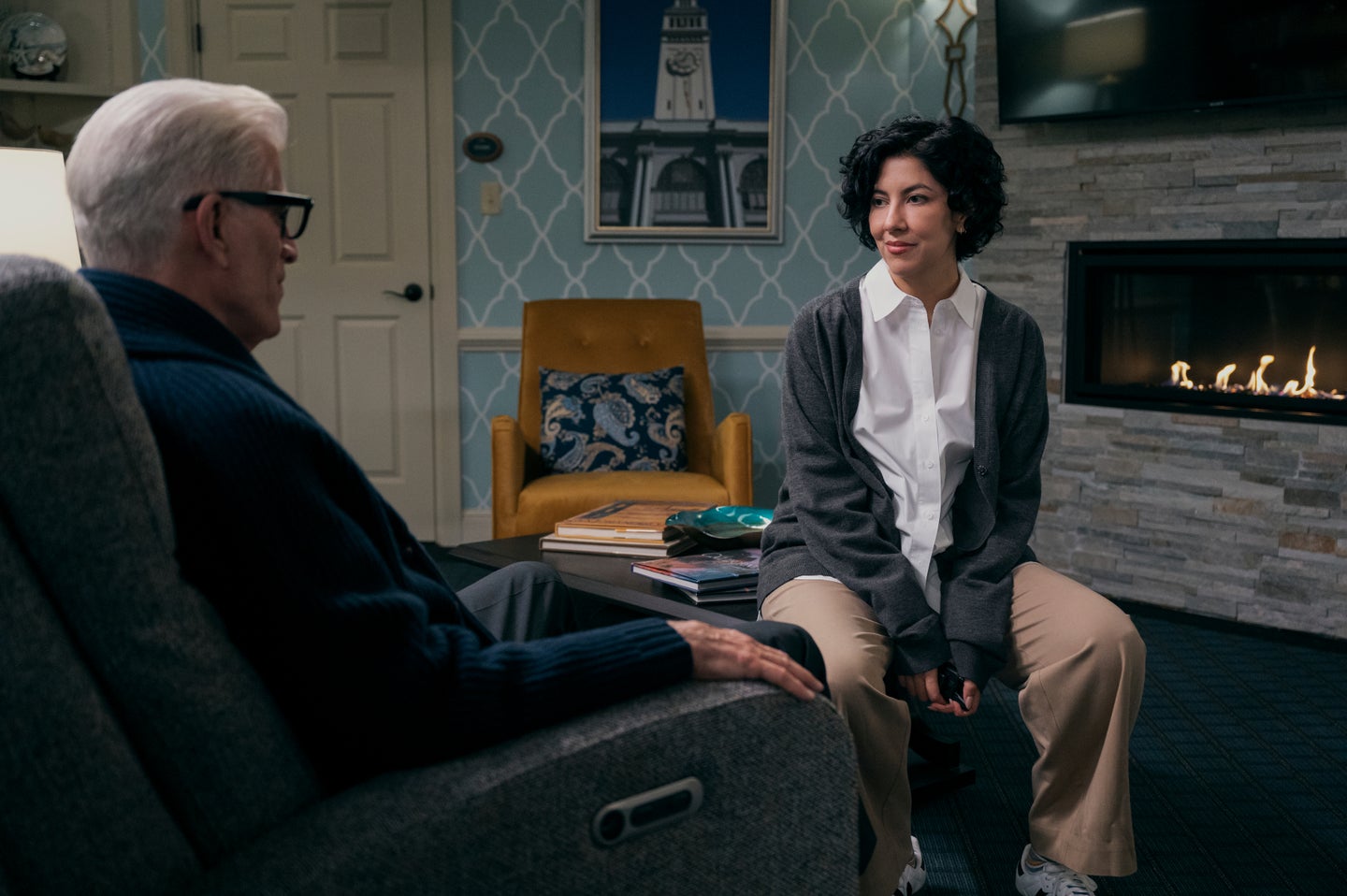
Released to critical acclaim and starring Ted Danson alongside Stephanie Beatriz, A Man on the Inside explores the comedic yet poignant journey of a retired professor who goes undercover in a San Francisco retirement home. Stephanie Beatriz plays Emily, the private investigator who orchestrates the operation. While the narrative focuses on heart and humor, the premise sits on a precarious legal foundation regarding the rights of the elderly and the limits of private surveillance.
In the reality of 2026, where privacy litigation is at an all-time high, the tactics depicted in the series—placing an untrained "mole" into a residential care facility—represent a minefield of potential torts. These include "intrusion upon seclusion," "false light," and violations of state-specific wiretapping laws. To understand the legal risks, one must distinguish between the creative liberties taken by showrunner Mike Schur and the stringent requirements of the American legal system.
Privacy Rights and the Expectation of Privacy in Care Facilities
The most significant legal risk highlighted by the show’s premise is the violation of the Fourth Amendment (in public contexts) and common law privacy rights in private settings. Residents of assisted living facilities and nursing homes are protected by a "reasonable expectation of privacy" within their living quarters.
Intrusion Upon Seclusion
When Beatriz’s character, Emily, directs Charles (Danson) to investigate a potential theft, his presence in the private rooms of other residents could be classified as an intrusion upon seclusion. This legal concept applies when someone intentionally intrudes, physically or otherwise, upon the solitude or private affairs of another in a way that would be highly offensive to a reasonable person. In a real-world scenario, any footage or information gathered by an unlicensed individual under false pretenses would likely be inadmissible in court and could lead to a massive civil lawsuit against the investigative firm.
Two-Party Consent Laws
The series is set in California, which is a "two-party consent" state regarding the recording of confidential communications. Under California Penal Code Section 632, it is illegal to record a confidential conversation without the consent of all parties involved. If the "man on the inside" uses hidden microphones or cameras to capture audio of residents or staff, Emily’s agency would face felony charges and significant statutory damages.
HIPAA and Medical Confidentiality Risks
Beyond general privacy, the healthcare setting introduces the Health Insurance Portability and Accountability Act (HIPAA). While HIPAA primarily governs "covered entities" like doctors and nursing home staff, the unauthorized access to medical records or the recording of health-related discussions poses a secondary legal risk for an undercover operative.
If Charles, acting as Emily’s agent, gains access to a resident’s medication schedule or diagnostic information to solve the theft, he is interfering with protected health information (PHI). While he is not a healthcare provider, the facility itself could face massive federal fines for failing to secure their environment against such an intrusion. This creates a scenario where the nursing home, upon discovering the mole, would be legally incentivized to sue Emily’s agency to mitigate their own regulatory negligence.
Professional Liability for Private Investigators
Stephanie Beatriz’s character represents a professional class governed by strict licensing boards. In California, the Bureau of Security and Investigative Services (BSIS) oversees private investigators.
Licensing and Ethics
A major legal risk for a real-life "Emily" would be the loss of her PI license. Using an untrained, elderly civilian for a high-stakes undercover operation violates the professional standard of care. If Charles were injured during his "investigation," or if his actions caused emotional distress to the residents, Emily would be personally and professionally liable for "negligent supervision."
The legal risks also extend to the contract between the client (the daughter of a resident) and the PI agency. If the PI promises results through illegal means—such as unlicensed undercover work—the contract may be deemed void as a matter of public policy, leaving the agency without pay and vulnerable to breach of contract countersuits.
The Documentary Origin: The Mole Agent and Legal Precedent
A Man on the Inside is an adaptation of Maite Alberdi’s documentary The Mole Agent. In the original Chilean context, the legal risks were managed through extensive filming permits and the eventual consent of the subjects. However, the transition to a scripted American setting emphasizes the different legal standards between Chile and the United States.
In the U.S., "Life Rights" and "Defamation" are significant concerns for producers. Netflix and the production team had to ensure that the fictional facility and its staff did not too closely resemble any real-world entities. This "clearing" process is a standard but essential part of avoiding "libel by fiction," where a real person claims they are being depicted in a disparaging, though thinly veiled, manner.
Practical Comparison: Fictional vs. Real Legal Standards
The following table outlines the discrepancy between the actions in the series and the legal requirements in a real-world investigative environment in 2026.
| Activity in the Show | Real-World Legal Standing | Risk Level |
|---|---|---|
| Undercover "Mole" placement | Requires specific licensing and employee status in many jurisdictions. | High |
| Recording residents in rooms | Violation of CA Penal Code 632 (Two-Party Consent). | Extreme |
| Investigating staff misconduct | Often requires cooperation with the facility’s HR or law enforcement. | Moderate |
| Accessing resident health info | Potential HIPAA violation and breach of facility security protocols. | High |
| Using an untrained senior citizen | Negligent supervision and professional liability issues. | High |
Defamation and Business Disparagement
Another layer of legal risk involves the depiction of the nursing home staff. In the series, various characters are suspects in a theft. In a real-world production, if a show portrays a specific type of facility as being negligent or criminal, it must tread carefully to avoid business disparagement claims.
Producers use "Errors and Omissions" (E&O) insurance to protect against these risks. For a show like A Man on the Inside, the legal team would have reviewed every script to ensure that no "identifying characteristics" of real nursing homes were used. This includes avoiding similar names, logos, or specific floor plans that could be linked to an existing San Francisco care home.
The Role of Consent in Undercover Operations
In legitimate private investigations, "undercover" work is often replaced by "surveillance" conducted from public vantage points. When an operative enters a private facility, they usually do so with the consent of the administration—often hired by the owners to find "internal" theft.
The legal risk in the Beatriz/Danson series is amplified because the investigation is "adversarial"—it is conducted against the facility without its knowledge. This shifts the activity from a standard corporate audit to a potential case of "trespass by trick," a legal theory where consent to enter a property is invalidated if it was obtained through misrepresentation for an illegal purpose.
Common Misconceptions Regarding PI Authority
Many viewers believe that private investigators have special legal powers similar to police officers. This is a misconception that increases the perceived "risk" in the show.
- No Police Power: PIs cannot legally "break and enter" or bypass privacy laws.
- Civil Liability: Unlike police, who may have qualified immunity, a PI like Beatriz’s character is fully liable for any tort committed during an investigation.
- Evidence Admissibility: Evidence gathered through a violation of privacy is often useless in a civil trial, meaning the "legal risk" often results in a total failure of the objective.
Frequently Asked Questions
Is "A Man on the Inside" based on a true legal case?
No, it is a fictional comedy based on the Chilean documentary The Mole Agent. While the documentary depicted a real undercover operation, the Netflix series dramatizes the events for entertainment. The legal risks shown are fictionalized, though they mirror real-world concerns regarding elder privacy.
Could a real PI hire a senior citizen to go undercover?
Technically, yes, but it is highly unconventional and legally risky. In 2026, professional standards require operatives to have specific training in evidence gathering and self-protection. Hiring an untrained civilian would open the PI to massive "negligent hiring" lawsuits if anything went wrong.
Does the show violate any real nursing home laws?
The production itself does not, as it is filmed on a set or in locations with full consent. However, the actions of the characters would violate numerous state and federal laws, including California’s privacy statutes and various elder care regulations regarding the "Dignity and Privacy" of residents.
What is the biggest legal danger for Stephanie Beatriz’s character?
The biggest danger for the character Emily is the potential for a "class action" privacy lawsuit from the residents of the home. If it were discovered that an agency had been recording or spying on multiple elderly residents without their knowledge, the statutory damages could reach into the millions.
Is the show legally accurate regarding private investigation?
A Man on the Inside prioritizes comedy and character growth over legal procedural accuracy. While it mentions some PI tropes, it largely ignores the administrative and legal paperwork that would be required to conduct such an operation legally.
Recommendations for Viewers and Professionals
For those interested in the intersection of entertainment and law, it is important to view A Man on the Inside as a character study rather than a manual for private investigation. If you are a family member concerned about a loved one in a care facility, the legal path involves:
- Reporting to the Ombudsman: Every state has a Long-Term Care Ombudsman who investigates complaints.
- Contacting Adult Protective Services (APS): For suspected theft or abuse, APS has the legal authority that a private "mole" does not.
- Consulting an Elder Law Attorney: Before hiring a private investigator, ensure they are licensed and that their proposed methods comply with state "two-party consent" and privacy laws.
The legal risks in Stephanie Beatriz’s A Man on the Inside serve as a compelling plot device, but they underscore the very real and strictly guarded protections afforded to the elderly in our society. While the show ends with heartwarming resolutions, a real-world Emily and Charles would likely find themselves facing a judge rather than a celebratory dinner.
Image Gallery