Imane Khelif Family: The Roots of an Olympic Champion’s Resilience
The Imane Khelif family is a close-knit Algerian unit from the rural village of Bibane Mesbah in the Tiaret province. Led by her father, Omar Khelif, the family gained international prominence during the 2024 Paris Olympics for their u...
The Imane Khelif family is a close-knit Algerian unit from the rural village of Bibane Mesbah in the Tiaret province. Led by her father, Omar Khelif, the family gained international prominence during the 2024 Paris Olympics for their unwavering public support and defense of Imane’s identity and athletic integrity amidst global gender eligibility controversies.
Contents
Imane Khelif’s journey from a small, conservative village to the pinnacle of international boxing is not merely a story of individual talent. It is a narrative deeply rooted in the socioeconomic and cultural fabric of her upbringing. As of 2026, Imane remains a symbol of Algerian national pride, but to understand her rise, one must look closely at the family that provided her foundation during her most challenging years.
The Patriarchal Shift: Omar Khelif’s Evolving Support
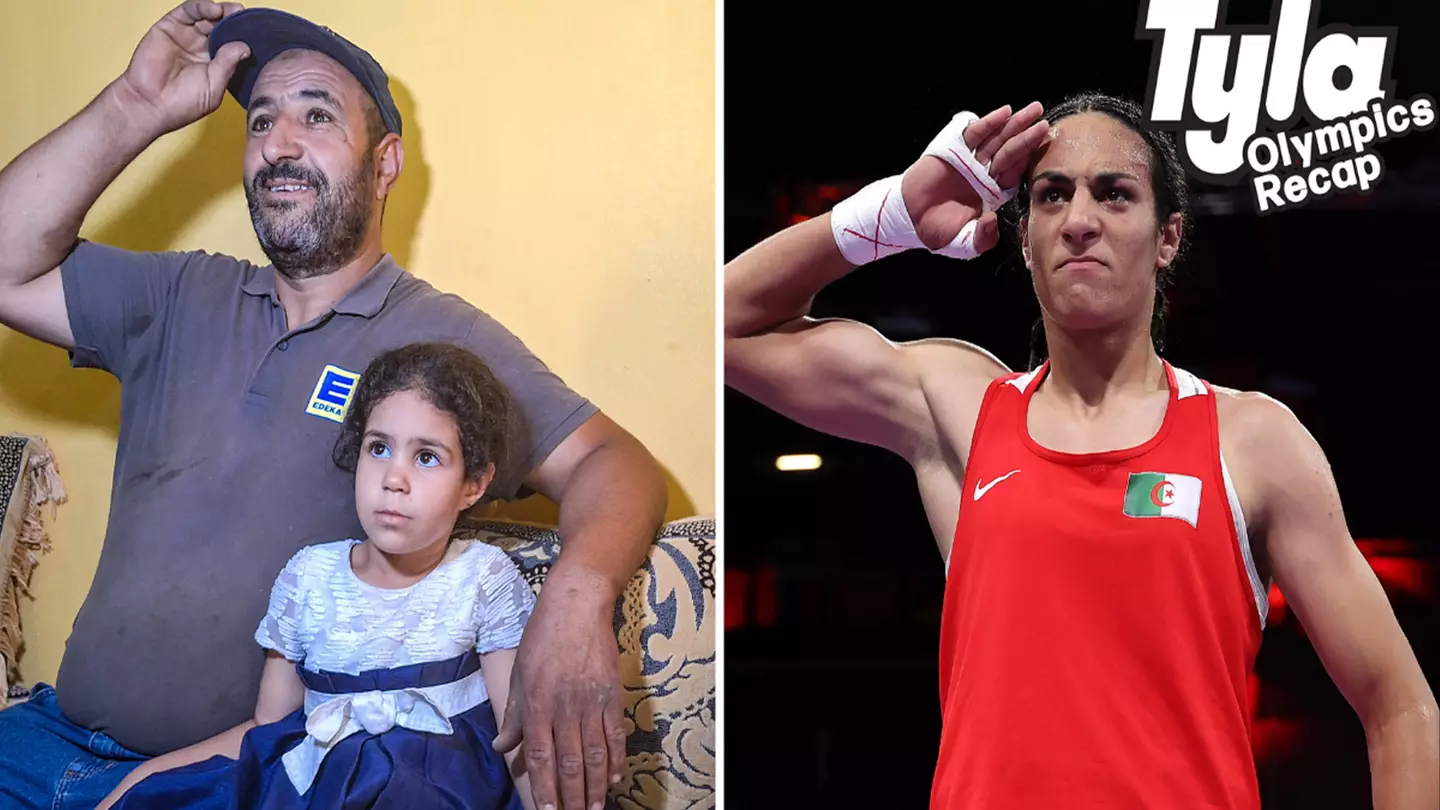
The most visible member of the Imane Khelif family, aside from the champion herself, is her father, Omar Khelif. His role in her career has been transformative, evolving from a traditionalist who initially opposed her participation in combat sports to her fiercest advocate on the world stage.
In rural Algerian culture, particularly in provinces like Tiaret, sports like boxing were historically viewed as masculine pursuits. Omar Khelif initially shared these sentiments, preferring that his daughter focus on more traditional roles or academic paths. However, Imane’s persistence and her obvious physical aptitude eventually won him over. This shift is a critical component of the Khelif family story; it represents a broader cultural negotiation between traditional values and the aspirations of young Algerian women.
During the 2024 Paris Olympics, when Imane was subjected to intense international scrutiny regarding her biological sex, Omar Khelif stepped into the spotlight. He famously presented Imane’s official birth certificate and family documents to international media, proving she was born female and raised as a girl. This act was more than just a legal defense; it was a father defending his family’s honor in a society where such matters are deeply personal and consequential.
Growing Up in Bibane Mesbah: Socioeconomic Roots
The Imane Khelif family resided in Bibane Mesbah, a village where resources were often scarce. This environment played a pivotal role in shaping Imane’s "iron will." The family’s financial situation was modest, which meant that Imane’s pursuit of boxing required significant sacrifice.
To afford the bus fare to the training gym in the neighboring town, Imane reportedly sold scrap metal and her mother sold bread. This detail highlights the collective effort of the Khelif family. Her success was not a solo endeavor but a family project fueled by necessity and the hope for a better future. The resilience she displays in the ring is a direct reflection of the grit required by her family to survive and support her dreams in a rural setting.
The Influence of Rural Algerian Values
The Khelif family adheres to the values of the Tiaret region, which emphasize dignity (karama), hard work, and loyalty to one's roots. These values are evident in how Imane carries herself. Despite her global fame in 2026, she frequently returns to her village, maintaining strong ties with her relatives and neighbors. The family serves as her anchor, ensuring that the pressures of international stardom do not detach her from her cultural identity.
Family Privacy and the Role of the Mother
While Omar Khelif became the public face of the family’s defense, Imane’s mother has maintained a more private profile. In many Algerian households, the mother serves as the emotional backbone, providing the internal support system that allows an athlete to endure the psychological toll of high-level competition.
During the peak of the 2024 controversy, it was reported that the family stayed in constant communication with Imane, shielding her from the harshest aspects of the social media storm. This emotional fortification was essential. The family acted as a filter, allowing Imane to focus on her performance while they managed the external pressures. The "Khelif Family" is thus defined by this division of labor: the father handling the public and traditional defense, while the mother and siblings provided the private sanctuary.
Siblings and the Next Generation
Imane Khelif has siblings who have largely remained out of the media spotlight to maintain their privacy. However, their influence is felt in the way Imane speaks about the future of Algerian youth. She often mentions her desire to be a role model for the next generation of her family and village.
By 2026, the success of Imane has opened doors for her siblings and cousins, some of whom have pursued education and sports with greater ease due to the financial stability her career has provided. The Khelif family has moved from a position of struggle to one of relative influence within their community, using their platform to advocate for better sports facilities in rural Algeria.
The 2024 Controversy: A Family Under Siege
The year 2024 was a turning point for the Imane Khelif family. The dispute between the International Boxing Association (IBA) and the International Olympic Committee (IOC) put a global spotlight on Imane’s genetics. For the family, this was not a scientific or political debate; it was a direct attack on their daughter’s identity.
The family’s reaction was one of unified defiance. They viewed the accusations not just as an attack on Imane, but as an insult to their lineage and their community. In rural Algeria, family reputation is paramount. By standing together, the Khelif family demonstrated a masterclass in crisis management, rooted in authentic conviction rather than polished PR.
| Feature | Description | Impact on Imane's Career |
|---|---|---|
| Hometown | Bibane Mesbah, Tiaret, Algeria | Developed physical and mental toughness. |
| Father's Role | Primary public defender and advocate | Provided the "honor" defense needed in traditional culture. |
| Economic Background | Modest; rural farming/labor roots | Fostered a "hunger" for success and discipline. |
| Cultural Values | Traditional Algerian/North African | Keeps the athlete grounded and focused on community. |
| Privacy Level | High (mostly private siblings/mother) | Protects the athlete's mental health from media fatigue. |
Cultural Impact of the Khelif Family Success
The success of the Imane Khelif family has had a ripple effect across North Africa. They have become the face of a "new traditionalism," where family units can remain deeply religious and conservative while supporting a daughter in a non-traditional career.
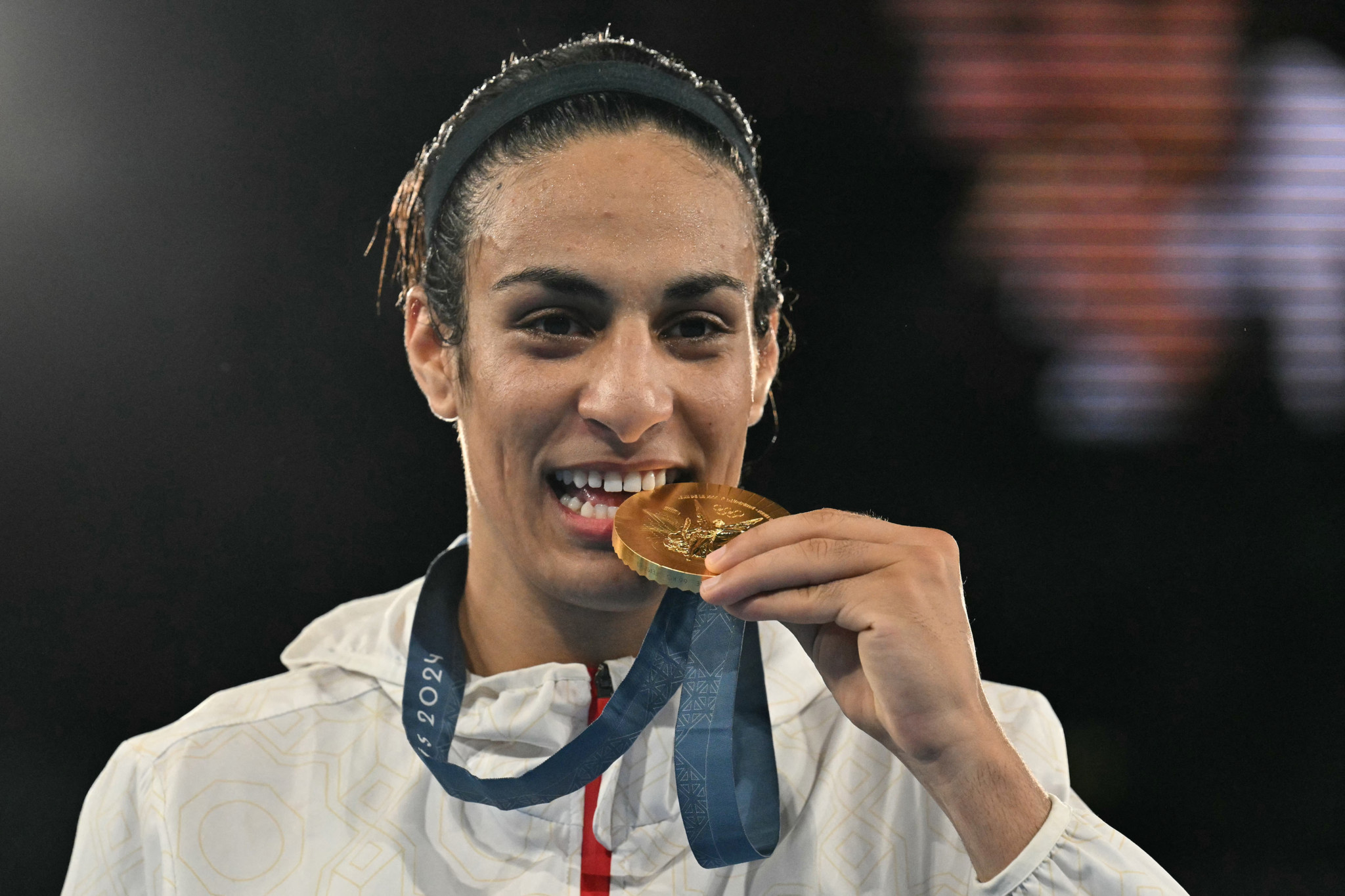
In 2026, many families in Algeria cite the Khelifs as a reason for allowing their daughters to enter combat sports. The image of Omar Khelif holding his daughter’s gold medal is as iconic as the fight itself. It bridged the gap between the older generation’s expectations and the younger generation’s ambitions.
Addressing Misconceptions
One of the primary challenges the family faced was the spread of misinformation. Because they come from a rural background, some international critics initially assumed they would be unable to respond to complex legal and medical arguments. On the contrary, the family utilized local authorities and national Algerian sporting bodies to present a factual, consistent narrative. They proved that rural roots do not equate to a lack of sophistication in defending one's rights.
The Khelif Family in 2026
As of 2026, the Imane Khelif family continues to live primarily in Algeria, though they travel more frequently to support Imane at international bouts. Their lifestyle has improved, but they remain committed to their village. Omar Khelif is often seen at local youth sports events, encouraging other parents to support their children's unconventional talents.
The family has also been involved in charitable work, specifically focusing on bringing clean water and better educational resources to the Tiaret region. This philanthropic turn is a natural extension of their history; having lived through the difficulties of rural life, they are now using their collective resources to alleviate those same struggles for others.
FAQ
Who is Imane Khelif's father?
Imane Khelif's father is Omar Khelif. He became a public figure during the 2024 Olympics when he defended his daughter against gender eligibility claims by showing her childhood photographs and birth certificate. He was initially hesitant about her boxing but became her strongest supporter.
Where does the Imane Khelif family live?
The family is originally from the village of Bibane Mesbah, located in the Tiaret province of Algeria. While Imane travels globally for her boxing career, the family maintains a strong presence in their home village.
How did her family support her early career?
In her early years, the family faced financial hardships. To fund her training, Imane sold scrap metal, and her mother sold homemade bread to cover the costs of transportation to the gym. This collective sacrifice was essential to her reaching the professional level.
Was Imane Khelif's family involved in the 2024 gender controversy?
Yes, the family played a crucial role. Her father gave multiple interviews to international news outlets to verify her biological and legal identity. Their involvement helped turn public opinion in many parts of the world by providing a human, familial context to the bureaucratic dispute.
Does Imane Khelif have siblings?
Yes, Imane has siblings, though they have chosen to stay out of the public eye. They have been described as supportive of her career, often celebrating her victories within their local community in Tiaret.
What is the family’s socioeconomic background?
The Khelif family comes from a modest, rural background. Their life in Bibane Mesbah was characterized by traditional agricultural and manual labor values. This background is often cited as the source of Imane’s legendary work ethic.
Final Recommendation
For those following the career of Imane Khelif, it is essential to view her not just as an individual athlete but as a representative of her family unit. Her resilience is a shared family trait. If you are researching her background, focus on the cultural context of the Tiaret region, as it explains much of the family's public behavior and Imane’s own stoicism. To support athletes like Khelif, look toward initiatives that provide sports infrastructure to rural and underserved communities, mirroring the path she and her family had to forge for themselves.
Image Gallery