Where to Get an Operating Agreement for an LLC: Best Sources and Templates in 2026
To get an operating agreement for an LLC, you can use online business formation services, legal document platforms, or hire a business attorney. For simple structures, reputable services like Northwest Registered Agent or Rocket Lawyer...
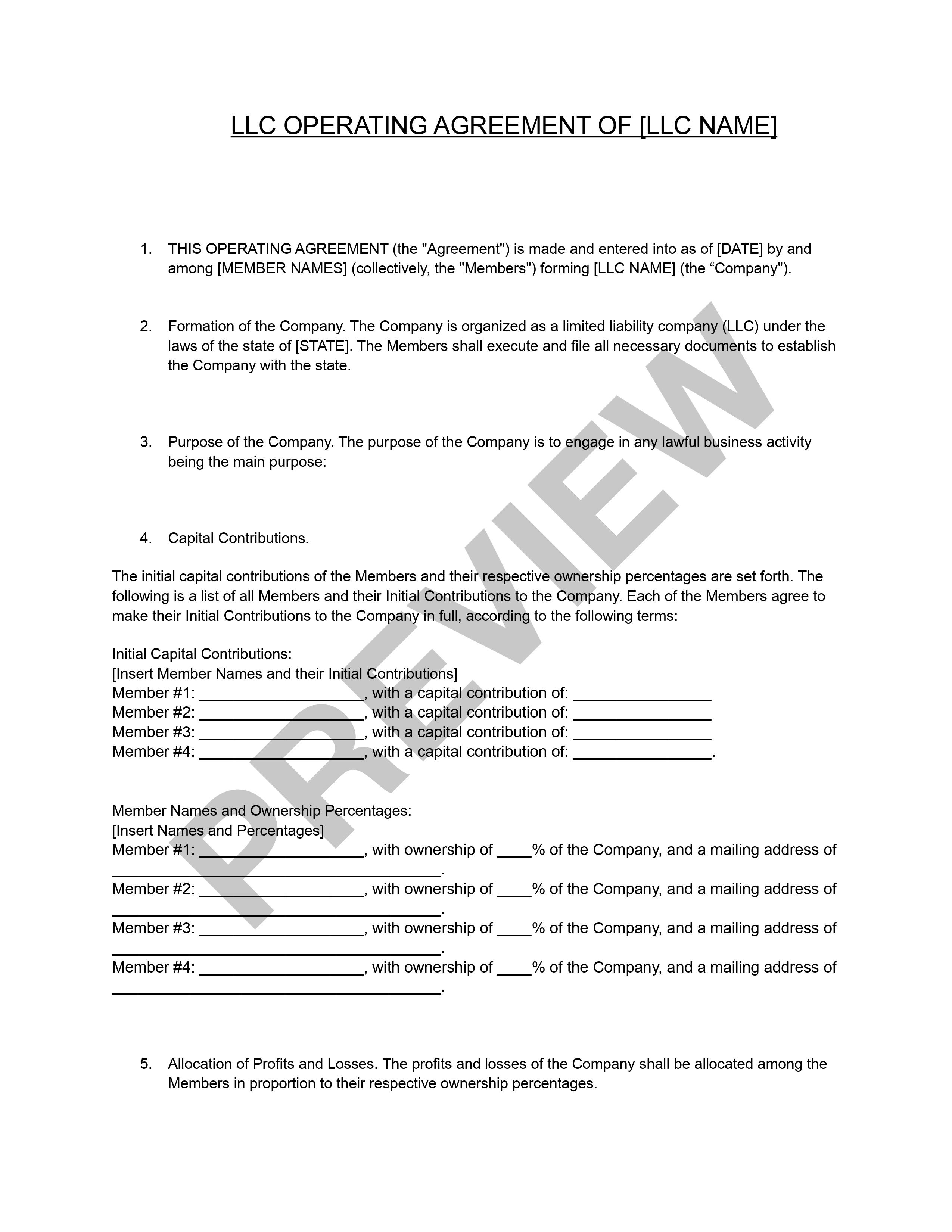
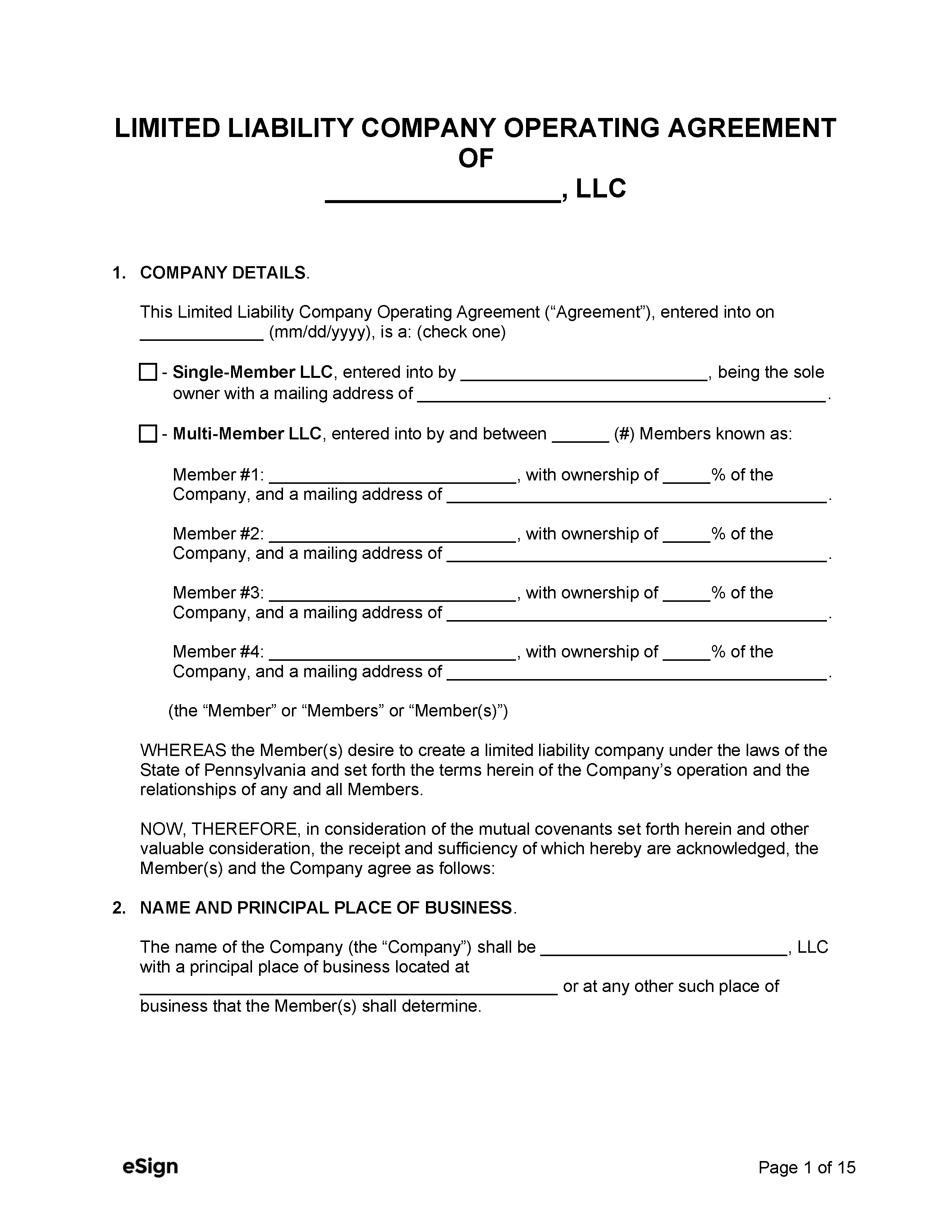
To get an operating agreement for an LLC, you can use online business formation services, legal document platforms, or hire a business attorney. For simple structures, reputable services like Northwest Registered Agent or Rocket Lawyer provide compliant templates. For complex multi-member entities, a customized draft from a licensed attorney is necessary to protect member interests and ensure state-specific compliance.
Contents
An operating agreement is a foundational internal document that outlines the ownership structure, member duties, and financial arrangements of a Limited Liability Company (LLC). As we move through 2026, the landscape for obtaining these documents has shifted significantly toward automated, state-compliant digital platforms, yet the importance of the document’s specific language remains unchanged. Whether you are launching a solo venture or a multi-million dollar partnership, the source you choose for your operating agreement determines your legal protection and operational clarity.
Why the Source of Your Operating Agreement Matters
While many entrepreneurs view the operating agreement as a mere checkbox in the startup process, it is arguably the most important document in your company’s records. It functions as the "private law" of your business. In the absence of a written agreement, your LLC is governed by the default rules of the state where it was formed. These state statutes are often rigid and may not align with how you actually want to run your business or distribute profits.
Getting your agreement from a reliable source ensures that you are not just checking a box but creating a robust legal shield. A high-quality agreement prevents "veil-piercing" by creditors, who might otherwise argue that the LLC is merely an extension of the individual owner. Furthermore, it provides the roadmap for resolving disputes between members without resorting to expensive litigation.
Primary Sources for LLC Operating Agreements
Depending on your budget, the complexity of your business, and your risk tolerance, there are four primary avenues to secure an operating agreement in 2026.
1. Online Business Formation Services
Most entrepreneurs obtain their operating agreement at the moment of formation through services like Northwest Registered Agent, ZenBusiness, or Bizee. These providers typically include a standard operating agreement template as part of their filing packages.
- How it works: When you pay for LLC formation, the service generates a template based on the data you provided during the checkout process (e.g., member names, address, management structure).
- Best for: Single-member LLCs or simple two-person partnerships where the owners have equal contributions and simple profit-sharing arrangements.
- Pros: Cost-effective; often included for free with the formation fee; guaranteed to meet basic state requirements.
- Cons: These templates are usually "one-size-fits-all" and may lack sophisticated clauses for buyouts, death of a member, or complex tax allocations.
2. Legal Document Platforms and Templates
If you have already formed your LLC but need a document, or if you want more customization than a basic formation service offers, legal tech platforms like Rocket Lawyer, LawDepot, or LegalZoom are the next tier.
- How it works: These platforms use "interview-style" software. You answer a series of questions regarding your business logic, and the software generates a customized document. In 2026, many of these platforms have integrated AI-driven compliance checks to ensure the language matches the latest 2026 state legislative updates.
- Best for: Small businesses that need a bit more than a basic template but cannot afford several thousand dollars in legal fees.
- Pros: Highly customizable; covers many scenarios (like capital calls or manager-managed transitions); relatively affordable (often between $40 and $100).
- Cons: You are still responsible for the final review; these platforms do not provide "legal advice" in the traditional sense, even if they provide the document.
3. Professional Business Attorneys
For any LLC with high asset values, external investors, or complex management tiers, there is no substitute for a licensed business attorney.
- How it works: You consult with an attorney who assesses your specific risks, tax situation, and exit strategy. They draft a bespoke document from scratch or highly modify a firm-standard template.
- Best for: Multi-member LLCs, businesses seeking venture capital, or entities in highly regulated industries (like real estate or healthcare).
- Pros: Maximum protection; tailored tax language; includes unique provisions for dispute resolution and member withdrawal.
- Cons: Expensive; costs typically range from $1,500 to $5,000 depending on the complexity and jurisdiction.
4. State Government and Free Public Resources
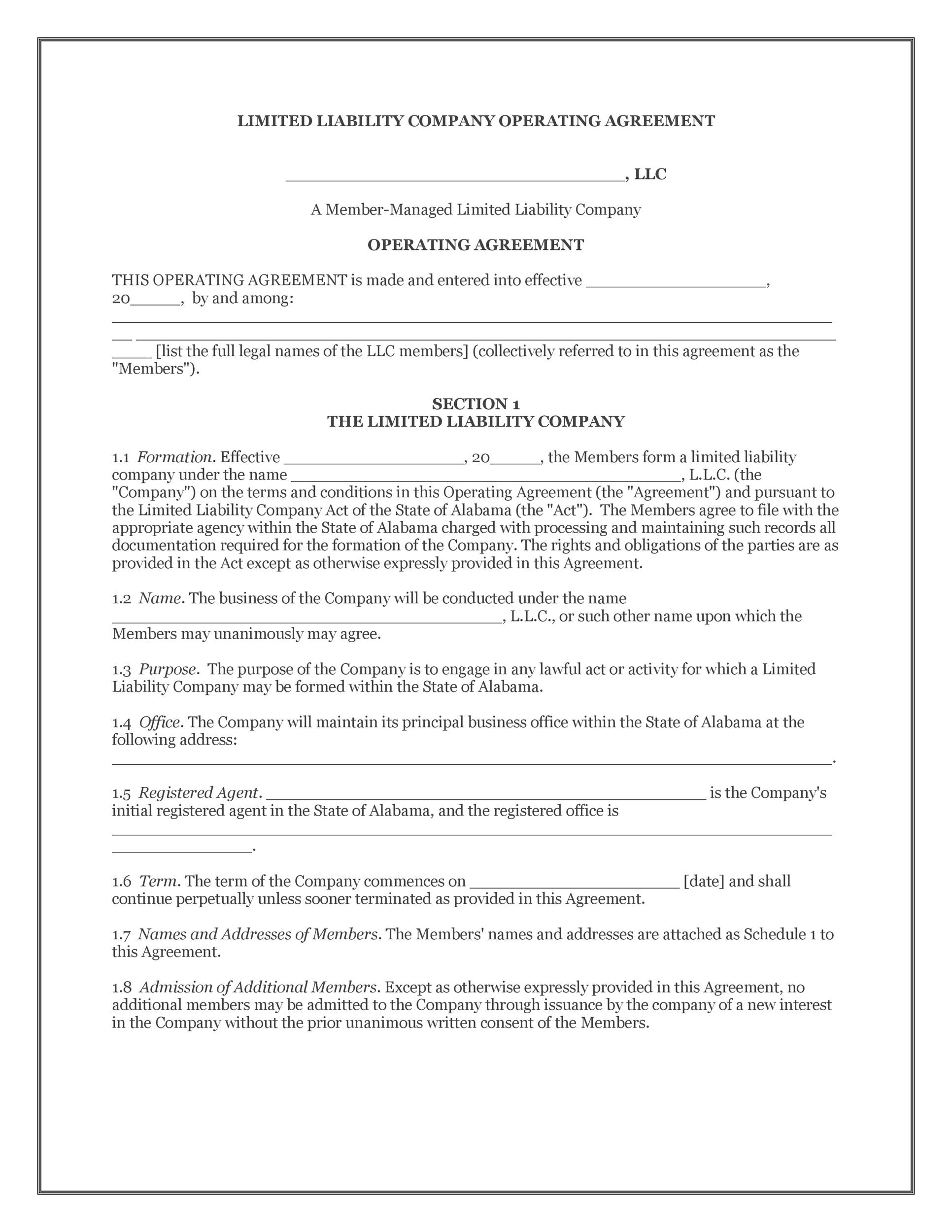
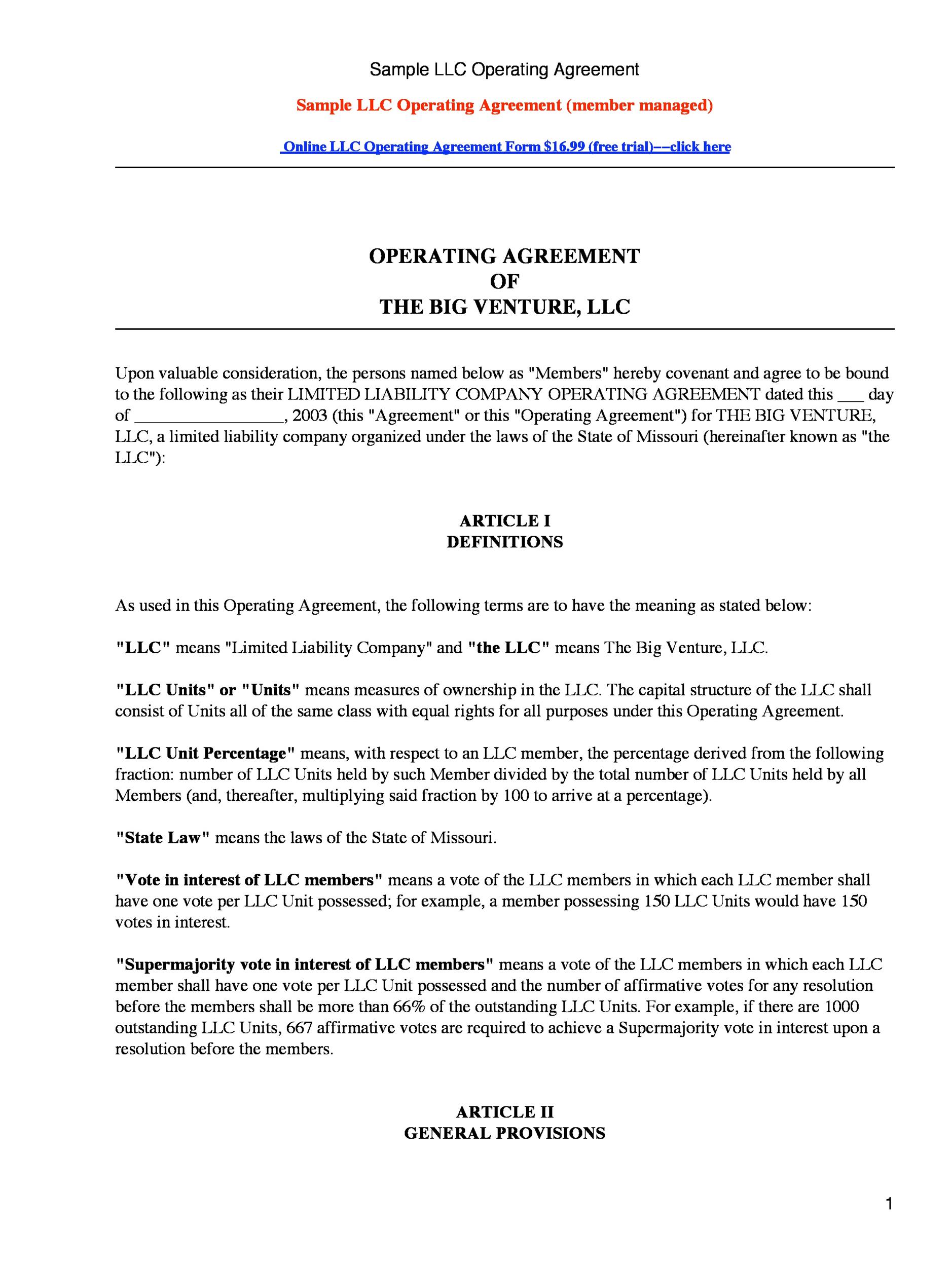
Some states provide basic templates or "statutory" forms. Additionally, some organizations like the Small Business Administration (SBA) provide guidance on what to include.
- How it works: You download a PDF or Word document from a government site or a legal aid repository.
- Best for: Education and understanding the requirements before you buy a professional version.
- Pros: Free.
- Cons: Often extremely skeletal; rarely updated to reflect the most current 2026 case law or tax codes; highly risky for multi-member businesses.
Comparative Analysis of Operating Agreement Sources
Choosing the right source requires balancing cost against the potential risk of a document failure during a lawsuit or tax audit.
| Provider Type | Typical Cost (2026) | Customization Level | Best Use Case | Risk Level |
|---|---|---|---|---|
| Formation Service | $0 - $100 | Low | Brand new, solo entrepreneurs | Moderate |
| Legal Tech Site | $40 - $150 | Medium-High | Small teams, family businesses | Low-Moderate |
| Bespoke Attorney | $1,500 - $5,000+ | Total | High-revenue, complex entities | Very Low |
| Free DIY Template | $0 | None | Micro-businesses (Education only) | High |
Technical Requirements: What Your Agreement Must Contain
Regardless of where you get the document, you must ensure it addresses specific technical areas. In 2026, modern operating agreements should be scrutinized for the following clauses:
Management and Voting Power
The agreement must clarify whether the LLC is Member-Managed (owners run daily operations) or Manager-Managed (owners appoint a manager). It should also define what constitutes a "quorum" and whether voting is based on ownership percentage or one-vote-per-person.
Capital Contributions and Distributions
This section outlines how much cash or property each member has contributed and how profits will be shared. In 2026, it is vital to include "Capital Call" provisions, which dictate what happens if the business needs more money and some members cannot or will not contribute.
Buy-Sell and Transfer Provisions
One of the most common reasons for LLC dissolution is a member wanting to leave. A robust agreement from a reputable source will include "Right of First Refusal" (ROFR) clauses, preventing a member from selling their interest to an outsider without first offering it to the remaining members.
Dissolution and Winding Up
The document must provide a clear exit strategy. This includes how assets are liquidated, how creditors are paid, and the order of priority for remaining funds. Without this, state law takes over, which may lead to unfavorable tax consequences.
State-Specific Nuances for 2026
While the general structure of an LLC is similar across the United States, several states have unique requirements that influence where you should get your agreement.
- California, New York, and Delaware: These states have extensive case law regarding LLCs. If you are forming in these jurisdictions, avoid generic templates. You need a source that specifically addresses Delaware General Corporation Law or the New York Limited Liability Company Law.
- California, Maine, Missouri, and New York: These are among the few states that legally require an operating agreement, though you don't necessarily have to file it with the Secretary of State.
- New York Advertising Requirement: New York still requires LLCs to publish a notice of formation in newspapers. Ensure your source provides the "Affidavit of Publication" guidance alongside the operating agreement.
For detailed information on state-specific filing requirements, refer to the U.S. Small Business Administration (SBA) guide on choosing a business structure.
Common Mistakes When Obtaining an Operating Agreement
- Failure to Sign and Date: A document found on your hard drive is not legally binding if it hasn't been executed by all members. In 2026, digital signatures via platforms like DocuSign or Adobe Sign are standard and legally sufficient.
- Using a "Single-Member" Template for a "Multi-Member" LLC: This is a catastrophic error. Single-member agreements lack the protections needed for multi-owner disputes.
- Inconsistency with Articles of Organization: Your operating agreement must not contradict the "Articles of Organization" (or Certificate of Formation) filed with the state. If the Articles say the LLC is manager-managed, but the operating agreement says it is member-managed, you face significant legal exposure.
- Neglecting Tax Classification: Since the IRS recently updated guidelines for "Partnership Representative" roles, ensure your 2026 agreement correctly identifies who will communicate with the IRS on behalf of the LLC. More details on LLC tax obligations can be found on the IRS LLC Information page.
Frequently Asked Questions
Do I have to file my operating agreement with the state?
No. In almost all jurisdictions, the operating agreement is an internal document. You keep it with your company records. However, banks will often ask to see a signed copy before they allow you to open a business checking account or apply for a loan.
Can I write my own operating agreement?
Technically, yes. However, unless you are a legal professional, you risk omitting crucial "boilerplate" language that protects your limited liability status. It is significantly safer to use a verified template or a legal service as a starting point rather than writing it from scratch.
How often should I update the agreement?
You should review and potentially update your agreement whenever there is a change in membership, a significant change in the business's core activities, or if the members decide to change the profit-sharing or management structure. Any amendment should be signed by all current members.
Is a "Free" operating agreement safe to use?
A free template is generally safe for a single-member LLC where the main goal is simply to satisfy a bank's requirement. For any LLC with more than one member, a free template is often insufficient because it lacks the nuanced dispute-resolution and buyout language necessary to prevent litigation.
What is the difference between an Operating Agreement and Bylaws?
Operating agreements are for LLCs, while bylaws are for Corporations. They serve similar purposes—defining how the entity is run—but they are governed by different sets of state laws and have different tax implications.
Next Steps for Business Owners
If you are currently looking for an operating agreement, follow these steps to ensure you choose the right path:
- Assess Complexity: If you are the only owner, use a reputable formation service like Northwest Registered Agent or a legal platform like Rocket Lawyer.
- Verify State Compliance: Ensure the source you use explicitly states that the document is compliant with your specific state’s 2026 laws.
- Consult a Tax Professional: Before finalizing the profit-sharing and distribution clauses, have your CPA or tax advisor review them to ensure they won't lead to unexpected tax liabilities.
- Execute the Document: Once obtained, ensure every member signs the agreement. Store the original in a secure digital vault and keep a physical copy in your company’s minute book.
Image Gallery