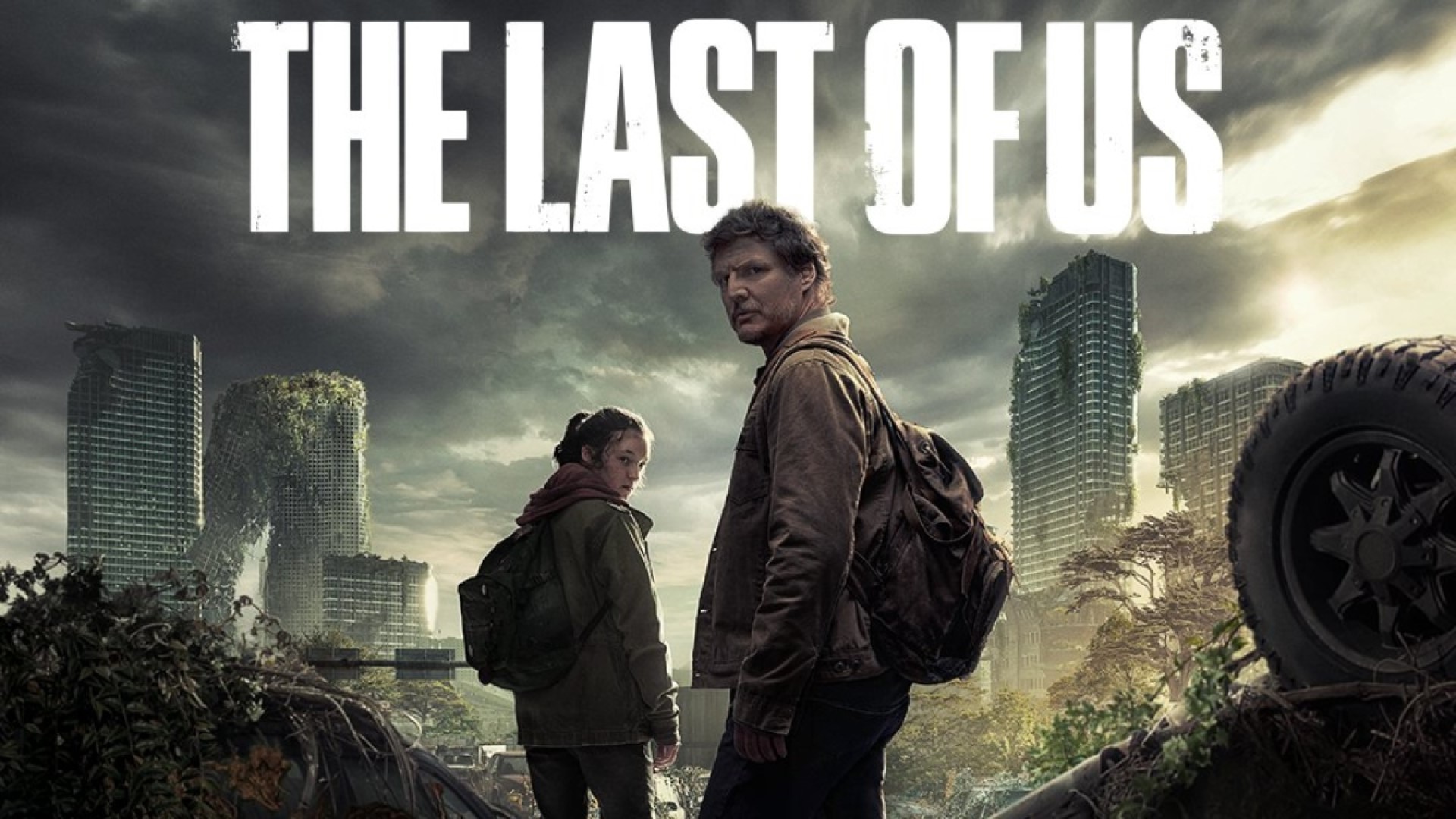
Is The Last of Us Season 3 Cancelled? Official Status, Release Timeline, and Future Plans
No, The Last of Us Season 3 has not been cancelled. HBO and series creators Craig Mazin and Neil Druckmann have consistently confirmed that adapting the expansive narrative of the video game The Last of Us Part II requires multiple tel...
No, The Last of Us Season 3 has not been cancelled. HBO and series creators Craig Mazin and Neil Druckmann have consistently confirmed that adapting the expansive narrative of the video game The Last of Us Part II requires multiple television seasons. Season 3 remains an integral part of the show's planned multi-season arc.
Contents
Current Status of The Last of Us Season 3: Debunking the Rumors
Speculation regarding the cancellation of high-profile television series often arises during extended production hiatuses, recasting rumors, or deliberate multi-year gaps between seasons. In the case of HBO’s adaptation of The Last of Us, rumors alleging that Season 3 was scrapped are entirely unfounded.
The production team established early in the development cycle that the narrative weight and structural complexity of Naughty Dog’s 2020 video game, The Last of Us Part II, could not be condensed into a single nine- or ten-episode television season. Co-creator Craig Mazin explicitly addressed this strategy in industry interviews with outlets like The Hollywood Reporter, confirming that the second game’s storyline would span at least two full seasons, with the potential for a fourth if the scope demands it.
- Season 1 (2023): Covers The Last of Us (Game 1)
- Season 2 (2025): Covers Part I of The Last of Us Part II (Game 2)
- Season 3 (TBA): Covers Part II of The Last of Us Part II (Game 2)
False reports regarding cancellation frequently stem from three specific sources:
- Misinterpreted Showrunner Statements: Comments regarding the finite nature of the series—specifically that the show will not outpace the source material or continue indefinitely—are sometimes misconstrued as announcements of premature ending.
- Production Timelines: The significant visual effects work, location shooting across North America, and intricate prosthetic design required for the Infected mean that turnaround times between seasons naturally span 18 to 24 months.
- Strategic Cast and Narrative Shifts: Viewers unfamiliar with the plot structure of the second game often misinterpret narrative shifts or dramatic plot points as signs of production turmoil or network hesitation.
HBO’s financial and critical commitment to the franchise remains robust. Following the massive viewership records set by Season 1—which averaged over 30 million viewers per episode across platform platforms—HBO’s executive leadership views The Last of Us as a flagship tentpole property alongside franchises like House of the Dragon.
Why The Last of Us Requires Multiple Seasons for Part II
To understand why Season 3 is guaranteed rather than endangered, one must analyze the structural mechanics of the source material. The original 2013 game The Last of Us followed a linear, straightforward journey from Boston to Salt Lake City, fitting cleanly into the nine episodes of Season 1.
In contrast, The Last of Us Part II is vastly larger in geographical scope, mechanical density, and character perspective. The game introduces multiple factions, overlapping timelines, non-linear flashbacks, and a dual-protagonist structure that fundamentally shifts the player’s—and viewer’s—moral alignment.
| Season 2 | Season 3 |
|---|---|
| • Jackson County Settlement | • Abby's Seattle Perspective |
| • Ellie's Journey to Seattle | • Seraphite / WLF Conflict Peak |
| • Initial WLF Encounters | • The Park and Hospital Sequences |
| • Seattle Days 1-3 (Ellie's POV) | • Santa Barbara & Final Resolution |
1. Dual Perspective Narrative Architecture
The video game splits its core campaign between Ellie and a new central character, Abby Anderson. Rather than weaving their stories together simultaneously, the game presents Ellie’s three days in Seattle first, followed by a dramatic rewind to show Abby’s parallel three days in the same city. Executing this transition in a single season of television would force scriptwriters to rush critical character development, neutering the emotional impact of their inevitable clashes.
2. World-Building and Faction Dynamics
Season 2 introduces complex human factions that require dedicated screen time to establish realistic stakes:
- The Washington Liberation Front (WLF): A heavily armed, organized military militia occupying Seattle, operating out of converted civic infrastructure.
- The Seraphites (Scars): A fanatical, religious cult utilizing stealth, bows, and guerrilla tactics, engaging in an all-out civil war against the WLF.
Giving these factions adequate depth requires extensive dramatic setup. Season 3 is necessary to fully explore the culture, internal friction, and tragic collapse of these groups as Ellie and Abby pursue their respective vendettas.
3. Pacing and Character Arcs
Craig Mazin and Neil Druckmann have repeatedly stressed that TV adaptations require space for characters to breathe. Pushing the entire narrative of Part II into one season would eliminate quieter, character-driven moments—such as historical flashbacks in Wyoming and California—that provide essential context for the characters' trauma and choices.
Production Roadmap and Season Comparison
The following table outlines the structural breakdown, production scope, and adaptation mapping across the lifecycle of The Last of Us television series.
| Season | Primary Source Material | Core Geographical Focus | Principal Character Focus | Production Status |
|---|---|---|---|---|
| Season 1 | The Last of Us (2013) + Left Behind DLC | Boston, Pittsburgh, Wyoming, Utah | Joel Miller, Ellie Williams | Released (2023) |
| Season 2 | The Last of Us Part II (Act I & II) | Jackson, WY; Seattle, WA | Ellie Williams, Joel Miller, Abby Anderson | Released / Post-Production |
| Season 3 | The Last of Us Part II (Act III & Epilogue) | Seattle, WA; Santa Barbara, CA | Abby Anderson, Ellie Williams, Lev | In Development / Planning |
| Season 4 (Potential) | Original Expansion / Remaining Part II Material | Various | Ensemble Cast | Under Consideration |
Estimated Timeline for Season 3
While HBO has not published an official air date for Season 3, analyzing the historical production workflows of Season 1 and Season 2 provides a realistic expectation for when the third season will enter principal photography and hit television screens.
Pre-Production & Scripts
Principal Photography (8-10 Mos)
VFX & Post-Production (6-8 Mos)
HBO Broadcast
Writing and Script Conceptualization: Pre-writing and narrative mapping for Season 3 began concurrently with the finalization of Season 2 scripts. Showrunners draft multi-season arcs simultaneously to ensure character setups in earlier episodes pay off logically in later seasons.
Filming Requirements: Principal photography for The Last of Us is physically demanding and weather-dependent. Season 2 primarily utilized British Columbia, Canada, to double for the Pacific Northwest. Season 3 will likely require additional location shooting representing both the overgrown, flooded streets of Seattle and the sun-bleached coastal environments of Northern and Southern California.
Visual Effects and Post-Production: The series relies heavily on practical prosthetics merged with intricate visual effects (VFX) to render collapsed urban centers, mutated Infected (such as the Rat King), and large-scale combat encounters. Post-production typically demands between 6 to 9 months following the wrap of filming.
Given standard premium cable production cadence, filming for Season 3 is structured to follow the broadcast window of Season 2, putting the target release window within standard industry turnaround parameters.
Narrative Focus of Season 3: What Story Will It Cover?
Without spoiling key plot twists for non-gamers, Season 3 will address the direct consequences of the events depicted in Season 2. The narrative weight of the third season centers on perspective inversion, moral ambiguity, and the search for redemption.
The Parallel Seattle Journey
Where Season 2 centers largely on Ellie’s descent into obsession and vengeance across Seattle, Season 3 shifts dramatic focus to unpack the motivations of her adversaries. Viewers will experience the war for Seattle through Abby's eyes, shedding light on the human cost of the conflict between the WLF and the Seraphites.
- The Seattle Conflict
- Ellie's Pursuit
- Trauma & Obsession
- Destruction of WLF
- Escalating Violence
- Abby's Redemption
- Seraphite Defectors
- Bond with Lev & Yara
- Clashing with Isaac
- Ellie's Pursuit
Key Plot Threads Expected in Season 3
- Abby and Lev’s Bond: The unexpected alliance between Abby and Lev (a young Seraphite exile) mirrors the original relationship between Joel and Ellie in Season 1, serving as the emotional spine of the later half of the story.
- The Escalation of infected Threats: Season 3 is set to introduce some of the most dangerous infected variants in the franchise, including compound mutations that develop in localized, isolated environments over two decades of fungal growth.
- The Santa Barbara Arc: The story moves beyond the Pacific Northwest to California, introducing new rogue factions, desolate coastal landscapes, and a desperate search for the remaining Fireflies.
- The Cost of Revenge: The thematic climax of the series examines whether individuals consumed by trauma can break the cycle of violence or if they are permanently defined by loss.
Key Cast and Creative Team
The creative foundation of The Last of Us remains locked in for the continuation of the series. Maintaining continuity among core executives and cast members ensures artistic alignment across seasons.
- Craig Mazin (Co-Creator / Showrunner): Emmy-winning writer and director recognized for HBO’s Chernobyl, who leads teleplay development and day-to-day physical production.
- Neil Druckmann (Co-Creator / Executive Producer): Co-President of Naughty Dog and writer/director of the original video games, ensuring high fidelity to the source material’s themes and characters.
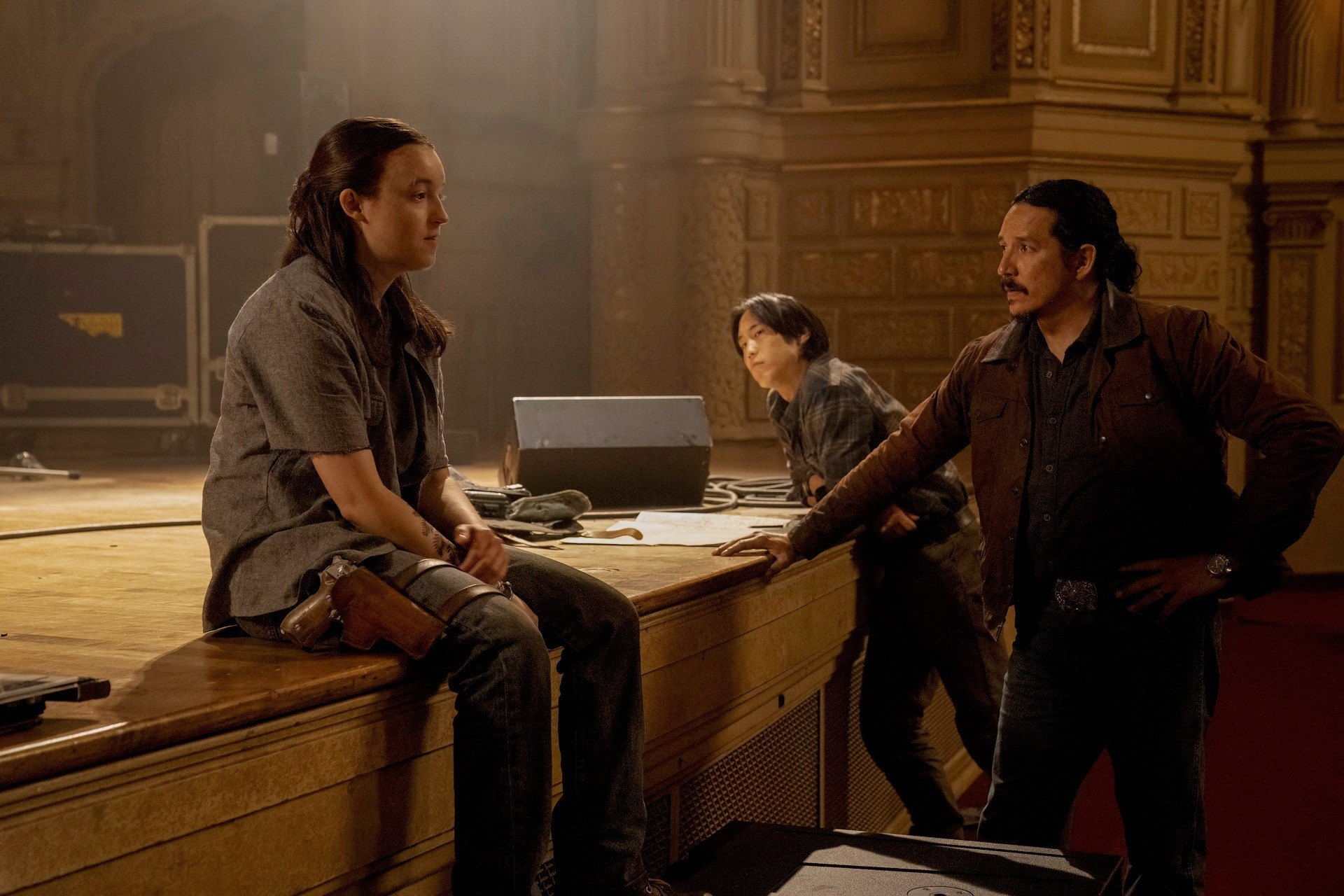
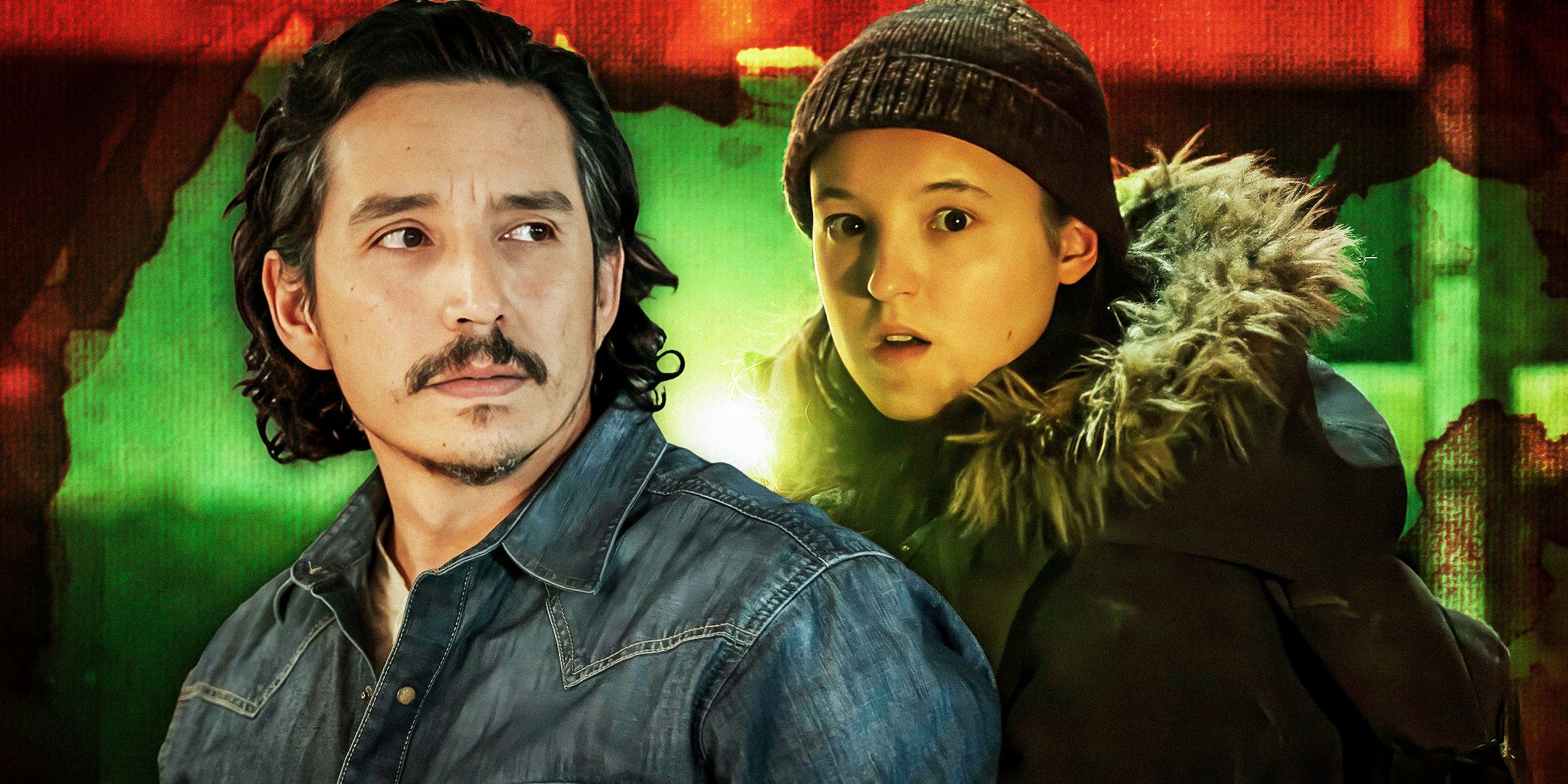
- Bella Ramsey (Ellie Williams): Returning to lead the series through Ellie’s traumatic journey, performing mature character work that reflects the five-year jump between the first and second games.
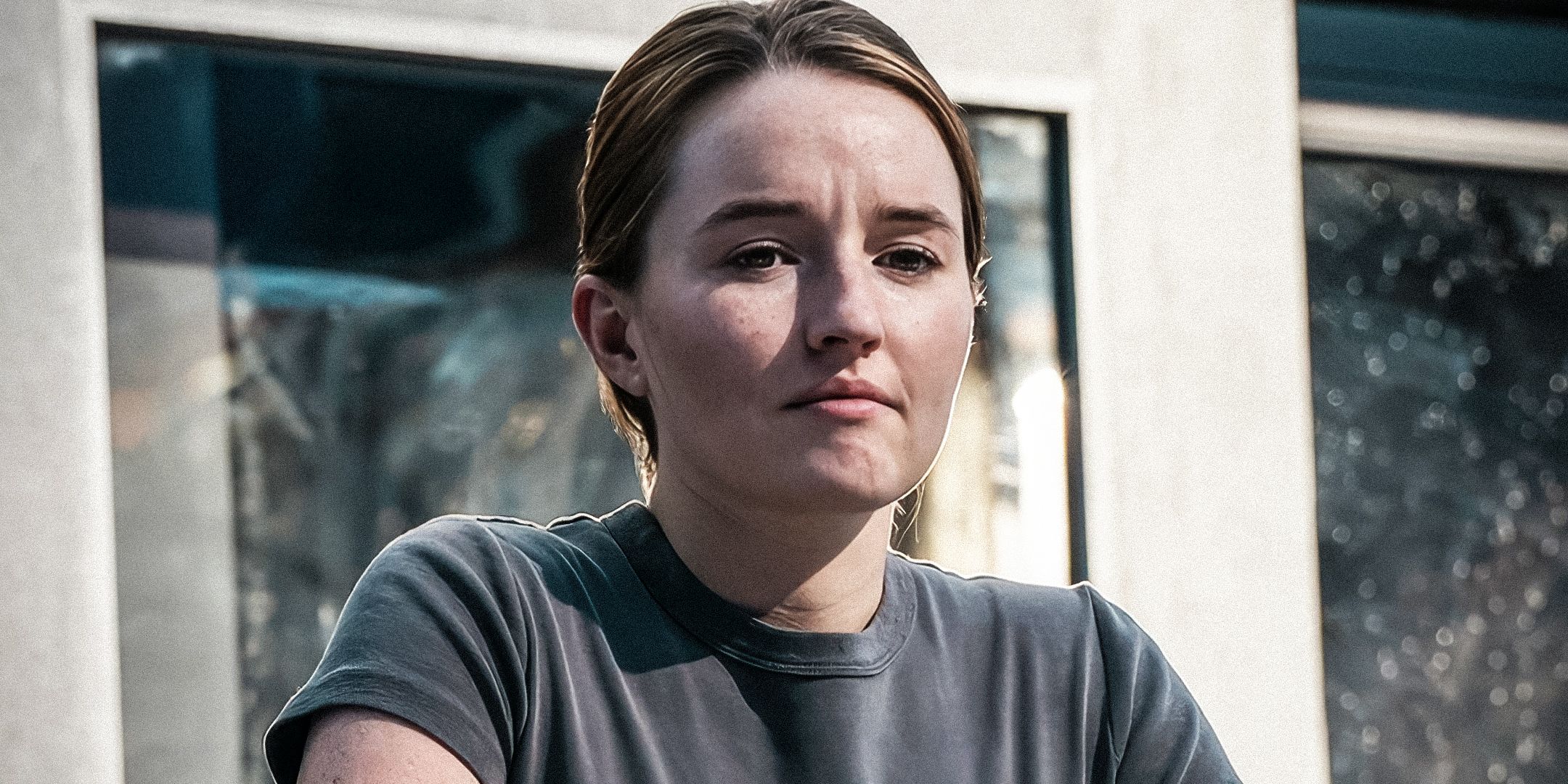
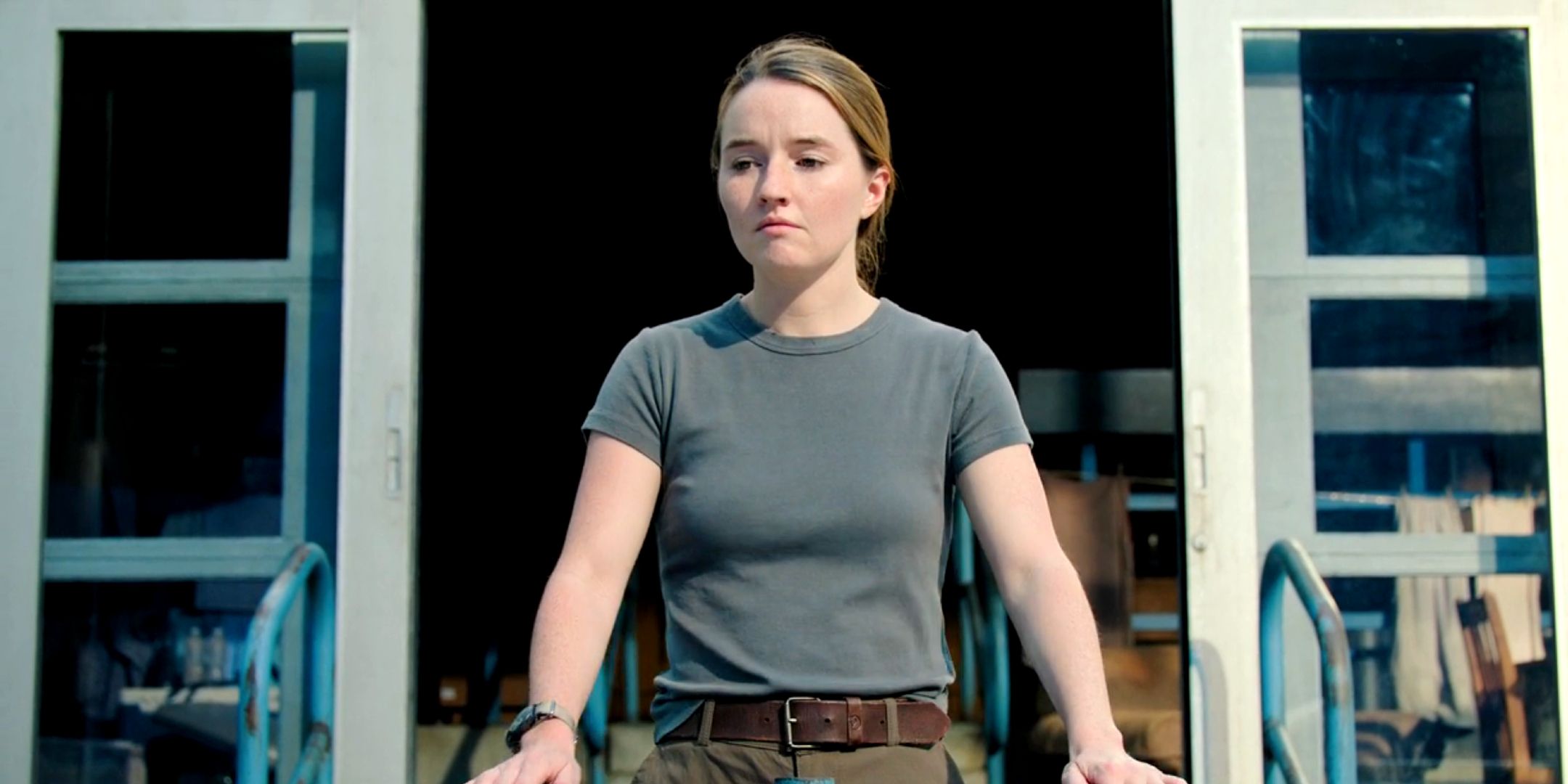
- Kaitlyn Dever (Abby Anderson): Cast to portray the complex antagonist-turned-protagonist, whose physical and emotional performance anchors the parallel narrative.
- Isabela Merced (Dina): Playing Ellie’s primary romantic partner and emotional anchor during her journey into hostile territory.
- Young Mazino (Jesse): Portraying a key community leader from Jackson who joins the expedition to Seattle.
FAQ: Common Questions About Season 3
Is The Last of Us Season 3 officially confirmed by HBO?
Yes. HBO’s programming executives and showrunners Craig Mazin and Neil Druckmann have formally declared that adapting the full story of The Last of Us Part II requires multiple seasons, confirming that Season 3 is part of the core production plan.
Why is there such a long gap between seasons of The Last of Us?
The extensive timeline between seasons is driven by complex location shooting across Canada, elaborate prosthetic makeup application for Infected variants, post-production CGI work, and script development designed to adapt a massive video game faithfully.
Will Season 3 be the final season of the show?
Not necessarily. While Season 3 will cover a major portion of the remaining material from The Last of Us Part II, Craig Mazin has publicly noted that the remaining story could potentially require a fourth season depending on pacing and episode order allocations.
Will Season 3 follow the video game story exactly?
While the series remains faithful to the core plot points and character arcs of the Naughty Dog games, the showrunners frequently expand upon lore, alter timeline structures, and add backstory for supporting characters, as seen in Season 1's acclaimed third episode featuring Bill and Frank.
Has filming for Season 3 already started?
Filming schedules for Season 3 are tied directly to the post-release pipeline of Season 2. Production setup, location scouting, and script polishing occur systematically in line with HBO’s standard multi-season production cycles.
What Fans Should Do Next
To stay accurately informed regarding official updates on The Last of Us Season 3 and avoid internet hoaxes or speculative social media rumors, fans should follow verified sources:
- Monitor Official HBO Channels: Rely on official press releases from Warner Bros. Discovery and HBO’s official media portals rather than unsourced social media accounts.
- Follow Trade Publications: Credible entertainment outlets such as Variety and Deadline report verified casting notices, filming start dates, and executive greenlights directly from studio representatives.
- Explore the Source Material: For viewers wishing to understand the roadmap for Season 3, playing The Last of Us Part II Remastered or reviewing documented narrative breakdowns of the game provides complete context for the events coming to screen.
Image Gallery