Can Sleep Disorders Claim Workers Compensation?
Individuals suffering from sleep disorders can claim workers' compensation benefits if they can prove their condition was directly caused or significantly aggravated by their employment. While these claims are legally complex and often...
Individuals suffering from sleep disorders can claim workers' compensation benefits if they can prove their condition was directly caused or significantly aggravated by their employment. While these claims are legally complex and often involve high evidentiary hurdles, they are viable when supported by a clear medical link between workplace factors—such as shift rotations, chronic stress, or secondary physical injuries—and the diagnosed sleep impairment.
Contents
The landscape of workers' compensation in 2026 increasingly recognizes the physiological impact of "invisible" injuries, including sleep-wake cycle disruptions. However, unlike a broken bone or a traumatic fall, a sleep disorder like chronic insomnia or sleep apnea requires a sophisticated demonstration of "medical causation." This involves proving that the job is not just a contributing factor, but the primary cause or a significant aggravator of the condition.
Understanding the Legal Basis for Sleep Disorder Claims
To qualify for workers' compensation, a sleep disorder must generally fall into one of two categories: a primary occupational disease or a secondary condition resulting from a physical injury. Most jurisdictions distinguish between these based on how the injury was sustained and the specific stressors involved.
Primary Sleep Disorders (Mental-Mental or Physical-Mental)
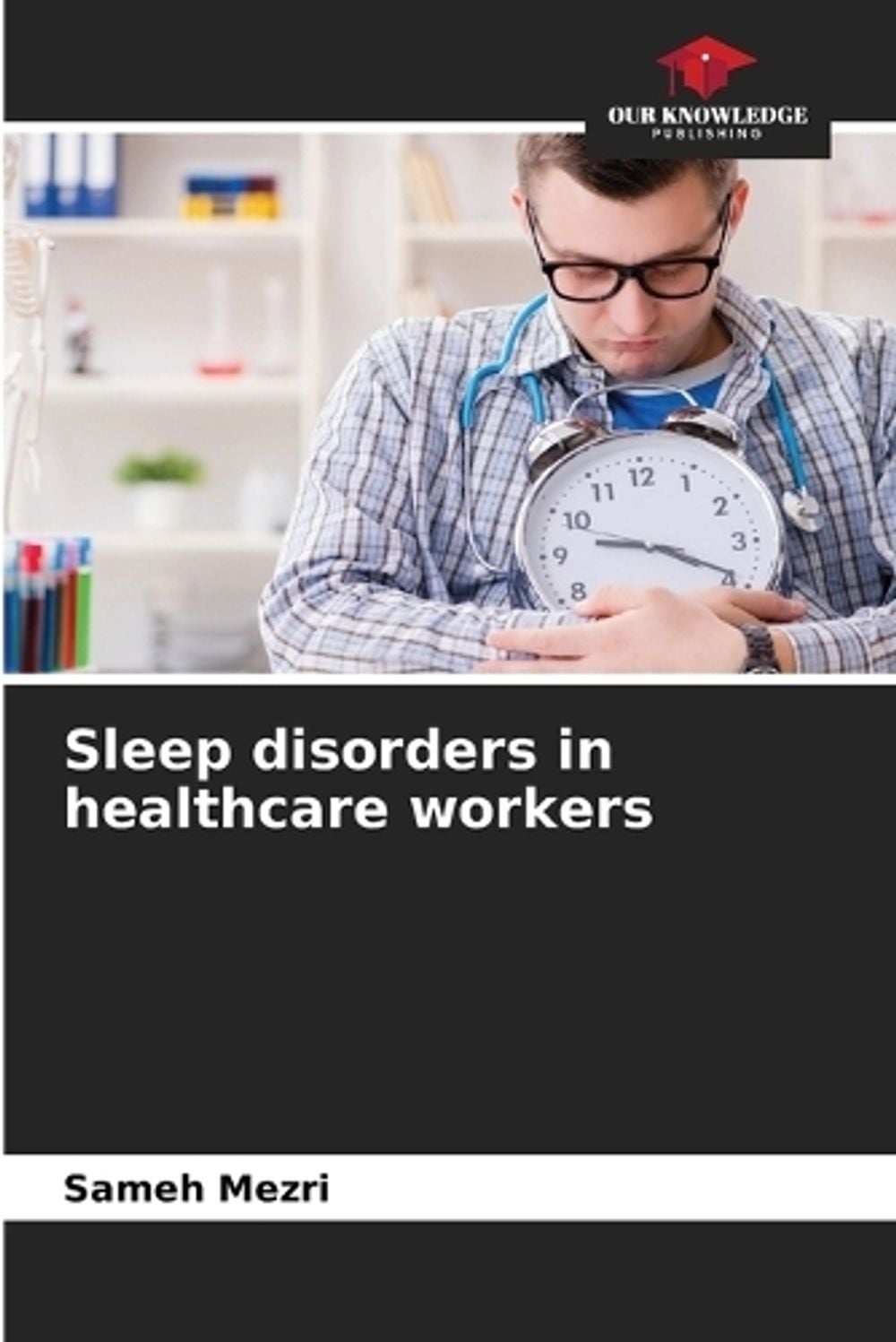
A primary claim occurs when the job itself creates the sleep disorder. This is common among emergency responders, healthcare workers, and long-haul truckers. Under these circumstances, the claim is often categorized as "mental-mental" (where mental stress leads to a mental/behavioral disorder like insomnia) or "physical-mental" (where physical work conditions, like light exposure or noise, lead to a sleep disorder).
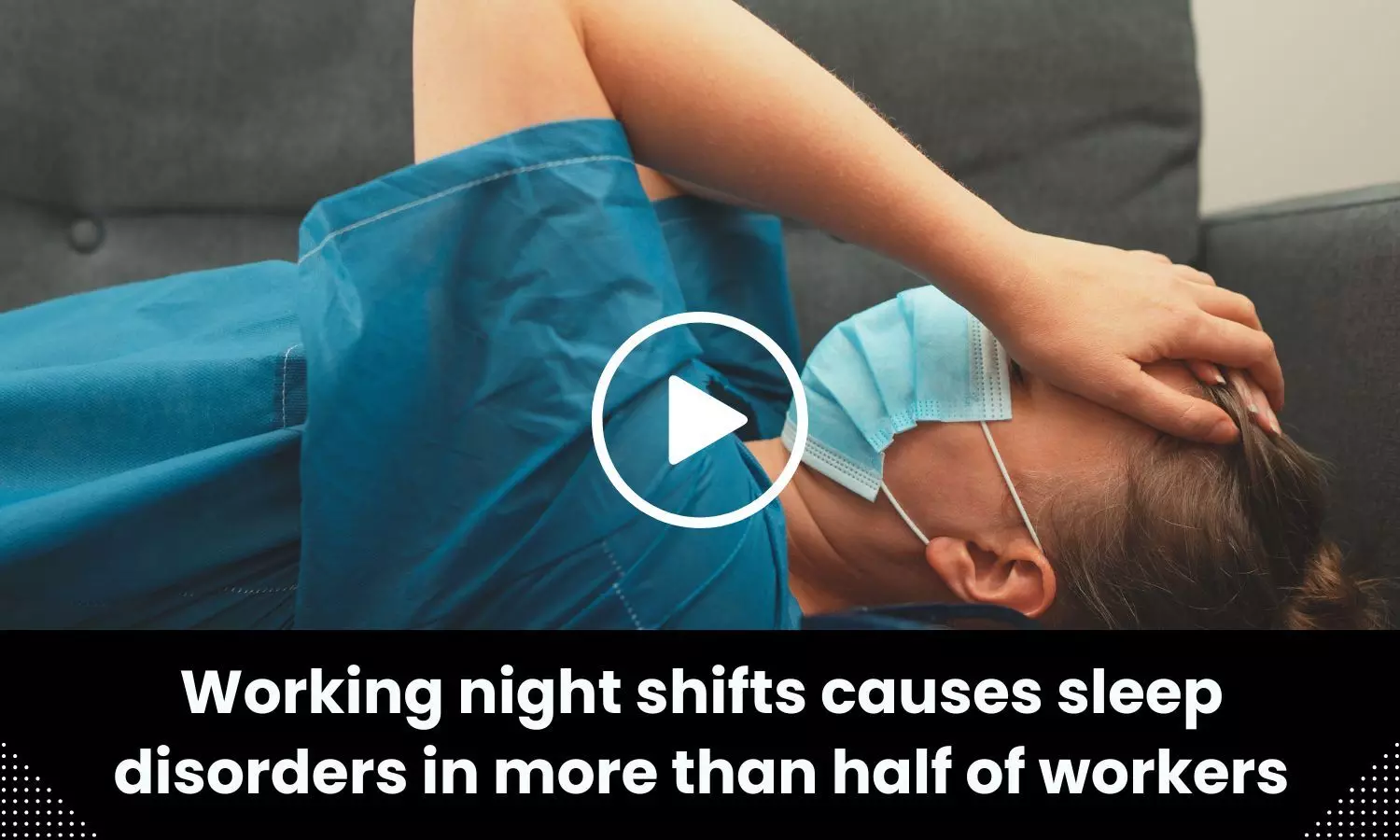
As of 2026, many states have refined their statutes to address "Shift Work Sleep Disorder" (SWSD). Because the human circadian rhythm is biologically tied to daylight, forcing the body to work overnight shifts can lead to a recognized medical impairment. However, proving this requires showing that the disorder is not merely "fatigue" but a clinical diagnosis that prevents the employee from performing their duties safely.
Secondary Sleep Disorders (Physical-Mental)
The most common and traditionally successful sleep-related claims are secondary to a physical injury. For example, if a worker suffers a severe lumbar spine injury, the resulting chronic pain may lead to "painsomnia." In this scenario, the sleep disorder is treated as a component of the original injury’s disability rating.
The importance of secondary claims lies in the overall disability evaluation. If a worker’s back injury is rated at 20% impairment, but the resulting chronic sleep deprivation causes cognitive decline or depression, the total "whole-person impairment" rating may increase significantly, leading to higher permanent partial disability (PPD) payments.
Common Sleep Disorders Eligible for Compensation
Not all sleep issues are viewed equally by insurance carriers or workers' compensation boards. The diagnosis must be recognized by the DSM-5-TR or the ICD-11 (the global standards in 2026) to be considered a legitimate medical entity.
- Insomnia: Characterized by difficulty falling or staying asleep. In a workers' comp context, this is often linked to high-stress environments or post-traumatic stress disorder (PTSD) stemming from a workplace event.
- Sleep Apnea: While often related to weight or anatomy, sleep apnea can be compensable if it is aggravated by a workplace injury. For instance, if a work-related injury leads to forced inactivity and significant weight gain, or if a neck injury affects the airway, a claim may be substantiated.
- Shift Work Sleep Disorder (SWSD): This is a circadian rhythm disruption specifically tied to non-traditional work hours. It is increasingly recognized in "essential" industries where 24/7 operations are mandatory.
- Narcolepsy: Usually a pre-existing neurological condition, but it can be aggravated by workplace stressors or head injuries (traumatic brain injury) sustained on the job.
The Burden of Proof: Proving Medical Causation
The primary reason sleep disorder claims are frequently denied is the "causation" requirement. Insurance adjusters often argue that sleep issues are the result of "lifestyle factors"—such as caffeine intake, blue light exposure from personal devices, or domestic stress—rather than the job itself.
The Role of Medical Experts
To overcome a denial, a claimant usually needs a report from a board-certified sleep specialist or a neurologist. This expert must provide a "nexus letter" stating that, to a reasonable degree of medical certainty, the employment was the prevailing factor in the development of the disorder.
In 2026, diagnostic tools like actigraphy (wearable sleep tracking) and overnight polysomnography (sleep studies) are standard requirements for evidence. A mere statement from a family doctor saying a patient "feels tired from work" is almost never sufficient to win a contested claim.
The "But-For" Test
In legal terms, many states apply the "but-for" test: But for the specific conditions of the employment, would the worker have developed this sleep disorder? If the answer is yes—meaning the worker likely would have developed it regardless due to age, weight, or genetics—the claim is much harder to win.
Comparing Claim Viability by Disorder Type
The following table outlines the general difficulty and requirements for various sleep disorder claims based on current 2026 workers' compensation trends.
| Sleep Disorder | Common Workplace Cause | Level of Difficulty | Primary Evidence Required |
|---|---|---|---|
| Chronic Insomnia | Extreme stress, PTSD, or chronic pain from injury. | Moderate to High | Psychological evaluation, pain logs, sleep study. |
| Shift Work Disorder | Rotating shifts, permanent night shift. | Moderate | Employment records, circadian rhythm testing. |
| Sleep Apnea | Secondary to weight gain from injury or toxic exposure. | High | Polysomnography, longitudinal weight records. |
| Narcolepsy | Traumatic Brain Injury (TBI) at work. | Low (if TBI is proven) | MRI/CT scans, MSLT (Multiple Sleep Latency Test). |
| Restless Leg Syndrome | Chemical exposure or iron deficiency from injury. | High | Neurological exam, blood work, exposure history. |
Legal Obstacles and Common Defenses
Insurance companies employ several standard defenses to avoid paying sleep-related claims. Understanding these can help in preparing a stronger case.
- Pre-existing Conditions: If a worker has a history of sleep issues, the insurer will argue that the current problem is simply a continuation of a prior health issue.
- Subjectivity: Unlike an X-ray of a fracture, sleep quality is largely self-reported. Insurers may use "independent medical examinations" (IMEs) to suggest the worker is malingering or exaggerating symptoms.
- Non-Work Stressors: The insurer may investigate a claimant’s personal life to find other stressors (divorce, financial trouble, bereavement) that could explain the insomnia.
- Statutory Limits on Mental-Mental Claims: Some states have strict laws preventing workers from claiming compensation for purely mental stressors unless they resulted from a "sudden and extraordinary" event, rather than gradual daily stress.
Filing a Claim: Step-by-Step Guidance
If you believe your sleep disorder is work-related, the process for filing is similar to other injuries but requires more meticulous documentation.
- Report the Condition Early: Do not wait until you are completely unable to work. Report the onset of symptoms to your employer in writing, specifically mentioning that you believe it is tied to your work duties or a prior injury.
- Seek Specialized Medical Treatment: Visit a sleep specialist who can perform objective testing. Ensure they are aware that this is a potential workers' compensation matter.
- Maintain a Sleep Diary: Document your sleep patterns, work hours, and symptoms daily. This serves as contemporaneous evidence that can support your medical history.
- Consult a Workers' Compensation Attorney: Because sleep disorders are "non-scheduled" injuries (they don't have a fixed value like a finger or an arm), having legal counsel to negotiate the complexity of "whole person impairment" is vital.
The Impact of Sleep Disorders on Future Employment
A successful claim provides medical coverage and wage replacement (Temporary Total Disability), but it also triggers "vocational rehabilitation" considerations. If a worker is diagnosed with SWSD and a doctor permanent-limits them to day shifts only, but the employer only has night shifts available, the worker may be eligible for retraining or permanent disability benefits.
In 2026, the focus has shifted toward "reasonable accommodation" under the ADA (Americans with Disabilities Act) alongside workers' compensation. An employer may be required to change a worker's shift or environment to accommodate the sleep disorder, which can mitigate the long-term cost of the claim for the insurance carrier.
Frequently Asked Questions
Can I get workers' comp for sleep apnea if I work in a sedentary job?
It is very difficult. To succeed, you would usually need to prove that a specific work-related injury forced a sedentary lifestyle that led to obesity, which then caused the apnea. Alternatively, you would need to prove exposure to specific toxins or irritants in the workplace that damaged your upper respiratory system.
Does "feeling tired" qualify as a sleep disorder?
No. General fatigue or "burnout" is rarely compensable. To claim workers' compensation, you must have a clinical diagnosis from a physician, such as Chronic Insomnia Disorder or Circadian Rhythm Sleep-Wake Disorder, supported by objective diagnostic testing.
What if my sleep disorder was caused by a work-related car accident?
If the accident caused a traumatic brain injury (TBI) or significant physical pain that prevents sleep, the sleep disorder is treated as a secondary symptom of the accident. These are among the most successful types of sleep-related claims because the "event" (the crash) is clearly work-related.
Can an employer fire me for filing a sleep disorder claim?
No. In most jurisdictions, it is illegal to retaliate against an employee for filing a workers' compensation claim. However, if your sleep disorder makes it impossible for you to perform the "essential functions" of your job even with reasonable accommodations, the employer may be able to legally terminate your employment, though you would still be entitled to your compensation benefits.
How much is a sleep disorder claim worth in 2026?
The value depends on the "impairment rating" assigned by a doctor. Because sleep disorders impact cognitive function, memory, and physical health, they can result in high impairment ratings if the condition is permanent. Settlements typically cover past and future medical bills, a percentage of lost wages, and potentially a lump sum for permanent disability.
Final Recommendations
If you are struggling with a sleep disorder that you believe is work-related, prioritize objective medical testing immediately. The difference between a denied claim and a successful one often rests on the results of a professional sleep study and the opinion of a qualified specialist. Do not rely on self-diagnosis or general practitioners alone. Given the legal complexities of proving causation for internal conditions, consulting with a legal professional specializing in occupational diseases is highly recommended to ensure your rights are protected throughout the 2026 claims process.
Disclaimer: This article provides general information and does not constitute legal or medical advice. Workers' compensation laws vary significantly by state and country. Always consult with a licensed attorney or medical professional regarding your specific circumstances.
Image Gallery