The Impact of Life Insurance in an Irrevocable Trust: A 2026 Estate Planning Guide
Placing life insurance in an irrevocable trust, commonly known as an Irrevocable Life Insurance Trust (ILIT), removes the policy’s death benefit from your taxable estate. This strategy minimizes federal estate taxes, protects proceeds...
Placing life insurance in an irrevocable trust, commonly known as an Irrevocable Life Insurance Trust (ILIT), removes the policy’s death benefit from your taxable estate. This strategy minimizes federal estate taxes, protects proceeds from creditors, and provides liquidity to heirs, though it requires you to relinquish ownership and control over the policy.
Contents
Understanding the ILIT Framework in 2026
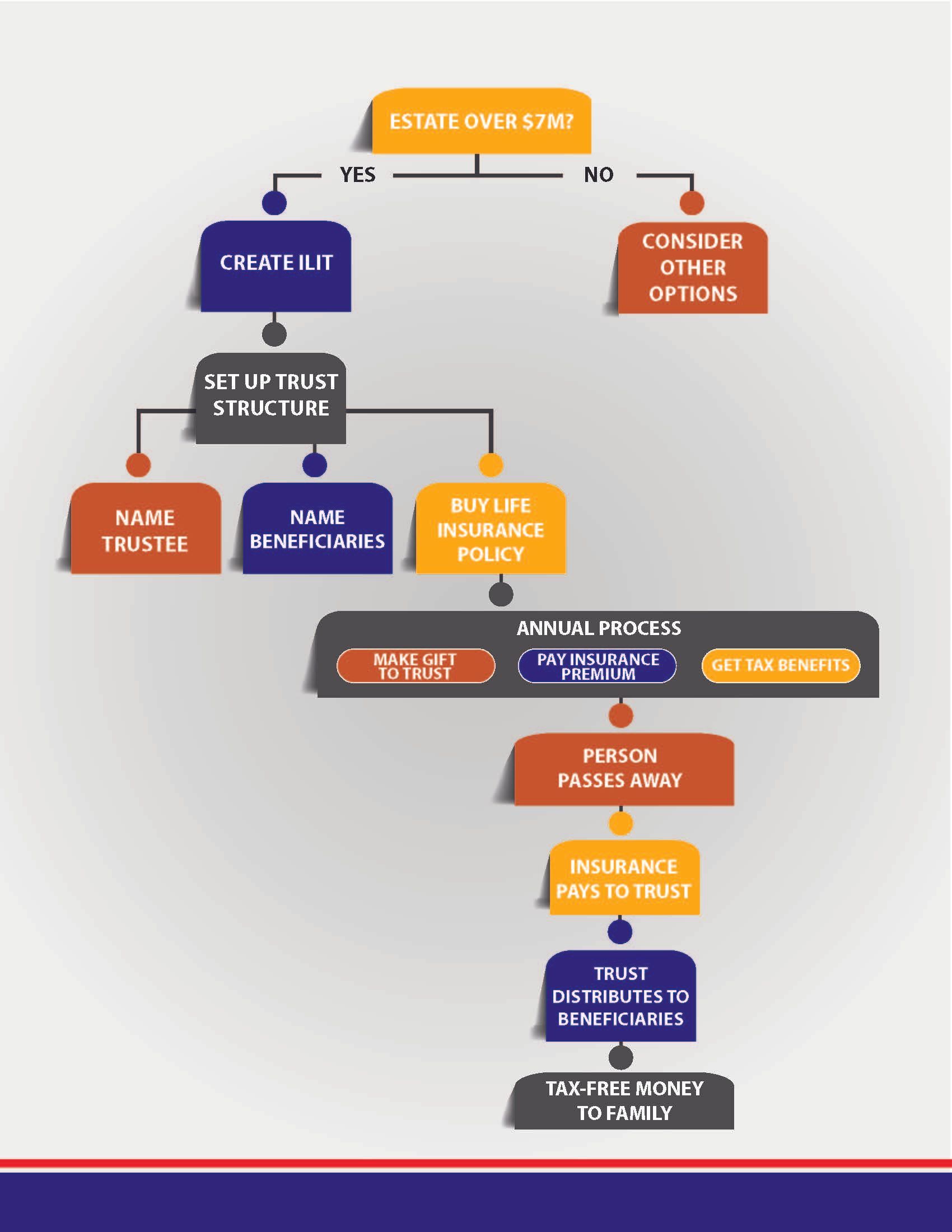
As of 2026, the landscape of estate planning has undergone a significant shift. With the sunset of the Tax Cuts and Jobs Act (TCJA) provisions at the end of 2025, the federal estate tax exemption has returned to pre-2018 levels, adjusted for inflation—roughly $7 million per individual. This lower threshold has made the "impact" of an irrevocable trust more critical for a broader range of families who previously felt their estates were beneath the tax-exemption ceiling.
An ILIT is a specialized legal entity designed specifically to own and manage life insurance policies. Because the trust is irrevocable, the grantor (the person creating the trust) cannot unilaterally change its terms, dissolve it, or reclaim the assets. This permanence is the foundation of its tax and legal benefits. By moving the policy into the trust, the grantor effectively severs "incidents of ownership," which is the legal standard the IRS uses to determine if an asset should be taxed as part of a deceased person's estate.
The Primary Tax Impact: Estate Tax Mitigation
The most profound impact of life insurance in an irrevocable trust is the reduction of the gross taxable estate. Under Internal Revenue Code Section 2042, if an individual holds any "incidents of ownership" in a life insurance policy at the time of death, the entire death benefit is included in their estate.
In 2026, with the federal estate tax rate holding steady at 40%, the financial consequences are steep. For example, a $5 million life insurance policy owned personally by an individual with an estate already valued at $7 million would result in a $5 million taxable overage. At a 40% tax rate, the family would owe $2 million in taxes on the insurance proceeds alone.
By utilizing an ILIT:
- Estate Exclusion: The death benefit is paid to the trust, not the individual’s estate, meaning it is not subject to the 40% federal estate tax.
- Generational Wealth Transfer: The trust can be structured to provide for a surviving spouse and then pass to children or grandchildren without being taxed at each generational transition, provided it is drafted as a "dynasty trust" within state law limits.
- Gift Tax Efficiency: Premiums paid into the trust are generally considered gifts to the beneficiaries. By using Crummey Powers, grantors can apply their annual gift tax exclusion (currently $18,000 per beneficiary in 2026) to cover the premium costs, avoiding the use of their lifetime gift tax exemption.
Impact on Asset Protection and Creditor Shielding
Beyond taxes, an irrevocable trust provides a robust shield against legal and financial liabilities. Because the policy is owned by the trust entity and not the individual, it is generally unreachable by the grantor’s personal creditors.
Protection for the Grantor
If the grantor faces a lawsuit, bankruptcy, or a significant judgment in 2026, the assets held within the ILIT are typically protected. Since the grantor has no legal right to the cash value or the death benefit, the courts cannot compel the grantor to surrender the policy to satisfy a debt. This is particularly valuable for professionals in high-liability fields, such as medicine or real estate development.
Protection for Beneficiaries
An ILIT can include a spendthrift clause, which prevents beneficiaries from pledging their interest in the trust to creditors. It also protects the proceeds from being seized if a beneficiary goes through a divorce or faces their own financial crisis. Instead of receiving a lump-sum payout that could be easily lost, the trust can distribute funds over time or for specific purposes (like education or healthcare), keeping the bulk of the principal protected within the trust's legal "wrapper."
Control and Distribution Dynamics
A common misconception is that life insurance in a trust means the grantor loses all influence. While the grantor cannot legally control the policy, they exert control through the Trust Agreement drafted at the outset.
The impact here is the ability to create a "rulebook" for how the money is used. Unlike a direct beneficiary designation on a life insurance policy—where a 21-year-old might receive $2 million in a single check—the ILIT allows for:
- Staged Distributions: Releasing funds at specific ages (e.g., 25, 30, and 35).
- Incentive Provisions: Providing funds only if a beneficiary graduates from college or remains drug-free.
- Discretionary Income: Allowing a trustee to distribute money only for the "Health, Education, Maintenance, and Support" (HEMS standard) of the heirs.
This level of oversight ensures that the life insurance impact is felt as a long-term legacy rather than a short-lived windfall.
Technical Requirements and Potential Pitfalls
The positive impacts of an ILIT are predicated on strict adherence to IRS rules. Failure to follow these can negate the entire tax-saving strategy.
The Three-Year Rule (IRC Section 2035)
If you transfer an existing life insurance policy into an irrevocable trust and die within three years of the transfer, the IRS ignores the trust and pulls the death benefit back into your taxable estate. To avoid this impact, many planners recommend having the trustee apply for a new policy directly, using funds gifted by the grantor.
Crummey Letters
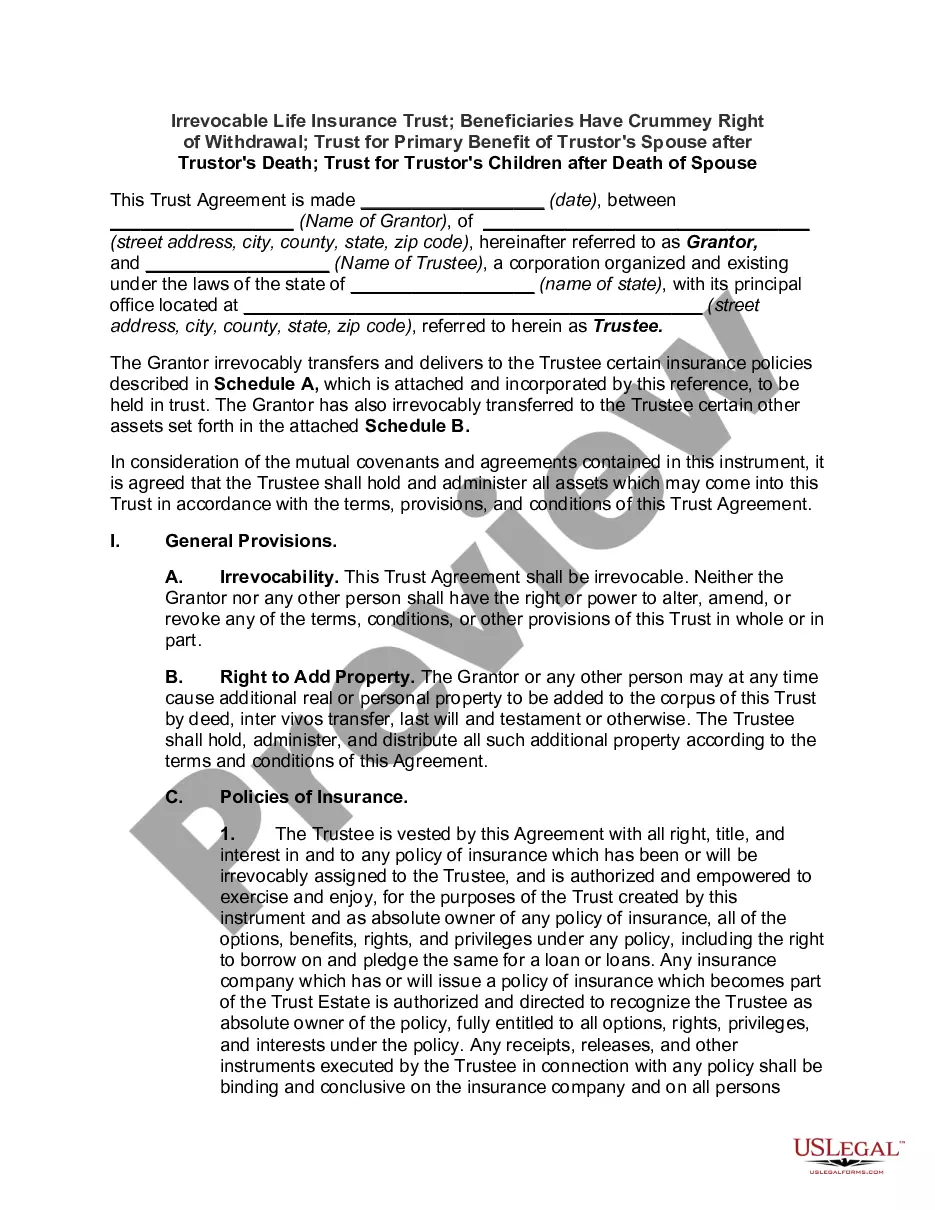
To qualify premium payments for the annual gift tax exclusion, beneficiaries must be given a "present interest" in the gift. This is achieved by sending a Crummey Letter, notifying them of their right to withdraw the gifted funds for a limited window (usually 30 days). If the trustee fails to send these notices, the IRS may categorize the premium payments as taxable gifts, eating into the grantor's lifetime exemption.
Incidents of Ownership
The grantor must truly step away. This means the grantor cannot:
- Change beneficiaries.
- Borrow against the policy’s cash value.
- Surrender or cancel the policy.
- Use the policy as collateral for a personal loan.
Comparison: Personal Ownership vs. Irrevocable Trust Ownership
| Feature | Personal Ownership | Irrevocable Trust (ILIT) |
|---|---|---|
| Estate Tax Status | Included in taxable estate | Excluded from taxable estate |
| Creditor Protection | Limited (depends on state law) | High (shielded by trust entity) |
| Control Over Policy | Absolute and flexible | None (held by Trustee) |
| Distribution Strategy | Lump sum to beneficiary | Customizable/Staged payouts |
| Administrative Cost | Zero | Legal fees and annual filings |
| 2026 Tax Exposure | High (due to lower exemptions) | Low (primary vehicle for tax mitigation) |
| Income Tax on Benefit | Generally tax-free | Generally tax-free |
Operational Limitations and Costs
The impact of an ILIT is not entirely positive; there are trade-offs in terms of complexity and cost. Establishing an ILIT in 2026 typically involves legal fees ranging from $2,500 to $7,000, depending on the complexity of the distribution instructions.
Furthermore, the trust requires an independent trustee. While this can be a family member, many choose a professional fiduciary or bank to ensure that Crummey notices are sent correctly and tax returns (Form 1041) are filed if the trust generates income. This introduces ongoing administrative overhead that must be weighed against the projected tax savings.
Frequently Asked Questions
Can I change the beneficiaries of an ILIT once it is set up?
No, you cannot personally change the beneficiaries because the trust is irrevocable. However, you can draft the trust with "powers of appointment" or use a "trust protector" who has the limited authority to make specific adjustments under clearly defined circumstances, such as changes in tax law or beneficiary behavior.
What happens if I can no longer pay the premiums?
If the grantor stops gifting money for premiums, the trustee may use the policy's cash value to pay the premiums, convert the policy to a "paid-up" status with a lower death benefit, or, in some cases, sell the policy via a life settlement to provide liquidity for the trust's beneficiaries.
Does the death benefit of an ILIT pay out faster than a standard policy?
The payout speed is generally the same, but the access to funds may be slower because the money goes to the trust first. The trustee must then follow the trust's distribution rules. However, the trust can be authorized to immediately pay for the estate's funeral expenses or taxes, which can speed up the overall probate process.
Can I be the trustee of my own ILIT?
It is highly discouraged. If the grantor serves as the trustee, the IRS may argue they have retained "incidents of ownership" through their administrative powers, potentially pulling the insurance proceeds back into their taxable estate and nullifying the trust's primary purpose.
Is an ILIT necessary if my estate is under $7 million?
In 2026, even if you are currently under the $7 million threshold, an ILIT may be beneficial. Future growth of your assets, potential further reductions in tax exemptions by Congress, or the need for creditor protection and controlled distributions make the ILIT a versatile tool beyond just tax avoidance.
Practical Recommendations
If you are considering the impact of life insurance in an irrevocable trust, your first step should be a comprehensive estate valuation. With the 2026 exemption limits in place, calculate your total assets—including existing life insurance—to determine your tax exposure.
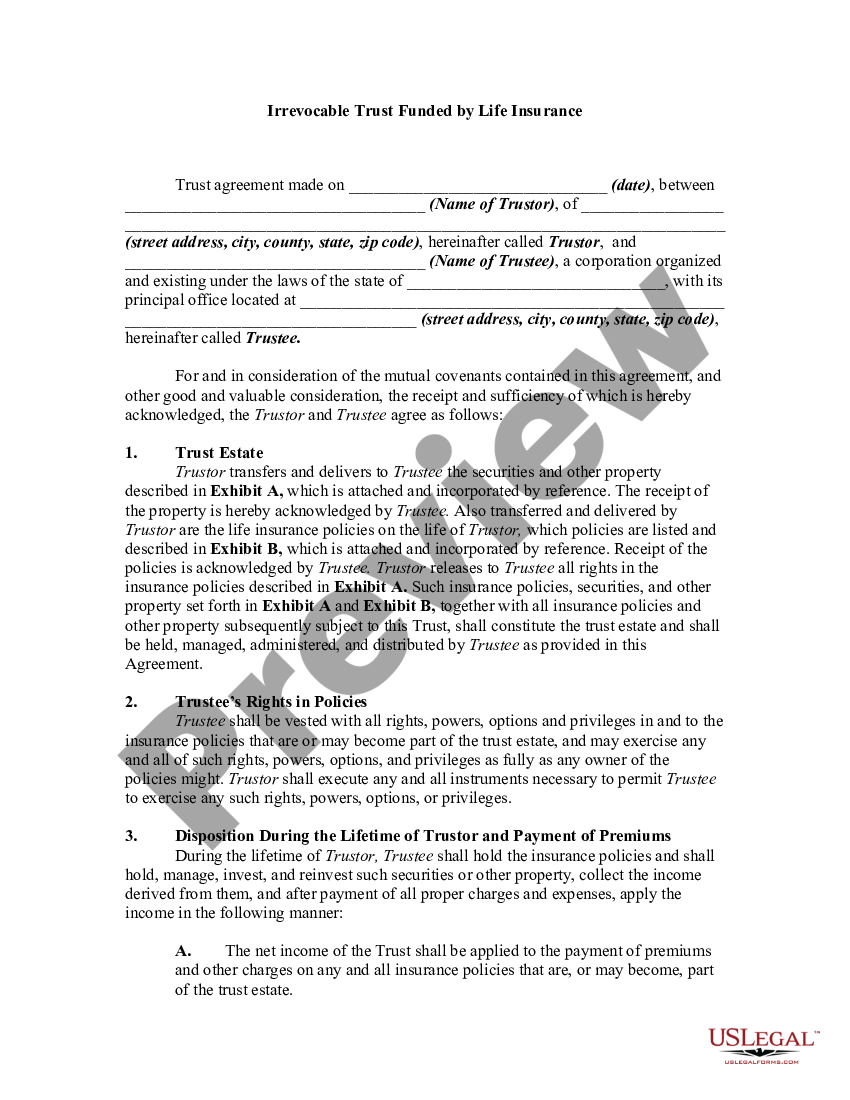
- Consult a Specialist: Engage an estate planning attorney to draft the trust document. Boilerplate forms are risky given the technicalities of Crummey powers.
- Evaluate Existing Policies: If you have an existing policy, discuss the "Three-Year Rule" with your advisor. It may be more efficient to start a new policy within the trust.
- Choose a Trustee Wisely: Select someone who is detail-oriented enough to handle annual notices and filings.
- Review Annually: Estate laws are dynamic. Even though the trust is irrevocable, your overall strategy should be reviewed every year to ensure it aligns with current IRS regulations and your family’s needs.
Image Gallery