Prince Charles and Jimmy Savile: The History, Letters, and Institutional Impact
The relationship between King Charles III (then Prince of Wales) and the late broadcaster Jimmy Savile remains one of the most thoroughly analyzed associations in modern British public life. Across more than two decades, Savile leverag...
The relationship between King Charles III (then Prince of Wales) and the late broadcaster Jimmy Savile remains one of the most thoroughly analyzed associations in modern British public life. Across more than two decades, Savile leveraged his high-profile charitable fundraising to secure extraordinary access to the royal family, acting as an informal public relations advisor to Prince Charles before posthumous investigations revealed Savile as one of the United Kingdom's most prolific sexual predators.
Contents
Origins of the Relationship: Charity Work and Public Persona
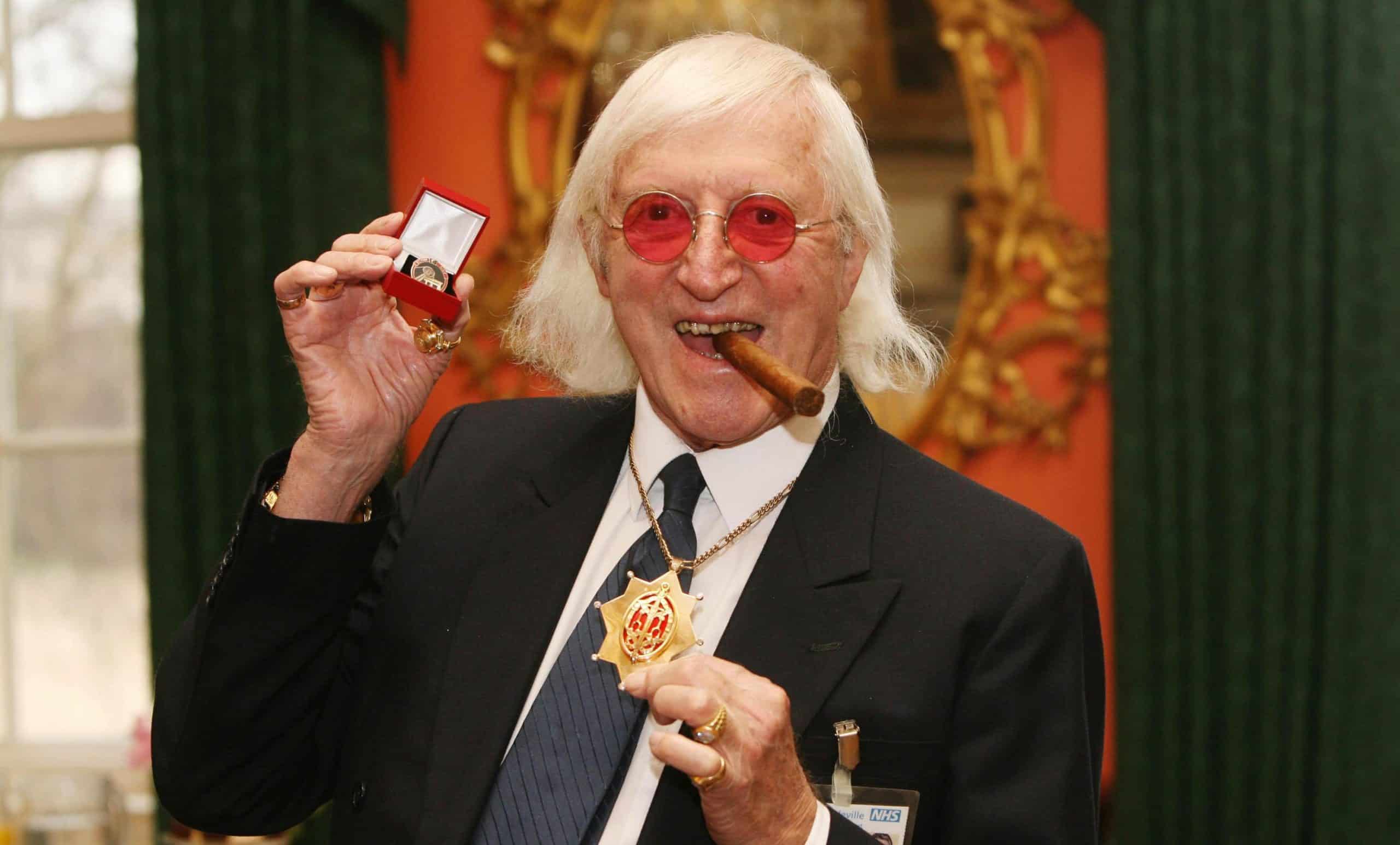
The acquaintance between Prince Charles and Jimmy Savile began in the late 1970s, primarily forged through shared charitable interests. Savile was then at the height of his fame as a BBC television presenter on shows such as Top of the Pops and Jim'll Fix It. Concurrently, he established himself as a tireless fundraiser for major British healthcare institutions, including National Health Service (NHS) facilities such as Stoke Mandeville Hospital in Buckinghamshire and Broadmoor Hospital in Berkshire.
Prince Charles, who became Patron of the National Hospital for Neurology and Neurosurgery and engaged heavily with various healthcare initiatives, viewed Savile as an effective, highly connected benefactor capable of mobilizing public support and raising millions of pounds for hospital developments.
Savile’s aggressive fundraising efforts earned him widespread institutional trust. This public persona masked his predatory behavior and allowed him to bypass conventional vetting procedures across government bodies, charities, and royal households. By the early 1980s, Savile was regular visitor to royal residences, including Buckingham Palace, Highgrove, and the Balmoral estate in Scotland.
Key Factors Enabling Access:
- High-profile celebrity status and media dominance (BBC)
- Multi-million-pound fundraising campaigns for NHS facilities
- Absence of modern background checks and institutional vetting
- Direct patronage and endorsement from high-ranking public figures
The Extent of Influence: Letters and Advisory Roles
The full depth of the interaction between Prince Charles and Jimmy Savile came to light in 2022 following the release of historical correspondence in archival projects and documentary retrospectives. The letters, spanning from 1986 through the late 1990s, demonstrate that Prince Charles regularly consulted Savile on public relations, crisis management, and institutional communications.
Key Areas of Consultation
Royal Family Public Relations Strategy: In the late 1980s, Prince Charles sought Savile’s advice on how the royal family should navigate public perception and modernize its appeal. Savile drafted informal dossiers and advisory notes for the Prince of Wales, outlining suggestions on how senior royals should interact with the public and media.
Management of Royal Incidents: Following public relations challenges—including sensitive commentary surrounding Prince Andrew's post-Falklands War career and media engagements—Prince Charles requested Savile’s opinion on organizational structure and damage control within the royal households.
Speechwriting and Appeals: Prince Charles occasionally shared drafts of public speeches and fundraising appeals with Savile to gauge how they would resonate with working-class British audiences. Savile responded with handwritten notes offering critique and strategic guidance.
Savile’s ability to offer unvarnished advice elevated him from a simple charity ambassador to an informal advisor to the heir to the throne. This proximity provided Savile with a mantle of unquestioned respectability, which he actively exploited to silence potential critics and continue his abuse undetected.
Broadmoor Hospital and the Exploitation of Authority
One of the most consequence-heavy aspects of Savile’s influence was his appointment in 1988 as head of an interim management task force at Broadmoor High Security Hospital. Broadmoor, a psychiatric facility housing patients categorized as high-risk, came under administrative oversight by the Department of Health following internal operational failures.
Savile actively campaigned for this appointment, utilizing his relationship with Prince Charles to bolster his credentials. Prince Charles personally advocated for Savile’s involvement in healthcare administration, believing Savile’s hands-on approach and fundraising capability would improve hospital conditions.
Savile's Position of Power at Broadmoor (1988–late 1990s):
- Granted personal master keys to hospital wards and patient rooms
- Unchecked authority over clinical staff schedules and operational decisions
- Ability to bypass standard Department of Health oversight protocol
- Unfettered, unmonitored access to vulnerable patients and staff
Subsequent official investigations, including the 2014 Department of Health and NHS inquiry led by Kate Lampard, concluded that Savile abused dozens of victims—including vulnerable patients, visitors, and staff members—at Broadmoor and other hospital sites over several decades. The reports highlighted how Savile used his royal connections, political ties, and celebrity status to intimidate staff who raised concerns, creating an environment where his authority was rarely challenged.
The 2012 Revelations and Official Royal Response
Jimmy Savile died in October 2011 at the age of 84, having never faced criminal prosecution during his lifetime. In October 2012, ITV broadcast the documentary Exposure: The Dark Side of Fame, which broke the public silence surrounding his crimes. This triggered Operation Yewtree, a major investigation led by London's Metropolitan Police Service into historical child sexual abuse.
The findings established Savile as one of the UK's most prolific sex offenders, with hundreds of recorded victims across institutions including the BBC, schools, and hospitals.
Official Statements from Clarence House
Following the public disclosures in late 2012 and subsequent independent reports, Clarence House (the official office of the Prince of Wales) issued formal statements addressing Prince Charles’s historic association with Savile.
The official position highlighted the following key points:
- Lack of Knowledge: Prince Charles had no knowledge or suspicion of Savile’s crimes during their acquaintance.
- Deception: Like many public institutions, charities, political leaders, and the general public, the Prince was deceived by Savile's extensive public fundraising and philanthropic persona.
- Support for Inquiries: The royal household expressed deep sympathy for the victims and supported the extensive independent inquiries into how Savile gained access to public and medical institutions.
Chronology of the Relationship and Subsequent Inquiries
The following timeline details the primary touchpoints of the relationship between Prince Charles and Jimmy Savile, alongside the subsequent institutional investigations.
| Year | Event / Touchpoint | Significance & Institutional Context |
|---|---|---|
| 1976 | Initial Contact | Savile meets members of the Royal Family through national charity appeals. |
| 1980 | Highgrove & Balmoral Access | Savile becomes a frequent guest at royal residences, promoting healthcare fundraising. |
| 1986 | Formal Advisory Role Begins | Prince Charles begins regularly writing to Savile for public relations and media advice. |
| 1988 | Broadmoor Task Force Appointment | Savile appointed to lead Broadmoor Hospital interim board; backed by health ministers and royal endorsement. |
| 1990 | Knighthood Awarded | Savile knighted (KBE) for services to charity on the recommendation of Prime Minister Margaret Thatcher. |
| 1999 | Correspondence Fades | Active contact between Prince Charles and Savile diminishes as royal staff modernize operations. |
| 2011 | Death of Jimmy Savile | Savile dies in Leeds, aged 84, receiving widespread public tributes. |
| 2012 | ITV Exposure & Operation Yewtree | Posthumous revelations uncover systemic abuse; Metropolitan Police launch criminal inquiries. |
| 2014–2015 | NHS & Department of Health Reports | The Lampard Inquiry details Savile’s abuse across 28 hospitals, including Broadmoor and Stoke Mandeville. |
| 2022 | Archives Published | Correspondence between Prince Charles and Savile released in documentary archives, sparking renewed public debate. |
Retrospective Analysis: Institutional Vetting and Safeguard Reform
The association between Prince Charles and Jimmy Savile serves as a primary case study in institutional failures regarding celebrity influence and authority. Sociological and legal analyses of the scandal highlight several critical structural flaws present during the late 20th century:
Deference to Philanthropic Halo Effect
Savile benefited from what criminologists term a "philanthropic halo effect." By raising estimated tens of millions of pounds for public hospitals, he generated immense social capital. Figures in authority, including politicians, health authority executives, and members of the Royal Family, viewed his unconventional behavior as mere eccentricity rather than potential abuse.
Gaps in Background Vetting
During the 1970s, 1980s, and 1990s, background checks for individuals holding honorary roles, charity ambassadorships, or informal advisory positions were largely nonexistent. Access was frequently granted based on personal introductions and social standing rather than rigorous security screening.
Modern Royal Safeguarding Protocols
In the years following the Savile scandal and subsequent reviews into public figures, the Royal Household implemented revised governance structures:
- Enhanced Vetting Procedures: All individuals seeking patronage, advisory roles, or regular access to royal households undergo thorough background screening in coordination with home security agencies.
- Formalized Governance: Patronages and charitable partnerships are vetted by dedicated administrative committees rather than arranged through personal informal correspondence.
- Child and Vulnerable Adult Protection Policies: Institutional policies now mandate strict adherence to modern safeguarding rules across all organizations associated with royal patronage.
Frequently Asked Questions
Did Prince Charles know about Jimmy Savile's crimes?
No official investigation or evidence suggests that Prince Charles knew of Savile’s sexual abuse. Independent reviews, including the 2015 Department of Health report and police inquiries under Operation Yewtree, concluded that Savile successfully concealed his predatory behavior behind his public persona and charitable work, deceiving high-profile associates across politics, media, and the monarchy.
What was in the letters between Prince Charles and Jimmy Savile?
The correspondence, spanning from the late 1970s through the late 1990s, centered on public relations advice, royal speechwriting, healthcare initiatives, and crisis management. Prince Charles sought Savile's views on how the royal family could better connect with the British public and handle media scrutiny.
How did Jimmy Savile get access to Broadmoor Hospital?
Savile leveraged his extensive fundraising record at Broadmoor alongside support from politicians and high-profile endorsements, including his relationship with Prince Charles. In 1988, the Department of Health appointed Savile to head an interim task force managing the hospital, granting him personal keys and unmonitored access to wards.
Did Prince Charles recommend Jimmy Savile for a knighthood?
Jimmy Savile was awarded a Knight Commander of the Order of the British Empire (KBE) in 1990 for his charitable services. The nomination was put forward by Prime Minister Margaret Thatcher's government, which had received support and recommendations from various public figures and charitable organizations, including backing from members of the royal household.
How did the royal family respond to the 2012 Savile revelations?
Following the posthumous disclosures in 2012, Clarence House issued statements expressing deep sympathy for the victims, stating that the Prince of Wales had been entirely unaware of Savile's criminal conduct, and confirming support for the official inquiries conducted by law enforcement and the NHS.
Recommended Resources and Research
For readers seeking further objective, historical, and legal documentation regarding the institutional oversight failures connected to Jimmy Savile, review the official published inquiries:
- The Lampard Report (2015): The official Department of Health investigation into Savile’s activities at Broadmoor Hospital and other NHS facilities, detailing institutional failures and access governance.
- Operation Yewtree Reports (Metropolitan Police Service): Official summaries outlining the scope of historical allegations and systemic abuse identified posthumously.
- The Dame Janet Smith Review (2016): An independent review examining the culture and governance of the BBC during Savile’s tenure as a broadcaster.
Image Gallery