The Voice Behind Hit in Dragon Ball Super: Cast Details and Performance Analysis
The legendary assassin Hit from Dragon Ball Super is voiced by veteran actor Kazuhiro Yamaji in the original Japanese anime and acclaimed voice actor Matthew Mercer in the official English dub by Funimation (now Crunchyroll). Voice act...
The legendary assassin Hit from Dragon Ball Super is voiced by veteran actor Kazuhiro Yamaji in the original Japanese anime and acclaimed voice actor Matthew Mercer in the official English dub by Funimation (now Crunchyroll). Voice actor Aaron Roberts also provided Hit’s voice in select video games, including Dragon Ball FighterZ.
Contents
Introducing Universe 6’s Deadliest Assassin
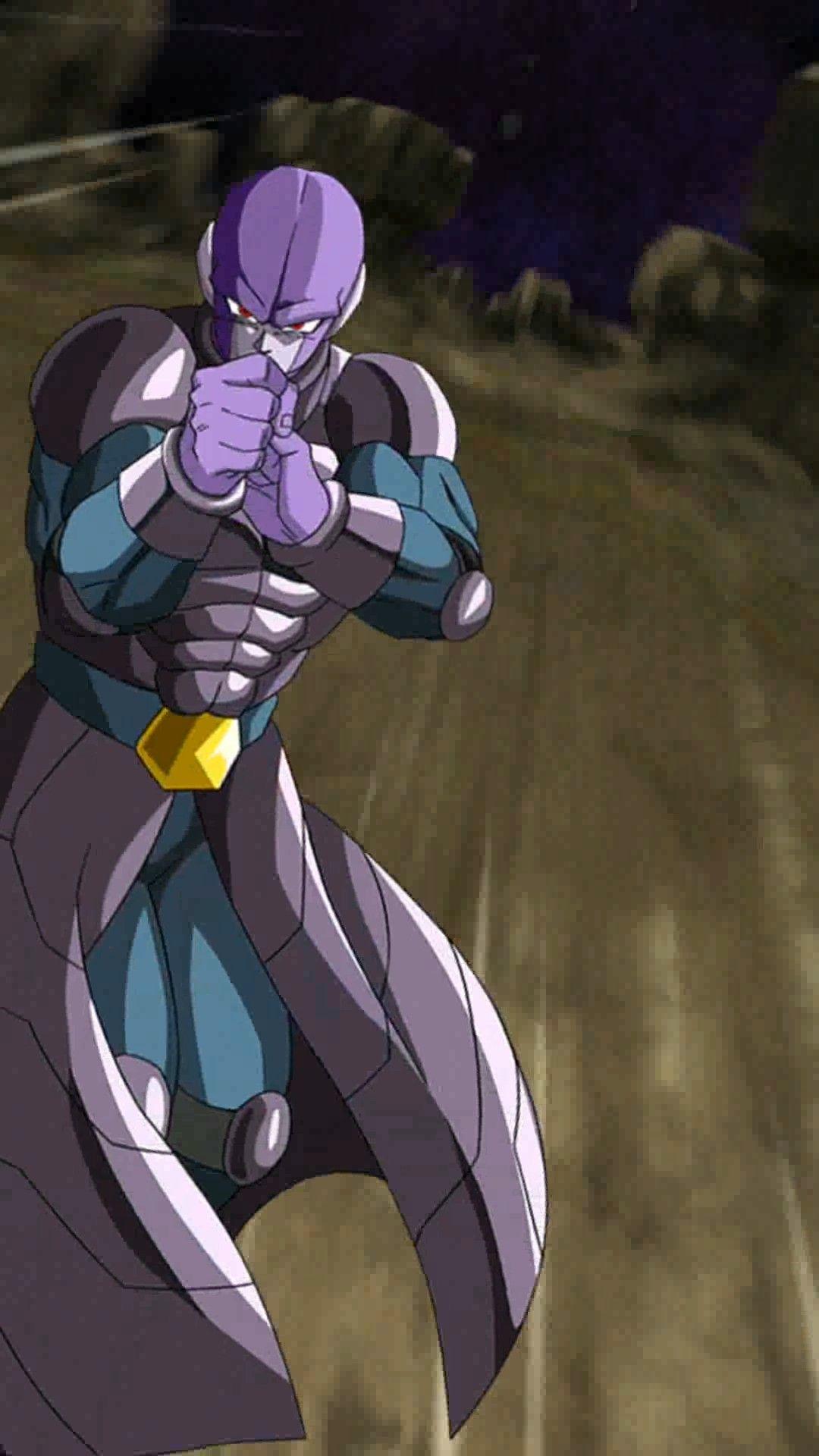
Introduced during the Universe 6 vs. Universe 7 Tournament saga of Dragon Ball Super, Hit (known formally as "Hit the Infallible") altered the established power scaling of the franchise. Unlike previous antagonists motivated by galactic conquest, revenge, or sheer malice, Hit operates as a disciplined, 1,000-year-old contract killer who views combat as a professional craft.
His signature technique, the Time-Skip (Tokitobashi), allows him to pause time for fractions of a second to deliver lethal strikes directly to his opponents' vitals. Because Hit speaks sparingly and conveys authority through subtle changes in tone rather than screaming power-ups, casting his voice required performers capable of conveying immense gravitas, tactical intellect, and calm deadliness.
The Original Japanese Voice: Kazuhiro Yamaji
In the original Japanese broadcast, Hit is brought to life by Kazuhiro Yamaji, one of Japan’s most revered stage, film, and voice actors. Born in Mie Prefecture in 1954, Yamaji brings decades of theater experience to the recording booth, giving Hit an unmistakable, world-weary presence.
Vocal Technique and Characterization
Yamaji chose a low, textured register for Hit. Rather than playing the assassin as an emotionless android or a roaring brute, Yamaji infuses the dialogue with quiet amusement, professional detachment, and an underlying code of martial honor.
When Hit faces Goku’s Super Saiyan Blue Kaio-ken, Yamaji does not raise Hit’s voice to a manic pitch; instead, his grunts and short vocal pushes reflect calculated physical exertion. His delivery during Hit’s internal monologues emphasizes analytical coldness, making Hit's gradual respect for Goku feel earned and organic.
Notable Roles of Kazuhiro Yamaji
Yamaji is widely recognized both within anime and in Japanese dubbing of major international cinema:
- Kenny Ackerman in Attack on Titan (Shingeki no Kyojin)
- Silver Fang (Bang) in One-Punch Man
- Vincent Valentine in Final Fantasy VII: Advent Children
- Jouji Saiga in Psycho-Pass
- Official Japanese Dub Voice for live-action Hollywood stars including Jason Statham, Willem Dafoe, Hugh Jackman, and Russell Crowe.
His extensive background dubbing Western antiheroes heavily informed his approach to Hit, granting the assassin an aesthetic closer to a classic neo-noir protagonist than a traditional battle shonen villain.
The English Dub Voice: Matthew Mercer
For the English dub produced by Funimation, director Christopher Sabat cast Matthew Mercer. Known for his expansive vocal range and measured cadence, Mercer took on the role starting in the Universe 6 Saga and continued through the climactic Tournament of Power.
Interpreting the Time-Skip Assassin
Mercer approached Hit by dropping his pitch into a deep, gravelly chest voice. The English adaptation of Dragon Ball Super gave Hit sharp, decisive one-liners, requiring Mercer to balance stoic restraint with threatening impact.
Where many English dub performances in the Dragon Ball catalog rely on intense vocal strain and prolonged yelling, Mercer played against type. Hit’s dialogue sounds deliberate, economical, and unbothered. During combat, Mercer kept battle cries short, mimicking the sharp exhalations of martial artists rather than extended anime shouts.
The Origin of "Time to Make the Donuts"
One of the most discussed aspects of Mercer’s performance originated not in the anime script, but in the video game Dragon Ball Xenoverse 2. During battle matches, Hit was given the localized combat bark: "Time to make the donuts."
The phrase—an homage to a classic 1980s American commercial campaign for Dunkin' Donuts emphasizing early-morning, repetitive duty—became an instant viral meme in the gaming and anime community. Mercer delivered the absurd line with such unyielding seriousness that it cemented itself into Hit's pop-culture footprint, showcasing Mercer's ability to ground eccentric localization choices in deadpan sincerity.
Notable Roles of Matthew Mercer
Beyond his work in Dragon Ball Super, Mercer is one of the most prolific voice actors in modern Western media:
- Levi Ackerman in Attack on Titan (coincidentally starring alongside Kazuhiro Yamaji's Kenny Ackerman in the Japanese version)
- Jotaro Kujo in JoJo's Bizarre Adventure: Stardust Crusaders
- Cole Cassidy (formerly McCree) in Overwatch and Overwatch 2
- Ganondorf in The Legend of Zelda: Tears of the Kingdom
- Dungeon Master and Creator of the tabletop role-playing web series Critical Role
Video Game Recasting: Aaron Roberts
While Matthew Mercer is the definitive English anime voice for Hit, scheduling conflicts common in voiceover production led to secondary casting in video game adaptations.
The Transition in Dragon Ball FighterZ
When Arc System Works and Bandai Namco developed the competitive fighting game Dragon Ball FighterZ, Mercer was unavailable to record lines for Hit. Voice director Christopher Sabat brought in seasoned Funimation voice actor Aaron Roberts to step into the role.
Roberts, known for voicing Kamui Woods in My Hero Academia and Howard Link in D.Gray-man Hallow, faced the difficult task of matching Mercer’s established pitch and cadence. Roberts studied Mercer's performance from the Universe 6 arc, providing a close match that kept Hit's signature gravelly delivery and battle cries consistent for fighting game players.
Comparison of Hit’s Voice Actors Across Media
The table below outlines the primary voice actors responsible for Hit across different language tracks and key franchise releases.
| Attribute / Role | Kazuhiro Yamaji | Matthew Mercer | Aaron Roberts |
|---|---|---|---|
| Language | Japanese | English | English |
| Primary Media | Dragon Ball Super Anime, Games, Films | Dragon Ball Super Anime, Xenoverse 2 | Dragon Ball FighterZ, Select Game Updates |
| Vocal Tone | Raspy, world-weary, theatrical gravitas | Low-pitched, smooth, deadpan intensity | Gruff, precise, close mimicry of Mercer |
| Debut Project | Dragon Ball Super Episode 38 (2016) | Dragon Ball Super Episode 38 Dub (2017) | Dragon Ball FighterZ (2018) |
| Signature Role Cross-Connection | Kenny Ackerman (Attack on Titan) | Levi Ackerman (Attack on Titan) | Kamui Woods (My Hero Academia) |
| Key Directing Focus | Professional warrior; honorable detachment | Stoic contract killer; economical movement | Match established English anime continuity |
Critical Reception and Character Legacy
The dual casting of Yamaji and Mercer played a pivotal role in Hit’s reception among international audiences. In battle shonen anime, long-running franchises often struggle with villain fatigue, where new antagonists sound interchangeable with past threats. Hit broke this pattern.
- Subversion of Shonen Clichés: By utilizing actors with classical training and extensive experience voicing mature antiheroes, the production team prevented Hit from feeling like a retread of Cell, Frieza, or Goku Black.
- Dynamic Rivalry with Goku: Hit’s vocal stillness provides an intentional acoustic contrast to Masako Nozawa’s and Sean Schemmel’s energetic, high-octane interpretations of Son Goku. This auditory dynamic reflects their ideological clash: an assassin treating combat as routine work versus a martial artist fighting for joy.
- Cross-Language Synergy: A rare point of trivia uniting both casts is Attack on Titan. Kazuhiro Yamaji plays Kenny Ackerman, while Matthew Mercer plays Kenny's nephew, Levi Ackerman. Fans of both franchises frequently celebrate the vocal parallel between two of the anime industry’s premier action characters.
Frequently Asked Questions
Did Matthew Mercer voice Hit in every Dragon Ball Super episode?
Yes. Matthew Mercer voiced Hit across all of Hit's appearances in the Funimation English dub of the television series, including both the Universe 6 Saga and the Tournament of Power Saga.
Why does Hit sound slightly different in Dragon Ball FighterZ?
Hit sounds different in Dragon Ball FighterZ because he was voiced by Aaron Roberts instead of Matthew Mercer. Mercer was unable to reprise the role due to scheduling conflicts during the game's production window, prompting the studio to bring in Roberts as a vocal match.
What is Hit's signature voice line in Japanese?
Hit’s primary combat line in Japanese revolves around his signature attack: "Tokitobashi" (時に飛ばし), which translates directly to "Time-Skip." Yamaji delivers the attack name under his breath, signaling the move to the audience without breaking Hit's tactical concentration.
Did Kazuhiro Yamaji return to voice Hit in Dragon Ball Super: Super Hero?
Hit does not appear in the 2022 feature film Dragon Ball Super: Super Hero, as the narrative focuses exclusively on Earth, Gohan, Piccolo, and the Red Ribbon Army. Consequently, neither Yamaji nor Mercer was called to reprise the role for that project.
Has Hit appeared in Dragon Ball DAIMA?
Hit does not appear in the main storyline of Dragon Ball DAIMA, which takes place in the Demon Realm and centers on the core Universe 7 cast transformed into mini versions of themselves.
Next Steps for Fans
To experience the full progression of Hit’s vocal characterization:
- Compare Episode 39 (Goku vs. Hit in the Universe 6 Tournament) with Episode 111 (Hit vs. Jiren in the Tournament of Power) across both the Japanese audio track and English dub to hear how Yamaji and Mercer adjust their performances from confident superiority to desperate tactical survival.
- Listen to the character interactions in Dragon Ball Xenoverse 2 and Dragon Ball FighterZ to evaluate the nuanced differences between Matthew Mercer's original English delivery and Aaron Roberts' game performance.
Image Gallery