Understanding Your Life Insurance Description of Coverage
A life insurance description of coverage is the formal document, often contained within the policy’s "Declarations Page" or "Certificate of Insurance," that outlines the specific terms, benefits, beneficiaries, and conditions of your c...
A life insurance description of coverage is the formal document, often contained within the policy’s "Declarations Page" or "Certificate of Insurance," that outlines the specific terms, benefits, beneficiaries, and conditions of your contract. It serves as the definitive reference for what the policy covers, the total death benefit amount, and the precise legal obligations of both the insurer and the policyholder.
Contents
The Anatomy of an Insurance Description
When you receive your policy documents, the description of coverage is designed to resolve ambiguity regarding the protection you have purchased. While marketing brochures provide a general overview of a product’s features, the formal description of coverage is legally binding.
Most documents follow a standardized structure to ensure clarity for the insured:
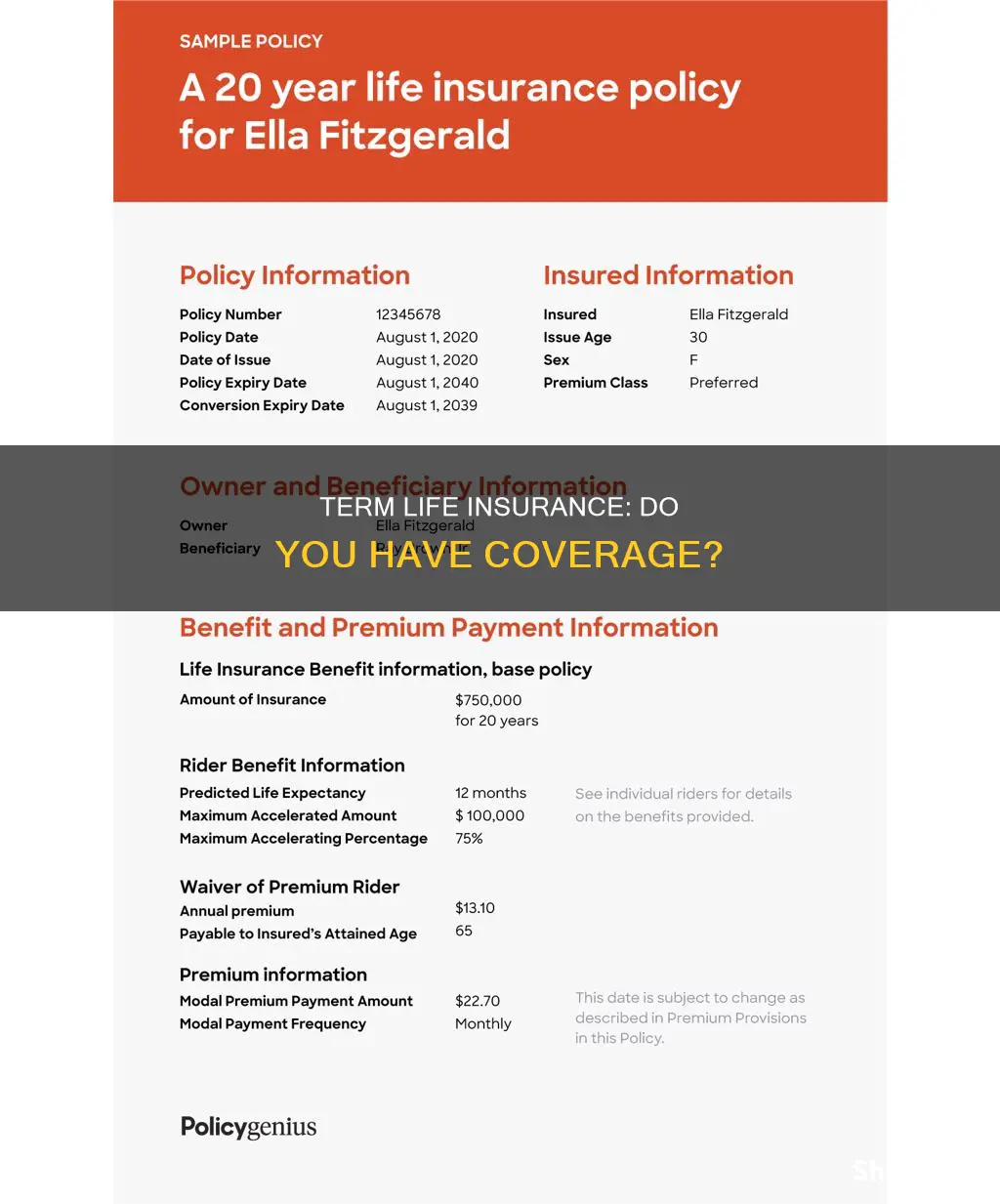
- The Declarations Page: This is usually the first document in your policy packet. It acts as a summary, listing the policy number, the name of the insured, the owner of the policy, the death benefit amount, the premium frequency, and the effective date.
- Definitions Section: This section defines key terms such as "total disability," "terminal illness," or "accidental death." These definitions are critical because they dictate how the insurer interprets claims.
- The Insuring Agreement: This clause sets out the insurer’s promise to pay the death benefit to the beneficiary, provided that the policy remains in force and all premiums have been paid.
- Exclusions and Limitations: This is the most important section for understanding what the policy does not cover. Common exclusions often include suicide within the first two years of the policy (the contestability period) or death resulting from high-risk, undisclosed activities.
Why the Description Matters for Beneficiaries
The description of coverage is the primary tool used by beneficiaries during the claims process. When a life event occurs, the beneficiary must submit a claim based on the provisions detailed in this document.
If there is a mismatch between what the policyholder believed they purchased and what the document states, the written document will almost always prevail in a legal or administrative dispute. Therefore, it is essential to verify that the beneficiaries listed are current. If you have gone through life changes such as marriage, divorce, or the passing of a primary beneficiary, you must ensure your "Description of Coverage" reflects your current wishes through a formal Change of Beneficiary form.
Comparing Life Insurance Types
The nature of your coverage description changes significantly depending on the type of policy you hold. Understanding these variations helps in interpreting your specific documents.
| Policy Type | Primary Coverage Focus | Key Provisions to Review |
|---|---|---|
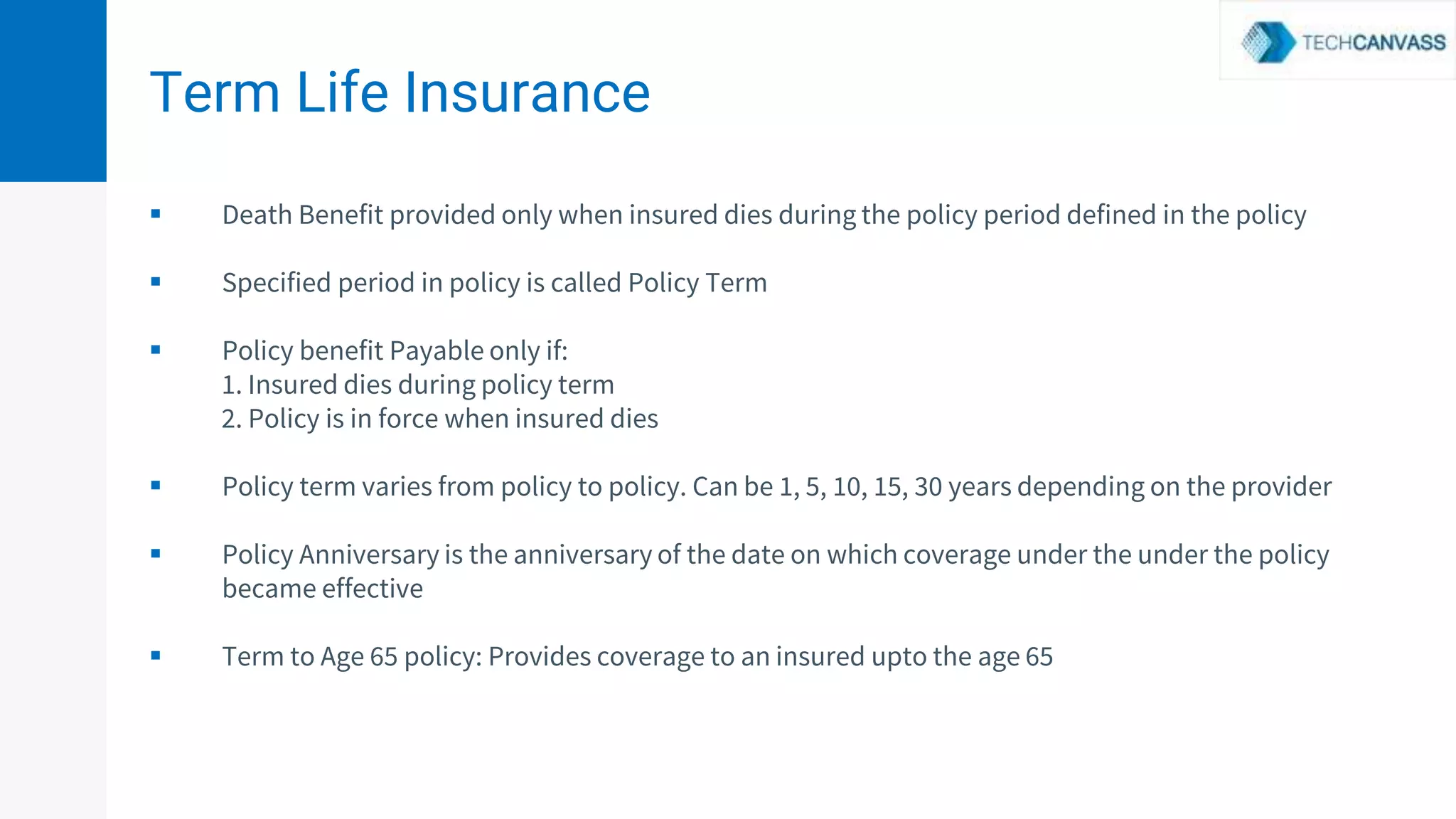
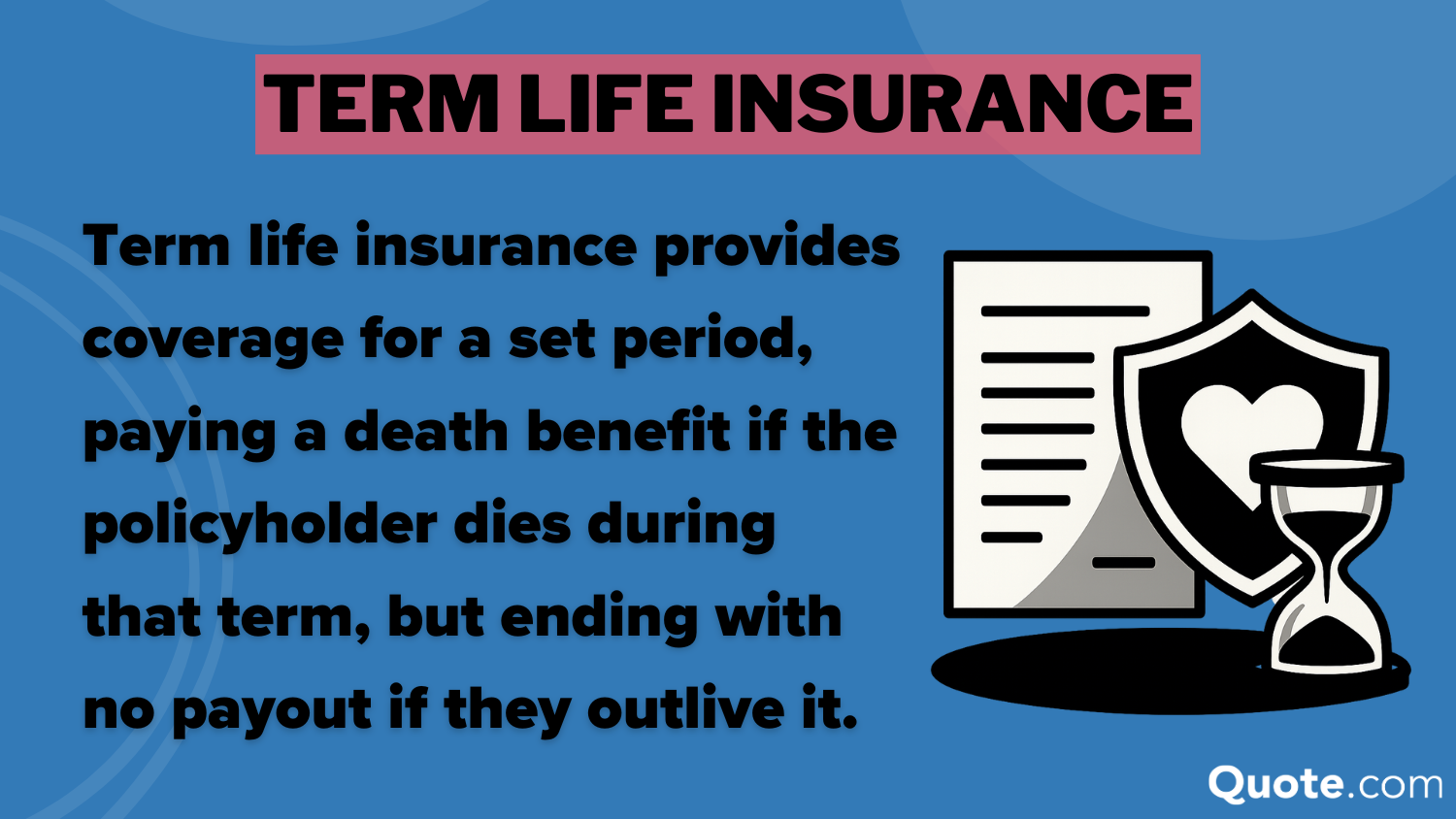
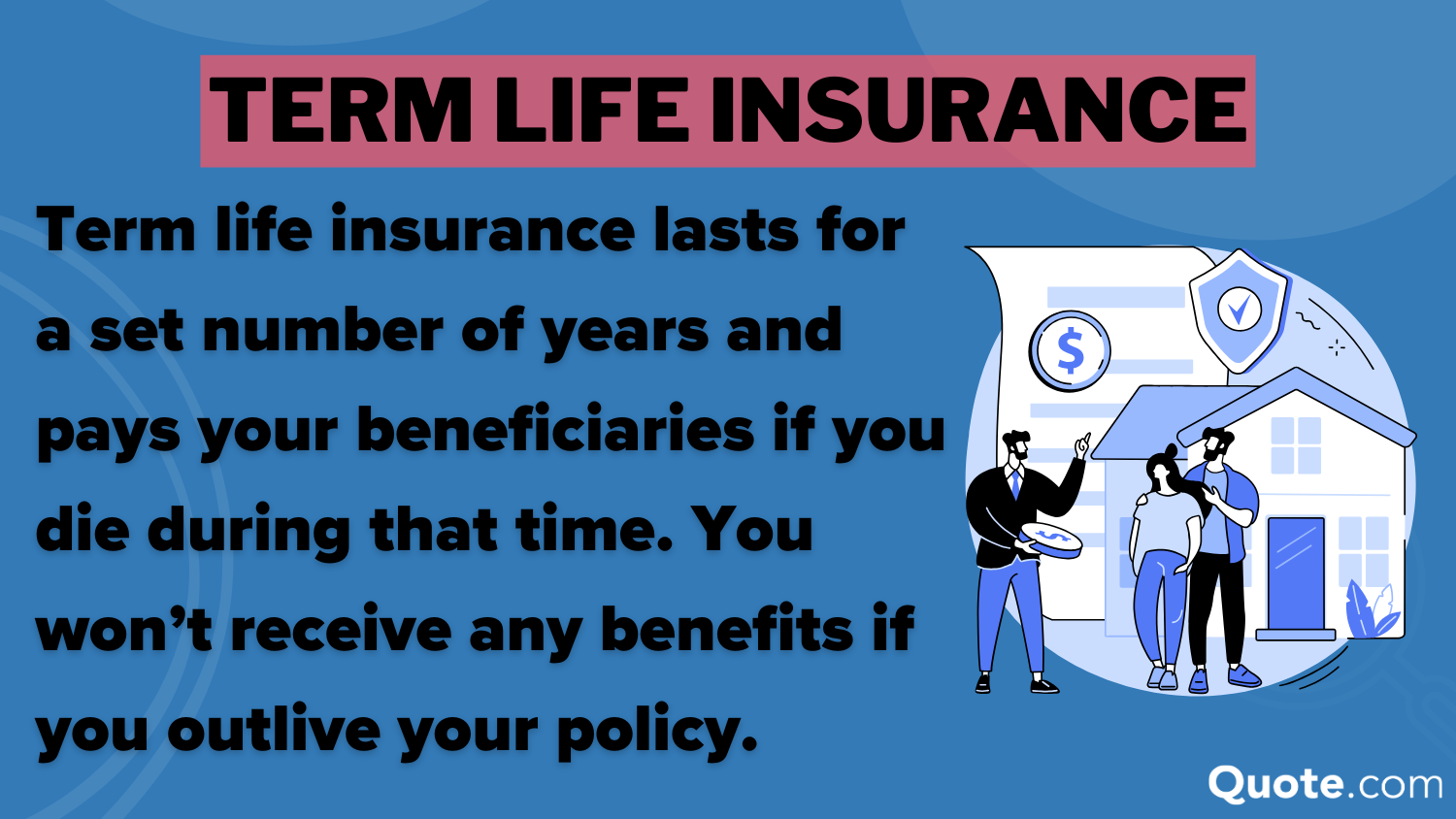
| Term Life | Pure death benefit for a fixed period. | Expiration date and renewability options. |
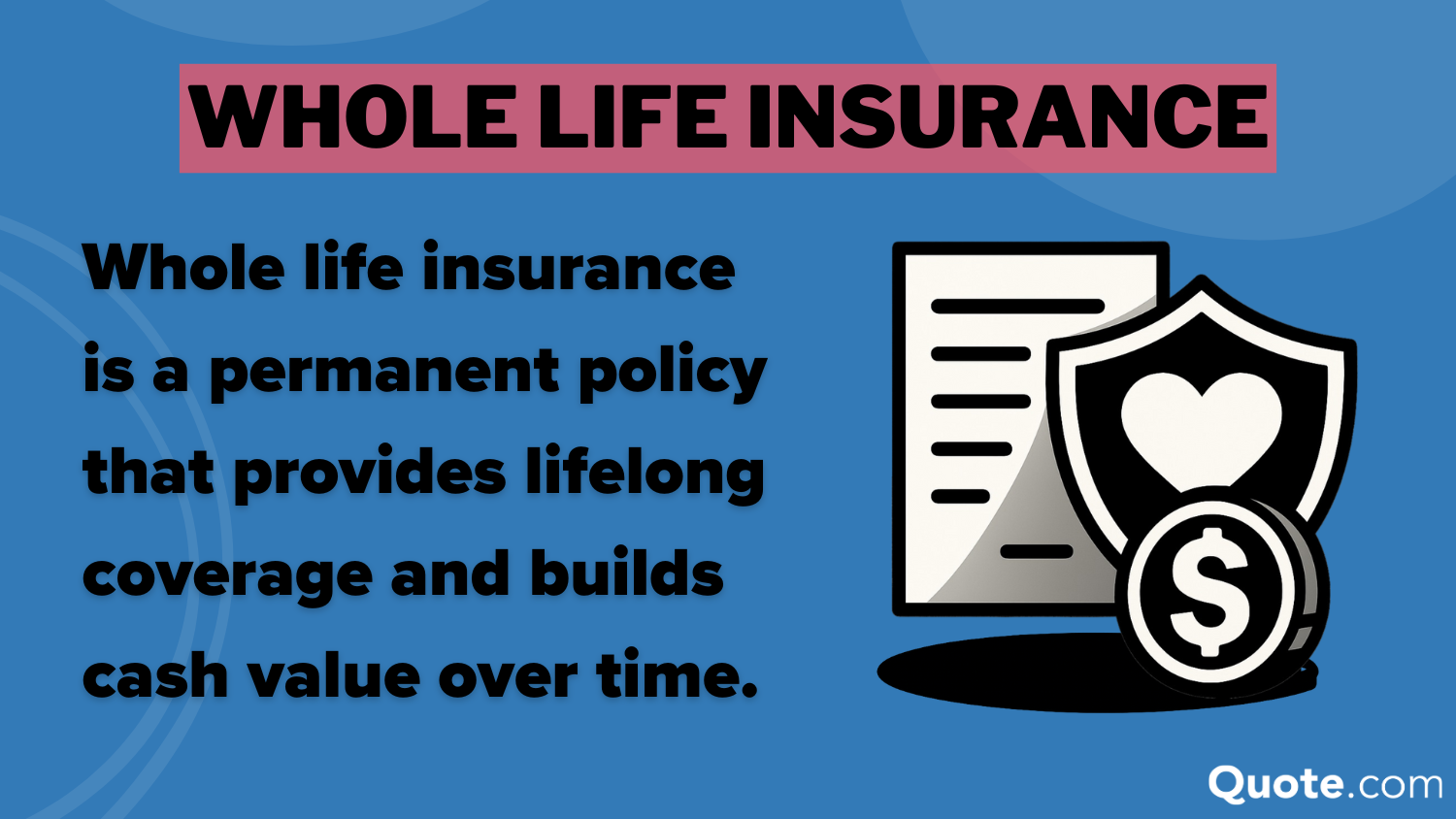
| Whole Life | Lifetime coverage with cash value growth. | Premium payment schedule and dividend participation. |
| Universal Life | Flexible premiums and adjustable death benefit. | Interest crediting rates and cost-of-insurance deductions. |
| Group Life | Employer-provided coverage. | Portability clauses and termination-of-employment rules. |
Prerequisites for Reviewing Coverage
Before you can effectively analyze your life insurance coverage, you need to gather the necessary documentation and information.
- Locate the Policy Jacket: This is the complete package of documents sent to you when the policy was issued. If you have misplaced it, you can request a duplicate copy from your insurance company’s customer service department.
- Verify the Status: Ensure the policy is "in force." A policy that has lapsed due to non-payment of premiums will provide no coverage, regardless of what the description says.
- Check for Riders: Riders are supplemental benefits attached to your base policy, such as "Accelerated Death Benefit" or "Accidental Death and Dismemberment." These are often listed as separate endorsements within your documentation packet.
- Confirm Personal Details: Check the spelling of names, dates of birth, and social security numbers. Even minor clerical errors on the description of coverage can lead to significant delays during the claims verification process.
Operational Limitations and Exclusions
No life insurance policy provides universal protection. The description of coverage will explicitly state the limitations that restrict when and how the benefit is paid.
For instance, most policies issued in 2026 contain an Incontestability Clause. This usually lasts for two years. During this time, the insurance company reserves the right to investigate the medical history and application data provided by the insured. If they discover material misrepresentations—such as a failure to disclose a chronic health condition or smoking status—the insurer may have the right to deny the claim or rescind the policy entirely.
Furthermore, pay close attention to the Grace Period provision. This describes how long you have to pay an overdue premium before the policy officially lapses. Understanding the grace period can be the difference between a paid claim and a denied one if a payment is accidentally missed.
Common Misunderstandings
One of the most frequent errors policyholders make is confusing the "Cash Value" in a permanent policy with the "Death Benefit." The cash value is an account accessible to the owner during their lifetime, while the death benefit is the amount paid to the beneficiaries upon the death of the insured. Your description of coverage will clarify which amounts are guaranteed and which are projections based on market performance or interest rates.
Another common issue is the assumption that "Accidental Death" is included in standard policies. In many cases, it is a separate rider. If you believe your policy provides extra coverage for accidents, verify that the "Accidental Death" rider is explicitly listed in your documentation.
Practical Guidance for Policy Maintenance
To ensure your life insurance remains aligned with your needs, follow these maintenance steps:
- Annual Review: Set a reminder to review your policy documents every year. Use this time to update your address, contact information, and beneficiary details.
- Store Securely: Keep your description of coverage in a fireproof box or a secure digital vault where your beneficiaries can easily find it in the event of an emergency.
- Consult a Professional: If the language in your policy seems overly complex, do not hesitate to contact your insurance agent or a financial advisor. They can translate the technical jargon into plain language and ensure the policy still fits your long-term financial goals.
- Report Changes: If your health status improves significantly (e.g., you quit smoking or reach a lower weight category), you may be able to request a policy review to see if you qualify for lower premiums, though this may require a new medical underwriting process.
Frequently Asked Questions
What happens if my description of coverage differs from what my agent told me? The written policy contract is the final authority. Statements made by an agent during the sales process are generally considered non-binding if they are not explicitly written into the policy document. Always review the written policy as soon as it arrives to ensure it matches your expectations.
Can I increase the death benefit later? It depends on the policy type. Term policies often require you to buy a new policy or convert to a permanent one. Universal or whole life policies may allow you to increase the death benefit, but this usually requires new medical underwriting to prove you are still insurable.
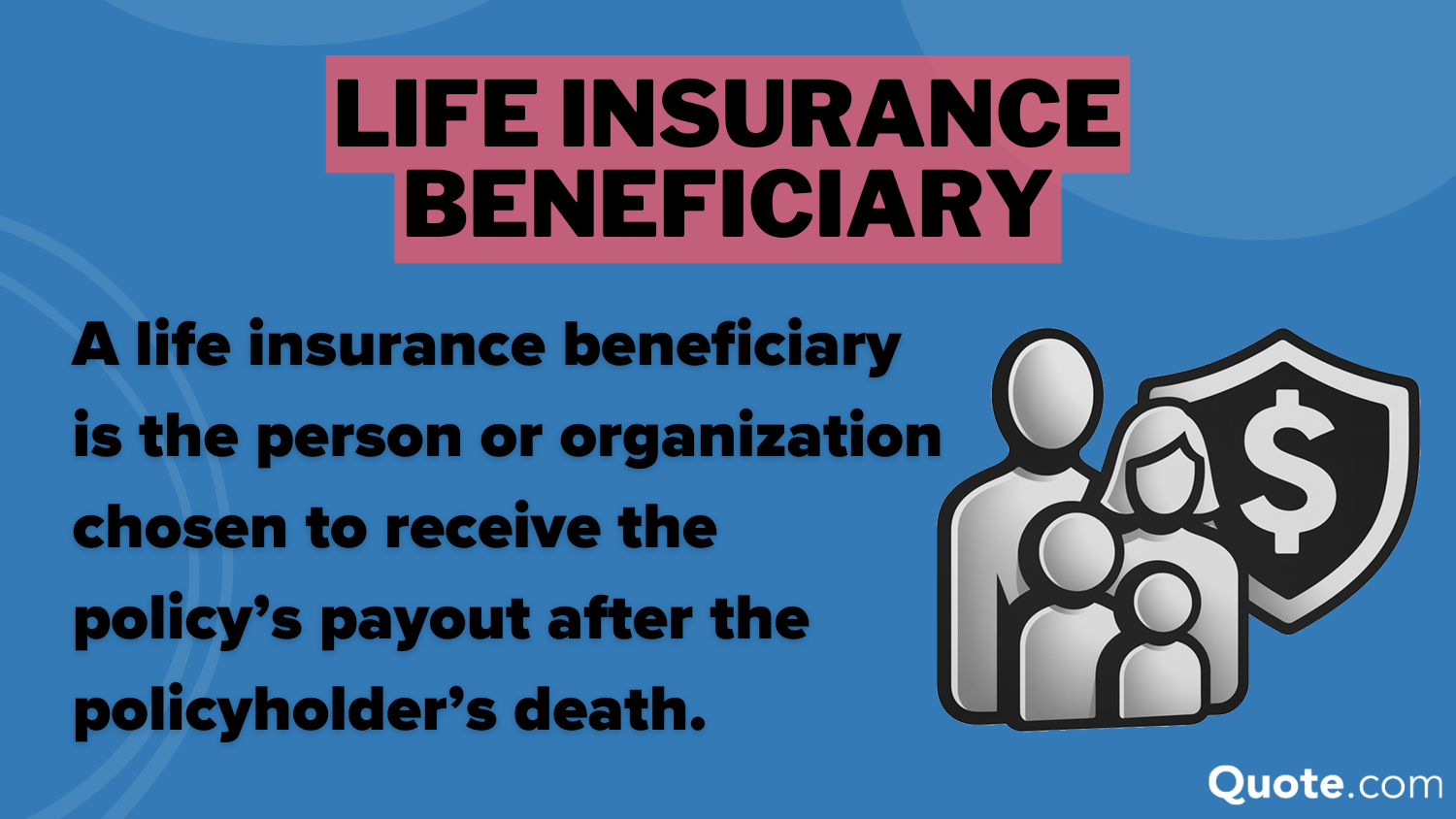
What is the difference between a primary and contingent beneficiary? The primary beneficiary is the first person to receive the death benefit. The contingent beneficiary receives the benefit only if the primary beneficiary has predeceased the policyholder. Ensure you have both listed to prevent the death benefit from falling into probate.
How can I verify if my policy is still active? You can contact the insurer’s policyholder service department or log into their official web portal. Ensure you have your policy number ready. Do not rely on old statements, as they only reflect the status of the policy at the time the statement was generated.
Is the death benefit taxable? Generally, the death benefit from a life insurance policy is received by the beneficiary income-tax-free. However, there are exceptions, such as if the policy was transferred for valuable consideration or if it is part of a very large estate subject to federal estate taxes. Consult with a tax professional regarding your specific situation.
Final Next Action
Locate your original insurance policy documentation today. Review the "Declarations Page" to confirm that the death benefit amount is sufficient for your current financial obligations and verify that your designated beneficiaries are accurate. If you cannot find your documents, contact your insurance provider immediately to request a certified copy of your current description of coverage.
Image Gallery