How to Choose the Right Corporate Apparel Online Store
Selecting the right corporate apparel online store requires evaluating six core criteria: platform technology (such as custom employee storefronts and ERP integrations), product catalog quality, decoration techniques, pricing transpare...
Selecting the right corporate apparel online store requires evaluating six core criteria: platform technology (such as custom employee storefronts and ERP integrations), product catalog quality, decoration techniques, pricing transparency, fulfillment flexibility, and dedicated customer support. Assessing these factors ensures scalable procurement, brand consistency, and seamless ordering experiences for hybrid, remote, and office teams.
Contents
Evaluate B2B Store Technology and Portal Capabilities
Modern corporate apparel procurement goes far beyond browsing a standard e-commerce catalog. Organizations purchasing branded merchandise for hundreds or thousands of employees need sophisticated platform technology that simplifies administrative overhead while maintaining strict brand controls.
Custom Employee Storefronts vs. Public Catalogs
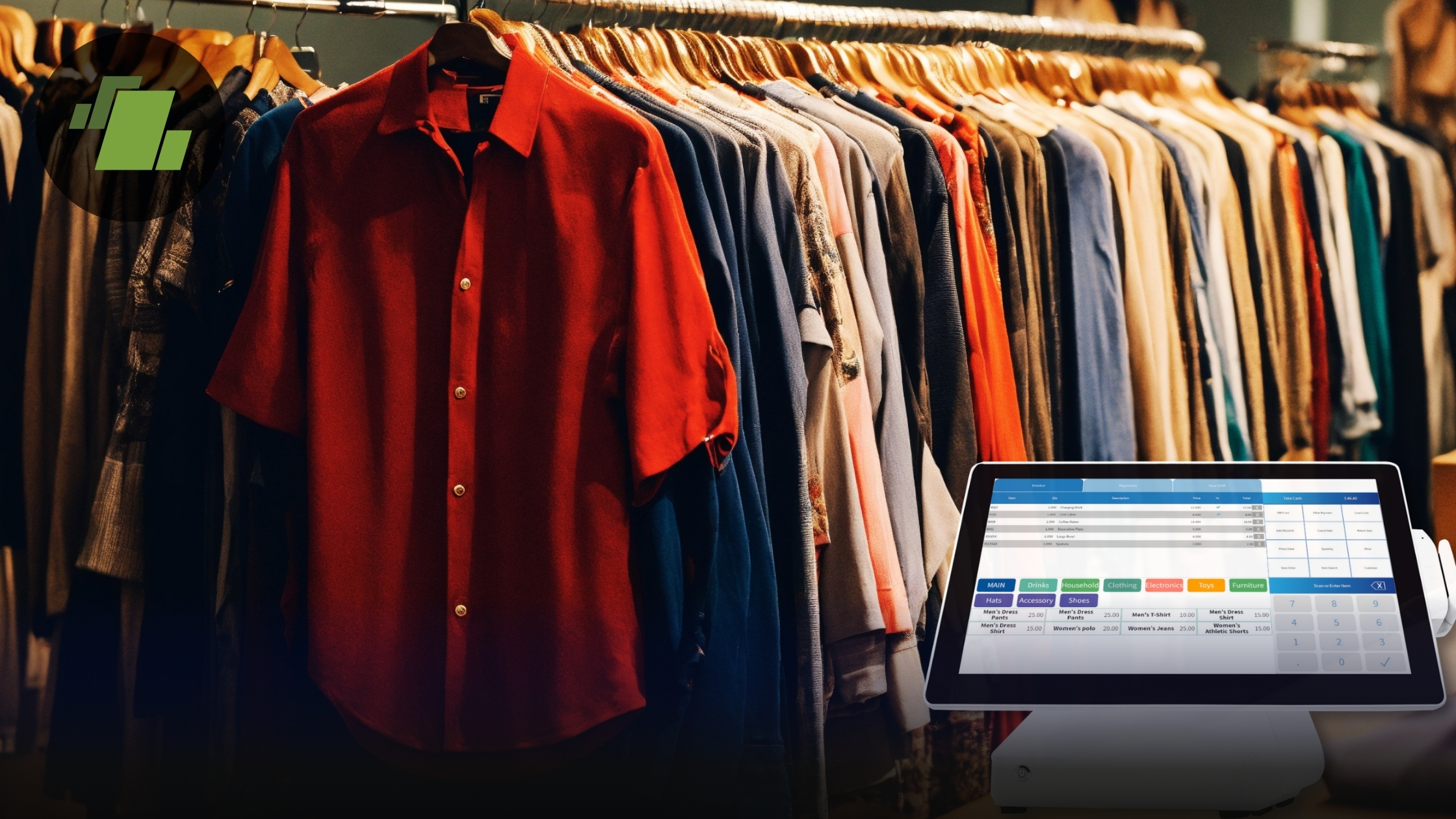
A primary distinction when choosing a provider is whether they offer dedicated B2B store portals. Unlike public retail sites, custom company stores allow administrators to curate a specific catalog of pre-approved garments, restricting colors, styles, and logo placements to match corporate brand guidelines. This prevents employees from ordering off-brand colors or unauthorized garments while giving them autonomy over sizing and delivery addresses.
Allowance and Stipend Management
If your organization provides annual uniform allowances, onboarding gear credits, or executive reward stipends, the online platform must support automated gift code or stipend tracking. Advanced corporate store platforms enable administrators to assign digital credits to specific user profiles, set expiration dates, and automatically bill excess spend directly to individual credit cards while routing approved baseline costs to central accounts payable.
ERP Integration and Enterprise SSO
Enterprise organizations should verify whether the corporate apparel store supports Single Sign-On (SSO) protocols such as SAML 2.0, Okta, or Azure Active Directory. SSO integration ensures secure access without requiring employees to manage separate login credentials. Furthermore, enterprise resource planning (ERP) and e-procurement integrations via PunchOut protocols (such as SAP Ariba, Coupa, or Workday) streamline purchase orders, automated invoicing, and budget approval workflows directly within your company’s existing financial infrastructure.
Assess Decoration Capabilities and Quality Standards
The longevity and appearance of your corporate apparel depend heavily on the vendor’s customization equipment, technical expertise, and quality control processes. Poorly executed logos erode brand identity and result in wasted budget.
| Decoration Method | Best Used For | Key Quality Indicators |
|---|---|---|
| Embroidery | Polos, Jackets, Dress Shirts | High stitch count, clean backing |
| Screen Printing | High-volume T-shirts, Events | Crisp edges, vibrant PMS matching |
| Direct-to-Film | Complex full-color logos | Soft hand-feel, stretch recovery |
| Laser Etching | Fleece, Outerwear, Performance | Subtle tone-on-tone precision |
Embroidery Precision and Digitizing
Embroidery is the gold standard for corporate polos, jackets, and woven shirts. When evaluating an online store, ask about their logo digitizing process—the conversion of digital artwork into vector stitch files (such as .DST format). Quality embroidery relies on appropriate stitch density, underlay stitching to prevent garment show-through, and premium polyester or rayon thread that resists fading during industrial laundering. Request physical stitch samples to examine backing materials; heavy, scratchy backings indicate subpar finishing that impairs employee comfort.
Print Technologies: Screen Printing, DTG, and DTF
For casual wear, promotional t-shirts, and event apparel, traditional screen printing remains cost-effective for large production runs. However, for smaller on-demand orders or intricate multi-color logos, Direct-to-Garment (DTG) or Direct-to-Film (DTF) technologies are superior. DTF printing yields durable, high-definition prints that retain color vibrancy across repeated wash cycles without cracking. Confirm that the vendor utilizes Pantone Matching System (PMS) color target matching to guarantee brand accuracy across different garment fabrics.
Review Product Catalog Quality, Brands, and Sustainability
Garment quality directly impacts employee adoption. Apparel that shrinks, loses shape, or fits poorly will sit in closets rather than promoting your company in the field or office.
Retail Co-Branding Partnerships
Top-tier corporate apparel providers hold authorized distributor relationships with recognized retail brands such as Patagonia, The North Face, Nike, Carhartt, Eddie Bauer, and OGIO. Co-branding corporate logos alongside respected retail labels raises perceived value and employee appreciation. Verify whether the vendor holds direct authorization from these brands, as unauthorized decorators may void manufacturer warranties or deliver grey-market goods.
Size Inclusivity and Fit Standards
A comprehensive corporate apparel partner must cater to diverse workforce demographics. Ensure the catalog offers consistent sizing options ranging from XS to 4XL or 5XL, along with dedicated men’s, women’s, and unisex cuts. Review the vendor's detailed size charts and garment specification sheets, which should detail chest widths, body lengths, and fabric blend compositions (e.g., moisture-wicking polyester, ring-spun cotton, or tri-blends).
Sustainable and Ethical Sourcing
Environmental, Social, and Governance (ESG) criteria are increasingly vital in procurement decisions. Inspect whether the vendor offers sustainable apparel lines certified by independent third parties:
- Global Recycled Standard (GRS): Verifies recycled content in synthetic fabrics like recycled polyester (rPET).
- Organic Content Standard (OCS) or GOTS: Ensures organic fiber traceability from farm to finished garment.
- OEKO-TEX Standard 100: Certifies that finished garments are free from harmful levels of toxic substances.
- Fair Labor Association (FLA) / WRAP: Validates ethical manufacturing environments and fair labor practices.
Analyze Fulfillment, Logistics, and Inventory Models
Evaluating how an online store manages inventory and fulfills orders is essential to avoiding stockouts, backorders, and delayed event rollouts.
Bulk Stocking vs. On-Demand Production
Corporate apparel online stores generally operate under three primary fulfillment models:
- On-Demand Printing/Embroidery: Items are decorated individually after an order is placed. This eliminates inventory risk and upfront capital investment but carries slightly longer turnaround times per order.
- Pre-Decorated Bulk Warehousing: Garments are decorated in advance in bulk quantities and stored in the vendor’s warehouse for rapid pick-and-pack distribution (often shipping within 24–48 hours).
- Blank Garment Stocking with On-Demand Finishing: Blank apparel is held in inventory, with customization applied upon order receipt, striking a balance between fast turnaround and low inventory exposure.
Kitting and Distributed Drop-Shipping
With remote and hybrid workforces established worldwide, shipping bulk boxes to a central headquarters is often insufficient. Ensure the vendor supports individual address drop-shipping with global logistics capabilities. If you host annual conferences, trade shows, or new-hire onboarding, confirm whether the vendor offers kitting services—assembling custom gift boxes containing apparel, drinkware, and welcome cards inside branded packaging.
Audit Pricing Structures, Minimums, and Transparency
Unexpected setup fees and ambiguous pricing structures can derail procurement budgets. A trustworthy supplier provides transparent, itemized quotes before work begins.
Understanding Minimum Order Quantities (MOQs)
Different decoration methods carry varying production thresholds. Screen printing usually requires minimums (e.g., 24 to 72 units per design) due to the labor-intensive screen preparation process. Conversely, digitizing logos for embroidery or using digital heat transfers often enables low minimums or true single-piece ordering. Clarify whether your store requires bulk baseline commitments or allows zero-MOQ reordering for newly hired staff.
Cost Breakdown Matrix
When reviewing vendor pricing, ensure all potential cost components are explicitly defined:
| Cost Component | Typical Pricing Structure | Potential Hidden Fee Risk |
|---|---|---|
| Blank Garment Cost | Tiered volume pricing based on unit count | Price hikes on larger sizes (3XL+) |
| Digitizing / Setup Fees | One-time fee per logo ($30–$75) | Re-charging for minor size edits |
| Decoration Run Charges | Price per location based on stitch count or colors | Extra charge for metallic thread |
| Personalization | Fixed add-on per garment (e.g., employee name) | High per-unit individual fee |
| Warehousing & Storage | Monthly pallet fee or percentage of inventory value | Undisclosed dead-stock fees |
| Kitting & Custom Packaging | Per-box assembly charge ($3–$10) | Packaging material markups |
Vendor Evaluation Matrix
Use the matrix below to compare potential corporate apparel suppliers during your Request for Proposal (RFP) process:
| Evaluation Criteria | High-Volume Managed Store | On-Demand E-Commerce Store | Local Promotional Distributor |
|---|---|---|---|
| Ideal For | Enterprises (500+ employees) | Mid-market & remote teams | One-off local events |
| Setup Cost | Moderate to High | Low to None | None |
| Minimum Orders | Zero MOQ for end users | Low to Zero MOQ | High bulk minimums |
| Turnaround Time | 2–5 business days | 7–14 business days | 10–15 business days |
| Custom Portal / SSO | Advanced SSO & ERP integration | Basic portal / Gift codes | Rarely available |
| Global Shipping | Multi-node international shipping | Standard carrier shipping | Local/Regional delivery only |
| Dedicated Support | Assigned Account Executive | Queue-based ticketing | Direct local representative |
Request Samples and Test Customer Support
Never execute a long-term corporate store contract without physically evaluating product samples and testing customer communication channels.
Physical Sampling vs. Virtual Proofs
Virtual digital proofs are adequate for checking logo positioning and sizing proportions, but they cannot represent thread tension, fabric weight, or tactile quality. Request pre-production physical samples of decorated garments—especially for flagship items like executive jackets or primary polo shirts. Evaluate stitch clarity, check seam strength, and conduct test washes to verify colorfastness and garment shrinkage.
Support Infrastructure and Account Management
Inquire about customer service SLAs (Service Level Agreements). Does the provider assign a dedicated account manager to handle store updates, artwork approvals, and backorder mitigation? Test their responsiveness during the evaluation phase by asking technical questions regarding garment blends or export customs requirements for international shipments.
Frequently Asked Questions
What is the difference between an on-demand corporate store and an inventoried employee store?
An on-demand store decorates garments only after an employee places an order, eliminating upfront inventory investment and warehouse storage fees. An inventoried store decorates garments in advance in bulk quantities, holding them in a warehouse for fast 24 to 48-hour fulfillment. On-demand stores fit flexible, ongoing employee ordering, while inventoried stores suit predictable, high-volume uniform rollouts.
How do corporate apparel platforms handle employee spending stipends?
Corporate store platforms manage stipends by assigning digital allowances or gift balances to specific user accounts linked to company email domains. Employees log in, select pre-approved apparel up to their allocated dollar amount, and enter a personal payment method at checkout if their order total exceeds the assigned credit balance. Administrators receive detailed reporting on stipend redemption rates and central billing.
Why do digitizing and setup fees apply to embroidery orders?
Digitizing is the specialized technical process of converting a digital graphic file into a computerized stitch pattern file that controls embroidery machine needles, thread colors, stitch paths, and stitch density. Setup fees cover the labor required to perform this conversion, create physical test sew-outs for quality verification, and prepare machine hoops and thread colors prior to production.
How far in advance should bulk corporate apparel be ordered for events?
For large event orders (over 250 units), begin vendor discussions 6 to 8 weeks prior to the event date. This window allows time for artwork approval, physical sampling, blank garment sourcing, production decoration runs, quality control checks, and ground transit. On-demand orders through custom employee stores typically require 10 to 14 business days from order placement to doorstep delivery.
How can companies minimize return rates due to improper sizing?
To reduce size-related returns, select suppliers that publish precise measurement guides (in inches and centimeters) directly on each product page, detailing chest, sleeve, and waist dimensions. Additionally, offering sample fit kits—a set of undecorated garments in every size sent to office hubs prior to ordering—allows employees to try on garments first, ensuring accurate sizing choices.
Final Recommendation and Next Steps
Choosing the right corporate apparel online store requires balancing platform features, garment quality, decoration precision, and operational costs. To begin your selection process:
- Define Core Requirements: Determine your total annual garment volume, global distribution needs, budget controls, and integration requirements (such as SSO or ERP connection).
- Issue a Targeted RFP: Request proposals from candidate suppliers, asking for transparent fee breakdowns, platform demonstrations, and evidence of eco-friendly certifications.
- Evaluate Samples: Order physical decorated samples of your core garments to test thread quality, embroidery backing, fabric comfort, and wash durability.
- Launch a Pilot Program: Run a limited catalog storefront for a single department or event to assess turnaround times, fulfillment accuracy, and customer support responsiveness before rolling out the portal company-wide.
Image Gallery