Changing a Life Insurance Beneficiary After Divorce Papers
Changing a life insurance beneficiary after filing divorce papers is a critical financial step that requires immediate attention to ensure that your death benefit aligns with your current estate planning goals. While filing for divorce...
Changing a life insurance beneficiary after filing divorce papers is a critical financial step that requires immediate attention to ensure that your death benefit aligns with your current estate planning goals. While filing for divorce initiates the legal separation process, it does not automatically revoke a beneficiary designation on a life insurance policy, meaning your ex-spouse may remain the legal recipient of the proceeds until you officially update the policy documents with the insurer.
Contents
The Legal Distinction Between Divorce and Beneficiary Status
One of the most common misconceptions regarding life insurance during a separation is the assumption that a divorce decree automatically overrides policy designations. In most jurisdictions, life insurance is governed by contract law rather than inheritance law. When you sign a life insurance policy, you enter into a binding agreement with the insurance company. The insurance carrier is obligated to pay the death benefit to the person named on the beneficiary form currently on file, regardless of changes in your marital status.
If you have served or been served with divorce papers, you are in a transitional period. However, until a final decree is issued—and often even after—your life insurance policy remains a separate asset unless it is specifically addressed in your settlement agreement. If you pass away before the policy is updated, the insurance company will process the claim based on the information provided at the time of the policy’s inception or most recent update, potentially leaving your ex-spouse as the primary beneficiary.
Risks of Delaying Changes During Divorce
Waiting to update your beneficiary status can lead to significant financial and legal complications. If the divorce process is lengthy, or if you encounter unexpected health issues during the proceedings, the risk of an unintended beneficiary receiving the payout becomes acute.
- Unintended Payouts: If you die while divorce papers are pending, the insurance company is legally bound to pay your spouse. This often defeats the intent of the policyholder, especially if the goal is to provide for children or other dependents.
- Legal Disputes: If your estate attempts to challenge the payment, the litigation can be costly and prolonged. Courts generally uphold the beneficiary designation on file, making it very difficult for heirs to claim the money.
- Contradictory Instructions: You may have a will or trust that excludes your ex-spouse, but these legal documents often do not supersede the beneficiary designation on a life insurance contract.
Prerequisites Before Updating Your Beneficiary
Before you contact your insurance provider to request a change, you must verify the legal and contractual constraints surrounding your policy.
- Review the Settlement Agreement: Before making any changes, review your pending divorce settlement or temporary court orders. Some states have "automatic temporary restraining orders" (ATROs) that prevent parties from changing insurance beneficiaries while a divorce is in progress. Violating these orders can lead to severe penalties or contempt of court charges.
- Identify Policy Type: Determine if your policy is an individual policy or a group policy provided by an employer. Employer-provided plans often have different administrative workflows and may require a specific human resources portal update.
- Gather Policy Documents: You will need your policy number, the full legal name of the new beneficiary, their social security number, and their relationship to you.
Step-by-Step Procedure to Update Beneficiaries
Once you have confirmed that you are legally permitted to change the beneficiary—meaning there are no court-ordered restrictions in place—you can proceed with the update.
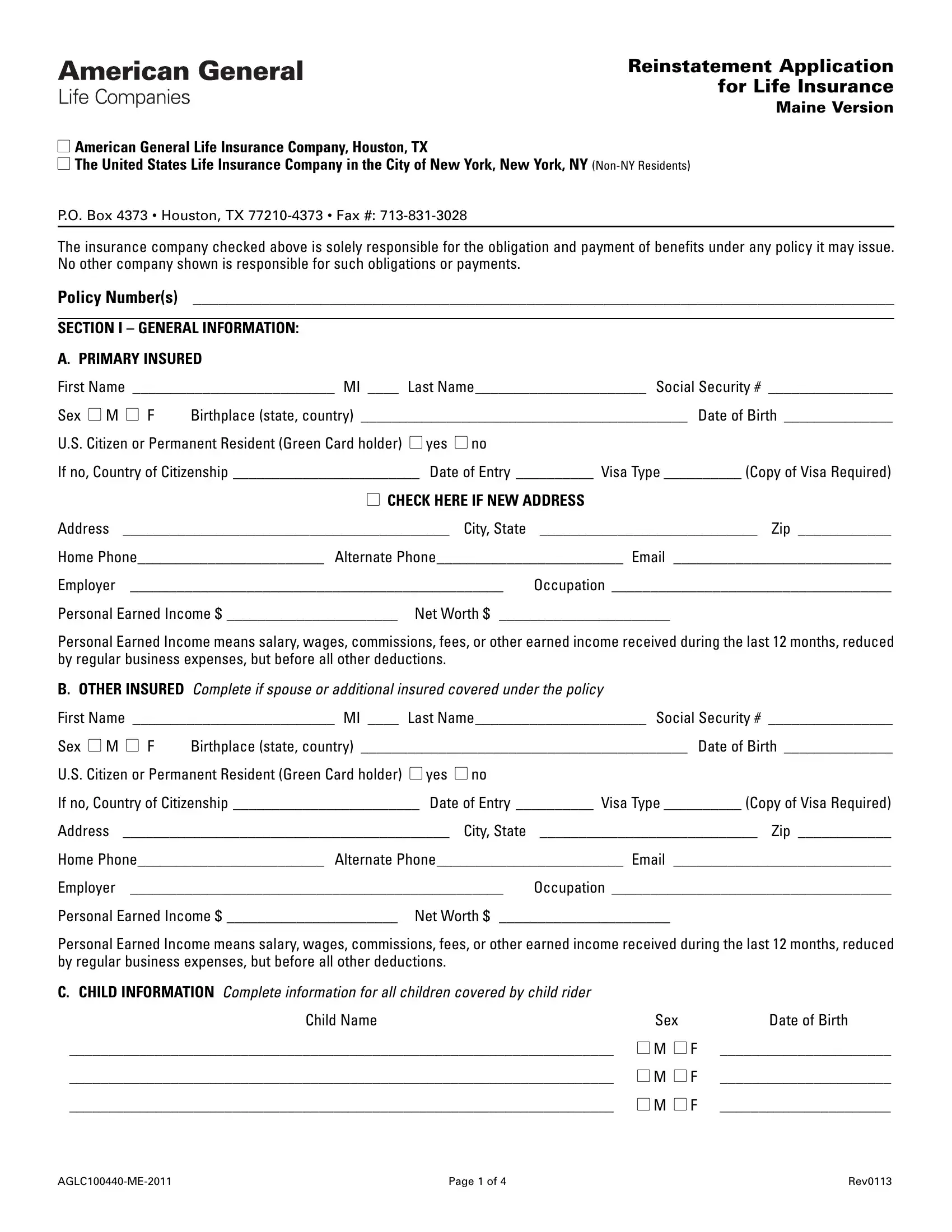
- Request a Change of Beneficiary Form: Contact your insurance agent or the company’s customer service department directly. Most insurers have a standardized "Change of Beneficiary" form that must be completed.
- Complete the Form Accurately: Ensure that all information provided is accurate. Use full legal names, not nicknames. If you are naming multiple beneficiaries, specify the percentage each should receive, ensuring the total equals 100%.
- Designate Contingent Beneficiaries: It is a best practice to name a secondary (contingent) beneficiary. This person or entity will receive the death benefit if your primary beneficiary passes away before you do.
- Submit and Confirm: Submit the form through the required channel (portal, mail, or secure email). Do not assume the change has been made until you receive written confirmation from the insurance carrier. Request a copy of the updated beneficiary designation for your personal records.
Comparison of Beneficiary Options
When deciding who to name as your new beneficiary, consider the following table to understand the implications of different designations.
| Beneficiary Type | Flexibility | Control | Common Use Case |
|---|---|---|---|
| Individual (Adult) | High | Direct access to funds | Providing for a new partner or adult child. |
| Minor Child | Low | Managed by a guardian | Payout usually held in court-monitored accounts. |
| Trust | Low | High management | Ensuring funds are used according to specific terms. |
| Estate | None | Subject to probate | Paying off debts; can be time-consuming. |
Technical Considerations and Limitations
When navigating this process, be aware of the "irrevocable beneficiary" designation. In some divorce settlements, a court may order you to keep an ex-spouse as a beneficiary to secure alimony or child support payments. If your policy has an irrevocable beneficiary designation, you cannot change it without the ex-spouse’s written consent. Attempting to bypass this restriction can lead to significant legal repercussions.
Furthermore, if you are designating a minor as a beneficiary, keep in mind that insurance companies generally cannot pay death benefits directly to a minor. If you do not name a custodian or a trust, the court will likely appoint a guardian to manage the funds, which involves ongoing legal fees and oversight. Utilizing a trust is often the most effective way to ensure the money is handled as you intended.
Frequently Asked Questions
Does a divorce decree automatically cancel a beneficiary designation? No. In most cases, a divorce decree does not automatically update your life insurance beneficiary. You must manually contact your insurance company and submit a change of beneficiary form to ensure the policy reflects your current wishes.
What happens if a court order forbids me from changing my beneficiary? If a court order or settlement agreement stipulates that you must maintain your ex-spouse as a beneficiary—often to secure child support or alimony—you must abide by that order. Attempting to change it without legal authorization can result in being held in contempt of court.
Can I name my children as beneficiaries while they are still minors? While you can name a minor as a beneficiary, it is rarely recommended to do so directly. Because minors cannot legally manage large sums of money, the court will typically appoint a guardian, which can be expensive and restrictive. Consulting an attorney to set up a trust is the preferred method.
How do I confirm the change has been processed? Always request a written confirmation (a "beneficiary update confirmation letter") from your insurance company. If you do not receive one within a few weeks, follow up with their customer service department to ensure your request was received and processed.
Is there a cost to change a beneficiary? Generally, there is no fee to change a beneficiary on a life insurance policy. However, you should consult with your legal advisor regarding the potential tax implications or the cost of setting up a trust if you choose to go that route.
Final Recommendation
The most critical action you can take is to verify the existence of any court-mandated restrictions in your divorce filings. If you are legally cleared to make changes, do so immediately by requesting the official change of beneficiary form from your insurer. Ensure you provide clear, unambiguous details, and always secure a written confirmation of the update. For complex financial situations or if you have significant assets, consult with an attorney or financial planner to ensure that your beneficiary changes are properly integrated into your broader estate plan.
Disclaimer: This article is for informational purposes only and does not constitute legal or financial advice. Laws regarding divorce and life insurance vary significantly by jurisdiction. Consult with a qualified legal professional regarding your specific situation before making changes to your insurance policies.
Image Gallery