How to Choose Wisconsin Online Auto Insurance
Choosing Wisconsin online auto insurance requires balancing mandatory state liability minimums with digital platform features, coverage tiers, and digital claims processing efficiency. Navigating the online market effectively involves...
Choosing Wisconsin online auto insurance requires balancing mandatory state liability minimums with digital platform features, coverage tiers, and digital claims processing efficiency. Navigating the online market effectively involves evaluating digital quote tools, understanding statutory limits mandated by the Wisconsin Office of the Commissioner of Insurance, and comparing options across digital-first carriers and traditional insurers.
Contents
Understanding Wisconsin Auto Insurance Requirements
Before evaluating online auto insurance platforms, you must understand the statutory baseline established by the state of Wisconsin. Operating a motor vehicle legally within the state requires meeting specific financial responsibility limits. Unlike states with no-fault insurance systems, Wisconsin operates under a traditional tort liability system. This means the driver at fault for an accident is financially responsible for the resulting injuries and property damage.
The mandatory minimum liability limits for Wisconsin drivers are commonly expressed as split limits:
- $25,000 for injury or death of one person in any one accident.
- $50,000 for injury or death of two or more people in any one accident.
- $10,000 for property damage in any one accident.
These figures represent the absolute legal minimums. Relying solely on these limits can expose personal assets to significant financial risk in a serious collision. Online quoting tools typically allow you to increase these limits to $100,000/$300,000/$100,000 or higher, which provides a much safer buffer against catastrophic lawsuits.
Mandatory Uninsured and Underinsured Motorist Coverage
In addition to standard liability limits, Wisconsin law mandates that every auto insurance policy include uninsured motorist (UM) coverage. The statutory minimums for UM coverage are $25,000 per person and $50,000 per accident. Uninsured motorist coverage protects you if you are in an accident caused by a driver who carries no liability insurance at all.
Underinsured motorist (UIM) coverage is not legally mandatory in Wisconsin, but insurers are required to offer it. UIM coverage activates when the at-fault driver's liability limits are too low to cover the full cost of your medical bills and damages. Selecting robust UIM limits online is a critical step in safeguarding your financial well-being against underinsured motorists.
Leveraging Online Platforms for Comparison and Quotes
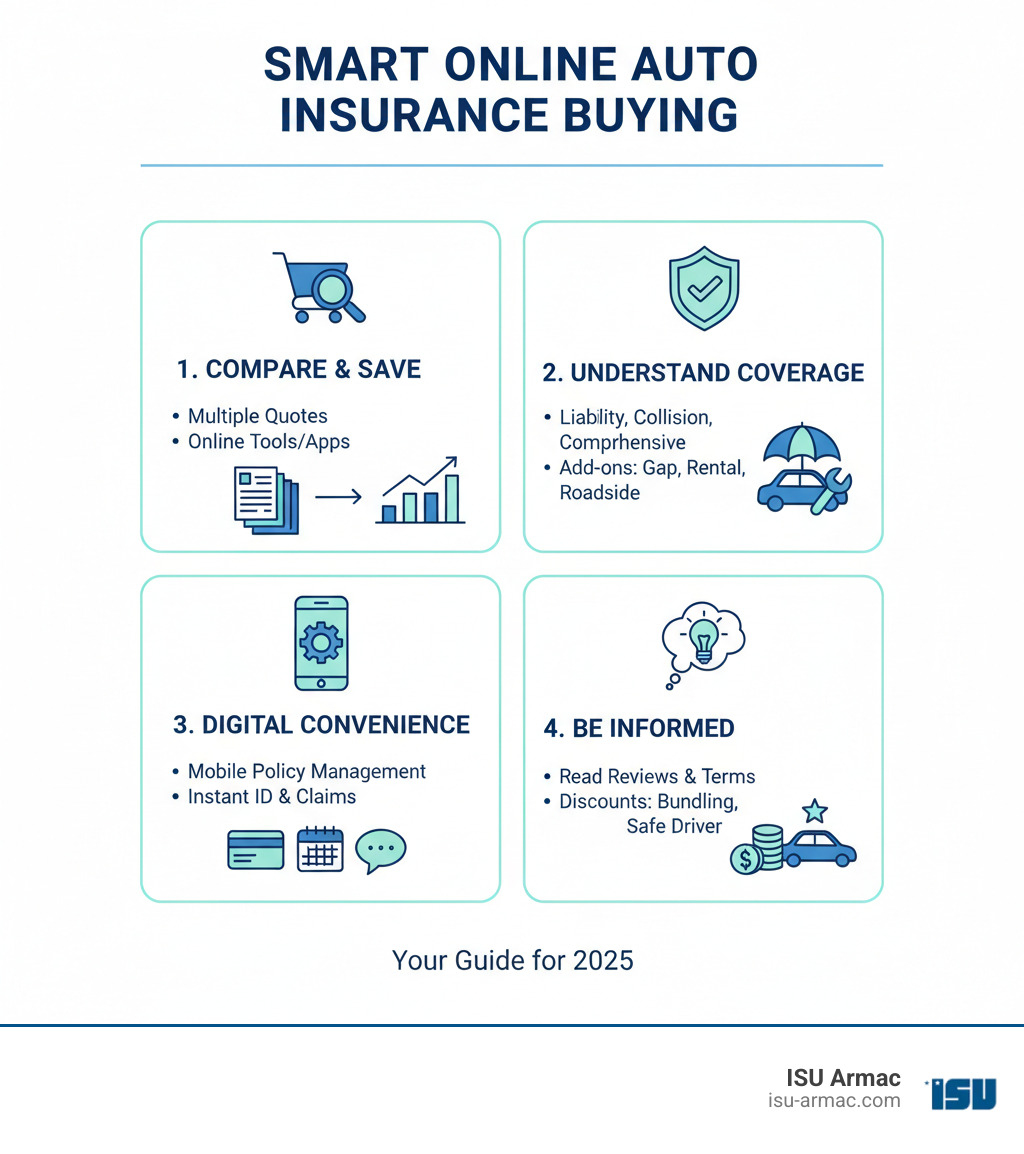
The transition to digital insurance marketplaces has transformed how consumers shop for coverage. Online aggregators, direct-to-consumer digital carriers, and established legacy insurance websites allow you to pull quotes within minutes. However, navigating these platforms requires a structured approach to ensure you receive accurate and comparable rates.
Gathering Necessary Information Before You Start
To ensure the online quote reflects your true risk profile, assemble the following documents and details before inputting data into an insurance portal:
- Driver's License Information: For all household drivers listed on the policy.
- Vehicle Identification Number (VIN): Or the exact year, make, model, and annual mileage estimate for each vehicle.
- Driving History: A record of accidents, traffic violations, and claims from the past three to five years.
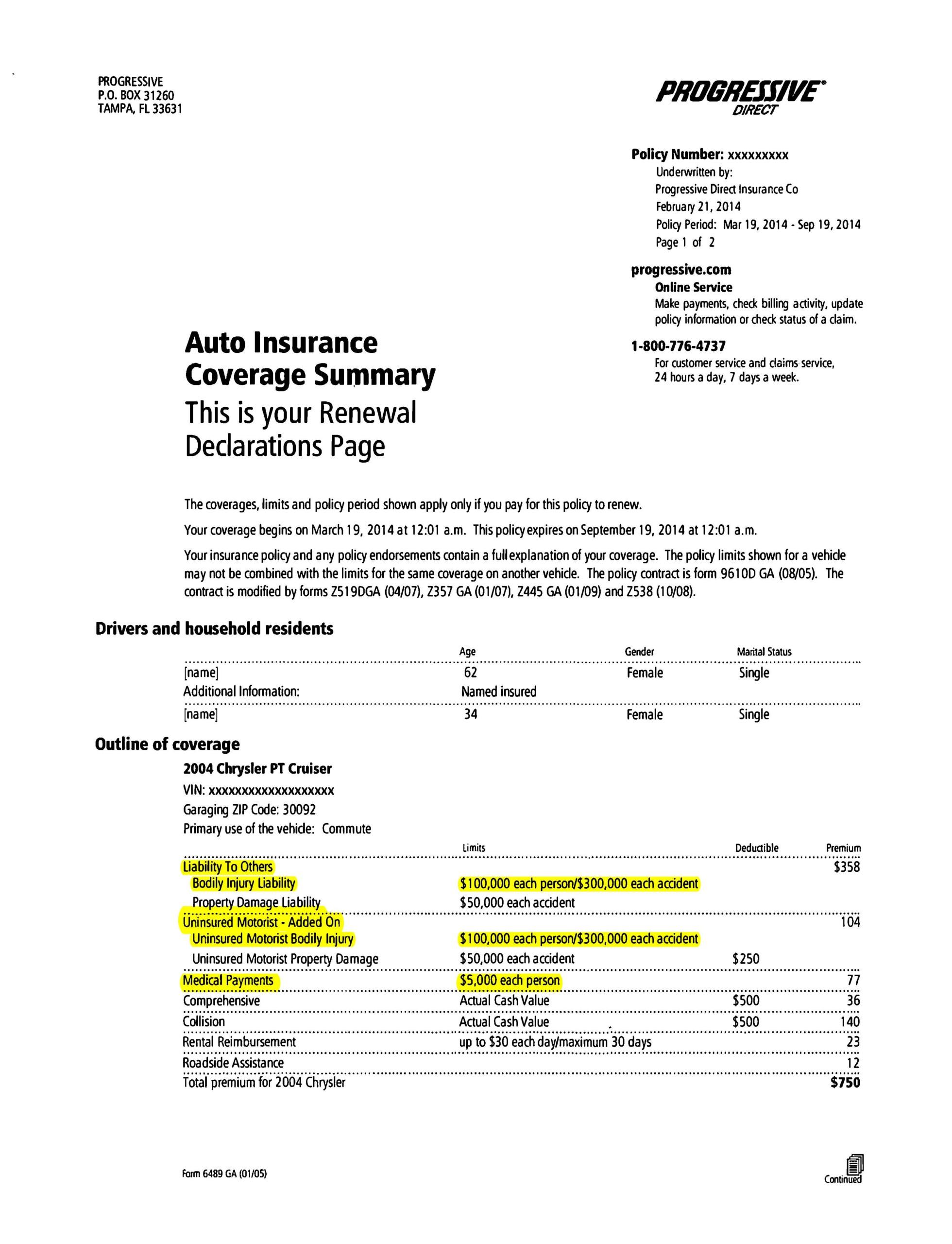
- Current Insurance Declarations Page: Useful for matching your current coverage levels or identifying gaps you want to fix.
Evaluating Online Quote Accuracy
Online quoting tools rely heavily on third-party databases, such as the Wisconsin Department of Transportation motor vehicle record database and the Comprehensive Loss Underwriting Exchange (C.L.U.E.) report, to verify your history. Providing inaccurate details regarding your driving record or annual mileage online may result in an initially low estimate that increases significantly after the carrier completes its underwriting verification. Always review the final policy application carefully before submitting payment.
Comparing Coverage Types: Comprehensive, Collision, and Extras
When building a policy online, you will encounter various optional coverages. Deciding whether to include them depends heavily on the age, value, and financing status of your vehicle.
| Coverage Type | What It Protects Against | When to Consider It |
|---|---|---|
| Collision | Damage to your vehicle from a collision with another car or object, regardless of fault. | Your car has a loan/lease, or its market value exceeds the cost of the deductible plus premium. |
| Comprehensive | Damage from non-collision events, such as theft, vandalism, fire, animal strikes, or weather. | You park on the street, live in a deer-dense area, or want protection against natural elements. |
| Roadside Assistance | Towing, flat tire changes, jump-starts, and lockout services. | Your vehicle lacks factory telematics or you frequently drive in remote areas. |
| Rental Reimbursement | The cost of a rental car while your vehicle is being repaired under a covered claim. | You rely on your vehicle daily and have no secondary transportation option. |
Assessing Digital Tools and User Experience
Evaluating an online auto insurance provider goes beyond the initial premium price. The quality of the digital ecosystem dictates how efficiently you can manage your policy, file claims, and access documents.
Mobile Applications and Policy Portals
Modern online insurers provide intuitive mobile applications and customer portals. When reviewing a provider's digital infrastructure, look for features that streamline administration:
- Digital ID Cards: Instant access to proof of insurance that is legally accepted by Wisconsin law enforcement and courts via smartphone.
- Self-Service Policy Management: The ability to alter coverage tiers, add vehicles, update addresses, and download billing statements without speaking to an agent.
- Digital Claims Tracking: Real-time status updates, photo upload capabilities for damage assessment, and direct messaging with assigned claims adjusters.
Reading Customer Feedback and Financial Stability Ratings
Before finalizing an online policy, research the carrier's financial stability and claims satisfaction history. Independent rating agencies such as A.M. Best evaluate the financial health of insurance companies, ensuring they possess the capital reserves necessary to pay out major claims. Additionally, review state-level complaint ratios published by the Office of the Commissioner of Insurance to see how frequently policyholders file grievances against specific carriers.
Common Mistakes to Avoid When Buying Online
Shopping for insurance online introduces specific pitfalls that can leave you underinsured or paying more than necessary. Avoid these frequent errors:
- Chasing the Lowest Price Blindly: Selecting the cheapest premium often means accepting high deductibles, low liability limits, or omitting essential coverages like medical payments coverage (MedPay).
- Failing to Bundle: Many online insurers offer significant discounts if you bundle your auto policy with homeowners or renters insurance. Ignoring multi-policy options leaves money on the table.
- Neglecting Discounts: Online platforms offer automated discount checks for safe driving telemetry apps, good student grades, paperless billing, and defensive driving courses. Ensure all applicable discounts are applied during the quote configuration.
- Overlooking Deductible Impacts: Choosing a $250 deductible instead of a $1,000 deductible may lower out-of-pocket costs after an accident, but it can spike your monthly online premium. Balance your liquid savings against your monthly budget.
Next Steps and Finalizing Your Wisconsin Policy
Once you have compared multiple online quotes, verified coverage limits, and confirmed that the insurer is licensed to operate in Wisconsin, you can proceed to purchase.
- Review the Declarations Page: Confirm that all driver names, vehicle VINs, and selected deductibles match your intent.
- Secure Instant Proof of Insurance: Download and print your temporary insurance binder and digital ID cards immediately upon payment completion.
- Notify Your Lienholder: If your vehicle is financed or leased, ensure the online platform automatically transmits the updated insurance confirmation to your financial institution.
Image Gallery