The Story of the DoubleTree Cookie: From Secret Perk to Global Icon
The story of the DoubleTree cookie began in 1986 as a special treat reserved for VIP guests and meeting planners. By 1995, it evolved into a universal hospitality gesture offered to every guest at check-in. Today, this warm, chocolate...
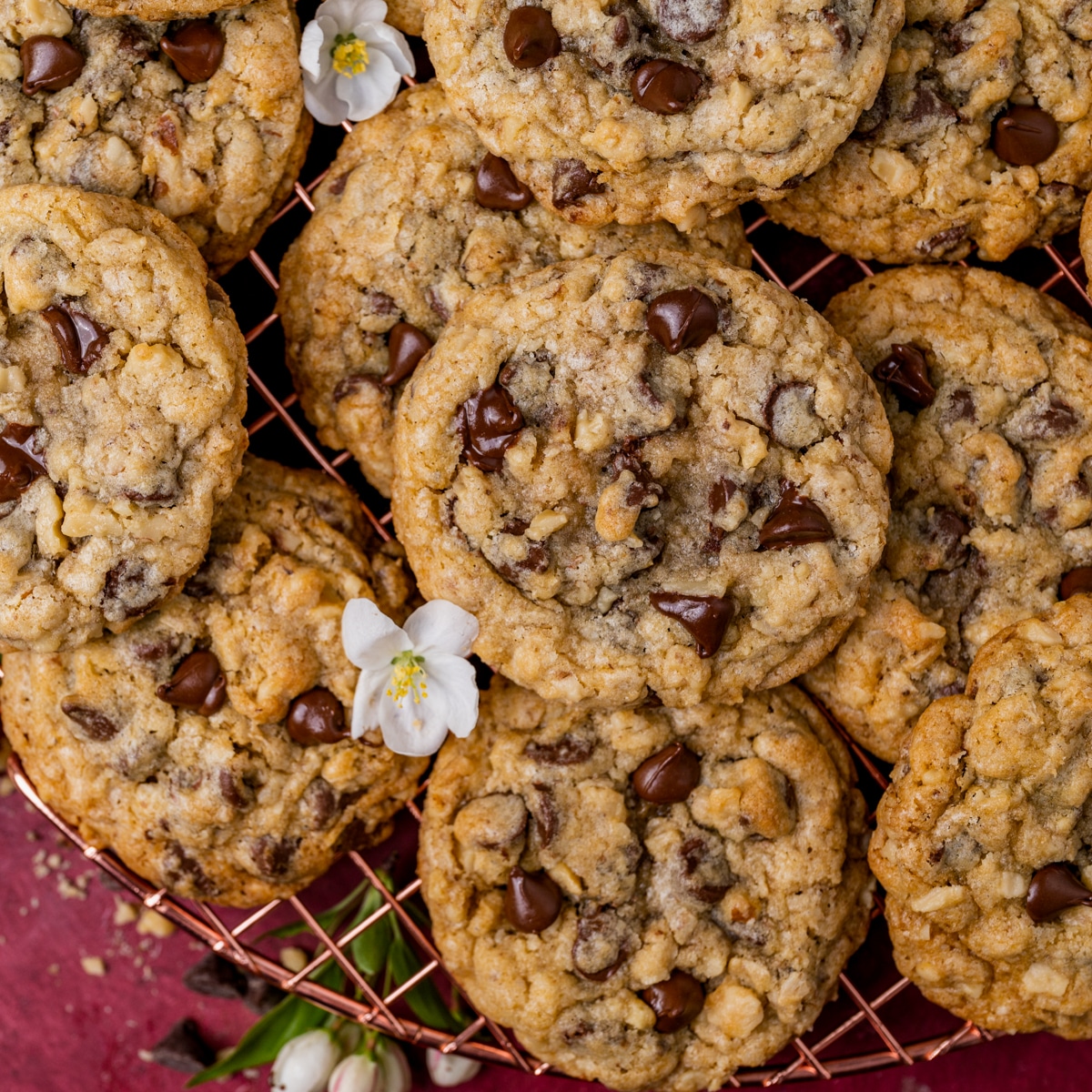
The story of the DoubleTree cookie began in 1986 as a special treat reserved for VIP guests and meeting planners. By 1995, it evolved into a universal hospitality gesture offered to every guest at check-in. Today, this warm, chocolate chip walnut tradition defines the Hilton-owned brand’s identity and remains a global symbol of comfort.
Contents
The Humble Origins of a Hospitality Legend (1986–1994)
In the mid-1980s, the hospitality industry was undergoing a period of intense brand differentiation. Hotels were searching for ways to make their service feel more personalized and less corporate. In 1986, DoubleTree by Hilton introduced a signature chocolate chip cookie, but it was not yet the ubiquitous welcome gift we recognize today.
Initially, the cookies were intended as a "surprise and delight" feature specifically for VIPs and corporate meeting planners. They were often placed in suites or delivered to conference rooms to provide a domestic touch to a business setting. The strategy was rooted in the psychology of hospitality: the scent and taste of home-baked goods create an immediate emotional connection and a sense of belonging.
During this early era, the logistics of the cookie were far less complex. Because they were produced in smaller quantities, the consistency across different hotel locations varied. However, the feedback from guests was overwhelmingly positive. Travelers began to associate the DoubleTree name with this specific culinary perk, leading the brand's leadership to reconsider how the cookie could be used to define the entire guest experience rather than just a select few.
Democratizing the Warm Welcome (1995)
The most significant turning point in the story of the DoubleTree cookie occurred in 1995. This was the year DoubleTree leadership decided to provide a warm cookie to every single guest upon check-in, regardless of their room tier or loyalty status. This move effectively "democratized" the luxury experience, making the warm welcome a foundational brand standard.
To execute this on a global scale, the company had to solve a major logistical challenge: how to ensure a cookie baked in London tasted exactly like one baked in Los Angeles. This led to a long-standing partnership with the Christie Cookie Company, based in Nashville, Tennessee. Christie Cookie Company became the exclusive dough provider, developing a proprietary recipe that could be shipped frozen and baked fresh on-site at each hotel.
By the late 1990s, the cookie had become more than just a snack; it was a powerful marketing tool. It transformed the check-in process from a clinical exchange of credit cards and room keys into a sensory experience. The aroma of baking cookies in the lobby became a signature "scent mark" for the brand, reinforcing guest loyalty before they even reached their rooms.
The Anatomy of the Cookie: Why It Stands Out
What makes the DoubleTree cookie distinct from a standard grocery store or homemade cookie is a combination of specific ingredients and a precise baking protocol. For decades, the exact measurements were a closely guarded secret, but the core components have remained consistent since the recipe was perfected in the 1980s.
The Key Ingredients
The cookie is a "maximalist" take on the classic chocolate chip recipe. Each cookie weighs approximately two ounces and is packed with a high density of inclusions.
- Semi-Sweet Chocolate Chips: The recipe uses a high volume of chips to ensure chocolate is present in every bite.
- Rolled Oats: These provide a chewy texture and structural integrity, preventing the cookie from being too brittle.
- Walnuts: Chopped walnuts add a necessary crunch and a nutty depth that balances the sweetness of the sugar.
- The Secret Acid: A small amount of lemon juice is included in the dough. While it doesn't make the cookie taste like lemon, the acidity reacts with the baking soda to create a specific lift and a tender crumb structure.
The Baking Standard
Consistency is maintained through strict operational guidelines. Every DoubleTree hotel uses specialized convection ovens designed to bake the cookies at a lower temperature (300°F) for a longer duration. This ensures the edges are crisp while the center remains soft and "gooey." The "warm" component of the welcome is non-negotiable; cookies are kept in warming drawers behind the front desk to ensure they are served at the optimal temperature to every guest.
| Feature | Specification |
|---|---|
| Annual Volume | Approximately 30 million cookies |
| Total Cookies Served | Over 500 million since 1986 |
| Weight per Cookie | 2 ounces (approx. 57 grams) |
| Primary Inclusions | Semi-sweet chocolate chips, chopped walnuts, rolled oats |
| Baking Temperature | 300°F (approx. 149°C) |
| Standard Service | Served warm at check-in |
The "Cookie in Space" Mission (2019)
In late 2019, the DoubleTree cookie achieved a milestone that no other food item had reached: it became the first food ever baked in space. In partnership with Zero G Kitchen and Nanoracks, DoubleTree sent a batch of its signature cookie dough to the International Space Station (ISS).
The goal of the mission was to study how long-duration space travel might be improved by the presence of familiar, "home-cooked" foods. Baking in microgravity presents unique challenges; heat does not rise the same way it does on Earth, and odors do not circulate naturally.
Astronauts on the ISS used a specially designed prototype oven to bake five cookies one by one. While a standard DoubleTree cookie takes about 16 to 18 minutes to bake on Earth, the space-based versions required significantly longer—up to 120 minutes for the final cookie—to achieve the correct texture and appearance. This experiment provided valuable data for future long-haul missions, such as those to Mars, where psychological comfort through food will be a critical factor for crew morale.
Opening the Vault: The 2020 Recipe Release
For 34 years, the official recipe for the DoubleTree cookie was one of the best-kept secrets in the hospitality world. However, the global landscape changed in 2020. As the COVID-19 pandemic led to widespread travel restrictions and hotel closures, the brand made the unprecedented decision to release the official recipe to the public.
Released in April 2020, the move was designed to bring a sense of comfort to people stuck in quarantine. It was a masterstroke of digital marketing and brand goodwill. The recipe went viral almost immediately, sparking thousands of "bake-along" videos on social media platforms. By sharing the recipe, Hilton maintained a connection with its customer base during a time when they couldn't physically visit the hotels. Even as we look back from 2026, this event is cited by marketing experts as a textbook example of maintaining brand relevance during a global crisis.
Logistics and Global Consistency in 2026
Managing a global cookie program in 2026 involves a massive supply chain. With over 600 DoubleTree properties worldwide, the brand must ensure that a guest in Shanghai receives the same quality product as a guest in New York.
The dough is still primarily manufactured by Christie Cookie Co. in the United States and then distributed through a network of cold-storage logistics partners. This "frozen dough" model is essential for safety and consistency. It eliminates the variables of local flour protein content or egg sizes, which can drastically alter the final product.
Furthermore, DoubleTree has expanded its offerings to be more inclusive. While the classic chocolate chip walnut cookie remains the flagship, the brand has introduced official "allergy-friendly" and vegan versions in many regions to accommodate modern dietary requirements without sacrificing the "warm welcome" tradition.
The Psychology of the Warm Welcome
The success of the DoubleTree cookie is frequently studied in business schools as a lesson in sensory branding. While many hotels offer loyalty points or digital check-ins, the cookie addresses the physical and emotional state of a traveler.
Traveling is often stressful, involving long flights, delays, and unfamiliar environments. The act of receiving a warm, high-quality treat immediately upon arrival triggers a release of oxytocin and provides a physiological "reset." It signals to the brain that the traveler has reached a safe, hospitable destination. This small investment (estimated at less than a dollar per cookie) generates disproportionate returns in guest satisfaction scores and brand recall.
Frequently Asked Questions
Can I buy DoubleTree cookies if I am not staying at the hotel?
Yes, many DoubleTree locations allow guests and non-guests to purchase tins of cookies directly from the front desk. Additionally, the Christie Cookie Company and the official Hilton "DoubleTree at Home" website often sell the pre-baked cookies and cookie tins for shipping.
Are there nuts in every DoubleTree cookie?
The standard signature recipe contains chopped walnuts. Because the cookies are often baked in the same ovens and handled in the same areas as other food items, the brand traditionally advised those with severe nut allergies to exercise caution. However, in recent years, many locations have introduced pre-packaged, nut-free, and gluten-free alternatives to ensure all guests can participate in the tradition safely.
Why was lemon juice included in the original recipe?
The lemon juice acts as a chemical leavening enhancer. The acidity of the juice reacts with the baking soda (a base), creating carbon dioxide bubbles that help the cookie rise. This results in a texture that is light and tender rather than dense and heavy, even with the high volume of oats and chocolate chips.
How many cookies does DoubleTree give out per year?
As of 2026, DoubleTree by Hilton distributes approximately 30 million cookies annually. Since the program's inception, they have served more than 500 million cookies to travelers worldwide.
Is the recipe released in 2020 the actual recipe used in hotels?
Yes, Hilton confirmed that the recipe released during the 2020 pandemic is the authentic version used to create the dough. While home bakers might find slight variations in results due to oven types (standard vs. convection) and ingredient brands, the ratios and components are identical to the official Christie Cookie Co. formulation.
Recommendation for the Ultimate Experience
To truly appreciate the story of the DoubleTree cookie, the best approach is to experience it as intended: warm and fresh. If you are baking the official recipe at home, ensure you use room temperature butter and large eggs to achieve the correct emulsion. Most importantly, do not overbake. The cookies should look slightly underdone when you pull them out of the oven; they will continue to firm up on the baking sheet, resulting in that signature soft center that has made them a hospitality icon for four decades.
Image Gallery