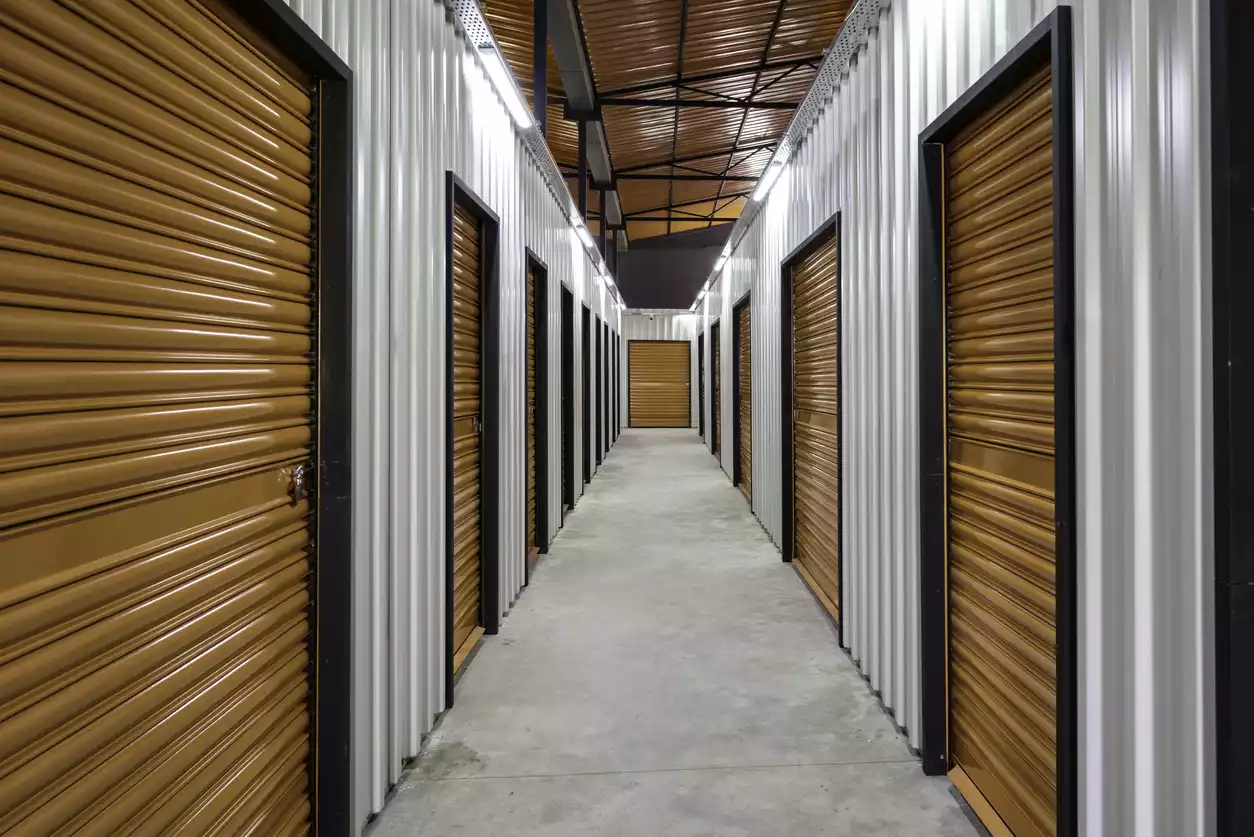
The Height of Storage Units Explained: A Guide to Vertical Space
Understanding the height of storage units is critical for maximizing your rental investment, as vertical space often provides more utility than the total square footage alone. While most industry-standard storage units feature a ceilin...
Understanding the height of storage units is critical for maximizing your rental investment, as vertical space often provides more utility than the total square footage alone. While most industry-standard storage units feature a ceiling height ranging from 8 to 10 feet, the effective usable height is typically limited by safety requirements, fire sprinkler clearance, and the practicalities of stacking items securely.
Contents
Understanding Industry Standards for Storage Height
When you visit a self-storage facility in 2026, you will notice that ceiling heights are not arbitrary. Architects and facility owners design these spaces based on standardized building codes and operational efficiency. The vast majority of interior storage units provide a clear height—the space between the floor and the lowest obstruction, such as a lighting fixture or sprinkler head—of approximately 8 to 9 feet.
Facilities designed for commercial or industrial access often offer "high-cube" units. These can reach heights of 10, 12, or even 15 feet. These units are specifically intended for businesses that utilize vertical racking systems, pallet storage, or oversized equipment that cannot be dismantled. Understanding the difference between a standard residential unit and a high-cube industrial unit is the first step in selecting the right space for your belongings.
The Role of Fire Suppression Systems
One of the most important factors influencing the "usable" height of your storage unit is the location of fire sprinklers. Most municipal building codes in the United States and Canada mandate a minimum clearance of 18 inches below any sprinkler head. This gap is not just a suggestion; it is a fire safety requirement designed to ensure that water can disperse effectively in the event of an emergency.
If your storage unit has a ceiling height of 8 feet, the actual stacking height is effectively reduced to approximately 6.5 feet. Stacking items higher than this threshold can result in a violation of the facility’s rental agreement or, more importantly, create a significant fire hazard that prevents the facility's safety systems from functioning as designed.
Why Vertical Volume Matters More Than Floor Area
Many renters focus exclusively on the square footage of a unit, but this metric is often misleading. A 10x10 unit (100 square feet) with 8-foot ceilings provides 800 cubic feet of volume. A unit of the same footprint with 10-foot ceilings provides 1,000 cubic feet. By opting for higher ceilings, you gain 25% more storage capacity without increasing your floor rent.
When analyzing your storage needs, consider the nature of your items:
- Uniform Boxes: If you are storing standardized moving boxes, vertical height is your best friend. You can stack them higher, utilizing the air space that would otherwise be wasted.
- Irregular Furniture: If you are storing bulky items like sofas or mattresses, floor footprint is more important. You cannot stack heavy furniture, so a unit with extremely high ceilings may offer no advantage for these specific items.
- Fragile Goods: If you are storing items that cannot support weight, such as lamps, artwork, or electronics, the height of the unit becomes irrelevant because you will not be stacking these items vertically.
Practical Comparison of Storage Unit Dimensions
The following table summarizes common unit sizes and their typical ceiling height configurations found in modern facilities.
| Unit Size (Feet) | Standard Ceiling Height | Best Use Case |
|---|---|---|
| 5x5 | 8 Feet | Small boxes, seasonal decorations |
| 5x10 | 8-9 Feet | Contents of a small studio apartment |
| 10x10 | 9 Feet | Typical one-bedroom apartment |
| 10x20 | 9-10 Feet | Full home storage or large vehicles |
| 10x30 | 10+ Feet | Commercial inventory or construction equipment |
Note: Always verify the exact clearance with your facility manager, as older buildings may have structural beams or HVAC ducting that lowers the effective ceiling height in specific units.
Essential Strategies for Vertical Storage
To make the most of your unit's height, you must prioritize stability and access. Stacking items to the ceiling requires a disciplined approach to prevent collapses that could damage your property or cause injury.
1. The Pyramid Stacking Method
Always place your heaviest, most durable items on the floor. As you stack upward, the weight of the items should decrease. Placing heavy boxes on top of lighter ones increases the risk of the bottom boxes being crushed under the pressure, which can lead to a domino effect of falling items.
2. Using Shelving Units
Freestanding industrial-grade metal shelving is the best way to leverage vertical space. Unlike stacking boxes directly on one another, shelves provide structural support for every layer. This allows you to retrieve an item from the bottom row without moving the entire stack above it. When selecting shelving, ensure it is rated for the weight of your goods and check that the height of the unit plus the shelving does not violate the 18-inch sprinkler clearance rule.
3. Inventory Labeling
When items are stacked 7 or 8 feet high, you will lose sight of what is in the containers at the top. Ensure that labels are placed on the side of the boxes rather than the top. This simple change allows you to identify your belongings while standing on the floor, reducing the need to climb or move stacks unnecessarily.
Common Mistakes and How to Avoid Them
The most frequent mistake renters make is underestimating the weight that vertical storage places on the bottom layer. Cardboard, even high-quality moving boxes, will degrade over time if subjected to too much downward pressure, especially if the storage environment is subject to humidity fluctuations.
Another common oversight involves lighting. In many facilities, the hallway lights provide illumination for the unit, but the back corners remain dark. If you stack items high in the back of your unit, those areas may be plunged into complete shadow, making it difficult to find items later. Consider using battery-operated motion-sensor LED strips to illuminate the vertical space of your unit.
Frequently Asked Questions
Is the ceiling height included in the price of a storage unit?
Yes, the rental price is typically determined by the square footage, but higher-ceiling units (often called "high-cube" or "premium height") may command a higher price due to the increased cubic volume they offer.
Can I build a loft or mezzanine inside my storage unit?
Generally, no. Most self-storage lease agreements explicitly prohibit the construction of permanent or semi-permanent lofts, mezzanines, or any structural alterations. Doing so poses a liability risk and violates most fire codes.
What is the 18-inch rule?
This is a fire safety standard requiring that no items be stored within 18 inches of the ceiling or the underside of fire sprinkler heads. This space is necessary for the proper distribution of water during a fire.
How do I measure the usable height of my unit?
Measure from the floor to the lowest hanging point in the unit, such as a light fixture, a low-hanging pipe, or a sprinkler head. Subtract 18 inches from this measurement to find your safe, maximum stacking height.
Are outdoor drive-up units taller than indoor units?
Often, yes. Indoor facilities are constrained by the existing building architecture, while outdoor drive-up units are often purpose-built with garage-style doors that can accommodate taller ceilings, sometimes reaching 12 to 14 feet.
Next Steps for Your Storage Project
Before signing a contract, visit the facility and request to see the specific unit you are leasing. Do not rely on generic photos. Bring a tape measure and verify the distance from the floor to the lowest obstruction. If you have significant vertical storage needs, ask specifically for "high-cube" units and confirm that the facility permits the use of heavy-duty industrial shelving. By confirming these measurements during your walkthrough, you ensure that the unit you pay for is fully capable of meeting your storage requirements.
Image Gallery