Why BMW is Defined as a Luxury Car for Many Drivers in 2026
BMW is considered a luxury car because it combines precision German engineering with high-end interior materials, industry-leading technology, and a prestigious brand heritage. By 2026, the brand has solidified its status by blending t...
BMW is considered a luxury car because it combines precision German engineering with high-end interior materials, industry-leading technology, and a prestigious brand heritage. By 2026, the brand has solidified its status by blending traditional performance—the "Ultimate Driving Machine" philosophy—with a sophisticated digital ecosystem and a commitment to sustainable, high-performance electric mobility.
Contents
The Modern Definition of Automotive Luxury
In the landscape of 2026, the term "luxury" in the automotive sector has evolved beyond simple opulence. Historically, luxury was defined by the weight of the doors, the smell of the leather, and the roar of a multi-cylinder engine. Today, for many, BMW represents a new era of luxury that prioritizes the user experience (UX), seamless connectivity, and environmental responsibility without sacrificing the visceral joy of driving.
BMW’s positioning as a luxury leader is built on three pillars: engineering excellence, technological integration, and material craftsmanship. Unlike economy brands that focus on utility and cost-efficiency, BMW invests heavily in research and development to ensure that every touchpoint—from the haptic feedback of a button to the calibration of the adaptive suspension—feels intentional and superior. For many owners, the luxury of a BMW lies in the confidence that the vehicle will perform predictably and comfortably in diverse conditions, whether navigating a tight urban corridor or cruising on the Autobahn.
Engineering Excellence: The Core of the Brand
A primary reason BMW is a luxury car for many is its mechanical pedigree. The brand has long championed a near-perfect 50/50 weight distribution, which provides a balanced and neutral handling characteristic that is rare in mass-market vehicles. This engineering choice is expensive to implement, requiring complex packaging of the engine, transmission, and drivetrain components.
Driving Dynamics and Powertrains
In 2026, BMW’s luxury status is maintained through its diverse powertrain offerings. While the legendary B58 straight-six engine continues to be a benchmark for smoothness and power delivery in internal combustion models, the transition to the Neue Klasse architecture has redefined electric luxury. These vehicles utilize sixth-generation (Gen6) battery technology, which offers 20% higher energy density and 30% faster charging speeds compared to previous iterations.
Luxury is often defined by "effortlessness." In a BMW, this is achieved through high torque reserves—allowing for rapid overtaking—and sophisticated chassis systems like Dynamic Damper Control. These systems monitor road conditions hundreds of times per second, adjusting the firmness of the ride to isolate passengers from road imperfections while maintaining the body control necessary for high-speed stability.
The Evolution of the Cabin: Materials and Craftsmanship
For many, the interior of a BMW is where the luxury label becomes most tangible. The brand has moved away from generic plastics in favor of sustainable yet premium alternatives. By 2026, materials like Vegasza (a high-quality vegan leather) and recycled "Seaqual" yarn coexist with traditional Merino leather and open-pore wood trims.
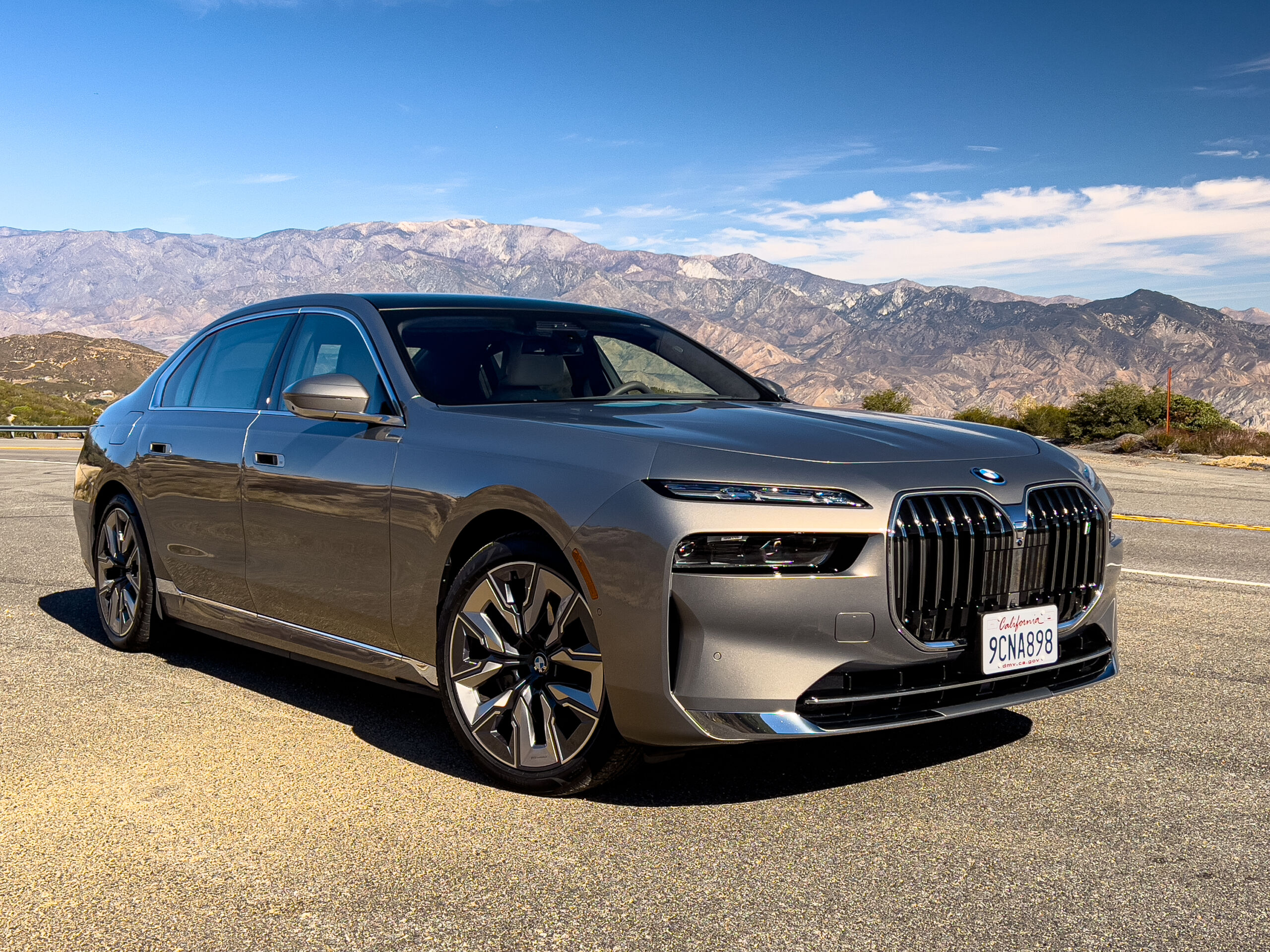
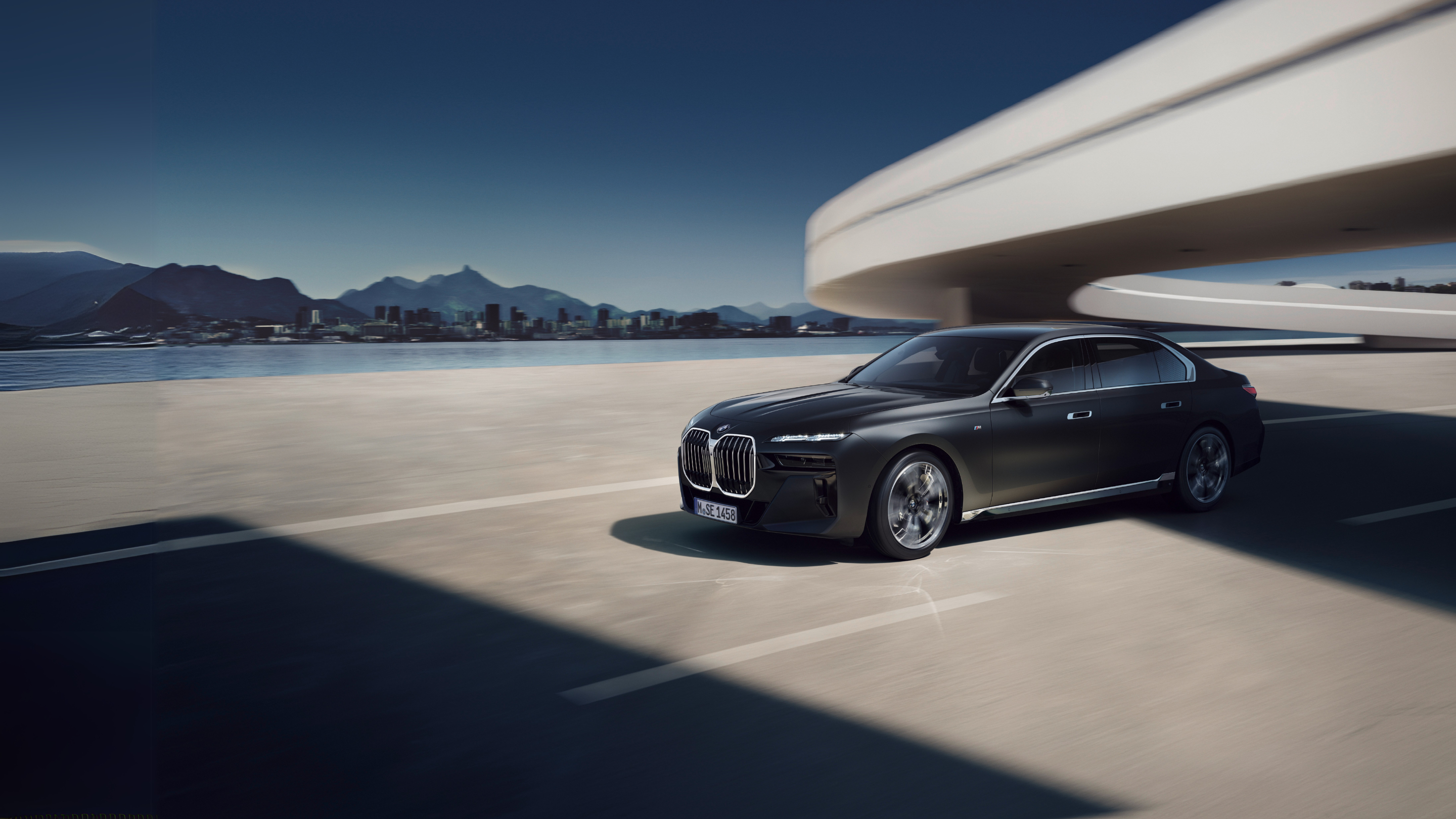
The luxury experience is also characterized by quietness. BMW employs extensive acoustic glazing and active noise cancellation to create a "sanctuary" environment. In the higher-tier models like the 7 Series and i7, the rear cabin is transformed into a mobile cinema with the BMW Theater Screen, a 31.3-inch panoramic display that retracts from the roof. This level of integrated entertainment is a hallmark of a brand that caters to an executive demographic that values both productivity and relaxation.
Technological Innovation and the Digital Experience
In 2026, software is as much a luxury feature as the engine. BMW’s iDrive 10 operating system serves as the central nervous system of the vehicle. It utilizes artificial intelligence to learn driver habits, such as preferred cabin temperatures, frequent navigation destinations, and even seat massage settings.
Advanced Driver Assistance Systems (ADAS)
BMW provides a high level of luxury through its "hands-off, eyes-on" driving capabilities. The BMW Highway Assistant allows for semi-autonomous driving at speeds up to 85 mph on compatible highways. For many, the ultimate luxury is the gift of time and reduced stress, which these systems provide by handling the monotony of long-distance travel. Furthermore, the integration of Augmented Reality (AR) in the Head-Up Display projects navigation cues directly onto the driver's line of sight, ensuring that luxury is synonymous with safety and ease of use.
Total Cost of Ownership and Market Positioning
The luxury designation is also reflected in the price and the associated ownership experience. Purchasing a BMW involves a higher initial investment, but it also includes access to premium services. In 2026, the BMW Ultimate Care program remains a significant draw, covering scheduled maintenance for the first few years of ownership, which helps mitigate the higher costs associated with precision-engineered parts.
| Model Category | Representative Model (2026) | Estimated Starting MSRP | Key Luxury Highlight |
|---|---|---|---|
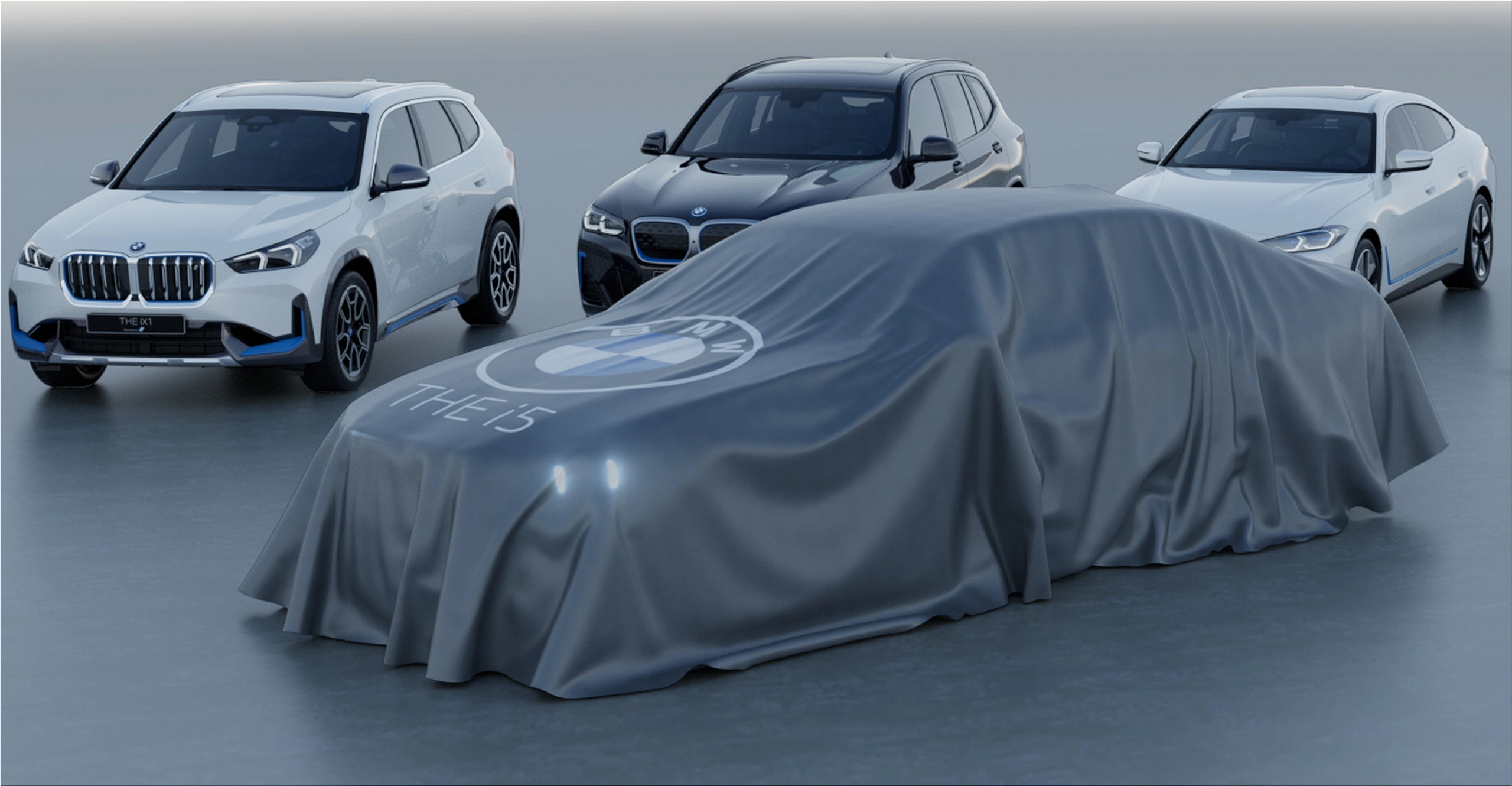
| Executive Sedan | BMW 5 Series / i5 | $68,500 | Curved Display & Active Lane Change |
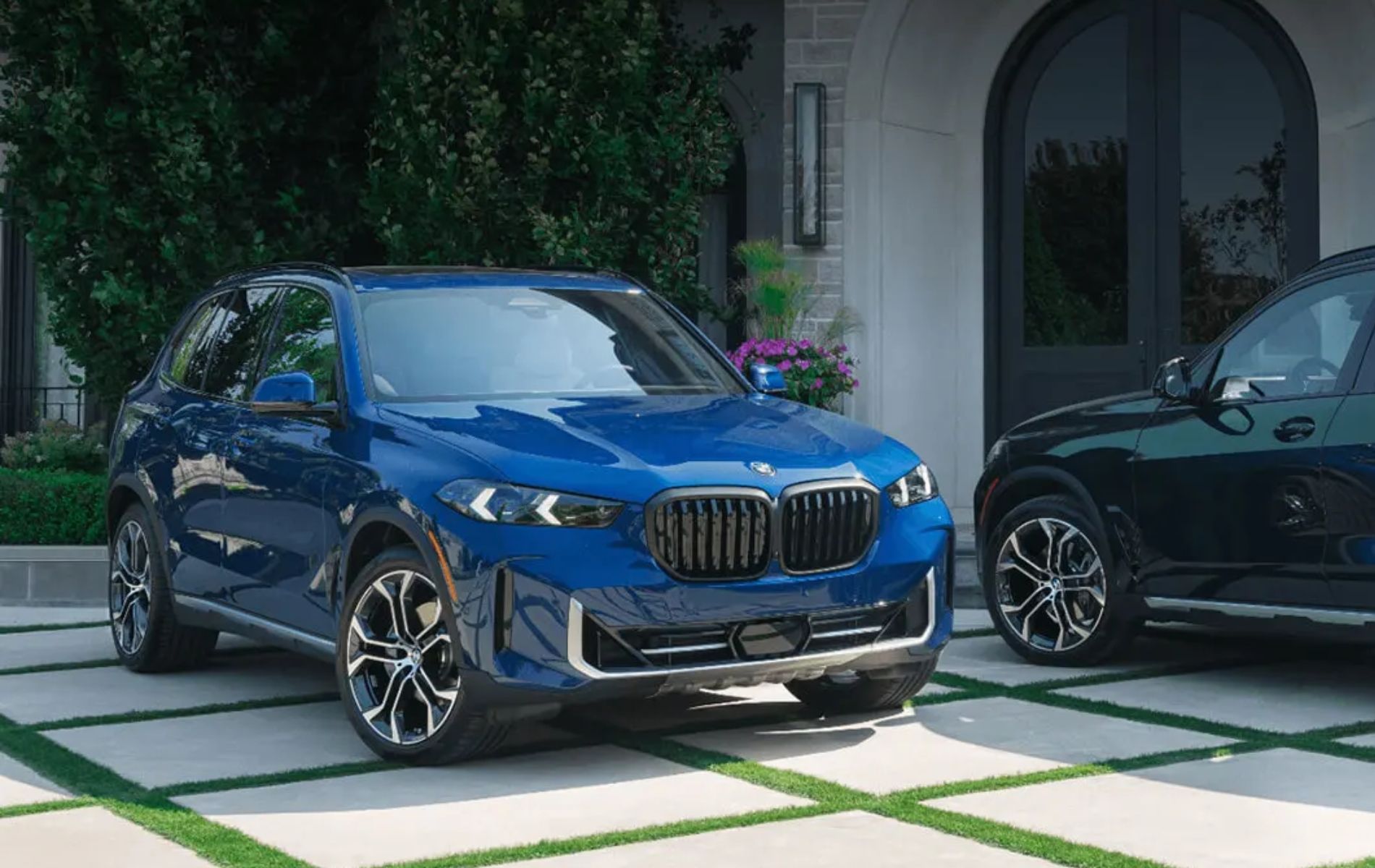
| Luxury SUV (SAV) | BMW X5 | $71,200 | Split Tailgate & Adaptive Air Suspension |
| Flagship Luxury | BMW 7 Series / i7 | $98,400 | Theater Screen & Swarovski Crystal Headlights |
| High-Performance | BMW M3 | $77,800 | Track-Tuned Chassis & Carbon Fiber Elements |
| Next-Gen EV | BMW i3 (Neue Klasse) | $55,000 | Panoramic Vision & Sustainable Interior |
Note: Prices are estimates for the 2026 model year based on current market trajectories and inflation.
Sustainability as a New Luxury Tier
As we move through 2026, BMW has successfully argued that "green" is the new "gold." The company’s focus on the Circular Economy—using up to 50% recycled materials in new car production—appeals to the modern luxury consumer who is environmentally conscious. This "Secondary First" approach ensures that luxury is not just about consumption, but about responsible stewardship. For many, the peace of mind knowing their vehicle was produced in a CO2-neutral plant like Plant Debrecen is a vital component of the modern luxury experience.
Common Misconceptions and Maintenance Realities
While BMW is a luxury car for many, it is often criticized for its maintenance costs. Luxury vehicles require specialized diagnostics and high-performance fluids. For instance, the cooling systems in BMWs are highly complex to manage the heat generated by turbocharged engines, and using non-approved parts can lead to premature failure. Prospective owners should be aware that the luxury experience extends to the service bay, where labor rates for certified technicians are higher than those for economy brands.
Reliability has seen significant improvements. According to recent data from Consumer Reports, BMW has consistently ranked in the top tier for reliability among European manufacturers. This reliability is a form of luxury in itself, as it ensures the vehicle remains a reliable asset rather than a liability.
Frequently Asked Questions
Is BMW more expensive to insure than a standard car?
Yes, BMWs generally carry higher insurance premiums. This is due to the higher cost of parts, the specialized labor required for repairs, and the advanced sensor suites (cameras and radar) located in vulnerable areas like the bumpers and windshield. Insurance companies categorize BMWs as luxury performance vehicles, which inherently increases the risk profile.
Does a BMW hold its value well?
Luxury cars typically depreciate faster than economy cars in the first three years. However, specific BMW models, particularly the M-series and certain high-demand SUVs like the X5, tend to hold their value better than their competitors. The introduction of the "Neue Klasse" EVs in 2026 is expected to stabilize resale values for electric models due to their advanced battery architecture.
What is the difference between "Premium" and "Luxury" for BMW?
While often used interchangeably, "Premium" usually refers to the build quality and brand positioning, whereas "Luxury" encompasses the total experience, including bespoke features and high-level service. BMW straddles both, offering premium entry-level models (like the 2 Series) and true luxury flagships (like the 8 Series or XM).
Are BMW's electric cars as luxurious as their gas counterparts?
In many ways, the electric models (i4, i5, i7, iX) are considered more luxurious because they offer a near-silent cabin and instantaneous torque, which enhances the "effortless" driving feel. The absence of engine vibration and the addition of features like "IconicSounds Electric" (composed by Hans Zimmer) provide a unique sensory experience that gas cars cannot replicate.
How often does a 2026 BMW require servicing?
Most modern BMWs use Condition Based Service (CBS), which monitors oil levels, brake wear, and mileage to alert the driver when service is needed. Generally, this occurs every 10,000 to 12,000 miles or once a year. Regular adherence to this schedule is critical for maintaining the vehicle's luxury performance and warranty status.
Practical Recommendation for Potential Owners
If you are considering a BMW as your next luxury vehicle, the best course of action is to evaluate your primary use case. If you value executive comfort and the latest tech, the 2026 BMW i5 or 7 Series provides an unmatched digital experience. However, if driving engagement is your priority, the 3 Series or M-models remain the gold standard for the segment.
Before purchasing, always verify the service history of a used model or the specific warranty inclusions of a new one. For the best experience, utilize the BMW USA or BMW International configurators to understand how different packages—such as the Executive Package or M Sport Professional—can alter the vehicle's luxury profile.
Image Gallery