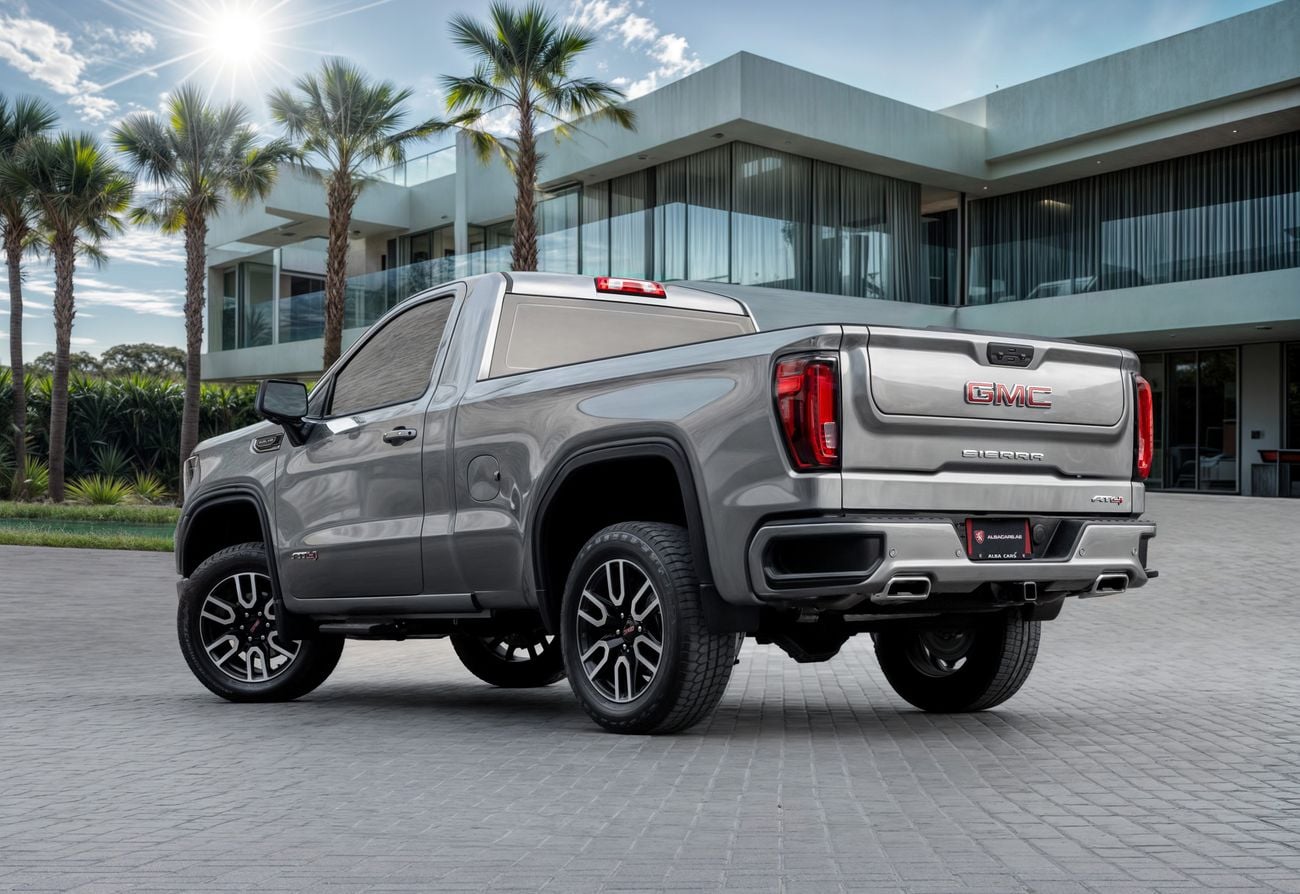
Understanding GMC and GM: The Relationship Between the Brand and Its Parent Company
GMC is a primary automotive division of General Motors (GM), which serves as its parent company. While GM provides the corporate infrastructure, engineering platforms, and financial backing, GMC operates as a distinct brand focused on...
GMC is a primary automotive division of General Motors (GM), which serves as its parent company. While GM provides the corporate infrastructure, engineering platforms, and financial backing, GMC operates as a distinct brand focused on premium trucks, SUVs, and commercial vehicles. This "one parent, one brand" relationship allows GMC to leverage GM’s massive R&D resources while maintaining a specialized "Professional Grade" market identity.
Contents
The relationship between GMC and General Motors is one of the most successful examples of brand management in the automotive industry. To the casual observer, a GMC vehicle might appear remarkably similar to its Chevrolet counterpart. However, the strategic separation between the parent (GM) and the brand (GMC) is a deliberate business move designed to capture different segments of the market. As we look at the automotive landscape in 2026, this synergy has become even more critical as the industry shifts toward electrification and software-defined vehicles.
The Corporate Hierarchy: General Motors as the Parent
General Motors (GM) is a global titan that oversees a diverse portfolio of brands. To understand GMC, one must first understand the role of the parent. GM acts as the central nervous system for its subsidiaries, which currently include Chevrolet, Buick, Cadillac, and GMC. In international markets, the parent company also manages various joint ventures and regional entities.
The "one parent" aspect ensures that GMC has access to the Ultium battery platform, the Super Cruise hands-free driving technology, and global supply chains that a standalone truck manufacturer could never afford. GM provides the capital for massive manufacturing plants, such as Factory ZERO in Michigan, where GMC’s flagship electric vehicles are produced. By centralizing these high-cost elements, the parent company allows the GMC brand to focus entirely on design, customer experience, and maintaining its "Professional Grade" reputation.
The History of GMC: From Independent Roots to GM Pillar
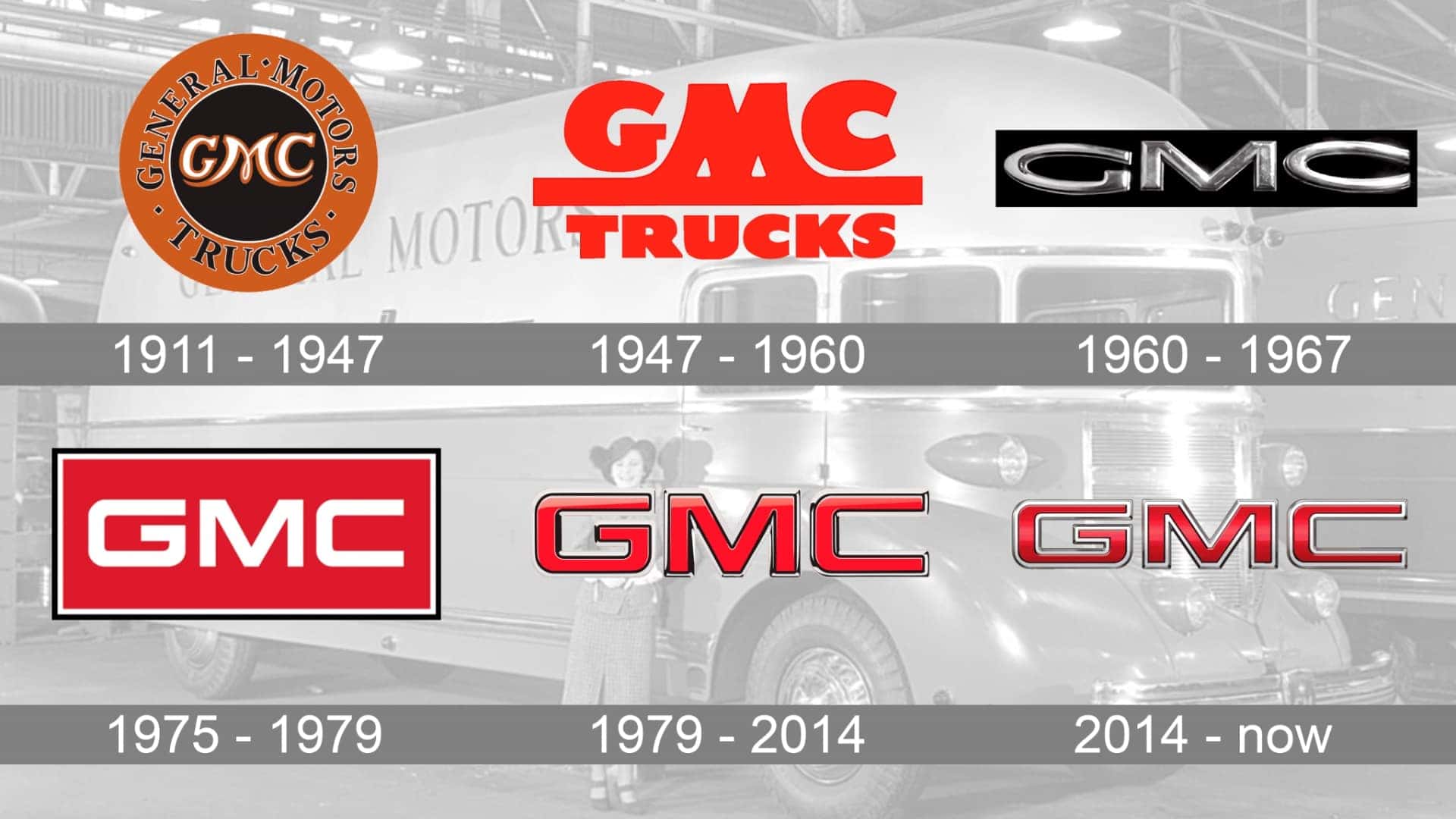
GMC did not start as a GM creation; it was integrated into the fold during the early days of automotive consolidation. The brand's origins trace back to the Rapid Motor Vehicle Company, founded in 1902, and the Reliance Motor Car Company. William C. Durant, the founder of General Motors, acquired Rapid in 1909 and Reliance in 1908. In 1911, GM merged these two entities to form the General Motors Truck Company.
By 1912, the "GMC" nameplate appeared for the first time at the New York International Auto Show. Since then, the brand has been the cornerstone of GM's truck strategy. During World War II, GMC produced over 600,000 trucks for the U.S. military, cementing its reputation for durability. Post-war, the brand transitioned into a consumer-focused entity, eventually carving out a niche that sat comfortably between the mass-market appeal of Chevrolet and the high luxury of Cadillac.
Distinguishing the Brand: GMC vs. Chevrolet
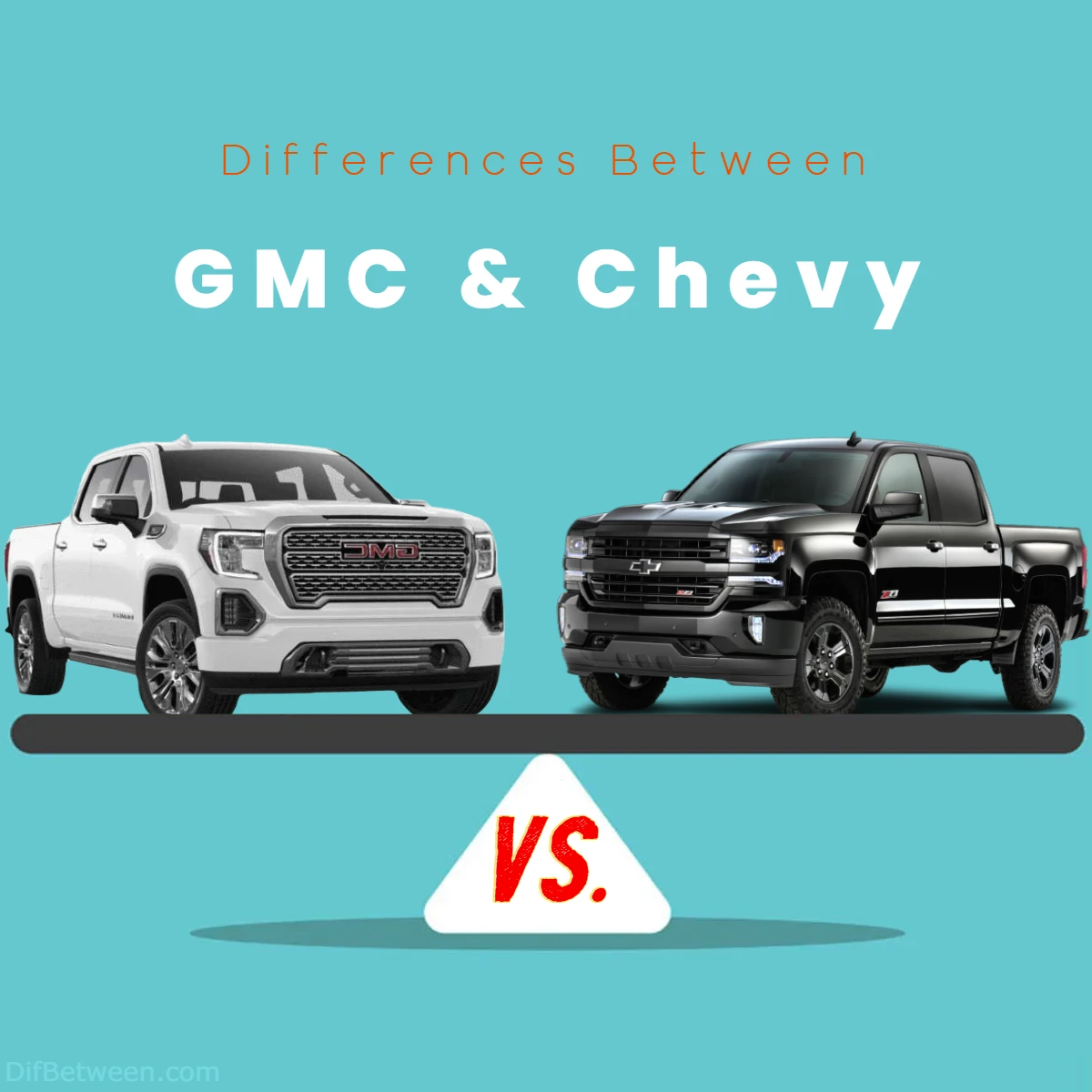
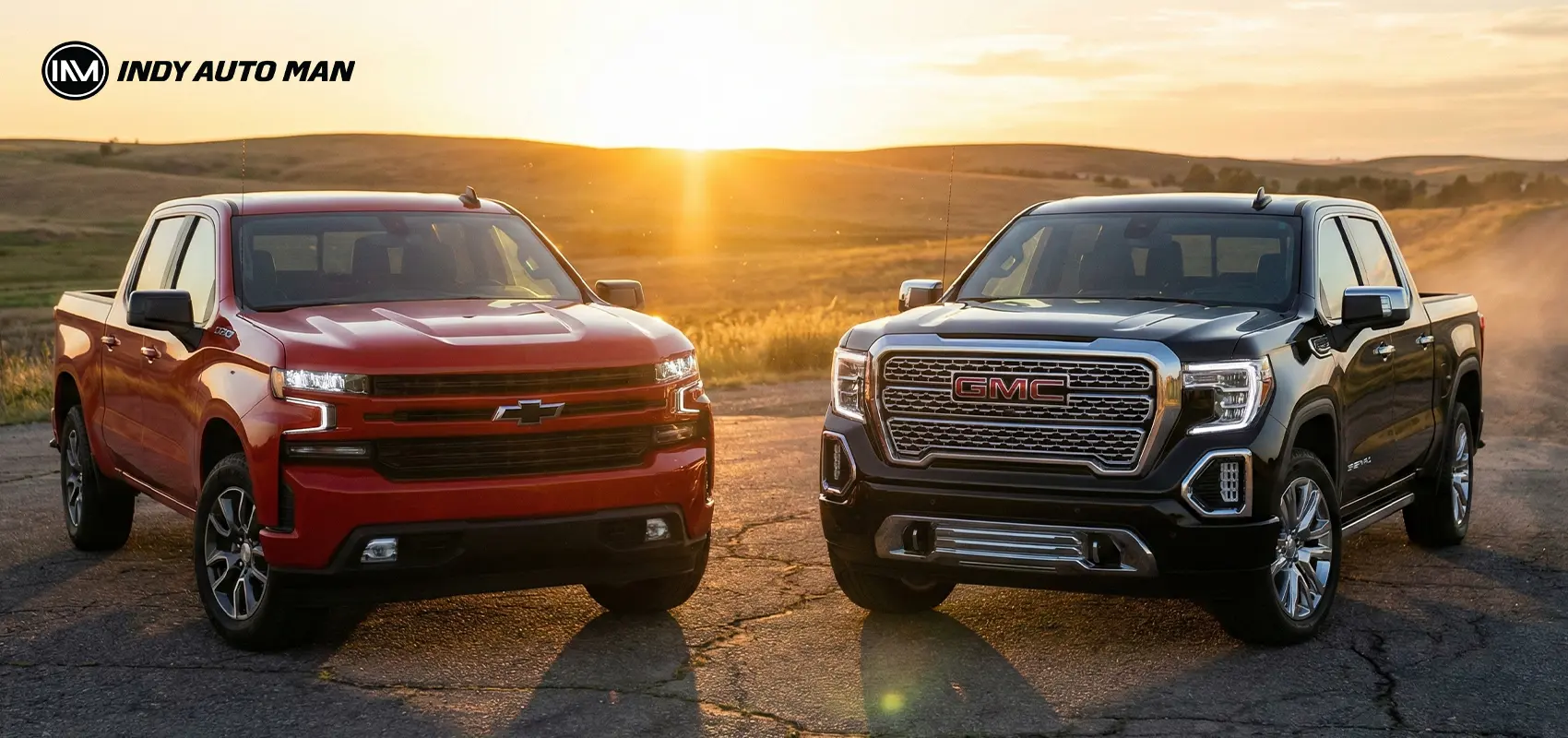
The most frequent question regarding the GMC and GM relationship is why the parent company maintains two separate truck brands. While GMC and Chevrolet share platforms (the "bones" of the vehicle), they target different "psychographics" or consumer mindsets.
The "Professional Grade" Identity
GMC’s marketing revolves around the "Professional Grade" slogan. This isn't just a catchy phrase; it dictates the brand's engineering and aesthetic choices. GMC vehicles typically feature more standard equipment, higher-quality interior materials, and more sophisticated styling compared to their Chevrolet counterparts.
Target Demographics
Chevrolet is the "Everyman" brand, focusing on value, volume, and a broad range of products from small EVs to heavy-duty pickups. GMC, conversely, targets "Active Achievers"—buyers who use their trucks for work but also want a premium experience for family use or social settings. In 2026, data shows that GMC buyers often have higher average household incomes and higher credit scores than the average mass-market truck buyer.
Platform Sharing: The Engineering Behind the Relationship
Under the "one parent" model, GMC utilizes shared architectures developed by GM Global Engineering. This is most evident in the "T1" platform, which supports the GMC Sierra, the Chevrolet Silverado, the GMC Yukon, and the Chevrolet Tahoe.
Platform sharing allows GM to achieve massive economies of scale. By using the same frame, engines, and electrical architectures across multiple brands, the parent company saves billions in development costs. However, GMC engineers "tune" these platforms differently. For example, a GMC Yukon Denali may feature Magnetic Ride Control or specific suspension dampening that provides a more refined ride than a base-model Tahoe, even though the structural foundations are identical.
| Feature | GMC Sierra 1500 (Brand Identity) | Chevrolet Silverado 1500 (Parent Sibling) |
|---|---|---|
| Primary Focus | Premium / Luxury / Professional | Value / Utility / Volume |
| Top-Tier Trim | Denali Ultimate | High Country |
| Exclusive Features | MultiPro Tailgate (Early Adopter), CarbonPro Bed | Multi-Flex Tailgate |
| Interior Materials | Real Wood, Forge Leather, Etched Maps | Premium Leather, Plastic Accents |
| Standard Tech | Higher baseline of safety/infotainment | Tiered technology levels |
The Power of Sub-Brands: Denali and AT4
One of the reasons the GMC brand remains so strong under the GM umbrella is its successful cultivation of sub-brands. These sub-segments have become so powerful that "Denali" is often recognized as a brand in its own right.
The Denali Effect
Launched in 1999 with the Yukon, the Denali trim transformed GMC from a utilitarian brand into a luxury powerhouse. Today, Denali accounts for a significant percentage of GMC’s total sales. It offers a level of chrome, leather, and technology that rivals European luxury SUVs, allowing GM to compete in the high-margin luxury space without needing a Cadillac-badged pickup truck.
The AT4 and AT4X Expansion
In recent years, GMC introduced the AT4 sub-brand to focus on "Premium Off-Roading." This addressed a gap in the market for buyers who wanted a rugged, capable vehicle that didn't sacrifice interior comfort. The AT4X takes this further with specialized dampers and lockers, demonstrating how the GMC brand can pivot to meet specific consumer trends while utilizing GM's centralized engineering for off-road components.
The 2026 Electric Transition: Ultium and Beyond
In the current 2026 landscape, the GMC and GM relationship is defined by the transition to electric vehicles (EVs). GMC was chosen by the parent company to lead the "EV Revolution" with the resurrection of the Hummer nameplate under the GMC brand.
The GMC Hummer EV and the Sierra EV are built on GM’s Ultium Platform. This modular battery system allows the parent company to stack battery pouches vertically or horizontally to fit different vehicle footprints. For GMC, this means the Sierra EV can offer over 400 miles of range and 10,000 pounds of towing capacity.
By leveraging GM's $35+ billion investment in EV and autonomous technology, GMC has moved from being a "truck brand" to a "tech brand." The 2026 GMC lineup features standard Super Cruise on most premium trims, a technology developed centrally by GM that allows for hands-free driving on hundreds of thousands of miles of North American highways.
Manufacturing and Economic Impact
The "one parent, one brand" structure is also reflected in the manufacturing footprint. GMC vehicles are built in some of GM's most advanced facilities:
- Fort Wayne Assembly (Indiana): Produces the GMC Sierra and Chevrolet Silverado.
- Arlington Assembly (Texas): The exclusive home of GM’s full-size SUVs, including the Yukon and Yukon XL.
- Wentzville Assembly (Missouri): Manufactures the GMC Canyon mid-size truck.
This shared manufacturing strategy allows the parent company to shift production volumes between brands based on real-time market demand. If GMC Sierra sales are surging while Silverado demand plateaus, GM can adjust the assembly line mix to maximize profitability.
Frequently Asked Questions
Is GMC a separate company from General Motors?
No, GMC is a division and brand owned entirely by General Motors. While it has its own marketing team, design studio, and brand leadership, it relies on GM for all corporate functions, engineering, and manufacturing.
Why does GM have both GMC and Chevrolet?
GM maintains both brands to maximize market share. Chevrolet targets the mass market and fleet buyers with a focus on value. GMC targets the premium and luxury market with a focus on "Professional Grade" features. This prevents GM from losing customers to competitors like Ford or Ram who may be looking for a truck that is "nicer" than a standard work vehicle but not quite a luxury sedan.
Are GMC parts the same as Chevrolet parts?
Mechanically, most GMC and Chevrolet vehicles share a high percentage of parts, including engines, transmissions, and frames. However, interior components, body panels, lighting, and trim pieces are often unique to each brand to maintain their distinct visual identities.
Does GMC make cars or just trucks and SUVs?
As of 2026, GMC focuses exclusively on trucks, SUVs, and vans. Unlike Chevrolet or Cadillac, which have historically produced sedans or coupes, GMC has stayed true to its origins as a utility-focused brand.
Where is the headquarters for GMC?
GMC is headquartered in Detroit, Michigan, at the General Motors Renaissance Center. Its design and engineering teams are primarily located at the GM Technical Center in Warren, Michigan.
Practical Recommendation for Consumers
When choosing between the "parent" (represented by Chevrolet) and the "brand" (GMC), buyers should evaluate their priority on interior refinement and resale value. Historically, GMC vehicles—specifically the Denali and AT4 trims—tend to hold their value slightly better than base-model counterparts due to their premium positioning. If you are looking for a workhorse where utility is the only factor, the Chevrolet sibling may offer more value. However, if the vehicle serves as both a tool and a personal luxury statement, the specialized focus of the GMC brand is designed exactly for that purpose.
Image Gallery