Understanding How USDA RD Uses Life Insurance in Rent Calculations
The United States Department of Agriculture (USDA) Rural Development (RD) program does not count life insurance proceeds as income, but it does include the interest or earnings generated by those proceeds in rent calculations. While th...
The United States Department of Agriculture (USDA) Rural Development (RD) program does not count life insurance proceeds as income, but it does include the interest or earnings generated by those proceeds in rent calculations. While the face value of a policy is treated as an asset rather than regular income, the actual cash value or income produced by that asset must be reported to determine adjusted annual income and, subsequently, tenant rent.
Contents
In the context of the USDA Rural Development Multi-Family Housing program, rent is strictly regulated based on the tenant’s adjusted annual income. Understanding the distinction between "assets" and "income" is the most common point of confusion for applicants and existing tenants. Because the USDA calculates rent using a percentage of a household's income, the specific way your financial instruments—including life insurance—are reported can significantly alter your monthly payment obligation.
Defining Income vs. Assets in USDA RD Programs
To grasp how life insurance impacts rent, one must first understand the USDA's definitions. Under 7 CFR Part 3560, which governs the Multi-Family Housing program, the agency distinguishes between income (money coming in) and assets (money or property held).
Income
Income is defined as the anticipated total cash receipts from all sources during the 12-month period following the date of certification or recertification. This includes wages, Social Security, pensions, and public assistance. Crucially, life insurance payouts themselves are generally considered non-recurring lump sums rather than periodic income. Therefore, the death benefit or the cash value of a policy does not count as "annual income."
Assets
Assets include cash held in savings, checking, trusts, equity in real estate, and—pertinent to this discussion—the cash surrender value of life insurance policies. When a household possesses "net family assets" exceeding $5,000, the USDA requires the tenant to report the higher of either the actual income derived from those assets or a "passbook rate" of interest on those assets.
The Role of Life Insurance Cash Value
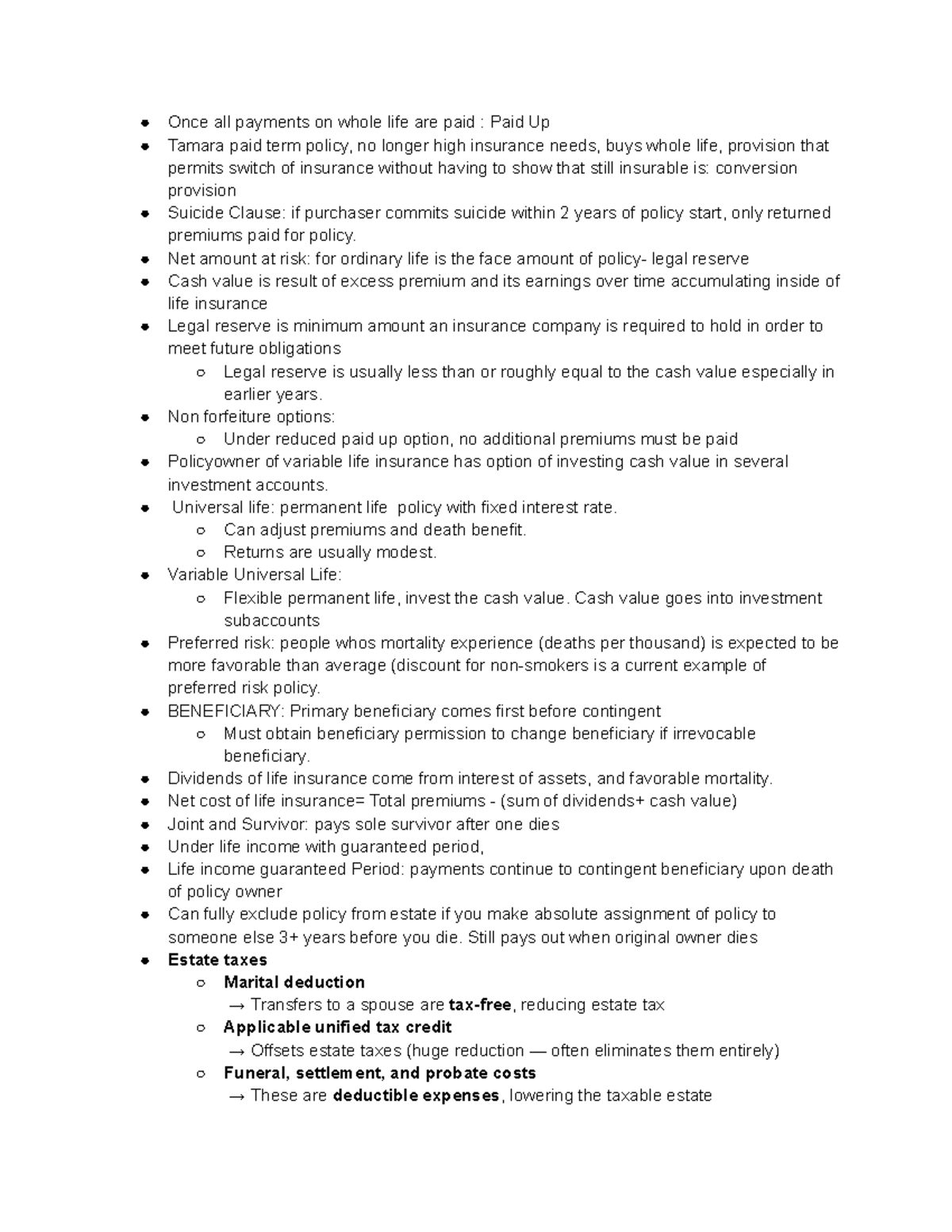
Many permanent life insurance policies (such as whole life or universal life) accumulate a "cash surrender value" over time. This is the amount of money the policyholder would receive if they chose to cancel the policy. For the purposes of the USDA RD rent calculation, this cash surrender value is classified as an asset.
When a tenant completes their certification, they must disclose the cash surrender value of any whole life insurance policy. If the total value of all the household’s assets—including the cash value of these insurance policies—exceeds the $5,000 threshold, the income calculation method changes. The property manager will then calculate the interest that the asset could generate. If that imputed interest is higher than the actual income the policy is currently generating, the imputed interest is added to the household's annual income.
Life Insurance Proceeds: Death Benefits
A common concern involves what happens if a tenant receives a life insurance death benefit payout. According to USDA Handbook guidelines, lump-sum additions to family assets, such as life insurance settlements, are not counted as income.
However, once that lump sum is received, it becomes part of the household's assets. If those funds are deposited into a bank account or used to purchase interest-bearing investments, the income generated by those funds (the interest) must be reported as part of the household’s adjusted annual income. The principal amount of the life insurance payout is treated as an asset, but the payout itself does not increase the rent calculation directly unless it is invested and begins producing interest.
Verification and Documentation Requirements
Property managers under the USDA RD umbrella are mandated to verify all assets and income sources. You cannot simply state the value of a policy; you must provide documentation.
- Policy Statements: You should provide the most recent statement from your insurance carrier. This document must clearly state the current cash surrender value of the policy.
- Verification Forms: In many cases, the property management office will send a standardized verification form directly to the insurance company to confirm the current cash value and any dividends being paid out.
- Frequency: These verifications occur at initial move-in and during annual recertification. If a policy is surrendered or matures between these dates, the tenant has an obligation to report the change if it results in a significant increase in household assets.
Comparison of Asset Treatment in USDA Rent Calculations
The table below outlines how different types of life insurance and related financial instruments are treated when calculating rent for USDA RD housing.
| Instrument Type | Status in Rent Calculation | Impact on Annual Income |
|---|---|---|
| Term Life Insurance | No Cash Value (Asset) | None |
| Whole Life Insurance | Cash Surrender Value (Asset) | Imputed interest if assets > $5,000 |
| Insurance Dividends | Current Income | Counted as actual income |
| Death Benefit Payout | Lump Sum (Asset) | None (Principal amount) |
| Interest from Payouts | Current Income | Counted as actual income |
Strategies for Accurate Reporting
To ensure your rent is calculated correctly and to avoid potential issues with federal compliance, follow these best practices:
- Keep Records Accessible: Maintain a digital or physical file containing your current life insurance statements. Having these ready during the recertification period prevents administrative delays.
- Report Changes Promptly: If you receive a significant payout or surrender a policy for its cash value, report this to your property manager immediately. Reporting in advance of the annual recertification can prevent overpayment of rent or the accumulation of an "excess rent" balance that you might owe later.
- Distinguish Between Face Value and Cash Value: When reporting, ensure you are providing the "Cash Surrender Value" to the property manager. Providing the "Face Value" (the death benefit amount) will inaccurately inflate your assets and potentially lead to an incorrectly high rent calculation.
- Verify Asset Thresholds: Always check if your total household assets exceed $5,000. If your combined assets are below this amount, the income derived from them is generally ignored in the rent calculation, simplifying the process.
Common Pitfalls and Troubleshooting
Incorrect Valuation
The most common mistake is providing the face value of a policy. If your policy has a $100,000 death benefit but a cash surrender value of only $2,000, only the $2,000 is counted as an asset. Using the face value could cause your assets to appear much higher than they are.
Missing Dividends
If your whole life policy pays annual dividends, these are considered income. Tenants often forget to report these small, recurring payments. Failure to report these can lead to an audit finding during a file review by the USDA.
Confusing "Net" vs "Gross"
When calculating asset values, you may deduct reasonable costs associated with liquidating the asset (such as surrender charges imposed by the insurance company). Ensure that the value you report reflects the net amount you would actually receive if you surrendered the policy today.
Frequently Asked Questions
Does my term life insurance count toward my rent calculation?
No. Term life insurance provides a death benefit only and does not accumulate a cash surrender value. Because it has no cash value, it is not considered an asset and does not impact your income or rent calculation.
If I win the lottery or get a large inheritance, does that count as income?
Generally, no. Large, one-time lump-sum receipts are considered assets, not income. However, they must be reported as assets. Once those funds are sitting in your bank account, the interest they earn is considered income for your next rent recertification.
Can I choose not to report my life insurance policy?
No. USDA regulations require the disclosure of all assets. Failure to disclose assets, including the cash value of life insurance, can lead to the termination of your lease or the requirement to pay back "excess assistance" for the period the asset was hidden.
What is the "passbook rate" mentioned in the rules?
The passbook rate is a specific interest rate determined by the USDA. If your total net assets exceed $5,000, the agency assumes your money is earning at least that rate of interest. They compare this "imputed" amount to the actual interest you are receiving and use the higher of the two figures to calculate your rent.
Does the USDA look at my beneficiaries?
No. The USDA is concerned only with the assets currently available to the head of household or household members at the time of certification. Who the policy pays out to upon your death is irrelevant to the agency's current rent calculation.
Next Actions for Tenants
If you are currently living in USDA RD housing, review your policy documentation to identify if your life insurance has a "cash surrender value." If you are unsure, request a "Verification of Assets" form from your insurance agent. Keep this information in your file and provide it clearly during your next scheduled recertification. If you suspect your rent was calculated using the face value of a policy instead of the cash value, contact your property manager to request a review of your file and a recalculation of your rent based on accurate asset data.
Image Gallery