Exploring the Financial Reality Behind Flo From Progressive and Her 2026 Salary
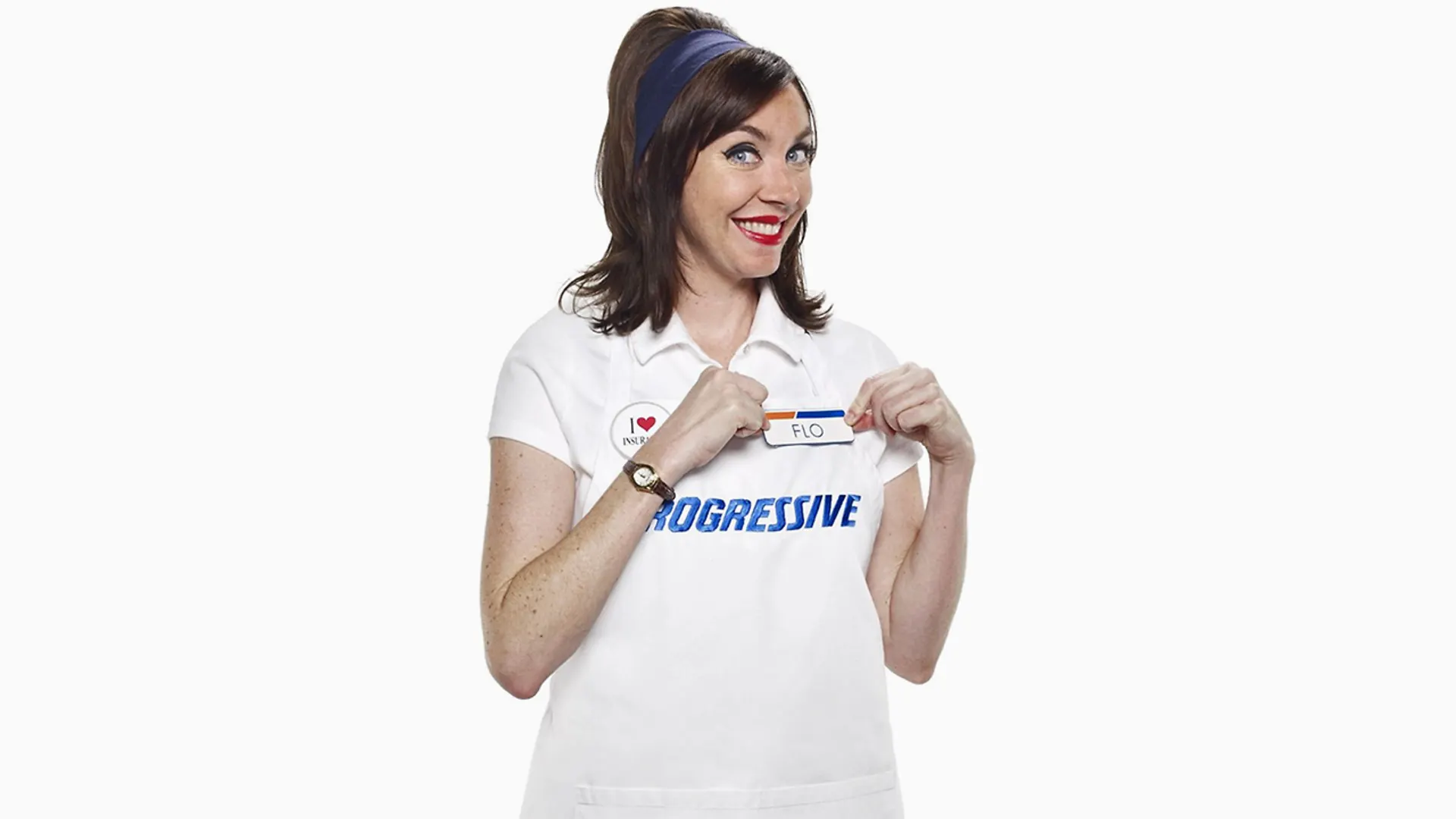
(Note: While the character Flo from Progressive is a fictional advertising icon portrayed by actress Stephanie Courtney, audience interest consistently focuses on her estimated earnings, contract structures, and the broader financial m...
(Note: While the character Flo from Progressive is a fictional advertising icon portrayed by actress Stephanie Courtney, audience interest consistently focuses on her estimated earnings, contract structures, and the broader financial mechanics of corporate brand sponsorship in 2026.)
Contents
Corporate advertising features some of the most recognizable faces in modern media, yet few characters achieve the longevity and cultural footprint of Progressive Insurance's primary spokesperson. As consumers encounter updated campaigns across television and digital platforms, questions regarding the compensation of the actress behind the apron remain a persistent search trend. Analyzing celebrity endorsement structures, union minimums, and long-term talent retention agreements provides a clear picture of what iconic brand ambassadors earn in the current media landscape.
Deconstructing the Earnings of a Corporate Brand Icon
Understanding the financial architecture behind a long-running commercial campaign requires looking past simple annual salaries. Professional actors portraying recurring corporate characters typically operate under a complex blend of baseline retainers, talent union scale guarantees, and usage-based residuals.
For an actor who has defined a major Fortune 500 brand for nearly two decades, compensation packages reflect elite-tier status in the commercial acting industry. While corporate confidentiality agreements prevent the publication of exact contract ledgers, industry benchmarks and talent agency standards offer reliable insight into these figures.
- Base Retainers: Major national brands lock in exclusive availability through multi-year contracts that guarantee substantial upfront retainers regardless of how many days are spent on set.
- Residuals and Syndication: Every time a commercial airs during prime-time television, streaming platforms, or cable syndication, the performer generates residual income calculated by Screen Actors Guild-American Federation of Television and Radio Artists (SAG-AFTRA) rate cards.
- Cross-Media Licensing: Modern campaigns extend far beyond television spots into social media takeovers, interactive digital banners, and physical merchandising, each requiring distinct licensing negotiations.
- Exclusivity Clauses: Portraying a primary brand ambassador usually prohibits the actor from accepting competing commercial work within the financial services and insurance sectors, commanding a financial premium to offset lost opportunities.
The Economics of Long-Term Brand Ambassadorships
Maintaining a single creative direction with one spokesperson for over fifteen years is a deliberate marketing strategy that yields immense brand equity. Progressive benefits from immediate consumer recognition, which reduces the friction normally associated with introducing new marketing themes.
From a financial perspective, compensating a top-tier talent handsomely is far more cost-effective than repeatedly launching campaigns with rotating casts. The return on investment for long-term consistency is measurable through customer acquisition cost metrics and brand recall studies.
| Compensation Component | Structure and Application | Estimated Financial Impact for Elite Talent |
|---|---|---|
| SAG-AFTRA Scale | Mandatory baseline pay for commercial shoots, wardrobe fittings, and audio recording sessions. | Baseline minimums that are routinely multiplied significantly for A-list corporate icons. |
| National Broadcast Residuals | Payments triggered by network television and national cable ad placements. | Substantial recurring quarterly payouts scaled by the volume of media impressions. |
| Exclusivity Retainer | Guaranteed annual compensation preventing work for rival insurance or financial brands. | High six-figure to multi-million-dollar baseline guarantees per contract cycle. |
| Digital and Streaming Usage | Extended licensing fees covering targeted YouTube ads, connected TV, and social media. | Scaled digital buyouts negotiated to reflect massive modern streaming viewership metrics. |
Career Evolution and Industry Standing of Stephanie Courtney
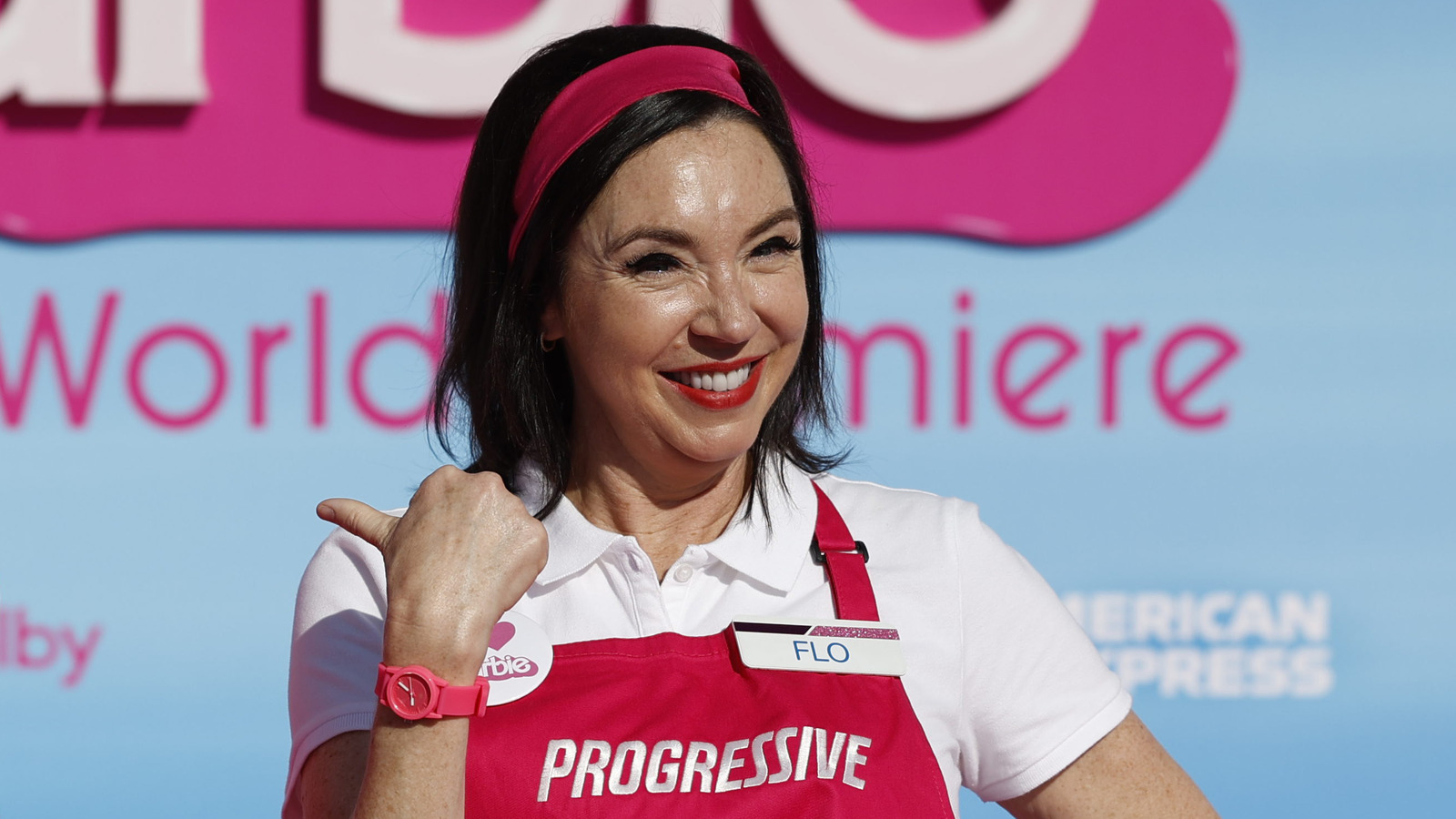
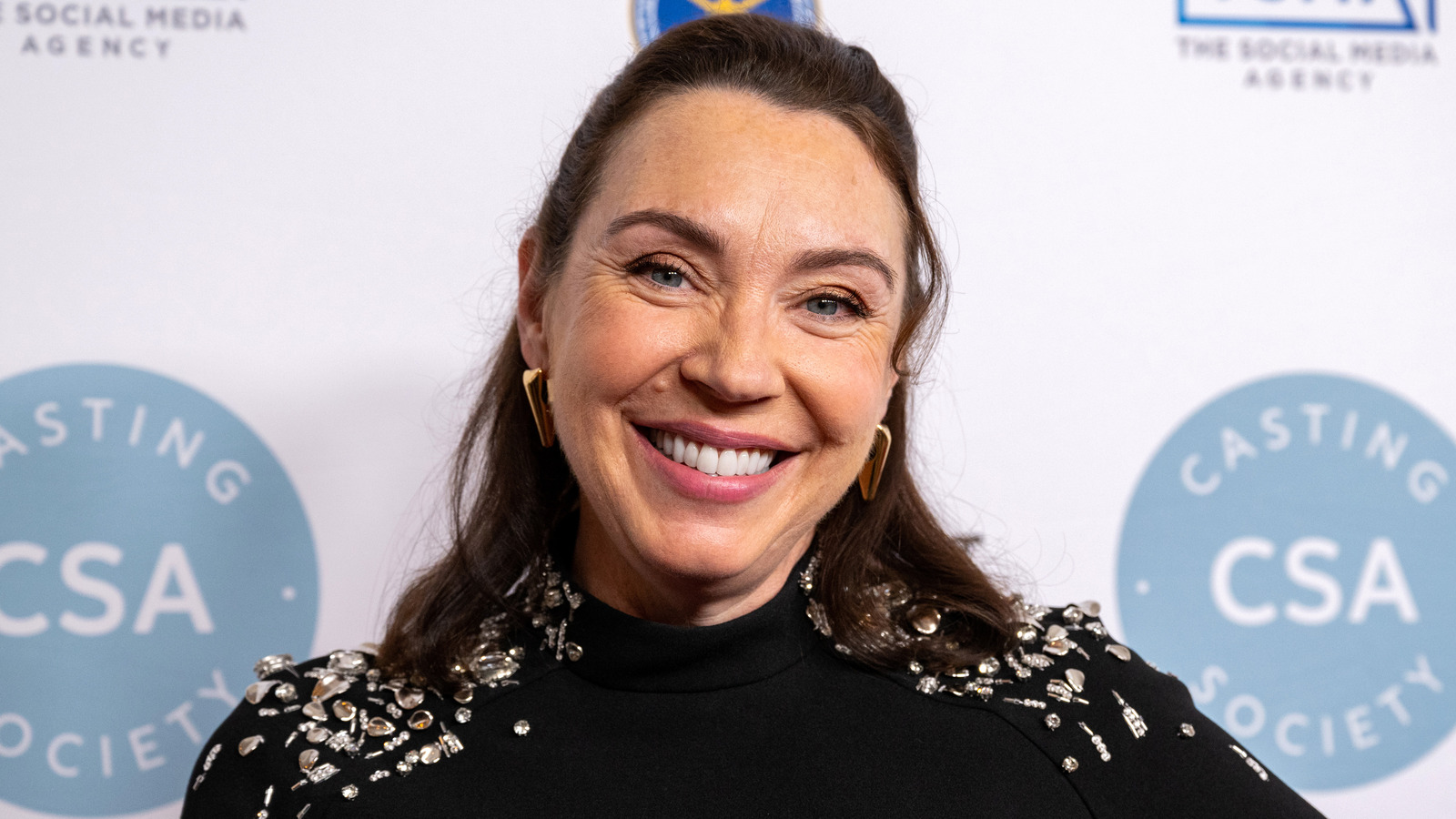
The actress behind the character, Stephanie Courtney, built her professional foundation through the Groundlings theater in Los Angeles, combining improvisational expertise with extensive television and film credits. Her journey from character actor to one of the most recognizable faces in American advertising illustrates the apex of commercial acting success.
When evaluating her career earnings up to 2026, industry analysts frequently combine her long-standing Progressive contract with secondary television guest spots, voiceover work, and residual streams from classic sitcom appearances. This diversified professional portfolio ensures robust financial security that extends well beyond her work in white insurance aprons and name tags.
Key Milestones in Commercial Longevity
- Initial Casting (2008): Securing the role during a competitive casting call that originally envisioned a different comedic tone for the insurance provider.
- Character Expansion: Transitioning from a single cashier-style interaction to starring in cinematic, narrative-driven ensemble campaigns featuring characters like Jamie and Box.
- Cultural Integration: Achieving pop culture ubiquity through Halloween costumes, internet memes, and parodies across late-night talk shows.
- Contract Renewals: Negotiating successive long-term extensions that reflect the growing multi-billion-dollar marketing footprint of the parent corporation.
Pros and Cons of Long-Running Corporate Spokesperson Campaigns
Employing a singular face for a multi-billion-dollar insurance enterprise carries distinct strategic advantages alongside notable corporate risks. Brand managers must continuously weigh the immense power of familiarity against the danger of audience fatigue.
- Pros:
- Establishes instant brand recognition and immediate emotional connection with consumers across diverse demographic segments.
- Lowers long-term media spend efficiency because audiences already trust and recognize the messenger.
- Provides stability for creative agencies tasked with developing fresh narrative angles within strict corporate guidelines.
- Cons:
- Creates heavy dependency on a single individual, making any personal controversy or talent retirement a major operational risk.
- Risks viewer fatigue if the character becomes too omnipresent or fails to evolve with changing consumer humor preferences.
- Limits creative flexibility for spin-off campaigns that must constantly work around established character lore.
Frequently Asked Questions
What is the estimated net worth of the actress who plays Flo from Progressive?
While exact personal financial statements are private, industry estimates place Stephanie Courtney's net worth between $6 million and $10 million, largely accumulated through her long-standing Progressive contract and associated residuals. Her multi-year tenure as the face of a national insurance giant has established her as one of the highest-earning commercial actors in television history.
Does Stephanie Courtney still work on other acting projects?
Yes, Courtney maintains a steady career in television, film, and voice acting alongside her commercial commitments. She has made guest appearances on numerous popular television comedies and animated series, leveraging her comedic timing outside the insurance campaign.
How much do commercial actors make compared to traditional TV and film actors?
Commercial actors are compensated through a unique system of initial session fees followed by residuals every time the advertisement airs. While standard union scale guarantees fair baseline pay, elite actors representing major national brands command custom multi-million-dollar retainers that rival starring salaries in traditional television.
Why do insurance companies keep the same spokesperson for so long?
Consistency builds deep consumer trust and strong brand recall in a crowded financial marketplace where products often appear similar. Retaining a familiar character eliminates the consumer confusion associated with frequent rebranding and capitalizes on decades of accumulated marketing investment.
Can a corporate spokesperson be replaced easily if their contract ends?
Replacing a deeply entrenched cultural icon is an extraordinarily difficult operational challenge that risks alienating consumers and disrupting brand identity. Corporations typically prefer to negotiate long-term renewals or carefully phase out characters through gradual ensemble transitions rather than abrupt recastings.
Image Gallery