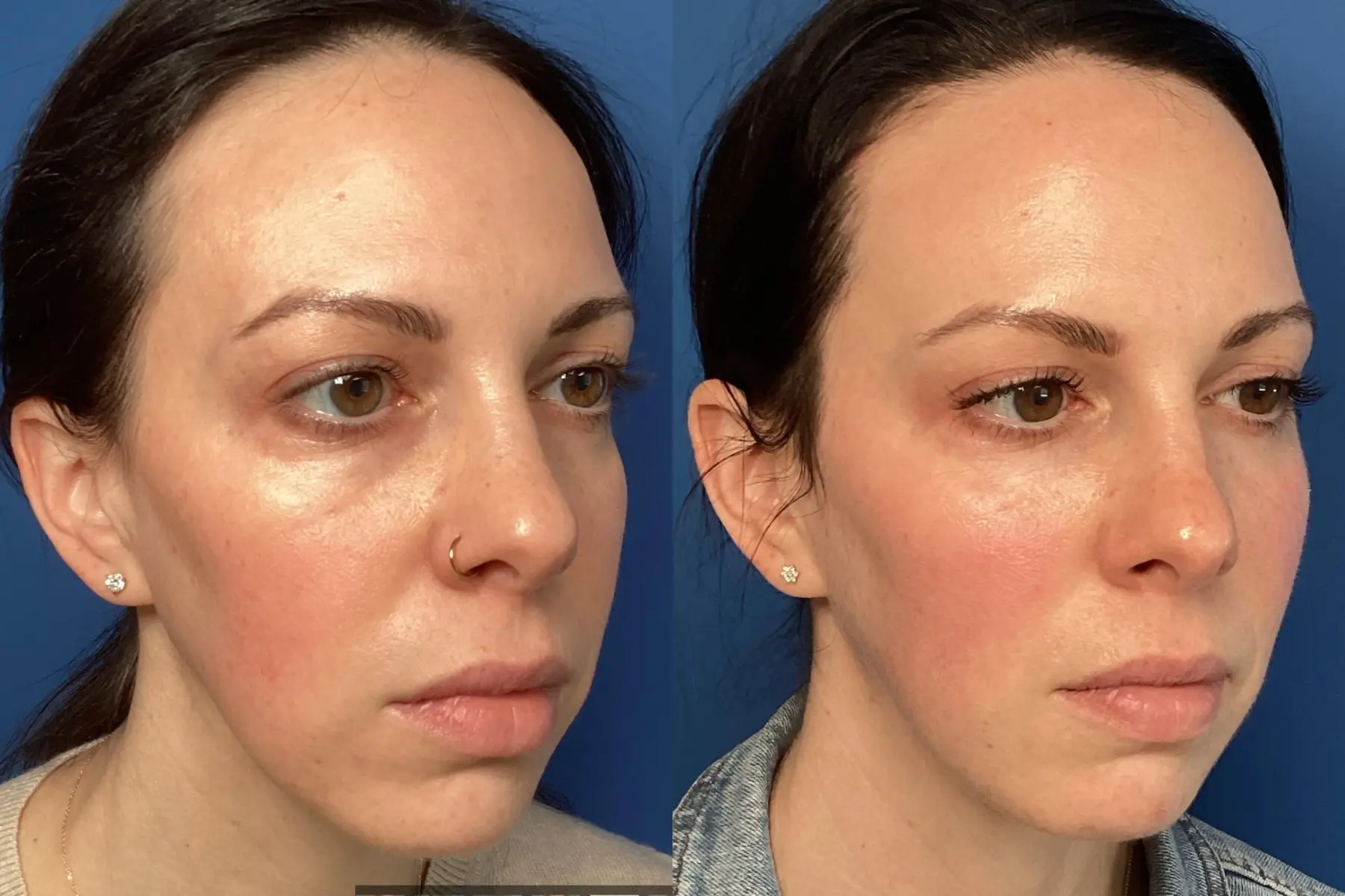
Plastic Surgery Rewind on Reddit: Reversing Cosmetic Procedures and Restoring Natural Aesthetics
On Reddit, "plastic surgery rewind" refers to the viral community trend and discussion around reversing, undoing, or revising past cosmetic procedures. Patients share real-world experiences, recovery timelines, photos, and costs associ...
On Reddit, "plastic surgery rewind" refers to the viral community trend and discussion around reversing, undoing, or revising past cosmetic procedures. Patients share real-world experiences, recovery timelines, photos, and costs associated with dissolving facial fillers, removing breast implants, and undergoing revision surgery to return to a more natural aesthetic.
Contents
Disclaimer: This article is for informational and educational purposes only and does not constitute formal medical advice. Always consult a board-certified plastic surgeon or dermatologist regarding surgical risks, revision procedures, and individualized clinical care.
What Is the "Plastic Surgery Rewind" Movement on Reddit?
Over the past decade, cosmetic procedures expanded rapidly across major online platforms. However, online discussions on subreddits such as r/PlasticSurgery, r/30PlusSkinCare, and r/Botchedsurgeries have shifted dramatically. Reddit users are increasingly documenting their journeys of "rewinding" past cosmetic interventions—moving away from heavy facial fillers, oversized breast implants, and aggressive surgical alterations in favor of anatomical balance and natural appearance.
This shift stems from several key factors shared across patient communities:
- Filler Fatigue and Oversaturation: Years of repeated dermal filler injections can lead to unintended filler migration, facial heaviness, or an over-filled look (often called "pillow face").
- Evolving Aesthetic Trends: The hyper-exaggerated aesthetic popular during the late 2010s has given way to cleaner, low-maintenance, natural facial contours.
- Physical Complications and Discomfort: Long-term implant illness symptoms (often discussed as Breast Implant Illness or BII), capsular contracture, chronic sinus obstruction from structural rhinoplasties, or chronic tissue inflammation have prompted patients to seek reversal options.
- Aging and Anatomical Changes: Cosmetic enhancements performed in a patient’s 20s may look unbalanced as natural bone structure and facial fat pads evolve in their 30s and 40s.
Reddit acts as a primary peer-to-peer forum where patients exchange unvarnished recovery experiences, warning signs, surgeon recommendations, and financial realities that official clinical websites may understate.
Common Cosmetic Procedures Being "Rewound"
Undoing cosmetic work ranges from straightforward non-surgical enzymatic injections to highly complex revision surgeries requiring tissue reconstruction.
- Primary Cosmetic Procedure
- Dermal Fillers: Hyaluronidase Enzyme Dissolution
- Breast Implants: Explantation + Capsulectomy ± Mastopexy
- Primary Rhinoplasty: Complex Revision Rhinoplasty (Grafting)
- Facial Implants: Surgical Removal + Soft Tissue Re-anchoring
Hyaluronic Acid Filler Dissolution (Hyaluronidase)
Hyaluronic acid (HA) fillers (such as Juvederm, Restylane, and Belotero) are the most frequently reversed cosmetic treatments. Surgeons and dermatologists use hyaluronidase, an injectable enzyme that breaks down the cross-linked sugar molecules in HA fillers, allowing the body to reabsorb them naturally within 24 to 48 hours.
Reddit discussions emphasize that dissolving filler is not always instantaneous or without risk. Common user reports focus on:
- Tissue Swelling and Bruising: High-dose hyaluronidase injections cause localized inflammation lasting several days.
- Off-Target Breakdown: Hyaluronidase breaks down both synthetic HA and endogenous (natural) hyaluronic acid in the dermis, temporarily affecting native tissue elasticity until natural HA regenerates over subsequent weeks.
- Allergic Testing: Experienced injectors perform a patch test prior to full treatment to rule out systemic hypersensitivity to sheep or bovine-derived hyaluronidase enzymes.
Breast Implant Removal (Explantation and Capsulectomy)
Breast implant removal—often termed explantation—is a major focus on surgical forums. Patients seek removal due to implant rupture, capsular contracture (painful hardening of scar tissue), or physical systemic symptoms.
Surgical options shared by community members include:
- Simple Explantation: Removal of the implant only, leaving the surrounding fibrous tissue capsule intact.
- Total Capsulectomy: Removal of both the implant and the entire scar capsule surrounding it.
- En Bloc Capsulectomy: Removal of the implant and intact capsule together as a single sealed unit, frequently requested when silicone rupture or severe inflammation is present.
Because breast tissue stretches over time around implants, many patients elect to combine explantation with a mastopexy (breast lift) or fat transfer to restore anatomical proportion.
Revision Rhinoplasty and Structural Undoing
Undoing a rhinoplasty is among the most challenging surgical undertakings in plastic surgery. When a primary rhinoplasty removes excessive nasal cartilage or bone—resulting in a pinched tip, collapsed airways, or an unnaturally scooped bridge—patients seek revision surgery to rebuild structural integrity.
Revision surgeons utilize autologous cartilage grafts (harvested from the nasal septum, ear canal, or rib) to rebuild lost structure, improve airflow, and soften unnatural surgical lines. Recovery timelines shared on Reddit often span 12 to 18 months before final tissue settlement occurs.
Facial Implant and Fat Removal Reversals
Solid implants placed in the chin, jawline, or cheekbones can generally be surgically excised. However, procedures involving permanent structural tissue removal—such as buccal fat removal (excision of lower cheek fat pads)—are difficult to undo. Undoing excessive buccal fat removal typically requires autologous fat grafting (harvesting fat via micro-liposuction from another body area and injecting it into the cheek cavity) or dermal fillers to restore lost facial volume.
Comparing Popular Cosmetic Reversal Procedures
The complexity, cost, and reversibility of cosmetic procedures vary significantly based on the materials used and anatomical location.
| Procedure Type | Reversal Method | Level of Reversibility | Typical Recovery Time | Estimated Cost Range (USD) |
|---|---|---|---|---|
| HA Dermal Fillers | Hyaluronidase Injection | High (90%–100%) | 2 to 7 days | $300 – $1,500 per session |
| Non-HA Fillers (Sculptra / Radiesse) | Excision, Steroid Injections, Micro-needling | Low to Moderate | Varies (Weeks to Months) | $1,000 – $4,000+ |
| Breast Implants | Surgical Explantation ± Capsulectomy | High (Structural removal) | 2 to 6 weeks | $5,000 – $15,000 |
| Primary Rhinoplasty | Revision Rhinoplasty with Cartilage Grafting | Moderate (Reconstructive limit) | 1 to 2 years (Full refinement) | $10,000 – $25,000+ |
| Chin / Facial Implants | Surgical Removal & Muscle Re-anchoring | High (Implants removed) | 1 to 3 weeks | $3,000 – $8,000 |
| Buccal Fat Removal | Micro-Fat Grafting / Sculpting | Moderate (Requires tissue building) | 1 to 2 weeks | $4,000 – $10,000 |
Key Medical and Psychological Considerations Highlighted by Reddit Users
1. Reversibility Varies by Material
Non-hyaluronic acid fillers, such as calcium hydroxylapatite (Radiesse), poly-L-lactic acid (Sculptra), or permanent silicone drops, cannot be dissolved with hyaluronidase. Reversing these treatments requires advanced surgical curettage, targeted laser heating, or micro-excisions, carrying higher risks of permanent scarring.
2. Skin Laxity and Tissue Stretching
When large volumes of filler or oversized implants are removed, the overlying skin does not always instantly snap back. Over-expanded tissue may exhibit temporary skin laxity. Patients on Reddit frequently emphasize combining dissolution or explantation with collagen-stimulating therapies (such as radiofrequency microneedling) or surgical lifts to manage excess tissue.
3. Psychological Adjustment to Restored Features
A prominent theme across Reddit "rewind" communities is psychological adjustment. Patients who spent years accustomed to filled lips, augmented cheekbones, or altered noses often experience temporary dysmorphia when viewing their original face structure in the mirror. Mental health professionals and experienced plastic surgeons recommend allowing several months for psychological acclimatization before opting for secondary procedures.
4. Financial Realities of Revision Surgery
Revision procedures almost universally cost more than primary procedures due to scar tissue, altered blood supply, and structural complexity. Board-certified revision specialists command higher surgical fees due to the technical expertise required.
Step-by-Step Guide: How to Safely "Rewind" Cosmetic Work
If you are considering reversing previous cosmetic work based on insights gained from community research, follow this structured medical pathway:
- Step 1: Clinical Evaluation & Imaging
- Step 2: Selecting a Specialized Revision Specialist
- Step 3: Phased Treatment Plan (Dissolve - Wait - Reconstruct)
- Step 4: Structured Aftercare & Tissue Recovery
Step 1: Obtain Professional Clinical Diagnostics
Before proceeding with any reversal, obtain detailed records of your past procedures, including filler types, implant serial numbers, surgical notes, and injection dates.
- For deep or migrated facial fillers, consult a facial plastic surgeon or dermatologist who utilizes high-frequency ultrasound (HFUS). Ultrasound imaging identifies the exact anatomical layer, volume, and material of migrated filler prior to injection of dissolving agents.
- For breast implants, secure an MRI or ultrasound to check for silent implant rupture or capsular involvement.
Step 2: Choose a Dedicated Revision Specialist
Not all primary surgeons specialize in revision work. Seek out board-certified plastic surgeons (via the American Board of Plastic Surgery or equivalent international licensing bodies) or board-certified dermatologists who maintain explicit experience in revision cases. Review their revision-specific before-and-after portfolios rather than primary procedure galleries.
Step 3: Implement a Phased Reversal Strategy
Avoid rushing back-to-back procedures.
- Filler Reversals: Inject hyaluronidase in conservative, staged doses rather than aggressive single sessions. Wait at least 2 to 4 weeks between dissolution sessions to allow native tissue edema to subside.
- Surgical Reversals: If planning cosmetic re-adjustments after explantation or filler removal, wait 3 to 6 months. This grace period allows internal soft tissues to resettle into their baseline positions.
Step 4: Adhere to Post-Procedure Recovery Protocols
Follow surgical aftercare protocols precisely:
- Wear compression garments as directed to prevent seroma formation post-explant.
- Avoid applying pressure or heavy heat (such as saunas or intensive workouts) immediately following enzyme injections.
- Monitor for signs of localized infection, skin necrosis, or systemic allergic responses.
Frequently Asked Questions
Is dissolving dermal filler completely safe?
Hyaluronidase is a widely used, FDA-approved enzyme with a strong safety profile. However, potential risks include localized bruising, swelling, allergic reactions, and temporary breakdown of natural tissue hyaluronic acid. Performing ultrasound-guided dissolution and patch testing minimizes these risks significantly.
Can you completely reverse buccal fat removal?
Buccal fat removal cannot be directly reversed because the excised fat pads do not regenerate. However, plastic surgeons can restore volume to hollowed cheeks using autologous fat grafting (transferring fat from the abdomen or thighs) or carefully placed hyaluronic acid fillers.
Why is revision plastic surgery more expensive than initial surgery?
Revision surgery requires navigating pre-existing scar tissue, altered blood vessel structures, and compromised anatomical planes. Surgeons frequently need to perform complex reconstructive techniques, such as harvesting cartilage grafts, which increases surgical time, anesthesia requirements, and technical difficulty.
How long should I wait after getting filler before dissolving it?
While HA filler can technically be dissolved within days of injection, most dermatologists recommend waiting 2 to 4 weeks post-injection. This allows acute post-injection swelling and tissue trauma to fully resolve, ensuring you are evaluating the true aesthetic result before introducing dissolving enzymes.
How do I find a doctor who specializes in procedure reversals?
Look for board-certified plastic surgeons or dermatologists who explicitly showcase revision work and utilize diagnostic tools like high-frequency ultrasound. Peer groups on Reddit can offer initial doctor suggestions, but credentials should always be independently verified through state medical boards and recognized professional societies.
Next Actions and Clinical Steps
If you are experiencing dissatisfaction, physical pain, or aesthetic fatigue from past cosmetic work:
- Gather Medical Documentation: Request your full operative reports, product batch stickers, and injection records from your previous providers.
- Schedule an Ultrasound Diagnostic Consultation: Book an appointment with a board-certified specialist who utilizes facial ultrasound or advanced imaging to map internal tissues before touching them.
- Avoid Impulsive Quick Fixes: Resist the urge to immediately add more filler or undergo rapid re-operation to fix a poor result. Allow tissues adequate time to rest, heal, and settle between interventions.
Image Gallery