Will Organized Crime Return? The Evolution of Criminal Networks in 2026
Organized crime never truly disappeared; it underwent a profound structural transformation. In 2026, we are witnessing a "return" not of the traditional street-corner rackets, but of sophisticated, decentralized, and hyper-digitalized...
Organized crime never truly disappeared; it underwent a profound structural transformation. In 2026, we are witnessing a "return" not of the traditional street-corner rackets, but of sophisticated, decentralized, and hyper-digitalized syndicates. Modern organized crime has traded hierarchical family trees for globalized supply-chain infiltration and cyber-extortion, making it more resilient and pervasive than in the previous century.
Contents
The Myth of the "Return": Understanding the Transition
To ask if organized crime will return is to misunderstand its recent history. For much of the early 21st century, law enforcement successes against traditional hierarchical structures—such as the American La Cosa Nostra or the Sicilian Mafia—created a public perception that organized crime was in terminal decline. Large-scale prosecutions using the Racketeer Influenced and Corrupt Organizations (RICO) Act in the United States and similar legislation in Europe dismantled the "Godfather" model of criminal governance.
However, criminologists now recognize that these organizations did not vanish; they adapted. The "return" seen in 2026 is actually the emergence of "Organized Crime 2.0." This new iteration is characterized by a shift from territorial control to functional specialization. Instead of one group controlling every aspect of a vice, we now see a "gig economy" of crime. A single drug shipment might involve a South American producer, a Balkan logistics specialist, a Western European distributor, and an Eastern European money launderer, all of whom may never meet in person.
This fragmentation makes the networks harder to decapitate. When a "Boss" was arrested in 1980, the family might collapse. In 2026, if a node in a criminal network is removed, the automated systems and decentralized nature of the network simply route the illicit goods through a different node, much like the internet handles data packet loss.
From Silk Suits to Silver Servers: The Digital Dominance
The most visible "return" of organized crime is happening in the digital realm. In 2026, cybercrime-as-a-service (CaaS) has become the primary revenue driver for many syndicates. Traditional groups have realized that the risk-to-reward ratio of digital extortion is far superior to that of physical bank robberies or protection rackets.
The Rise of Ransomware Syndicates
Ransomware has evolved from a nuisance into a multi-billion dollar industry. Groups like the successors to LockBit or REvil operate like corporate entities, complete with human resources departments, 24/7 technical support for victims (to facilitate payment), and public relations arms. These organizations utilize encryption-as-a-weapon, targeting critical infrastructure, hospitals, and municipal governments.
The "return" here is evidenced by the sheer scale of the operations. In 2026, the global cost of cybercrime is projected to exceed $12 trillion annually. These are not lone hackers in basements; they are well-funded organizations that often operate with the tacit approval or direct support of "rogue" nation-states, providing them with a safe haven from Western extradition.
Money Laundering in the Crypto-Era
The return of organized crime is facilitated by the maturation of decentralized finance (DeFi). While early Bitcoin transactions were relatively easy for the FBI or Interpol to track, the 2026 landscape features "privacy coins" and sophisticated tumbling services or "mixers" that break the link between the source of funds and the final destination. Criminal networks use these tools to move billions across borders in seconds, bypassing the traditional banking system and its Anti-Money Laundering (AML) triggers.
Geopolitical Instability and the Resurgence of Cartels
The year 2026 finds the world in a state of significant geopolitical flux. Conflict zones and economic instability are the primary catalysts for the resurgence of traditional-style organized crime, albeit with modern logistical capabilities.
The Balkan and Eurasian Corridors
With the ongoing shifts in Eastern Europe, traditional smuggling routes have been revitalized. Transnational organized crime (TOC) groups have exploited the chaos to move not just narcotics, but also weapons and human trafficking victims. These groups have become increasingly professionalized, often infiltrating state institutions to ensure the smooth passage of illicit cargo.
Latin American Cartel Evolution
In the Americas, the "return" of organized crime is marked by the diversification of the cartels. The Sinaloa Cartel and the Jalisco New Generation Cartel (CJNG) no longer rely solely on cocaine or fentanyl. They have moved into "green crime," such as illegal logging, mining, and even the extortion of the avocado and lime industries. By controlling the supply chains of legitimate goods, these groups have embedded themselves into the global economy in a way that makes them nearly impossible to extract without causing significant economic collateral damage.
Economic Impact and Supply Chain Infiltration
One of the most insidious aspects of the return of organized crime is its infiltration of the legal economy. In 2026, the line between "upper-world" and "under-world" business is increasingly blurred.
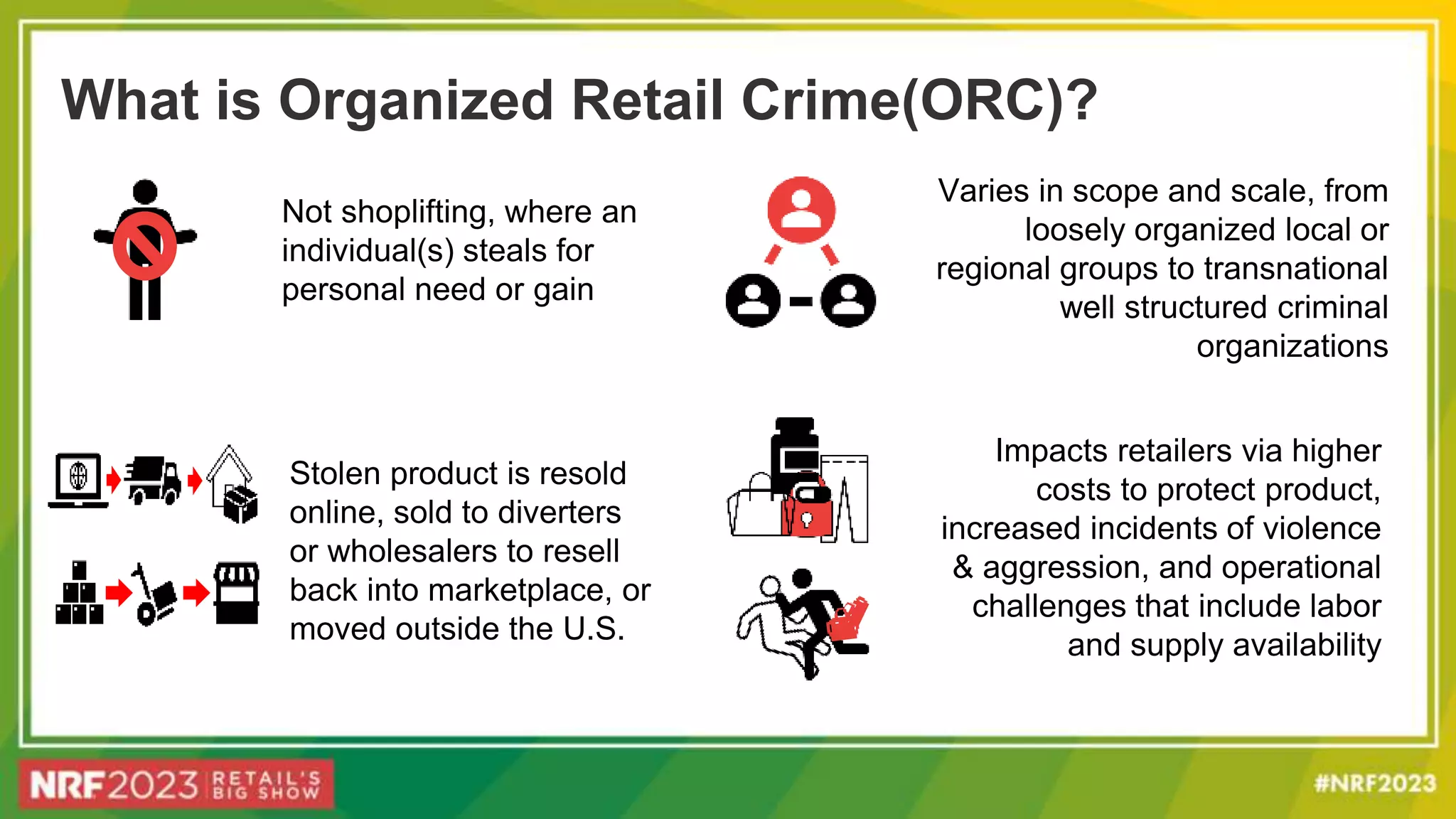
Organized crime groups now invest heavily in logistics, shipping, and recycling industries. By owning the trucks, the warehouses, and the shipping containers, they can "hide in plain sight." This is known as the infiltration of the licit economy. When a criminal organization owns a legitimate construction company, they can launder money through inflated contracts, suppress competition through intimidation, and gain access to government tenders.
| Attribute | Traditional Organized Crime (Pre-2000) | Modern Organized Crime (2026) |
|---|---|---|
| Structure | Hierarchical / Pyramid-based | Decentralized / Network-based |
| Primary Revenue | Physical Racketeering / Local Drug Trade | Cybercrime / Global Supply Chain Fraud |
| Communication | Face-to-face / Payphones | End-to-end Encryption / Darknet |
| Money Handling | Cash / Briefcases | Cryptocurrency / Shell Company Clusters |
| Visibility | High (Neighborhood "Social Clubs") | Low (Corporate Offices / Remote Servers) |
| Jurisdiction | Local / Regional | Transnational / Borderless |
Law Enforcement’s Response: Technological Warfare
The "return" of these threats has forced a total reorganization of law enforcement. In 2026, the focus has shifted from "boots on the ground" to predictive criminology and data analytics.
AI and Big Data
Agencies like the UNODC (United Nations Office on Drugs and Crime) and Europol now use artificial intelligence to scan millions of financial transactions per second. They look for patterns of "smurfing" (breaking large sums of money into small, less suspicious amounts) and monitor changes in shipping routes that might indicate the presence of illicit goods.
International Cooperation
Because organized crime is now borderless, law enforcement has had to follow suit. The Joint Cybercrime Action Taskforce (J-CAT) and similar initiatives allow for real-time intelligence sharing. However, the challenge remains that many criminal organizations operate from jurisdictions that refuse to cooperate with international law, creating "black holes" in global enforcement.
The Role of the "Shadow Economy"
The return of organized crime is also fueled by the expansion of the shadow economy. As inflation and economic pressures have impacted the global middle class in the mid-2020s, the demand for cheaper, counterfeit goods has skyrocketed. Organized crime syndicates fulfill this demand, providing everything from counterfeit pharmaceuticals to pirated software and luxury knock-offs.
This is not a victimless crime. Counterfeit medicines, often produced by criminal labs in South Asia or Africa, result in thousands of deaths annually. Furthermore, the profits from these "lower-tier" crimes provide the seed money for more violent activities, including arms trafficking and the funding of extremist groups.
Suitability and Risk: Who is the Target?
In 2026, organized crime has moved beyond the "ghetto" or the "mob-controlled neighborhood." Every individual and business is a potential target.
- Small Businesses: Are targeted for ransomware and "digital protection" (paying not to be DDoSed).
- Large Corporations: Face intellectual property theft and corporate espionage directed by state-sponsored criminal groups.
- Individuals: Are at risk of identity theft and "pig butchering" scams (long-term financial fraud).
The "return" is effectively the democratization of victimhood; you no longer have to live in a specific city or work in a specific industry to be affected by organized crime.
FAQ: The State of Organized Crime in 2026
1. Is the traditional Italian Mafia still a threat?
Yes, but they have evolved. Groups like the 'Ndrangheta have become global leaders in the cocaine trade and money laundering. They maintain their traditional blood-bond rituals but operate as a sophisticated multinational corporation with interests in real estate and renewable energy across Europe.
2. How does the return of organized crime affect the average person?
The effects are mostly felt through increased prices and decreased security. Cybercrime costs are passed on to consumers through higher insurance premiums and service fees. Furthermore, the infiltration of supply chains can lead to the presence of substandard or dangerous counterfeit goods in the market.
3. What is the most dangerous criminal organization today?
There is no single "most dangerous" group, but rather "threat clusters." Transnational cyber-syndicates pose the greatest threat to economic stability, while the Latin American cartels remain the primary drivers of physical violence and the narcotics crisis.
4. Can law enforcement ever truly defeat organized crime?
Total elimination is unlikely because organized crime provides goods and services for which there is a public demand (drugs, gambling, cheaper goods). The goal of 2026 law enforcement is "containment and disruption"—making it so difficult and expensive to operate that the organizations cannot achieve systemic influence.
5. Why is it called a "return" if they never left?
The term "return" is used because organized crime has regained the level of economic and political influence it had during the mid-20th century, but through different methods. It is a return to structural relevance rather than a return to old-fashioned methods.
Next Actions for Individuals and Businesses
To navigate this landscape in 2026, proactive defense is mandatory. For businesses, this means implementing Zero Trust architecture in their digital infrastructure and conducting deep-dive audits of their supply chains to ensure they are not inadvertently funding criminal entities. For individuals, the focus must be on digital hygiene: using hardware security keys for authentication, being skeptical of unsolicited financial opportunities, and staying informed about the evolving tactics of digital syndicates.
The return of organized crime is not a temporary spike but a permanent shift in the global risk environment. Understanding that these groups now operate more like tech startups than street gangs is the first step in mounting a credible defense.
Image Gallery