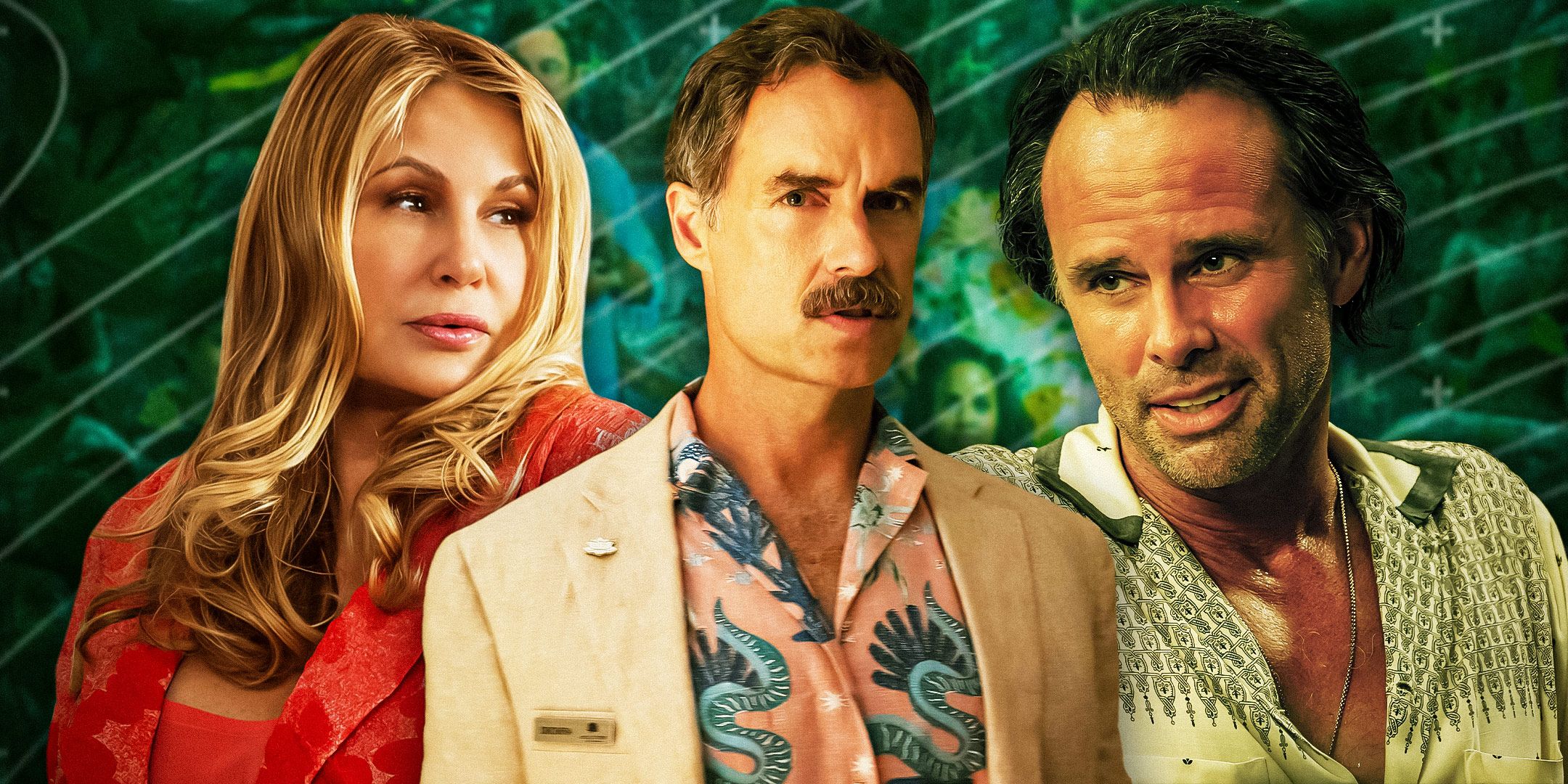
Behind the Scenes: Why the White Lotus Season 4 Norway Plan Fell Apart
The highly anticipated fourth season of HBO’s hit anthology series The White Lotus was initially slated to explore the icy, dramatic landscapes of Norway. However, production plans eventually shifted away from Scandinavia, leading to t...
The highly anticipated fourth season of HBO’s hit anthology series The White Lotus was initially slated to explore the icy, dramatic landscapes of Norway. However, production plans eventually shifted away from Scandinavia, leading to the selection of Thailand as the filming location. The cancellation of the Norway project was primarily due to logistical challenges regarding the country’s high production costs, complex tax incentive structures for foreign film crews, and the specific aesthetic requirements of creator Mike White.
Contents
The Original Vision for a Nordic Setting
When The White Lotus first captured global attention, the show’s creator, Mike White, began scouting locations that would provide a stark contrast to the tropical settings of Hawaii, Sicily, and Thailand. Norway was identified early on as a prime candidate for the show's fourth outing. The appeal was clear: the dramatic fjords, the unique play of light in the Arctic Circle, and the sterile, modern architecture of Norwegian luxury retreats promised to provide an unsettling, cold atmosphere perfectly suited to the show’s satirical take on wealth and human behavior.
For a series that relies heavily on "place" as a character, the setting is not merely a backdrop but a narrative tool. The vision for Norway involved utilizing the country's minimalist, high-end design culture to mirror the emotional detachment of the series’ wealthy characters. However, as the pre-production phase progressed, the realities of filming a high-budget series in Northern Europe collided with the practical requirements of the production team.
Logistical Challenges and Financial Hurdles
The primary reason for the abandonment of the Norway plan was a combination of financial feasibility and structural logistics. Norway is notoriously one of the most expensive locations in the world for large-scale film production. Beyond the basic costs of labor, accommodation, and equipment logistics, the specific tax incentives available in 2024 and 2025 did not align with the needs of a project of this scale.
Tax Incentives and Financial Feasibility
While many countries offer lucrative tax rebates to attract major streaming productions—often covering 30% to 40% of local spend—Norway’s incentive program has historically been more restrictive and capped at lower thresholds. For an HBO series with an expansive cast and crew, these financial limitations made Norway a significantly more expensive proposition compared to other international destinations.
Environmental and Seasonal Constraints
Filming in Norway also presents significant environmental and seasonal challenges. To achieve the specific aesthetic of a cold, isolated luxury environment, the crew would have been restricted by limited daylight hours during the winter months, or conversely, the extreme tourism surges during the short summer season. Balancing the need for absolute exclusivity and location control—a staple of the White Lotus filming model, where the hotel is often taken over entirely by the production—was functionally difficult in a nation with strict labor laws and environmental conservation policies that limit private access to natural landmarks.
Comparison of Production Challenges
The decision to pivot to another location underscores the complex trade-offs required by modern television production. The table below outlines why specific regional factors often dictate the viability of international filming locations for prestige dramas.
| Factor | Norway (Initial Choice) | Thailand (Selected Location) |
|---|---|---|
| Operational Costs | Very High | Moderate |
| Tax Incentives | Limited/Capped | Competitive/High Yield |
| Access/Permits | Complex (Protected land) | Streamlined (Film-friendly) |
| Lighting/Climate | Extreme seasonal variance | Stable/Predictable |
| Production Infrastructure | Niche | Robust/Extensive |
The Impact of Production Infrastructure
Beyond the balance sheet, infrastructure played a decisive role. The White Lotus requires a specific type of hospitality environment: a luxury resort that can be cordoned off for months. While Norway boasts world-class hotels, the scale and availability of properties that fit the specific requirements of the show—combined with the accessibility of international airports and local production crews experienced in high-end episodic television—were more readily available in markets like Thailand.
The production team requires "plug-and-play" capability, where a region’s support services (lighting, rigging, catering for hundreds, and specialized transportation) are already scaled to accommodate massive temporary influxes of labor. Moving a production to a remote Norwegian location would have required an immense logistical "lift," essentially building a temporary city in an environment where resources are already stretched thin by local tourism.
Creative Evolution: From Cold to Tropical
Ultimately, the transition from the "Norway Plan" to a Southeast Asian setting reflects Mike White’s creative evolution. While the cold, isolated nature of Norway would have offered a stylistic departure, Thailand provided a broader range of visual textures—from the lush, humid jungle environments to the pristine, white-sand beaches—that arguably offered more versatility for the storytelling needs of the fourth season.
By abandoning the Scandinavian experiment, the production was able to leverage the established infrastructure in Asia, allowing for a more seamless, cost-effective, and creatively flexible filming experience. The decision highlights how, in the competitive landscape of premium television, the marriage of creative vision and economic reality is the ultimate determinant of a show’s production geography.
Frequently Asked Questions
Was the Norway location officially confirmed by HBO? No. While there was significant industry reporting and speculation regarding Norway as a frontrunner for the fourth season, HBO never officially confirmed the location. The decision to move elsewhere was made during the internal scouting and budgeting phase.
Did local government policies in Norway cause the departure? It was not necessarily a matter of government "rejection," but rather a misalignment between the show's budgetary expectations and the available financial incentives provided by the Norwegian film commission at that time.
How does Thailand offer better logistics for the show? Thailand is a highly experienced hub for international film production with a deep pool of local technical talent, specialized equipment rental houses, and well-established processes for handling large-scale foreign productions, which reduces the "hidden" costs of filming.
Will Mike White ever revisit the idea of a cold-weather season? Mike White has expressed interest in diverse global settings. While the Norway plan fell through, it does not rule out future seasons exploring climates outside of the traditional tropical resort aesthetic.
Does the location change affect the plot or themes of Season 4? Yes. The environment of The White Lotus serves as a thematic anchor. A shift from a potential Nordic setting to a tropical environment inherently changes the color palette, the activities of the characters, and the overall mood of the satire.
Final Recommendations for Production Researchers
For those tracking the movement of major television productions, the case of the White Lotus Norway plan serves as a reminder that prestige does not equate to infinite budgets. When evaluating why a location is chosen or discarded, look primarily at the intersection of local tax rebate percentages and the availability of "turn-key" luxury hospitality infrastructure. As production costs rise globally, even the most acclaimed shows are subject to the same fiscal constraints as smaller, independent projects.
Image Gallery