Used Nissan Rogue Reviews: Reliability, Model Years, and Buying Guide
A used Nissan Rogue is a practical, value-oriented choice for drivers seeking a comfortable compact SUV with generous cargo space and modern safety technology. While recent models from 2021 onward offer significant improvements in refi...
A used Nissan Rogue is a practical, value-oriented choice for drivers seeking a comfortable compact SUV with generous cargo space and modern safety technology. While recent models from 2021 onward offer significant improvements in refinement and performance, older versions (2014–2020) provide a more affordable entry point, provided the vehicle's transmission history is carefully verified before purchase.
Contents
The Nissan Rogue has long been one of the best-selling SUVs in North America, competing directly with heavyweights like the Toyota RAV4 and Honda CR-V. As we look at the used market in 2026, the Rogue presents a complex landscape for buyers. It is often praised for its "Zero Gravity" seats and accessible tech, but it has also faced historical scrutiny regarding its continuously variable transmission (CVT). Understanding which model years to prioritize—and which to avoid—is essential for making a sound financial investment.
The Evolution of the Nissan Rogue
To evaluate a used Nissan Rogue, one must first distinguish between its three primary generations. Each era represents a significant shift in build quality, interior materials, and mechanical reliability.
Third Generation (2021–Present)
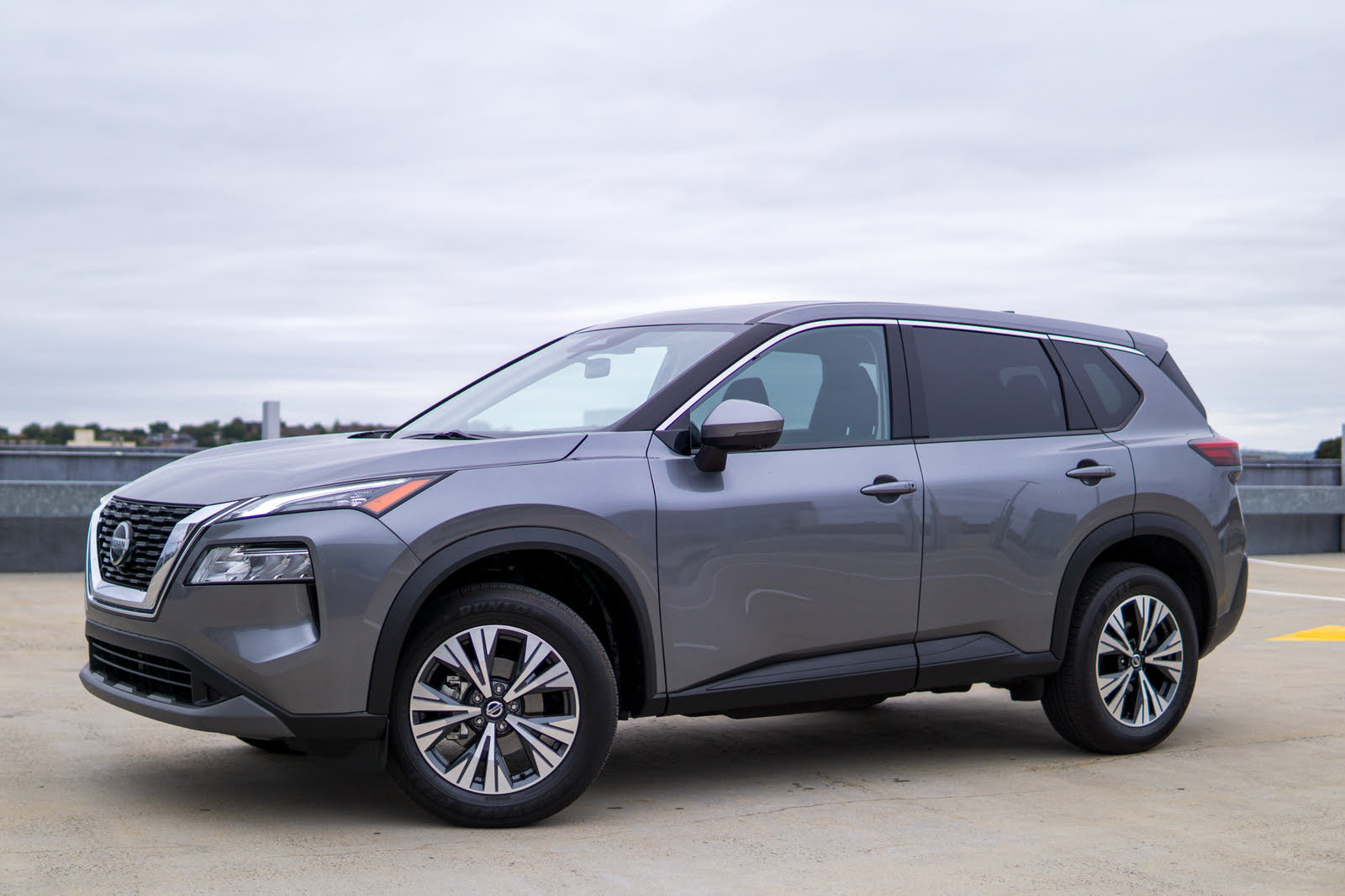
The third-generation Rogue, launched for the 2021 model year, represented a "ground-up" redesign. It moved to a more rigid platform and adopted a boxier, more rugged aesthetic. For used car buyers in 2026, this generation is the gold standard for the nameplate.
- 2021 Model Year: This year featured the tried-and-true 2.5-liter four-cylinder engine producing 181 horsepower. It is often considered the "safe" choice for those wary of new engine technologies.
- 2022–Present: Nissan introduced the 1.5-liter three-cylinder Variable Compression Turbo (VC-Turbo) engine. This powerplant increased output to 201 horsepower and 225 lb-ft of torque while improving fuel efficiency. While more complex, it offers a much punchier driving experience than the older four-cylinder units.
Second Generation (2014–2020)
This generation cemented the Rogue's status as a family favorite. It introduced a more fluid design language and an available (though very cramped) third row in early models. A significant refresh occurred in 2017, adding better sound insulation, updated styling, and the introduction of Apple CarPlay and Android Auto in later years.
First Generation (2008–2013)
These models are now budget-tier vehicles. While they were revolutionary for Nissan at the time, they are prone to significant CVT issues and lack the safety features expected by modern standards. Unless the vehicle has an extensive service record and an incredibly low price, they are generally harder to recommend in 2026.
Analyzing Mechanical Reliability: The CVT Factor
The most critical component to investigate in any used Nissan Rogue review is the Xtronic Continuously Variable Transmission (CVT). Manufactured by JATCO (a subsidiary of Nissan), these transmissions were designed to optimize fuel economy by eliminating traditional gear shifts.
Historically, earlier CVTs (roughly 2010–2016) suffered from cooling issues that led to premature belt wear and total fluid breakdown. Symptoms of a failing CVT in a used Rogue include:
- "Hunting" or Surging: The RPMs fluctuate wildly while maintaining a steady speed.
- Limp Mode: The vehicle loses power significantly to protect the transmission from overheating.
- Whining Noise: A high-pitched sound during acceleration often indicates internal bearing wear.
By 2017, Nissan implemented significant software and hardware updates to improve CVT longevity. By the 2021 redesign, the transmission featured a new twin-oil pump system and a wider gear ratio coverage, which has drastically reduced the failure rates seen in older models.
Used Nissan Rogue Comparison: Gen 2 vs. Gen 3
| Feature | Second Gen (2017-2020) | Third Gen (2021-2024) |
|---|---|---|
| Engine | 2.5L 4-Cylinder (170 hp) | 1.5L VC-Turbo (201 hp) |
| Transmission | Older Xtronic CVT | Enhanced Xtronic CVT |
| Fuel Economy (Avg) | ~28-29 MPG | ~31-33 MPG |
| Max Cargo Space | 70.0 cu ft | 74.1 cu ft |
| Safety Tech | Safety Shield 360 (Later years) | Standard Safety Shield 360 |
| Infotainment | 7-inch Touchscreen | 8-inch or 12.3-inch Screen |
Interior Comfort and Practicality
One area where the Nissan Rogue consistently outshines its used-market competitors is cabin ergonomics. Nissan’s Zero Gravity seats, inspired by NASA technology, are designed to reduce fatigue by supporting the spine in a neutral position. This makes the Rogue a premier choice for long-distance commuters.
Cargo Management (Divide-N-Hide)
The Rogue features a proprietary "Divide-N-Hide" cargo system. In the second and third generations, this allows owners to adjust the floor panels into various configurations, creating shelves or hidden compartments. This is a significant advantage for used buyers who prioritize organization without purchasing aftermarket accessories.
Rear Seat Access
The third-generation (2021+) Rogue features rear doors that open nearly 90 degrees. This is a vital detail for parents dealing with car seats. When inspecting a used unit, check the door hinges for smooth operation, as these wide-opening doors are heavy and can occasionally sag if abused.
Which Used Model Years Are Best?
When shopping for a used Rogue in 2026, targeting specific years can help you avoid the most common pitfalls.
- The "Smart" Value: 2019–2020. These represent the pinnacle of the second generation. Most of the CVT kinks were ironed out, and Nissan’s Safety Shield 360 suite (including automatic emergency braking and blind-spot warning) became more widely available or standard across trims.
- The "Premium" Choice: 2021–2022. These models offer the modern interior and improved chassis. The 2021 model is particularly desirable for those who prefer the simplicity of a non-turbocharged engine.
- Years to Avoid: 2013–2015. These years saw the highest frequency of transmission complaints and cooling system failures according to NHTSA data and consumer advocacy reports.
Safety and Driver Assistance Technology
Nissan was an early adopter of semi-autonomous driving features through its ProPILOT Assist system. On the used market, you will find this on SV and SL trims.
- Functionality: It combines steering assist with adaptive cruise control to help keep the vehicle centered in its lane and maintain a set distance from the car ahead.
- Verification: During a test drive, ensure the steering wheel sensors are functional and that the system does not abruptly disengage.
- Safety Ratings: The Rogue has consistently earned "Top Safety Pick" or "Top Safety Pick+" designations from the Insurance Institute for Highway Safety (IIHS). However, newer side-impact tests introduced in recent years favor the 2021+ models over the older versions.
Common Maintenance Requirements and Costs
Owning a used Rogue requires adherence to a strict maintenance schedule, particularly regarding the transmission.
- CVT Fluid Changes: Experts recommend changing the CVT fluid every 30,000 to 40,000 miles, regardless of what the "lifetime" fluid claims might suggest. This is the single most effective way to prevent catastrophic failure.
- Brakes and Rotors: The Rogue uses an electronic parking brake and torque vectoring (which uses the brakes to help steer). This can lead to slightly faster rear brake wear than in some older SUVs.
- Suspension Bushings: On 2014–2018 models, listen for creaking sounds when going over speed bumps, as front control arm bushings are a known wear item.
Frequently Asked Questions
Is a used Nissan Rogue a reliable car?
The reliability of a used Rogue depends heavily on the model year. 2021 and newer models have shown excellent reliability scores. For models between 2014 and 2020, reliability is average, provided the CVT has been maintained. Versions from 2013 and earlier are generally considered less reliable due to aging transmission technology.
How long does a Nissan Rogue CVT last?
With proper maintenance and fluid changes every 30,000 miles, a modern Nissan CVT can last well over 150,000 miles. However, without maintenance, failures have been reported as early as 70,000 to 90,000 miles in older second-generation models.
Does the Rogue require premium gas?
No. All versions of the Nissan Rogue, including the VC-Turbo engine found in 2022+ models, are designed to run on 87-octane regular unleaded gasoline. Using premium fuel does not provide a significant performance or longevity benefit for this specific vehicle.
What is the difference between the Rogue and the Rogue Sport?
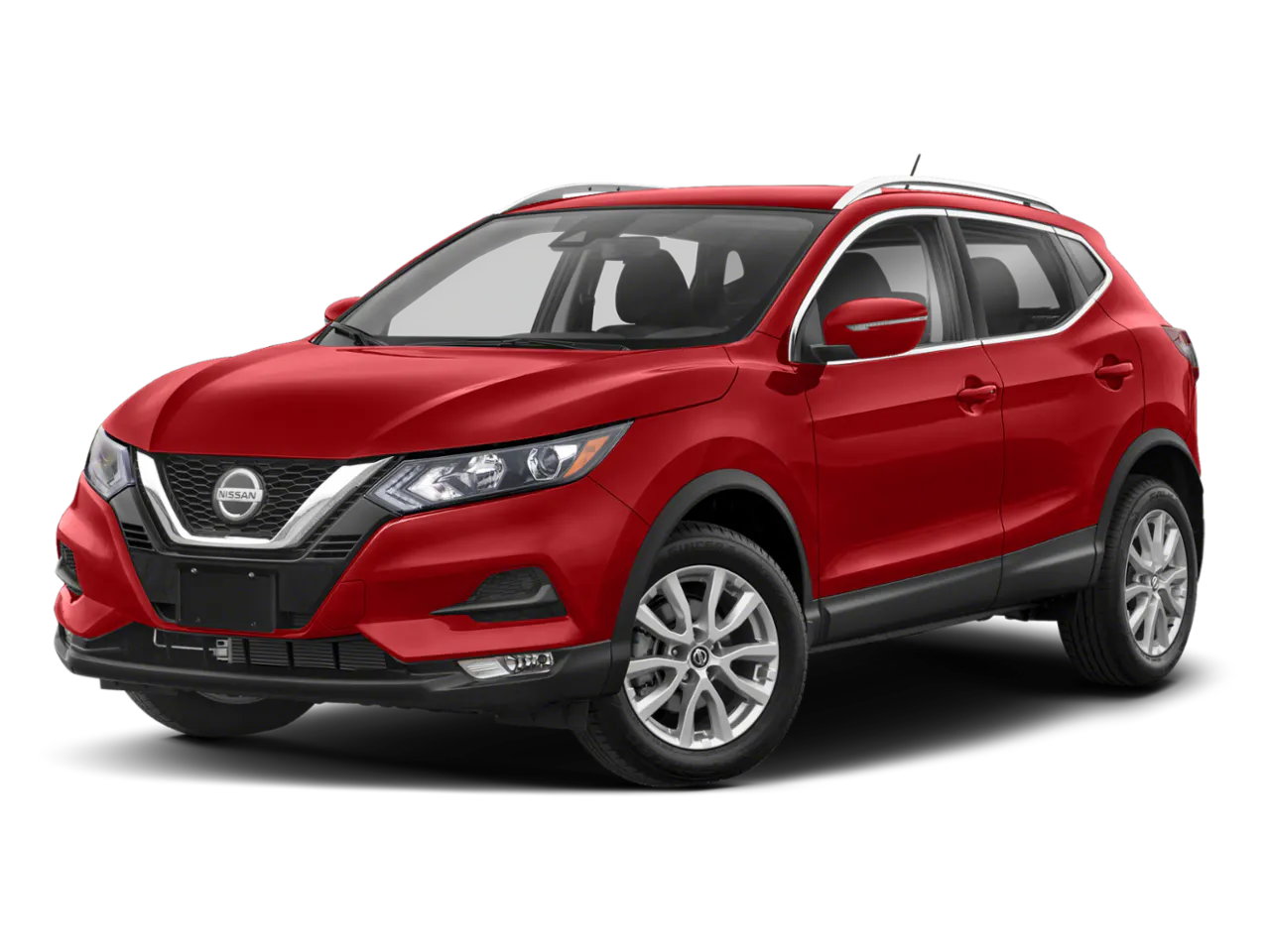
The Rogue Sport is a smaller, subcompact vehicle (known as the Qashqai in other markets). It has a shorter wheelbase, less cargo space, and a less powerful 2.0L engine. While they share a name, they are built on different dimensions, and the standard Rogue is generally preferred for family use.
Is the 3-cylinder engine in the 2022+ Rogue underpowered?
Surprisingly, no. Because it is turbocharged and uses variable compression technology, the 1.5L 3-cylinder engine actually produces more horsepower and significantly more torque than the 2.5L 4-cylinder it replaced. It feels more responsive in city driving and during highway passing maneuvers.
Final Recommendation for Buyers
If you are looking for a used Nissan Rogue in 2026, the best balance of price and long-term viability is a 2021 Rogue SV with the Premium Package. This gives you the updated, more robust chassis and the simpler 2.5L engine, avoiding both the transmission woes of the older generation and the potential complexity of the newer turbo engines. Always demand a service history that includes at least one CVT fluid exchange if the vehicle has more than 40,000 miles. By prioritizing maintenance records over the lowest possible price, you can secure a comfortable and tech-forward SUV that will serve you reliably for years to come.
Image Gallery